Public Steam disclosure research25,380 disclosures tracked
Where do games disclose AI use?
Search developers’ Steam disclosures, compare classified AI use across
games, and follow recorded changes.
This index adds cross-game classifications and statistics to
statements published on individual store pages.
Groups reflect automatic analysis of public disclosures; mature records are excluded. These counts do not measure AI use across all of Steam.
Missing or unclear statements cannot establish whether a game uses AI.
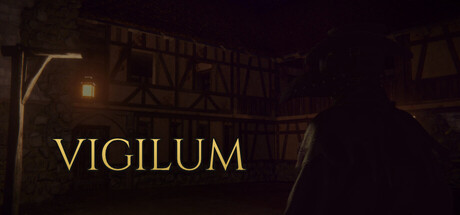
I use generative AI exclusively as a temporary tool for rapid prototyping and placeholder content during early solo development. All AI-generated elements in Vigilum are planned to be fully replaced with custom, human-made assets for the final v1.0 release.
-> 3D Models: I used generative AI tools to create two 3D assets (the Vylem gem and the Blood Sigil element). These are temporary placeholders, and I am currently prioritizing remaking them myself during the Early Access phase.
-> 2D Assets: A few UI icons and images were generated with AI. I intend to commission a professional artist to completely replace these 2D elements as soon as funding allows.
The developer used generative AI tools during development to assist in creating pre-generated assets, including concept art for backgrounds and placeholder text assets. None of the AI content is generated in real-time during gameplay.
During development, we used generative AI tools to assist in creating certain game content. This includes using AI to generate base concepts and visual assets for specific in-game items or backgrounds (which were subsequently refined manually), as well as using AI for multilingual localization and text polishing.
Generative AI tools were used to assist with drafting and editing store page text and marketing descriptions. All final content is reviewed and edited by the developer.
The developer describes how this game uses generative AI as follows:
Visual Assets: Some character illustrations, background art, and UI icons in this game have been created or enhanced using generative AI tools.
Generative AI tools were used only to assist in the creation of certain store page and marketing images. No AI-generated content is created during gameplay, and the game does not use live AI systems or connect to external AI services while running.
Since english is not my native language.
During the development, I use AI and grammar websites to help me correct my sentences.
But all the text was conceived and finalized by me.
This game uses AI-generated images for some of its 2D artwork, character
scenes, and store page visuals. All AI-generated content is reviewed, edited,
and curated by our team to fit the game's historical setting. The game's
design, writing, story, and code are created by human developers.
AI was used as an assistive tool for creating specific texture patterns, supporting code development, and producing videos for the game. All generated content was manually reviewed, edited, and refined by our team.
As a small independent game studio, we use AI to support our creative workflow. All final content was created and approved by our team.
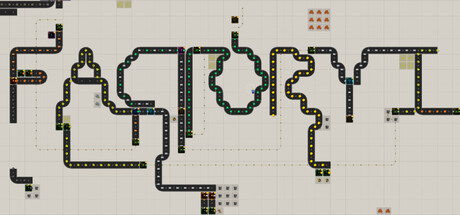
Hey everyone! I’m incredibly excited to finally bring this factory game to Steam.
To be completely transparent, a significant part of this game was crafted through what the cool kids call "Vibe Coding"—leveraging cutting-edge AI to help bring my logic, systems, and visions to life. While the AI helped lay down the bricks, the core factory mechanics, balancing, and gameplay design are all fueled by my own passion for automation.
Think of it as a factory game built by a developer who loves automation so much, they even automated parts of the development process! I hope you enjoy optimizing your factories as much as I enjoyed optimizing this code.
AI-assisted tools were used to create selected graphical assets, concept artwork and marketing materials. All generated content was reviewed, modified and integrated by the developer. No AI-generated content is created during gameplay.
This game does not use Live-Generated AI during gameplay.
The game does not connect to any external AI service, does not send player input to AI models, and does not generate new AI content while the game is running.
Some visual assets in the game were created with the assistance of generative AI tools during development. These assets are static, pre-generated, reviewed by the developer, and included directly in the game build.
All AI-assisted visual content is used as fixed in-game artwork and is not dynamically generated during gameplay
Some of the visual assets in Iron Ledger, including the game icon and splash/menu artwork, were created with the assistance of generative AI image tools. All AI-assisted assets were reviewed and curated by the developer. No AI-generated content is produced live during gameplay.
Some game assets and content were created with the assistance of generative AI tools during development. AI-assisted content was reviewed, curated, edited, and integrated into the final game by the developer. Generative AI is not used to create content during gameplay.
Generative AI tools were used during development to assist with coding, game design ideas, music, dialogue writing, and select texture assets. All content has been reviewed and approved by the developer.
AI-generated tools were used in the creation of some marketing artwork, a portion of the user interface elements, and certain audio elements. All AI-generated content was reviewed, edited, and integrated into the game by the developer.
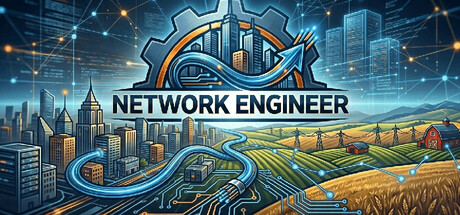
Network Engineer leverages generative artificial intelligence to enhance gameplay immersion and realism. AI-driven systems dynamically simulate customer behavior, hardware issues, and environmental challenges, creating unique scenarios and ensuring no two playthroughs are alike. Your feedback will help refine these systems!
Some assets within the game are generated with the help of AI, this includes but is not limited to:
- Contracts (Company Names, Locations etc.)
- Hardware Names (For the networking device)
- Company Logos
Generative AI tools were used to create some assets
in this game, including capsule art, promotional
images, background music, and select NPC voice lines.
All AI-generated content is pre-rendered and included
as static game assets. No AI content is generated in
real time during gameplay, and the game does not
connect to external AI services while playing.
Some visual assets used in the game were created with the help of generative AI. This includes certain service icons, such as Express Delivery, some NPC purchase icons, such as Cook and Burger Maker, and some burger ingredient images. These AI-generated visuals are used as in-game UI/store assets and item icons.
This work incorporates the use of generative artificial intelligence (AI) in the following areas:
Parts of the artwork, parts of the sound, and localization.
Generative AI tools were used to assist with development, including code support, store text drafting, and some visual/marketing assets. Final content was reviewed and edited by the developer.
Generative AI were used to assist in the creation of assets, and artwork. All generated content was reviewed and modified by the developers before inclusion in the final game.
Thirsty Snail uses an on-device local language model to generate short snail dialogue, personality-based reactions, and race taunts. AI-generated text is triggered by in-game interactions and constrained by character prompts and content moderation rules. Screen-aware reactions are processed locally on the player's device. Screenshots are never stored or uploaded, and private file contents are not read.
AI tools were used to assist in the creation of temporary promotional artwork and concept visuals for the Steam store page. Gameplay systems, implementation, balancing, and final game integration are developed manually.
All AI used to make this game has been limited to coordinating tasks and making minor images that will be replaced before release. Code assistance was a major portion of its use to find errors and fix script as needed.
No AI is connecting to any third party or outside source during/before/after gameplay.
Generative AI tools were used only to assist with the creation and editing of some Steam store page content, including store page text and promotional visual assets. The game itself does not use generative AI during gameplay. No AI-generated content is produced live while the player is playing, and the game does not connect to any external third-party AI service.
We use AI tools where appropriate to streamline our workflow, specifically for pre-generating certain in-game assets such as images and music, as well as assisting with translations
I'm a solo developer and a 3D and graphic design teacher by day. Every visual asset in this game (from the pixel art creatures to the 3D environments) is crafted by me. Music and sound effects come from licensed human creators.
AI tools helped me during development with coding, debugging, and organizing ideas, but never to create visual or audio content.
The English and Spanish localizations are written by me. For all other languages, I used AI-assisted translation, because there's nothing better than playing a game in your own language, and I wanted Luminons to reach as many people as possible. Professional translators are outside the budget for a solo project, but if this game finds its audience, revisiting every localization with human translators (and adding more languages) is absolutely on the list.
I use generative AI exclusively as a temporary tool for rapid prototyping and placeholder content during early solo development. All AI-generated elements in Vigilum are planned to be fully replaced with custom, human-made assets for the final v1.0 release.
-> 3D Models: I used generative AI tools to create two 3D assets (the Vylem gem and the Blood Sigil element). These are temporary placeholders, and I am currently prioritizing remaking them myself during the Early Access phase.
-> 2D Assets: A few UI icons and images were generated with AI. I intend to commission a professional artist to completely replace these 2D elements as soon as funding allows.
The developer used generative AI tools during development to assist in creating pre-generated assets, including concept art for backgrounds and placeholder text assets. None of the AI content is generated in real-time during gameplay.
During development, we used generative AI tools to assist in creating certain game content. This includes using AI to generate base concepts and visual assets for specific in-game items or backgrounds (which were subsequently refined manually), as well as using AI for multilingual localization and text polishing.
Generative AI tools were used to assist with drafting and editing store page text and marketing descriptions. All final content is reviewed and edited by the developer.
The developer describes how this game uses generative AI as follows:
Visual Assets: Some character illustrations, background art, and UI icons in this game have been created or enhanced using generative AI tools.
Generative AI tools were used only to assist in the creation of certain store page and marketing images. No AI-generated content is created during gameplay, and the game does not use live AI systems or connect to external AI services while running.
Since english is not my native language.
During the development, I use AI and grammar websites to help me correct my sentences.
But all the text was conceived and finalized by me.
This game uses AI-generated images for some of its 2D artwork, character
scenes, and store page visuals. All AI-generated content is reviewed, edited,
and curated by our team to fit the game's historical setting. The game's
design, writing, story, and code are created by human developers.
AI was used as an assistive tool for creating specific texture patterns, supporting code development, and producing videos for the game. All generated content was manually reviewed, edited, and refined by our team.
As a small independent game studio, we use AI to support our creative workflow. All final content was created and approved by our team.
Hey everyone! I’m incredibly excited to finally bring this factory game to Steam.
To be completely transparent, a significant part of this game was crafted through what the cool kids call "Vibe Coding"—leveraging cutting-edge AI to help bring my logic, systems, and visions to life. While the AI helped lay down the bricks, the core factory mechanics, balancing, and gameplay design are all fueled by my own passion for automation.
Think of it as a factory game built by a developer who loves automation so much, they even automated parts of the development process! I hope you enjoy optimizing your factories as much as I enjoyed optimizing this code.
AI-assisted tools were used to create selected graphical assets, concept artwork and marketing materials. All generated content was reviewed, modified and integrated by the developer. No AI-generated content is created during gameplay.
This game does not use Live-Generated AI during gameplay.
The game does not connect to any external AI service, does not send player input to AI models, and does not generate new AI content while the game is running.
Some visual assets in the game were created with the assistance of generative AI tools during development. These assets are static, pre-generated, reviewed by the developer, and included directly in the game build.
All AI-assisted visual content is used as fixed in-game artwork and is not dynamically generated during gameplay
Some of the visual assets in Iron Ledger, including the game icon and splash/menu artwork, were created with the assistance of generative AI image tools. All AI-assisted assets were reviewed and curated by the developer. No AI-generated content is produced live during gameplay.
Some game assets and content were created with the assistance of generative AI tools during development. AI-assisted content was reviewed, curated, edited, and integrated into the final game by the developer. Generative AI is not used to create content during gameplay.
Generative AI tools were used during development to assist with coding, game design ideas, music, dialogue writing, and select texture assets. All content has been reviewed and approved by the developer.
AI-generated tools were used in the creation of some marketing artwork, a portion of the user interface elements, and certain audio elements. All AI-generated content was reviewed, edited, and integrated into the game by the developer.
Network Engineer leverages generative artificial intelligence to enhance gameplay immersion and realism. AI-driven systems dynamically simulate customer behavior, hardware issues, and environmental challenges, creating unique scenarios and ensuring no two playthroughs are alike. Your feedback will help refine these systems!
Some assets within the game are generated with the help of AI, this includes but is not limited to:
- Contracts (Company Names, Locations etc.)
- Hardware Names (For the networking device)
- Company Logos
Generative AI tools were used to create some assets
in this game, including capsule art, promotional
images, background music, and select NPC voice lines.
All AI-generated content is pre-rendered and included
as static game assets. No AI content is generated in
real time during gameplay, and the game does not
connect to external AI services while playing.
Some visual assets used in the game were created with the help of generative AI. This includes certain service icons, such as Express Delivery, some NPC purchase icons, such as Cook and Burger Maker, and some burger ingredient images. These AI-generated visuals are used as in-game UI/store assets and item icons.
This work incorporates the use of generative artificial intelligence (AI) in the following areas:
Parts of the artwork, parts of the sound, and localization.
Generative AI tools were used to assist with development, including code support, store text drafting, and some visual/marketing assets. Final content was reviewed and edited by the developer.
Generative AI were used to assist in the creation of assets, and artwork. All generated content was reviewed and modified by the developers before inclusion in the final game.
Thirsty Snail uses an on-device local language model to generate short snail dialogue, personality-based reactions, and race taunts. AI-generated text is triggered by in-game interactions and constrained by character prompts and content moderation rules. Screen-aware reactions are processed locally on the player's device. Screenshots are never stored or uploaded, and private file contents are not read.
AI tools were used to assist in the creation of temporary promotional artwork and concept visuals for the Steam store page. Gameplay systems, implementation, balancing, and final game integration are developed manually.
All AI used to make this game has been limited to coordinating tasks and making minor images that will be replaced before release. Code assistance was a major portion of its use to find errors and fix script as needed.
No AI is connecting to any third party or outside source during/before/after gameplay.
Generative AI tools were used only to assist with the creation and editing of some Steam store page content, including store page text and promotional visual assets. The game itself does not use generative AI during gameplay. No AI-generated content is produced live while the player is playing, and the game does not connect to any external third-party AI service.
We use AI tools where appropriate to streamline our workflow, specifically for pre-generating certain in-game assets such as images and music, as well as assisting with translations
I'm a solo developer and a 3D and graphic design teacher by day. Every visual asset in this game (from the pixel art creatures to the 3D environments) is crafted by me. Music and sound effects come from licensed human creators.
AI tools helped me during development with coding, debugging, and organizing ideas, but never to create visual or audio content.
The English and Spanish localizations are written by me. For all other languages, I used AI-assisted translation, because there's nothing better than playing a game in your own language, and I wanted Luminons to reach as many people as possible. Professional translators are outside the budget for a solo project, but if this game finds its audience, revisiting every localization with human translators (and adding more languages) is absolutely on the list.