Public Steam disclosure research25,380 disclosures tracked
Where do games disclose AI use?
Search developers’ Steam disclosures, compare classified AI use across
games, and follow recorded changes.
This index adds cross-game classifications and statistics to
statements published on individual store pages.
Groups reflect automatic analysis of public disclosures; mature records are excluded. These counts do not measure AI use across all of Steam.
Missing or unclear statements cannot establish whether a game uses AI.
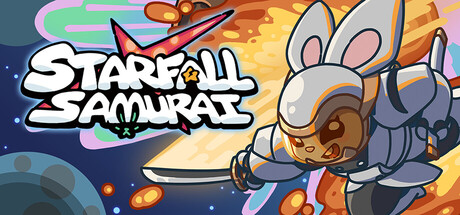
Generative AI tools were used during development to assist with the creation of [artwork, voice audio, text, and localization]. All AI-assisted content was reviewed and edited by the developer before being included in the game. The game does not generate AI content during gameplay.
This game uses generative AI to assist with multilingual translation and to create some of its in-game music. All related content was generated in advance during development and reviewed and edited by the development team.
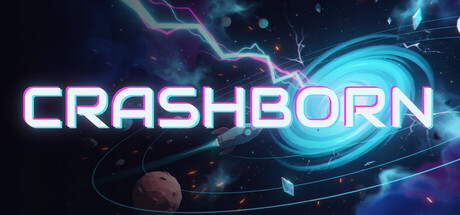
Some of Crashborn's art, audio and base 3D models were created with generative AI tools and edited by hand. They are placeholders being replaced with work from dedicated artists ahead of the 1.0 release. The game does not generate content at runtime.
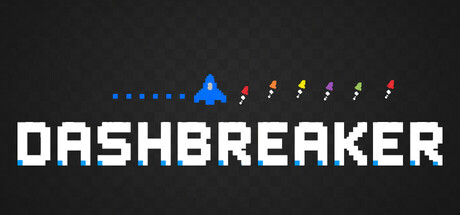
Generative AI tools were used extensively during the development of DashBreaker. They assisted with programming, selected sound effects and visual materials, player-facing text and localization, and Steam store and marketing materials. All AI-assisted output was reviewed, edited, tested, and integrated by the developer. No content or code is generated by AI during gameplay, and the game does not connect to external AI services while running.
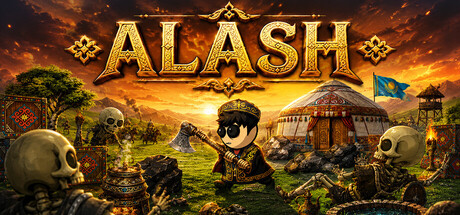
In ALASH, we utilized generative AI as a supplementary tool to assist in creating 2D art assets. Specifically, AI networks were used to help develop certain environment elements, textures, and background images to enhance the unique visual style of our alternate history setting. Please note that all game design, core mechanics, storyline, tower defense logic, and programming code were created entirely by hand by our development team. AI was used solely to support our artistic vision, ensuring that the integrity and soul of the gameplay remain entirely human-made.
As a solo developer, AI has been used as a tool to get the game where it is today. Primary used as a tool to help with areas of development and certain text generations.
No art or music was generated by AI. 95% of the artwork in the game is procedurally generated by code, while the rest is hand done by me. The music was also created by me specifically for the game.
AI was used in places like name and description generations for items in the game as well as some text areas within the tutorial coach text to help guide players through the initial stages of the game.
The language localization and the code for the ink splats was fully generated using AI tools. The UI layouts and game code were built with the assistance of generative AI with a mix of fully AI generated code, developer-edited code, and developer-added code. Generative AI was also used to help assist with writing the text of the Steam store page description.
Mad Friday is made by one person. The art, animation, design and code are all mine, made by hand. A few background music tracks are licensed royalty-free assets produced with a generative music model. All audio is pre-generated and shipped with the build; nothing is generated at runtime.
Generative AI tools were used during development to assist with creating some music and UI graphic assets, as well as to provide coding suggestions and troubleshooting support. All AI-assisted content was reviewed, edited where necessary, and integrated by the developer. The game does not generate AI content during gameplay.
Generative AI tools were used during development to assist with creating select pre-generated 3D base models, 2D promotional/marketing art, and drafting portions of the source code
All animations (sourced and configured via Mixamo), level design, environmental layouts, physics tuning, core game logic, and overall gameplay systems were manually designed, built, and integrated by the development team
The game does not generate any live AI content at runtime
All AI-assisted assets and code have been manually reviewed, curated, and tested to ensure stability, quality, and full compliance with copyright and intellectual property standards
I’m an indie game developer and have tried making games for years. Generative AI has been used as part of my development process, including helping with code, visual and sound assets. It is not a simple one-shot process, but effort has been put in over multiple generations to control and curate the art style.
Generative artificial intelligence (AI) was used to create some audio and visual assets, portions of the game code, Steam store page copy, and localized content. No AI-generated content is created in real time during gameplay.
The background artwork in Hand Stretched — the shopfront, the kitchen and bar scenery, and the shop sign — was generated using Adobe Firefly, then edited and assembled by hand.
Everything you actually interact with is drawn by the game itself: the pizzas, the dough, the drinks and the icons are rendered in code as you play, not painted images.
The music is not AI-generated. It is four tracks licensed from human artists on Pixabay, credited by name in the game's settings.
The game's code was written with AI assistance. Nothing is generated while you play, and the game connects to no AI service.
Generative AI was used to help create some of the store page marketing images and some of the game's music tracks, which are used as in-game content (the songs players perform to during gameplay). No generative AI is used to generate images or text within the game itself all in-game visuals and text are handcrafted.
Some visual assets (sprites and promotional art) were created with generative AI tools and then edited. The game does not generate AI content at runtime.
Generative AI tools have been used as support in the development of this game. They were primarily used for programming, translations, and some background and art elements. All content has been manually reviewed and approved before being included in the game.
This game uses generative AI in the following ways:
Art: Visual assets including the logo, UI elements, backgrounds, and character sprites were created with the assistance of AI image generation tools, then reviewed and adjusted by the developer.
Localization: In-game text was translated into 72 languages with the assistance of AI translation tools.
All content has been reviewed by the developer before release.
Development tools assisted with localization and the creation and refinement of some visual content. All resulting content was reviewed and edited by the developer before being included in the game.
Pre-generated 2D marketing artwork and Steam store assets were created with assistance from OpenAI image-generation tools during development. All outputs were reviewed and selected by the developer. The game itself does not include AI-generated content, generate AI content at runtime, or connect to AI services.
We used AI-assisted tools during development to help create and iterate on internal game code, UI sprites, and some 3D model assets. All AI-assisted outputs were reviewed, edited, and approved by the development team before being included in the game. The game does not allow players to generate AI content during gameplay.
We may use AI-based tools during development to assist with content creation. In all such cases, the final game mirrors our dev team's creativity and expression.
Electric Crust was designed, built, and directed by its developer, Charles Whetstone. I used generative AI as a production assistance tool for a subset of shipping assets including some sprite artwork that began in Midjourney output before being manipulated and reworked by hand, along with soundtrack being initially created with assistance of Suno. Both were used under paid commercial licenses.
The game performs no live or runtime AI generation. Every asset is fixed and authored before release, and the game makes no network calls
of any kind.
Generative AI tools were used during development to assist with writing portions of the game's code and to generate some of the visual assets used in the game.
We use AI tools to assist development. Some 3D models are generated with the assistance of AI tools (Meshy) from our own concept designs, and are then reviewed, adjusted, and integrated into the game by the team. Some store page text was drafted with AI assistance and then edited by the developers.
No generative AI runs at runtime. Players never receive AI-generated content while playing.
CrashFest is a one-person game, built in Unity between coffee and complaints from playtesters. It started as a physics experiment about shoving a low-poly car off a ledge and got out of hand once six controllers were plugged in.
I’m a software engineer, not an artist. So a good chunk of CrashFest was made together with Claude AI — art direction, shaders, menus, the visual bits I’d never have drawn on my own — and the soundtrack comes out of Suno. The code, the physics and every questionable design decision are mine.
AI was used only as a tool to speed things up.
Voice acting was done by professionals (including me).
SFX and most VFX are assets created by artists (some placeholder AI art is included to be replaced in time) and the music tracks were composed by me and rendered with an AI assisted DAW process.
All creative ideas, all mods and QoL features of this unique puzzle game were designed and built by a human mind.
Generative AI tools were used during development to assist in the creation of selected visual assets and promotional materials. All AI-assisted content was reviewed, edited, and integrated by the developer. The game does not generate AI content during gameplay and does not connect to external AI services while being played.
- Audio: background music is generated with AI music tools.
- Translation: in-game and store text is translated using AI.
- Code: the game's code, including the code that draws every visual at runtime,
was written with the help of an AI coding assistant.
Generative AI tools were used to assist in creating some game assets, including visual and audio content. All AI-assisted content was reviewed and refined by the development team before being included in the game.
Generative AI was used to create initial drafts for some in-game localization text. All AI-assisted content is pre-generated; the game does not generate AI content during play or connect to external AI services.
Generated Content: visual art — characters, environment art and store/marketing capsule images created using Google Gemini, then edited and composited by hand.
This game contains pre-generated AI-assisted content used during development, including gameplay code, selected in-game and UI text/localization, generated sound effects, and AI-assisted visual materials for Steam community/store assets such as achievement icons. No AI content is generated live during gameplay, and the game does not connect to external AI services at runtime.
Generative AI tools were used during development to assist with the creation of [artwork, voice audio, text, and localization]. All AI-assisted content was reviewed and edited by the developer before being included in the game. The game does not generate AI content during gameplay.
This game uses generative AI to assist with multilingual translation and to create some of its in-game music. All related content was generated in advance during development and reviewed and edited by the development team.
Some of Crashborn's art, audio and base 3D models were created with generative AI tools and edited by hand. They are placeholders being replaced with work from dedicated artists ahead of the 1.0 release. The game does not generate content at runtime.
Generative AI tools were used extensively during the development of DashBreaker. They assisted with programming, selected sound effects and visual materials, player-facing text and localization, and Steam store and marketing materials. All AI-assisted output was reviewed, edited, tested, and integrated by the developer. No content or code is generated by AI during gameplay, and the game does not connect to external AI services while running.
In ALASH, we utilized generative AI as a supplementary tool to assist in creating 2D art assets. Specifically, AI networks were used to help develop certain environment elements, textures, and background images to enhance the unique visual style of our alternate history setting. Please note that all game design, core mechanics, storyline, tower defense logic, and programming code were created entirely by hand by our development team. AI was used solely to support our artistic vision, ensuring that the integrity and soul of the gameplay remain entirely human-made.
As a solo developer, AI has been used as a tool to get the game where it is today. Primary used as a tool to help with areas of development and certain text generations.
No art or music was generated by AI. 95% of the artwork in the game is procedurally generated by code, while the rest is hand done by me. The music was also created by me specifically for the game.
AI was used in places like name and description generations for items in the game as well as some text areas within the tutorial coach text to help guide players through the initial stages of the game.
The language localization and the code for the ink splats was fully generated using AI tools. The UI layouts and game code were built with the assistance of generative AI with a mix of fully AI generated code, developer-edited code, and developer-added code. Generative AI was also used to help assist with writing the text of the Steam store page description.
Mad Friday is made by one person. The art, animation, design and code are all mine, made by hand. A few background music tracks are licensed royalty-free assets produced with a generative music model. All audio is pre-generated and shipped with the build; nothing is generated at runtime.
Generative AI tools were used during development to assist with creating some music and UI graphic assets, as well as to provide coding suggestions and troubleshooting support. All AI-assisted content was reviewed, edited where necessary, and integrated by the developer. The game does not generate AI content during gameplay.
Generative AI tools were used during development to assist with creating select pre-generated 3D base models, 2D promotional/marketing art, and drafting portions of the source code
All animations (sourced and configured via Mixamo), level design, environmental layouts, physics tuning, core game logic, and overall gameplay systems were manually designed, built, and integrated by the development team
The game does not generate any live AI content at runtime
All AI-assisted assets and code have been manually reviewed, curated, and tested to ensure stability, quality, and full compliance with copyright and intellectual property standards
I’m an indie game developer and have tried making games for years. Generative AI has been used as part of my development process, including helping with code, visual and sound assets. It is not a simple one-shot process, but effort has been put in over multiple generations to control and curate the art style.
Generative artificial intelligence (AI) was used to create some audio and visual assets, portions of the game code, Steam store page copy, and localized content. No AI-generated content is created in real time during gameplay.
The background artwork in Hand Stretched — the shopfront, the kitchen and bar scenery, and the shop sign — was generated using Adobe Firefly, then edited and assembled by hand.
Everything you actually interact with is drawn by the game itself: the pizzas, the dough, the drinks and the icons are rendered in code as you play, not painted images.
The music is not AI-generated. It is four tracks licensed from human artists on Pixabay, credited by name in the game's settings.
The game's code was written with AI assistance. Nothing is generated while you play, and the game connects to no AI service.
Generative AI was used to help create some of the store page marketing images and some of the game's music tracks, which are used as in-game content (the songs players perform to during gameplay). No generative AI is used to generate images or text within the game itself all in-game visuals and text are handcrafted.
Some visual assets (sprites and promotional art) were created with generative AI tools and then edited. The game does not generate AI content at runtime.
Generative AI tools have been used as support in the development of this game. They were primarily used for programming, translations, and some background and art elements. All content has been manually reviewed and approved before being included in the game.
This game uses generative AI in the following ways:
Art: Visual assets including the logo, UI elements, backgrounds, and character sprites were created with the assistance of AI image generation tools, then reviewed and adjusted by the developer.
Localization: In-game text was translated into 72 languages with the assistance of AI translation tools.
All content has been reviewed by the developer before release.
Development tools assisted with localization and the creation and refinement of some visual content. All resulting content was reviewed and edited by the developer before being included in the game.
Pre-generated 2D marketing artwork and Steam store assets were created with assistance from OpenAI image-generation tools during development. All outputs were reviewed and selected by the developer. The game itself does not include AI-generated content, generate AI content at runtime, or connect to AI services.
We used AI-assisted tools during development to help create and iterate on internal game code, UI sprites, and some 3D model assets. All AI-assisted outputs were reviewed, edited, and approved by the development team before being included in the game. The game does not allow players to generate AI content during gameplay.
We may use AI-based tools during development to assist with content creation. In all such cases, the final game mirrors our dev team's creativity and expression.
Electric Crust was designed, built, and directed by its developer, Charles Whetstone. I used generative AI as a production assistance tool for a subset of shipping assets including some sprite artwork that began in Midjourney output before being manipulated and reworked by hand, along with soundtrack being initially created with assistance of Suno. Both were used under paid commercial licenses.
The game performs no live or runtime AI generation. Every asset is fixed and authored before release, and the game makes no network calls
of any kind.
Generative AI tools were used during development to assist with writing portions of the game's code and to generate some of the visual assets used in the game.
We use AI tools to assist development. Some 3D models are generated with the assistance of AI tools (Meshy) from our own concept designs, and are then reviewed, adjusted, and integrated into the game by the team. Some store page text was drafted with AI assistance and then edited by the developers.
No generative AI runs at runtime. Players never receive AI-generated content while playing.
CrashFest is a one-person game, built in Unity between coffee and complaints from playtesters. It started as a physics experiment about shoving a low-poly car off a ledge and got out of hand once six controllers were plugged in.
I’m a software engineer, not an artist. So a good chunk of CrashFest was made together with Claude AI — art direction, shaders, menus, the visual bits I’d never have drawn on my own — and the soundtrack comes out of Suno. The code, the physics and every questionable design decision are mine.
AI was used only as a tool to speed things up.
Voice acting was done by professionals (including me).
SFX and most VFX are assets created by artists (some placeholder AI art is included to be replaced in time) and the music tracks were composed by me and rendered with an AI assisted DAW process.
All creative ideas, all mods and QoL features of this unique puzzle game were designed and built by a human mind.
Generative AI tools were used during development to assist in the creation of selected visual assets and promotional materials. All AI-assisted content was reviewed, edited, and integrated by the developer. The game does not generate AI content during gameplay and does not connect to external AI services while being played.
- Audio: background music is generated with AI music tools.
- Translation: in-game and store text is translated using AI.
- Code: the game's code, including the code that draws every visual at runtime,
was written with the help of an AI coding assistant.
Generative AI tools were used to assist in creating some game assets, including visual and audio content. All AI-assisted content was reviewed and refined by the development team before being included in the game.
Generative AI was used to create initial drafts for some in-game localization text. All AI-assisted content is pre-generated; the game does not generate AI content during play or connect to external AI services.
Generated Content: visual art — characters, environment art and store/marketing capsule images created using Google Gemini, then edited and composited by hand.
This game contains pre-generated AI-assisted content used during development, including gameplay code, selected in-game and UI text/localization, generated sound effects, and AI-assisted visual materials for Steam community/store assets such as achievement icons. No AI content is generated live during gameplay, and the game does not connect to external AI services at runtime.