








Disclosure
Some assets used in-game and on promo art are generated using generative artificial intelligence.
- Creator
- 1M
- Reviews
- -
- Added
- Sep 23, 2026
Public Steam disclosure research 25,380 disclosures tracked
Search developers’ Steam disclosures, compare classified AI use across games, and follow recorded changes. This index adds cross-game classifications and statistics to statements published on individual store pages.
Code help, debugging and other development work.
Capsule art, trailers and promotional material.
Pre-made art, audio, writing and other game assets.
Interactive or runtime AI features disclosed by the developer.
Groups reflect automatic analysis of public disclosures; mature records are excluded. These counts do not measure AI use across all of Steam. Missing or unclear statements cannot establish whether a game uses AI.
Some assets used in-game and on promo art are generated using generative artificial intelligence.
Generative AI was used during development to assist with programming and to create most of the game's visual assets. The player character artwork was created without generative AI.
Generative AI was used during development to create pre-made content: concept and reference images, character sprites, textures and UI graphics (OpenAI image generation), the game logo (Google Gemini), some 3D model drafts (Tripo) and sound effects (ElevenLabs). All AI-generated material was selected, edited, modelled and integrated by the developer in Blender and Unity. The game does not generate any content with AI while you play and does not connect to AI services.
Some 3D character and prop models were generated with 3D AI Studio during development. Some player-facing text was drafted with AI assistance. All content is prepared in advance; no generative AI runs during gameplay.
部分背景音乐使用人工智能辅助合成
Generative AI tools were used during development to help refine some of the game's content and development tasks. No content is generated by AI in real-time during gameplay.
This game uses AI tools in the following ways: Music: Composed using Suno. Code: Written and debugged with AI assistance. Art: Created with AI assistance. All AI-assisted content was reviewed, edited, and finalized by the developer.
Made by one person. Written, directed and built by me, with generative AI used as a supplementary tool for some of the game's assets, all of it reviewed and refined by hand.
Generative AI tools were used during development to assist with artwork (item illustrations, backgrounds and UI art), audio, and localisation. All AI-assisted content is pre-generated and reviewed, edited and finished by the developer before it ships. Nothing is generated at runtime, and the game contains no AI features while you play.
SMASH & GRAB uses generative AI for pre-generated content that is reviewed and edited by the team before it ships. Card portraits and their collectible variants, the rival figures and props, the key art, and the store capsules were produced with image and 3D generation tools (Meshy, OpenArt) from our own prompts and references. Voice lines use synthetic voices from ElevenLabs; no real person's voice was cloned. The music beds were generated with ElevenLabs, and the store trailer was assembled from AI-generated clips (Kling via OpenArt). Card names, bios, and other in-game text were drafted with a large language model and edited by the team. Nothing is generated while you play: the game does not create content live.
AI was used to create some of the voices heard in the game.
Generative AI tools were used during development to assist with the creation and refinement of some visual assets and localization. All AI-assisted content is reviewed, edited, and curated by the developer before being included in the game.
This game uses generative AI for: in-game product packaging (bento, ice cream, chips, cup noodles, gummies, gum, chocolate, candy, dried snacks, stationery, sundries, bath salts, hair care and hair color, coffee/tea boxes, drink and can labels, magazine covers, newspaper pages, and so on); full-screen art (title background, intro and epilogue illustrations, character icons, the morning results screen, the store floor plan, skill cards, skill icons, and effect overlays); some UI elements (panels, buttons, tabs); outdoor art and props (night sky panorama, vending machines, signage, banner flags, pavement, building walls, the traffic signal textures and the textures of small props by the entrance); the store capsule art and achievement icons; some 3D models (the radio by the register, the parking wheel stops, the trash bins by the entrance, three parked cars, the traffic lights, the coffee machine, the oden pot, the bun steamer and the bread crates, generated with Meshy and finished by the developer in Blender); and the background music (title and in-store tracks, also used in the trailer), generated with Suno and selected and arranged by the developer. All generated assets were reviewed and edited by the developer to avoid resembling real trademarks, people, or works. No content is generated by AI at runtime.
Generative AI was used to create some audio assets and visual elements, including menu artwork and game icons.
Some of the visual assets in Sacrificium — creature sprites, animations and background art — were created with the help of generative AI tools, then reviewed, edited and integrated by hand. All generative AI content is pre-generated; nothing is generated at runtime while you play. Game design, code, systems and all in-game text were written entirely by a human.
Store descriptions, in-game text (the hive's log) and their translations are drafted with an AI assistant and reviewed and edited by the developer. No AI-generated images, audio or 3D assets: all visuals are captured from the game, built on licensed third-party assets.
Some minor store assets might be put through AI, but no game content is AI Generated.
Generative AI was used in two areas for this project: First, 2D character artwork hand-drawn by a human artist was converted into 3D models using AI-powered tools. Second, AI was used for the localization and translation of the game's text into multiple languages. All other game assets, including sound design, music, and the core story, were created entirely without the use of AI.
Generative AI tools were used during development to assist with the creation of some visual assets, promotional artwork, and selected localization or text drafts. All AI-assisted content was reviewed by the developer and, where needed, edited before being included in the game or its Steam store materials. The game does not generate AI content during gameplay and does not connect to external AI services.
Some of this game's art and audio were made with generative AI tools and then edited and modified by the developer. All of it is pre-generated during development. No AI runs live during gameplay. The game's code, design and writing are authored by the developer.
Generative AI was used as a design assistant for the title logo. The generated layout was reviewed, edited, and incorporated by the developer. No content is generated during gameplay.
Generative AI tools were used to assist with the translation and localization of the Steam store page text. All AI-assisted content was reviewed and edited before publication. No AI-generated content is created during gameplay.
Generative AI was used during the creation of certain in-game content, such as cutscenes and other visual assets.
Generative AI used for UV editing, and slight modifications to existing works. (80's arcade video game posters modified to avoid using trademarked content)
This game uses generative AI tools to assist in the creation of pre-rendered visual assets (concept art, textures, background illustrations, key visuals), sound effects, and background music. All AI-generated content is reviewed, edited, and curated by the developer before being included in the final build. No AI generation occurs during gameplay, and no external AI services are connected at runtime.
All game content was created using generative AI, including visuals, 3D models, textures, music, sound effects, and text. Generative AI was also used to create the store descriptions and marketing materials. The game does not generate AI content during play or connect to external AI services.
Generative AI was used to assist in creating marketing graphics including the store capsule art, the game title logo, and the application icon.
Part of the game's visual content (location backgrounds and some animated CG scenes) was created using generative neural networks based on references and artistic descriptions developed by the author.
AI-generated art object
The key art and store capsule images were generated with an AI image tool and then revised by hand, and translations were made with AI assistance
Some of the promotional and storefront images were created with AI tools and then refined by hand. All of the in-game assets were designed by a 3D artist.
Generative AI was used during development to assist with programming and the creation of some visual assets. AI-generated and AI-assisted content may be included in the final game.
Generative AI tools were used throughout development: the game's code and its in-game text, the paintings, achievement icons and interface art, the 3D models, and the music and sound effects. Everything was reviewed, edited and tested, and ships as fixed content. Nothing is generated while you play: the game runs no model and makes no network call.
Generative AI was used during development for certain supernatural visual elements and pre-rendered video sequences, and to assist with some visual design, UI, localization, code modifications, and limited narrative design. All live-action footage of Osaka Castle Park was filmed on location. No AI-generated content is created during gameplay.
The game includes pre-generated AI-assisted content, including some character and card illustrations, boss videos, and portions of localized text. These assets are produced during development and included with the game. The game does not request new images, text, or voices from generative AI services during play.
Some assets
Some Images Some Sounds MUSIK ICON
The music in Ammerow: Lands Beyond was created with Claude Compose, a bespoke composition system built for this project. Rather than a generative music model, it works like a tireless studio composer: an AI assistant (Anthropic's Claude) writes and runs code that composes each piece note by note — melody, harmony, counterpoint and orchestration derived from music theory — and performs it through real, licensed virtual instruments in a professional DAW (Ableton Live). It then "listens back" by analysing the rendered audio to refine the balance. No generative audio/music model was used, no AI was trained on other artists' recordings, and no track was produced from a prompt. Every note is placed deliberately, and every piece is directed, reviewed and approved by a human. The result is authored, not generated. The sound effects are an original, human-directed procedural synthesis library. Claude Code assisted in writing custom Python DSP software and individual cue recipes; every waveform was deterministically rendered from mathematical models and recorded seeds. No recordings, performers, samples, stock audio, sample libraries or generative-audio service were used. Ammerow is designed primarily as a coloured ASCII game. Selected creature, item and shopkeeper illustrations began as AI-generated source images and are converted through a deterministic ASCII-art pipeline. The optional tile mode is a work-in-progress secondary presentation. Its small atlases were programmatically drawn in a custom SDL application using natural-language Codex direction. No generative-image model, inherited tileset, traced artwork or third-party graphical asset was used. Some narrative, gameplay data and other player-facing material were also developed with AI assistance under human direction and review. Some Steam marketing backgrounds were created using OpenAI image-generation tools and then selected, reviewed and combined with deterministic Ammerow branding by the developer. No AI runs while the game is being played.
Pre-generated content only. Some 2D art assets in the game (planet, star and interface sprites) and the store page capsule artwork were produced using generative AI image tools, then edited, composited, colour-corrected and integrated by hand. No generative AI runs at runtime and no content is generated live during gameplay. All audio is either licensed under Creative Commons with attribution given in-game, or original.
Translations were made with the help of AI tools and reviewed.
仅仅使用AI来协助制造宣传素材
The story outline, the characters, and the five branching endings were created by hand. On that basis, the script prose, the 357 background illustrations, the soundtrack and the sound effects were generated with AI and individually reviewed by the developer before inclusion; candidates that did not pass were discarded and are not in the game. The English and Japanese translations were produced with AI and spot-checked by the developer. The store artwork and trailer also use AI-generated images. No AI runs while you play. All content is fixed at release.
Only the game's source code was written with the assistance of an AI coding tool. All art, music, writing, and other creative assets were created by hand without generative AI.
AI translation tools were used to assist with localization from English to other languages. The original English script was hand written, and no generative AI art, sound, or music was used in the game or promo materials.
Pre-generated AI-assisted artwork is used for some store/marketing graphical assets. The game does not generate AI content at runtime. All assets are reviewed by the developer before release.
Almost all graphic elements in the game were created using artificial intelligence tools and subsequently refined in graphic editing software to ensure visual consistency. Non-English translations are generated automatically. No AI-generated content is created in real time during gameplay. All graphical assets are static and pre-rendered.
Some of the graphics were inspired from AI references
Generative AI tools were used during development to assist with some pre-generated text, localization, and promotional/store materials. All AI-assisted content was reviewed and edited by the developer. Hexed Hand does not generate AI content during gameplay and does not connect to external AI services.
Generative AI assisted with selected store and library artwork and some localization text. This content was created before release; the game does not use real-time AI generation.
Generative AI tools were used during development to assist with the creation of some pre-generated 2D visual assets, illustrations, and written content drafts. All AI-assisted content is reviewed, edited, and curated by the development team before being included in the game or promotional materials. The game does not use generative AI to create content in real time during gameplay.
| Title⇅ | Disclosure | Creator⇅ | Src | Reviews⇅ | Added↓ |
|---|---|---|---|---|---|
 Coin Pusher Millionaire In-game content art | Some assets used in-game and on promo art are generated using generative artificial intelligence. | 1M | - | Sep 23, 2026 | |
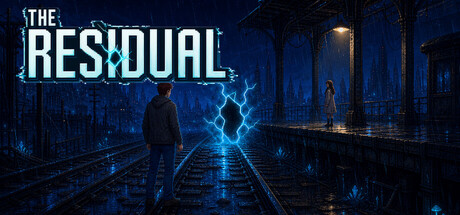 The Residual In-game content art | Generative AI was used during development to assist with programming and to create most of the game's visual assets. The player character artwork was created without generative AI. | Dreamscape Games | - | Sep 22, 2026 | |
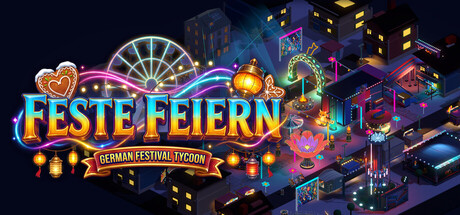 Feste Feiern: German Festival Tycoon In-game content artaudio | Generative AI was used during development to create pre-made content: concept and reference images, character sprites, textures and UI graphics (OpenAI image generation), the game logo (Google Gemini), some 3D model drafts (Tripo) and sound effects (ElevenLabs). All AI-generated material was selected, edited, modelled and integrated by the developer in Blender and Unity. The game does not generate any content with AI while you play and does not connect to AI services. | Jodelsoft | - | Sep 22, 2026 | |
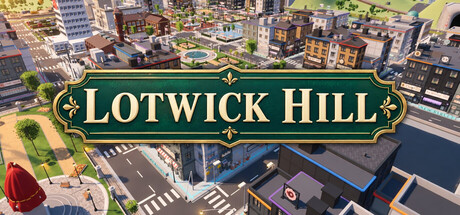 Lotwick Hill In-game content arttext | Some 3D character and prop models were generated with 3D AI Studio during development. Some player-facing text was drafted with AI assistance. All content is prepared in advance; no generative AI runs during gameplay. | Lasse Bjørge | - | Sep 22, 2026 | |
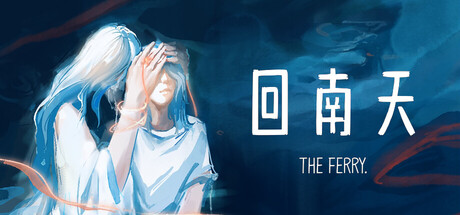 回南天 The Ferry In-game content audio | 部分背景音乐使用人工智能辅助合成 | 寒悦Hannyueh | - | Sep 22, 2026 | |
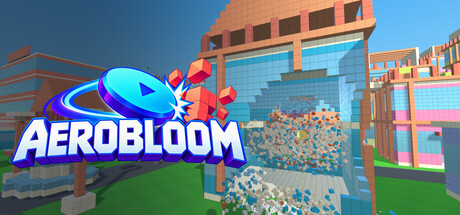 AeroBloom Dev only | Generative AI tools were used during development to help refine some of the game's content and development tasks. No content is generated by AI in real-time during gameplay. | Quito Digital Works | - | Sep 22, 2026 | |
 PATH IT In-game content audioartcode | This game uses AI tools in the following ways:
Music: Composed using Suno.
Code: Written and debugged with AI assistance.
Art: Created with AI assistance.
All AI-assisted content was reviewed, edited, and finalized by the developer. | HuntForge | - | Sep 22, 2026 | |
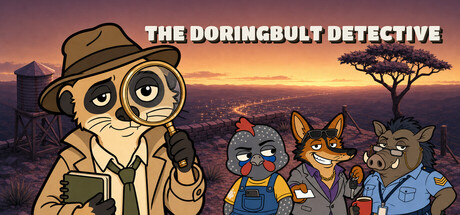 The Doringbult Detective In-game content art | Made by one person. Written, directed and built by me, with generative AI used as a supplementary tool for some of the game's assets, all of it reviewed and refined by hand. | STANDER Games | - | Sep 22, 2026 | |
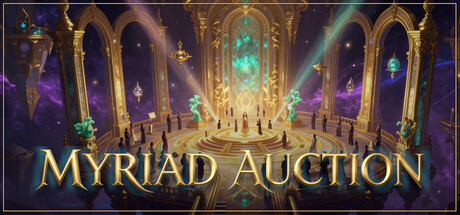 Myriad Auction In-game content artaudiotext | Generative AI tools were used during development to assist with artwork (item illustrations, backgrounds and UI art), audio, and localisation. All AI-assisted content is pre-generated and reviewed, edited and finished by the developer before it ships. Nothing is generated at runtime, and the game contains no AI features while you play. | Hansir | - | Sep 22, 2026 | |
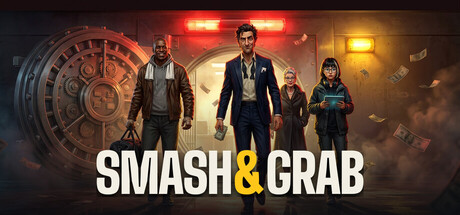 Smash & Grab In-game content artaudiotext | SMASH & GRAB uses generative AI for pre-generated content that is reviewed and edited by the team before it ships. Card portraits and their collectible variants, the rival figures and props, the key art, and the store capsules were produced with image and 3D generation tools (Meshy, OpenArt) from our own prompts and references. Voice lines use synthetic voices from ElevenLabs; no real person's voice was cloned. The music beds were generated with ElevenLabs, and the store trailer was assembled from AI-generated clips (Kling via OpenArt). Card names, bios, and other in-game text were drafted with a large language model and edited by the team. Nothing is generated while you play: the game does not create content live. | Hashbang Games | - | Sep 22, 2026 | |
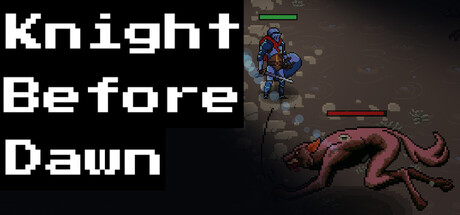 Knight Before Dawn In-game content audio | AI was used to create some of the voices heard in the game. | Last Level Studio | - | Sep 22, 2026 | |
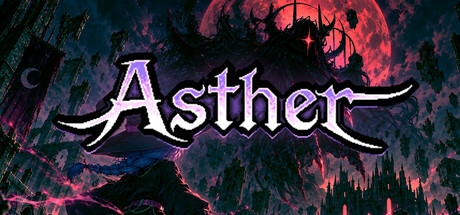 Asther In-game content arttext | Generative AI tools were used during development to assist with the creation and refinement of some visual assets and localization. All AI-assisted content is reviewed, edited, and curated by the developer before being included in the game. | SmallGear Studio | - | Sep 22, 2026 | |
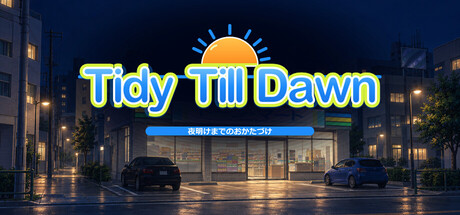 Tidy Till Dawn In-game content artaudio | This game uses generative AI for: in-game product packaging (bento, ice cream, chips, cup noodles, gummies, gum, chocolate, candy, dried snacks, stationery, sundries, bath salts, hair care and hair color, coffee/tea boxes, drink and can labels, magazine covers, newspaper pages, and so on); full-screen art (title background, intro and epilogue illustrations, character icons, the morning results screen, the store floor plan, skill cards, skill icons, and effect overlays); some UI elements (panels, buttons, tabs); outdoor art and props (night sky panorama, vending machines, signage, banner flags, pavement, building walls, the traffic signal textures and the textures of small props by the entrance); the store capsule art and achievement icons; some 3D models (the radio by the register, the parking wheel stops, the trash bins by the entrance, three parked cars, the traffic lights, the coffee machine, the oden pot, the bun steamer and the bread crates, generated with Meshy and finished by the developer in Blender); and the background music (title and in-store tracks, also used in the trailer), generated with Suno and selected and arranged by the developer. All generated assets were reviewed and edited by the developer to avoid resembling real trademarks, people, or works. No content is generated by AI at runtime. | KK WORKS | - | Sep 22, 2026 | |
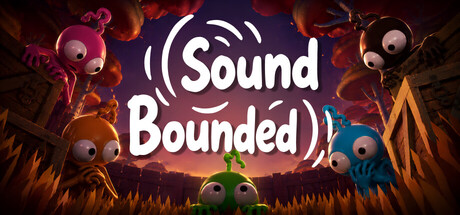 Sound Bounded In-game content artaudio | Generative AI was used to create some audio assets and visual elements, including menu artwork and game icons. | Toasted Bread Studio | - | Sep 22, 2026 | |
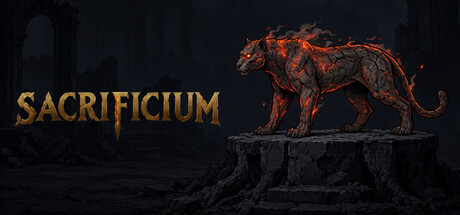 Sacrificium In-game content art | Some of the visual assets in Sacrificium — creature sprites, animations and background art — were created with the help of generative AI tools, then reviewed, edited and integrated by hand. All generative AI content is pre-generated; nothing is generated at runtime while you play. Game design, code, systems and all in-game text were written entirely by a human. | SeedWall | - | Sep 22, 2026 | |
 Hive Earth: Idle Invasion In-game content text | Store descriptions, in-game text (the hive's log) and their translations are drafted with an AI assistant and reviewed and edited by the developer.
No AI-generated images, audio or 3D assets: all visuals are captured from the game, built on licensed third-party assets. | Massimiliano Scarpetta | - | Sep 22, 2026 | |
 Gang Crime Simulator Store/marketing art | Some minor store assets might be put through AI, but no game content is AI Generated. | Anshar Studios | - | Sep 22, 2026 | |
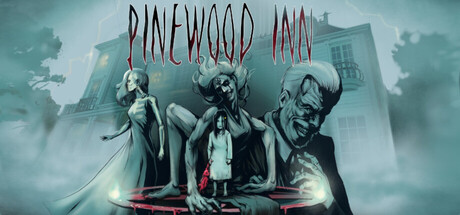 Pinewood Inn In-game content arttext | Generative AI was used in two areas for this project: First, 2D character artwork hand-drawn by a human artist was converted into 3D models using AI-powered tools. Second, AI was used for the localization and translation of the game's text into multiple languages. All other game assets, including sound design, music, and the core story, were created entirely without the use of AI. | plushiebear-games | - | Sep 22, 2026 | |
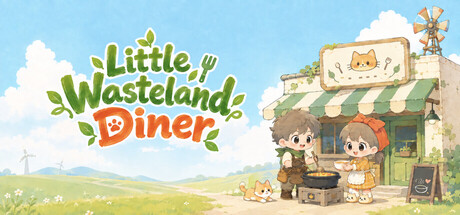 废土小饭馆 In-game content arttext | Generative AI tools were used during development to assist with the creation of some visual assets, promotional artwork, and selected localization or text drafts. All AI-assisted content was reviewed by the developer and, where needed, edited before being included in the game or its Steam store materials.
The game does not generate AI content during gameplay and does not connect to external AI services. | Bannye | - | Sep 22, 2026 | |
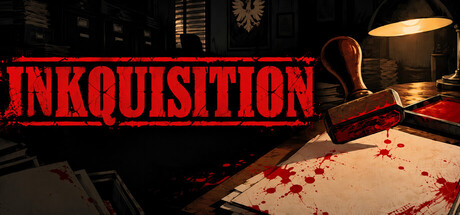 INKQUISITION In-game content artaudio | Some of this game's art and audio were made with generative AI tools and then edited and modified by the developer. All of it is pre-generated during development. No AI runs live during gameplay. The game's code, design and writing are authored by the developer. | DOCEntertainment | - | Sep 22, 2026 | |
 蒼海 -AOMI- In-game content art | Generative AI was used as a design assistant for the title logo. The generated layout was reviewed, edited, and incorporated by the developer. No content is generated during gameplay. | OZ | - | Sep 22, 2026 | |
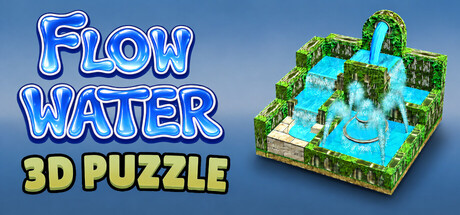 Flow Water 3D Puzzle Store/marketing text | Generative AI tools were used to assist with the translation and localization of the Steam store page text. All AI-assisted content was reviewed and edited before publication. No AI-generated content is created during gameplay. | Frasinapp Games | - | Sep 22, 2026 | |
 Border Control Together In-game content art | Generative AI was used during the creation of certain in-game content, such as cutscenes and other visual assets. | Peaky Play | - | Sep 22, 2026 | |
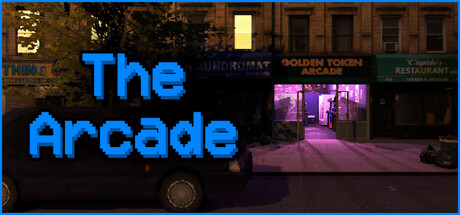 The Arcade In-game content art | Generative AI used for UV editing, and slight modifications to existing works. (80's arcade video game posters modified to avoid using trademarked content) | Colourplay Games | - | Sep 22, 2026 | |
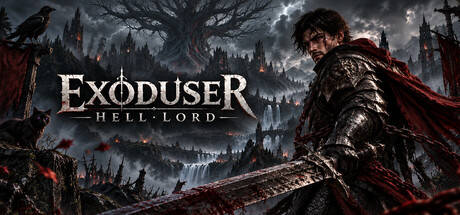 EXODUSER: HELL LORD In-game content artaudio | This game uses generative AI tools to assist in the creation of pre-rendered visual assets (concept art, textures, background illustrations, key visuals), sound effects, and background music. All AI-generated content is reviewed, edited, and curated by the developer before being included in the final build. No AI generation occurs during gameplay, and no external AI services are connected at runtime. | FOR DEAR GAMERS | - | Sep 22, 2026 | |
 Believe In-game content artaudiotext | All game content was created using generative AI, including visuals, 3D models, textures, music, sound effects, and text. Generative AI was also used to create the store descriptions and marketing materials.
The game does not generate AI content during play or connect to external AI services. | NorrbackaFrans | - | Sep 22, 2026 | |
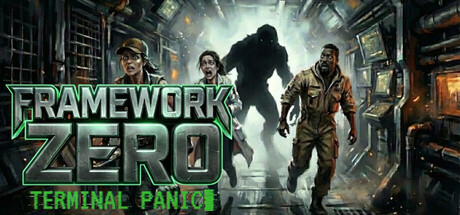 Framework Zero: Terminal Panic In-game content art | Generative AI was used to assist in creating marketing graphics including the store capsule art, the game title logo, and the application icon. | Big Dumb Fun Games | - | Sep 22, 2026 | |
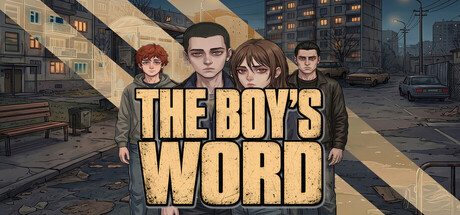 THE BOY'S WORD In-game content art | Part of the game's visual content (location backgrounds and some animated CG scenes) was created using generative neural networks based on references and artistic descriptions developed by the author. | featherbyte | - | Sep 22, 2026 | |
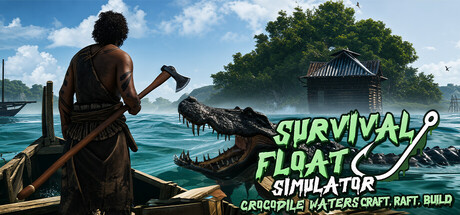 Survival Float Simulator - Crocodile Waters Craft, Raft, Build In-game content art | AI-generated art object | SimulatorMaker Studio | - | Sep 22, 2026 | |
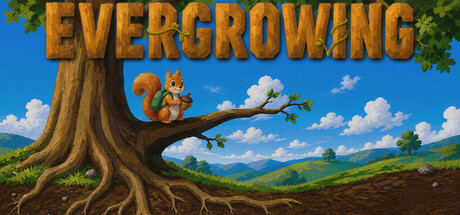 Evergrowing In-game content arttext | The key art and store capsule images were generated with an AI image tool and then revised by hand, and translations were made with AI assistance | Sworeborn | - | Sep 22, 2026 | |
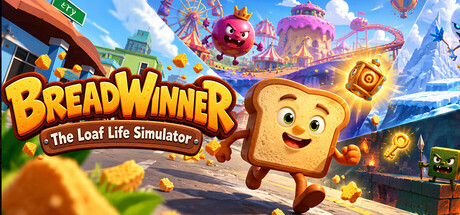 Breadwinner - The Loaf Life Simulator In-game content art | Some of the promotional and storefront images were created with AI tools and then refined by hand. All of the in-game assets were designed by a 3D artist. | SoftwareWizard | - | Sep 22, 2026 | |
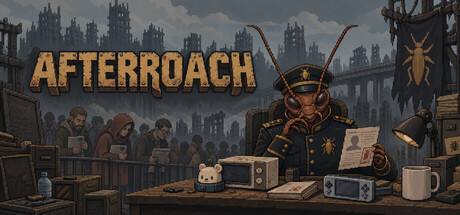 AfterRoach In-game content art | Generative AI was used during development to assist with programming and the creation of some visual assets. AI-generated and AI-assisted content may be included in the final game. | Gavlt | - | Sep 21, 2026 | |
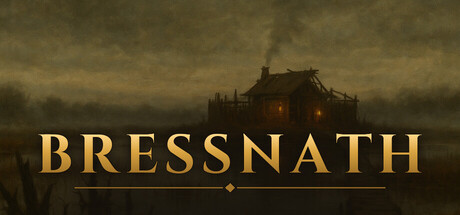 Bressnath In-game content arttextcodeaudio | Generative AI tools were used throughout development: the game's code and its in-game text, the paintings, achievement icons and interface art, the 3D models, and the music and sound effects. Everything was reviewed, edited and tested, and ships as fixed content. Nothing is generated while you play: the game runs no model and makes no network call. | Morass | - | Sep 21, 2026 | |
 The Demon Lurking in Osaka Castle – Episode 1 In-game content arttextcode | Generative AI was used during development for certain supernatural visual elements and pre-rendered video sequences, and to assist with some visual design, UI, localization, code modifications, and limited narrative design. All live-action footage of Osaka Castle Park was filmed on location. No AI-generated content is created during gameplay. | Osaka Games | - | Sep 21, 2026 | |
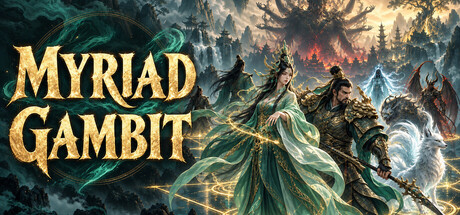 Myriad Gambit In-game content arttext | The game includes pre-generated AI-assisted content, including some character and card illustrations, boss videos, and portions of localized text. These assets are produced during development and included with the game. The game does not request new images, text, or voices from generative AI services during play. | 李斯成 | - | Sep 21, 2026 | |
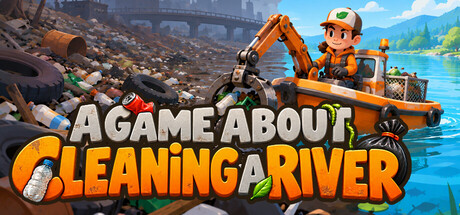 A Game About Cleaning a River Unclear | Some assets | APP1 | - | Sep 21, 2026 | |
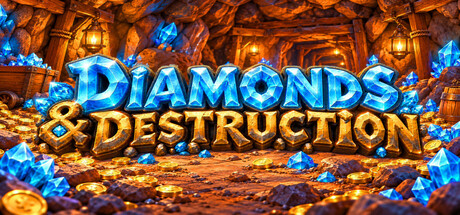 Diamonds & Destruction Unclear artaudio | Some Images
Some Sounds
MUSIK
ICON | SIENTURE | - | Sep 21, 2026 | |
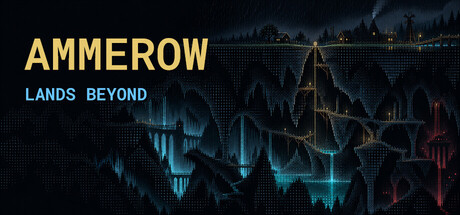 Ammerow: Lands Beyond In-game content audioarttext | The music in Ammerow: Lands Beyond was created with Claude Compose, a bespoke composition system built for this project. Rather than a generative music model, it works like a tireless studio composer: an AI assistant (Anthropic's Claude) writes and runs code that composes each piece note by note — melody, harmony, counterpoint and orchestration derived from music theory — and performs it through real, licensed virtual instruments in a professional DAW (Ableton Live). It then "listens back" by analysing the rendered audio to refine the balance. No generative audio/music model was used, no AI was trained on other artists' recordings, and no track was produced from a prompt. Every note is placed deliberately, and every piece is directed, reviewed and approved by a human. The result is authored, not generated.
The sound effects are an original, human-directed procedural synthesis library. Claude Code assisted in writing custom Python DSP software and individual cue recipes; every waveform was deterministically rendered from mathematical models and recorded seeds. No recordings, performers, samples, stock audio, sample libraries or generative-audio service were used.
Ammerow is designed primarily as a coloured ASCII game. Selected creature, item and shopkeeper illustrations began as AI-generated source images and are converted through a deterministic ASCII-art pipeline. The optional tile mode is a work-in-progress secondary presentation. Its small atlases were programmatically drawn in a custom SDL application using natural-language Codex direction. No generative-image model, inherited tileset, traced artwork or third-party graphical asset was used.
Some narrative, gameplay data and other player-facing material were also developed with AI assistance under human direction and review.
Some Steam marketing backgrounds were created using OpenAI image-generation tools and then selected, reviewed and combined with deterministic Ammerow branding by the developer.
No AI runs while the game is being played. | John Horton | - | Sep 21, 2026 | |
 Eat the Sky In-game content art | Pre-generated content only. Some 2D art assets in the game (planet, star and interface sprites) and the store page capsule artwork were produced using generative AI image tools, then edited, composited, colour-corrected and integrated by hand. No generative AI runs at runtime and no content is generated live during gameplay. All audio is either licensed under Creative Commons with attribution given in-game, or original. | Parahyba Games | - | Sep 21, 2026 | |
 Room Movers In-game content text | Translations were made with the help of AI tools and reviewed. | Ozy Cozy Games | - | Sep 21, 2026 | |
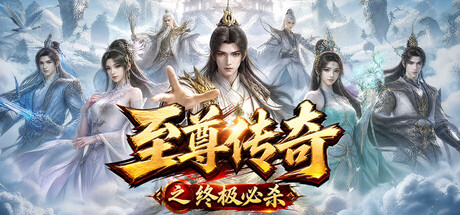 至尊传奇之终极必杀 Store/marketing art | 仅仅使用AI来协助制造宣传素材 | 至尊传奇之终极必杀 | - | Sep 21, 2026 | |
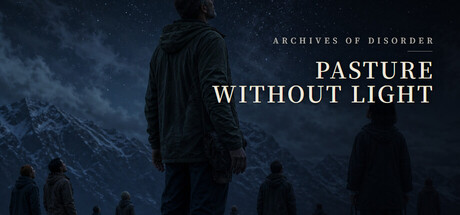 Archives of Disorder - Pasture Without Light In-game content artaudiotext | The story outline, the characters, and the five branching endings were created by hand. On that basis, the script prose, the 357 background illustrations, the soundtrack and the sound effects were generated with AI and individually reviewed by the developer before inclusion; candidates that did not pass were discarded and are not in the game. The English and Japanese translations were produced with AI and spot-checked by the developer. The store artwork and trailer also use AI-generated images.
No AI runs while you play. All content is fixed at release. | Vison | - | Sep 21, 2026 | |
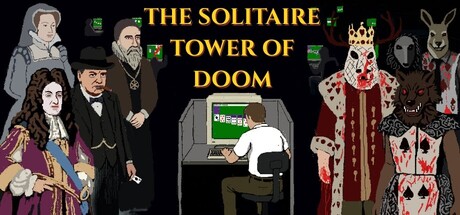 The Solitaire Tower of Doom Dev only code | Only the game's source code was written with the assistance of an AI coding tool. All art, music, writing, and other creative assets were created by hand without generative AI. | emjayhar | - | Sep 21, 2026 | |
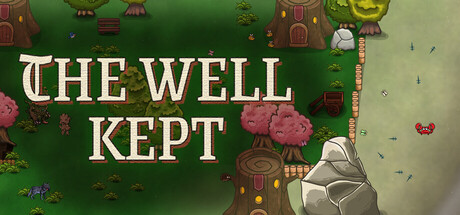 The Well Kept In-game content text | AI translation tools were used to assist with localization from English to other languages.
The original English script was hand written, and no generative AI art, sound, or music was used in the game or promo materials. | Redfar | - | Sep 21, 2026 | |
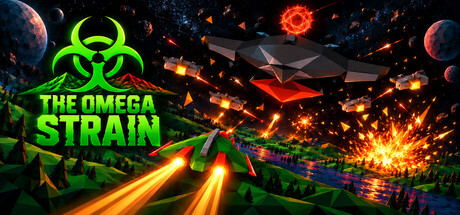 The Omega Strain Store/marketing art | Pre-generated AI-assisted artwork is used for some store/marketing graphical assets. The game does not generate AI content at runtime. All assets are reviewed by the developer before release. | Coincidence of Imagina | - | Sep 21, 2026 | |
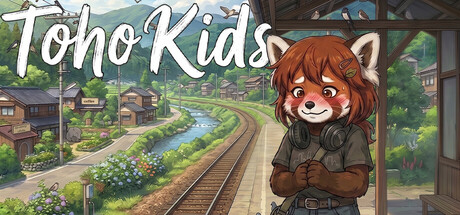 TohoKids In-game content arttext | Almost all graphic elements in the game were created using artificial intelligence tools and subsequently refined in graphic editing software to ensure visual consistency. Non-English translations are generated automatically.
No AI-generated content is created in real time during gameplay. All graphical assets are static and pre-rendered. | MonardoFunClub | - | Sep 20, 2026 | |
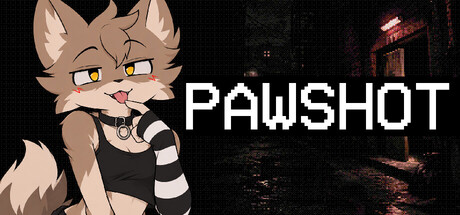 PAWSHOT Unclear art | Some of the graphics were inspired from AI references | DenaZ | - | Sep 19, 2026 | |
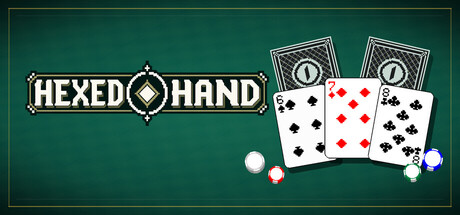 Hexed Hand In-game content textart | Generative AI tools were used during development to assist with some pre-generated text, localization, and promotional/store materials. All AI-assisted content was reviewed and edited by the developer. Hexed Hand does not generate AI content during gameplay and does not connect to external AI services. | Green Wall Studios | - | Sep 19, 2026 | |
 The 31st Student In-game content arttext | Generative AI assisted with selected store and library artwork and some localization text. This content was created before release; the game does not use real-time AI generation. | Threshold Echo | - | Sep 19, 2026 | |
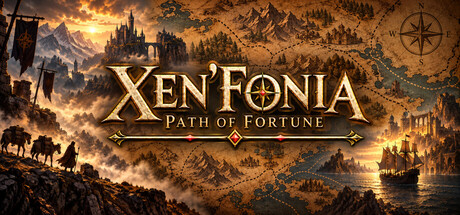 Xen'Fonia: Path of Fortune In-game content arttext | Generative AI tools were used during development to assist with the creation of some pre-generated 2D visual assets, illustrations, and written content drafts. All AI-assisted content is reviewed, edited, and curated by the development team before being included in the game or promotional materials. The game does not use generative AI to create content in real time during gameplay. | CNS Games Studio | - | Sep 19, 2026 |


