Public Steam disclosure research25,380 disclosures tracked
Where do games disclose AI use?
Search developers’ Steam disclosures, compare classified AI use across
games, and follow recorded changes.
This index adds cross-game classifications and statistics to
statements published on individual store pages.
Groups reflect automatic analysis of public disclosures; mature records are excluded. These counts do not measure AI use across all of Steam.
Missing or unclear statements cannot establish whether a game uses AI.
Generative AI tools were used during development to assist with portions of programming and to create selected pre-generated audio and visual assets. These include some character and commentator voice lines and branding artwork. All AI-assisted content was reviewed and integrated by the developer. No generative AI runs during gameplay, and no player input or personal data is sent to AI services.
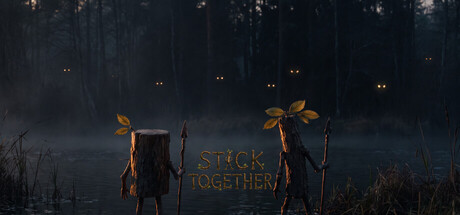
Some environment and concept art in Stick Together was created with the help of generative AI tools, then edited and approved by our team. All visuals are fixed at release, and players cannot generate their own AI content in‑game.
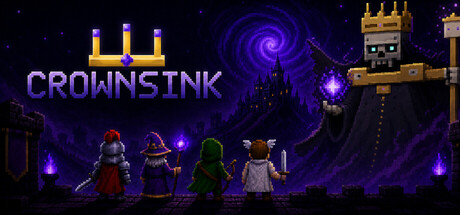
Crownsink is a hand-crafted game built the modern way: the developer writes and directs the code with the support of AI tools, while every sprite, sound and note of music springs from the game's own hand-written algorithms.
AI tools are used to assist with the localization of in-game and store page text into other languages. All translations are reviewed by the development team and improved with community feedback.
Some marketing artwork (store capsules and promotional images) was created with AI assistance, based on the game's own assets, characters and art style. All in-game content, gameplay, art assets and audio design are created by the development team.
MonsterBash includes pre-generated AI-assisted artwork for certain menu backgrounds and between-level illustrations. All AI-generated assets were reviewed, edited, and integrated by the developer. No AI-generated content is created during gameplay.
Generative AI tools were used during development to assist in creating and refining certain pre-generated visual, audio, localization, and promotional materials. All AI-assisted content was reviewed, edited, and curated by the development team before being included in the game or its marketing materials. The game does not generate AI content in real time during gameplay.
Some marketing materials for this game were made with generative AI: the trailer's narration uses an AI text-to-speech voice, and parts of this store page were drafted with AI assistance.
Nothing inside the game is AI-generated. The soundtrack is human-composed music licensed for commercial use, all artwork and logos are drawn programmatically by the game's own code, and every screenshot is captured from real gameplay. The game generates no AI content while you play.
Generative AI tools were used to create part of this game's visual assets: 2D unit and building sprites, terrain textures, background art, and 3D models. Some store page and marketing images were created the same way. Every generated asset was selected, edited and assembled by hand, and the game generates no content at runtime.
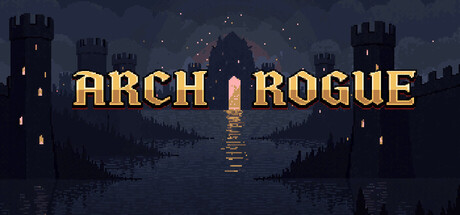
Arch Rogue was developed with extensive use of generative AI. Most of the game's code was written with AI assistance. The pixel-art sprites, tiles, animations, and store artwork were created with AI image-generation tools and then curated and integrated by the developer. Dialogue, quest text, and lore were AI-generated from developer-designed prompts and story structure. All AI content is created during development, not at runtime — the game does not generate any content with AI at runtime.
I used Grok CLI for coding and all sprite generation. I use AI to debug.
There are AI generated videos in the tutorial sections.
AI was used to implement sound and music as well as menu assets and backgrounds.
No AI LLM is in the game. There is no real time AI asset generation or LLM streaming.
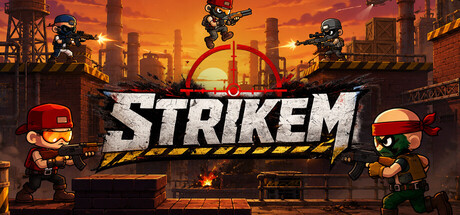
STRIKEM uses generative AI for some illustrated background art only. All gameplay sprites — characters, enemies, and tilesets — were hand-created without AI. All assets are pre-generated; nothing is AI-generated at runtime.
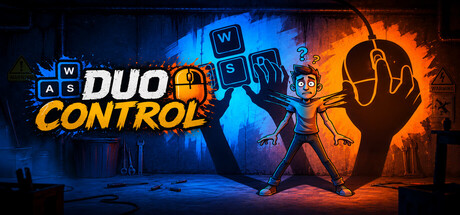
Some visual assets and promotional artwork used in DuoControl were created or assisted using generative AI and were further refined by our development team. No generative AI is used during gameplay, and players cannot generate AI content within the game.
Narrative dialogue and story text were generated with AI assistance. Placeholder textures generated with AI appear in store page screenshots and marketing assets.
We are a small two-person studio. We apologize for using generative AI to assist with the translation and for any inaccuracies that may be present. We used it to make the game available in this language.
Some of this game's assets were made with the assistance of generative AI tools and were reviewed, curated and hand-finished by the developer. No content is generated while you play.
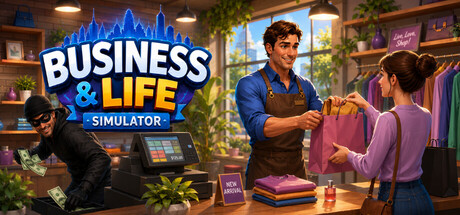
Business And Life Simulator, uses generative AI-assisted artwork in some packaging visuals for in-game products/items. Generative AI is not used in any other part of the game, and we are working to remove these AI-assisted visuals before the full release.
Generative AI was used to create some pre-rendered marketing and store page artwork, including capsule images and promotional graphics. These assets were reviewed and selected by the developer before use. The game does not use live-generated AI content during gameplay.
Generative AI was used to assist in creating certain promotional and store page artwork. All AI-generated content was reviewed, edited, and refined by the developer. No generative AI is used during gameplay.
This game uses pre-generated AI-assisted content during development, including some artwork and visual assets. All AI-generated content has been reviewed, edited, and integrated by the developer. The game does not generate AI content during gameplay.
Generative AI was used during pre-production to create early concept sketches, used purely as visual inspiration and reference. None of these initial AI-generated images appear in the final game, all art assets were subsequently created and replaced by the development team. Generative AI tools were also used to assist with writing portions of the game's code and with translating the game's text into other languages. In all cases, all output was reviewed, tested, and approved by human developers before being used in the final product.
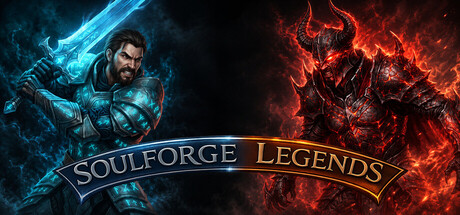
Some of the art in SoulForge Legends was created with the help of generative AI tools. All of it was generated during development, then reviewed, edited and assembled by hand before shipping. Nothing is generated live while you play, and the game never sends your input to an AI service.
We use AI tools only to demonstrate the game's feel, for marketing materials, and to optimise development. 3D models, UI, characters, robot enemies, the main soundtrack and other key elements of the game are lovingly crafted by our team.
Yes, we're not the fastest indie developers in the world. But we're working hard for you! ^_^
GloomDelve's visuals, audio, and dungeons are generated procedurally by hand-written code; calculated geometry, synthesized sound, and deterministic seed-based level generation, not by generative AI. Generative AI tools were used during development to assist with translating the interface into non-English languages. The game generates no content at runtime and connects to no AI service while you play. Every run is produced by the same deterministic procedural systems.
During the development of the game, generative AI tools were used to create some decorative props and certain sound effects. All AI-generated content was reviewed, edited, and manually integrated by the developer to ensure consistency with the game's artistic style and quality standards. Artificial intelligence was not used to generate gameplay code or core gameplay mechanics.
Generative AI was used to assist in creating certain promotional and store page artwork. All AI-generated content was reviewed, edited, and refined by the developer. No generative AI is used during gameplay.
Generative AI was used to assist in creating certain promotional and store page artwork. All AI-generated content was reviewed, edited, and refined by the developer. No generative AI is used during gameplay.
The only AI assistance we used was for brainstorming and polishing the wording of the Steam store page description/marketing copy. AI was not used to generate visual assets or in-game content
AI tools were used only during the concept development stages. All final content was reviewed and edited by the development team. All artwork used on the Steam store page was created by freelance 2D artists.
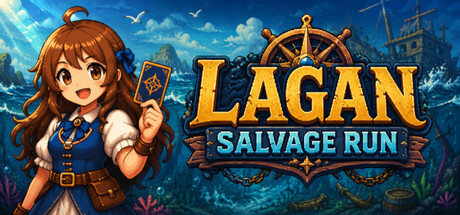
All visual assets and store page copy that ship with the product were created using generative AI tools during development, then reviewed and edited by the developer. This includes: card illustrations, creature and hazard art, UI iconography, and backgrounds within the game; the Steam capsule and header images; and the written store page description. Store page screenshots are unaltered captures of the running game. No content is generated at runtime; all assets are static and baked into the build. Procedural systems in the game (seeded board layout, salvage rolls) are deterministic algorithms, not generative AI.
Some 2D art assets in this game (such as item and relic icons) were created with the assistance of generative AI image tools. All AI-assisted assets are reviewed and edited by the developer before being included in the game. No AI content is generated during gameplay.
AI-assisted tools were used during development to help produce some 2D art assets (character and enemy artwork, UI icons), sound effects, voice lines, and supporting code. All AI-assisted content was created before release and reviewed by the development team. The game does not generate any content or code in real time during gameplay, and it does not connect to any external AI service while playing.
Generative AI tools were used during development to assist with portions of programming and to create selected pre-generated audio and visual assets. These include some character and commentator voice lines and branding artwork. All AI-assisted content was reviewed and integrated by the developer. No generative AI runs during gameplay, and no player input or personal data is sent to AI services.
Some environment and concept art in Stick Together was created with the help of generative AI tools, then edited and approved by our team. All visuals are fixed at release, and players cannot generate their own AI content in‑game.
Crownsink is a hand-crafted game built the modern way: the developer writes and directs the code with the support of AI tools, while every sprite, sound and note of music springs from the game's own hand-written algorithms.
AI tools are used to assist with the localization of in-game and store page text into other languages. All translations are reviewed by the development team and improved with community feedback.
Some marketing artwork (store capsules and promotional images) was created with AI assistance, based on the game's own assets, characters and art style. All in-game content, gameplay, art assets and audio design are created by the development team.
MonsterBash includes pre-generated AI-assisted artwork for certain menu backgrounds and between-level illustrations. All AI-generated assets were reviewed, edited, and integrated by the developer. No AI-generated content is created during gameplay.
Generative AI tools were used during development to assist in creating and refining certain pre-generated visual, audio, localization, and promotional materials. All AI-assisted content was reviewed, edited, and curated by the development team before being included in the game or its marketing materials. The game does not generate AI content in real time during gameplay.
Some marketing materials for this game were made with generative AI: the trailer's narration uses an AI text-to-speech voice, and parts of this store page were drafted with AI assistance.
Nothing inside the game is AI-generated. The soundtrack is human-composed music licensed for commercial use, all artwork and logos are drawn programmatically by the game's own code, and every screenshot is captured from real gameplay. The game generates no AI content while you play.
Generative AI tools were used to create part of this game's visual assets: 2D unit and building sprites, terrain textures, background art, and 3D models. Some store page and marketing images were created the same way. Every generated asset was selected, edited and assembled by hand, and the game generates no content at runtime.
Arch Rogue was developed with extensive use of generative AI. Most of the game's code was written with AI assistance. The pixel-art sprites, tiles, animations, and store artwork were created with AI image-generation tools and then curated and integrated by the developer. Dialogue, quest text, and lore were AI-generated from developer-designed prompts and story structure. All AI content is created during development, not at runtime — the game does not generate any content with AI at runtime.
I used Grok CLI for coding and all sprite generation. I use AI to debug.
There are AI generated videos in the tutorial sections.
AI was used to implement sound and music as well as menu assets and backgrounds.
No AI LLM is in the game. There is no real time AI asset generation or LLM streaming.
STRIKEM uses generative AI for some illustrated background art only. All gameplay sprites — characters, enemies, and tilesets — were hand-created without AI. All assets are pre-generated; nothing is AI-generated at runtime.
Some visual assets and promotional artwork used in DuoControl were created or assisted using generative AI and were further refined by our development team. No generative AI is used during gameplay, and players cannot generate AI content within the game.
Narrative dialogue and story text were generated with AI assistance. Placeholder textures generated with AI appear in store page screenshots and marketing assets.
We are a small two-person studio. We apologize for using generative AI to assist with the translation and for any inaccuracies that may be present. We used it to make the game available in this language.
Some of this game's assets were made with the assistance of generative AI tools and were reviewed, curated and hand-finished by the developer. No content is generated while you play.
Business And Life Simulator, uses generative AI-assisted artwork in some packaging visuals for in-game products/items. Generative AI is not used in any other part of the game, and we are working to remove these AI-assisted visuals before the full release.
Generative AI was used to create some pre-rendered marketing and store page artwork, including capsule images and promotional graphics. These assets were reviewed and selected by the developer before use. The game does not use live-generated AI content during gameplay.
Generative AI was used to assist in creating certain promotional and store page artwork. All AI-generated content was reviewed, edited, and refined by the developer. No generative AI is used during gameplay.
This game uses pre-generated AI-assisted content during development, including some artwork and visual assets. All AI-generated content has been reviewed, edited, and integrated by the developer. The game does not generate AI content during gameplay.
Generative AI was used during pre-production to create early concept sketches, used purely as visual inspiration and reference. None of these initial AI-generated images appear in the final game, all art assets were subsequently created and replaced by the development team. Generative AI tools were also used to assist with writing portions of the game's code and with translating the game's text into other languages. In all cases, all output was reviewed, tested, and approved by human developers before being used in the final product.
Some of the art in SoulForge Legends was created with the help of generative AI tools. All of it was generated during development, then reviewed, edited and assembled by hand before shipping. Nothing is generated live while you play, and the game never sends your input to an AI service.
We use AI tools only to demonstrate the game's feel, for marketing materials, and to optimise development. 3D models, UI, characters, robot enemies, the main soundtrack and other key elements of the game are lovingly crafted by our team.
Yes, we're not the fastest indie developers in the world. But we're working hard for you! ^_^
GloomDelve's visuals, audio, and dungeons are generated procedurally by hand-written code; calculated geometry, synthesized sound, and deterministic seed-based level generation, not by generative AI. Generative AI tools were used during development to assist with translating the interface into non-English languages. The game generates no content at runtime and connects to no AI service while you play. Every run is produced by the same deterministic procedural systems.
During the development of the game, generative AI tools were used to create some decorative props and certain sound effects. All AI-generated content was reviewed, edited, and manually integrated by the developer to ensure consistency with the game's artistic style and quality standards. Artificial intelligence was not used to generate gameplay code or core gameplay mechanics.
Generative AI was used to assist in creating certain promotional and store page artwork. All AI-generated content was reviewed, edited, and refined by the developer. No generative AI is used during gameplay.
Generative AI was used to assist in creating certain promotional and store page artwork. All AI-generated content was reviewed, edited, and refined by the developer. No generative AI is used during gameplay.
The only AI assistance we used was for brainstorming and polishing the wording of the Steam store page description/marketing copy. AI was not used to generate visual assets or in-game content
AI tools were used only during the concept development stages. All final content was reviewed and edited by the development team. All artwork used on the Steam store page was created by freelance 2D artists.
All visual assets and store page copy that ship with the product were created using generative AI tools during development, then reviewed and edited by the developer. This includes: card illustrations, creature and hazard art, UI iconography, and backgrounds within the game; the Steam capsule and header images; and the written store page description. Store page screenshots are unaltered captures of the running game. No content is generated at runtime; all assets are static and baked into the build. Procedural systems in the game (seeded board layout, salvage rolls) are deterministic algorithms, not generative AI.
Some 2D art assets in this game (such as item and relic icons) were created with the assistance of generative AI image tools. All AI-assisted assets are reviewed and edited by the developer before being included in the game. No AI content is generated during gameplay.
AI-assisted tools were used during development to help produce some 2D art assets (character and enemy artwork, UI icons), sound effects, voice lines, and supporting code. All AI-assisted content was created before release and reviewed by the development team. The game does not generate any content or code in real time during gameplay, and it does not connect to any external AI service while playing.