Public Steam disclosure research25,380 disclosures tracked
Where do games disclose AI use?
Search developers’ Steam disclosures, compare classified AI use across
games, and follow recorded changes.
This index adds cross-game classifications and statistics to
statements published on individual store pages.
Groups reflect automatic analysis of public disclosures; mature records are excluded. These counts do not measure AI use across all of Steam.
Missing or unclear statements cannot establish whether a game uses AI.
This game used AI-assisted tools in the following areas:
Achievement icons: AI-assisted generation
Some game code: AI-assisted writing
Game design, gameplay logic, balancing, core systems, and final testing were done entirely by humans.
GridIron Grit is made with love, for us hardcore football sim fans, but AI did much of the heavy lifting.
AI helped me bring my dream game to life, writing code and generating game assets.
The game itself uses no generative AI within.
This game uses AI-generated content for marketing and
promotional materials, including the game trailer, teaser,
Steam capsule images, title images, and other marketing assets.
Most of the AI-generated images were additionally edited and
refined by our team using artistic and creative techniques
to better fit the game's visual style.
The AI-generated content is limited to external marketing
materials only. All actual gameplay, game mechanics, and
in-game content were created by the development team.
AI tools were used during development.
The interface translations (English, French, German, Italian and Portuguese) and the log translations were generated with AI assistance, under the developer's direction and with human review. The game does not generate AI content at runtime.
This game and its store page assets utilize pre-generated AI technology (such as assisting in the creation of character art, background assets, and promotional images). All AI-assisted content complies with copyright policies and has undergone extensive manual refinement, optimization, and quality control by the development team before being integrated into the game or store page to ensure the best possible player experience.
- Character photos and video clips shown in the in-game Stories feed were generated using AI tools (image and video generation), then reviewed, edited, and composited by the developer to fit the game's art direction.
- AI-assisted tools were used in parts of the development process.
Generative AI was used to assist in the creation of the game’s promotional videos and most of its art assets. All puzzles in the game were manually designed and created by the development team.
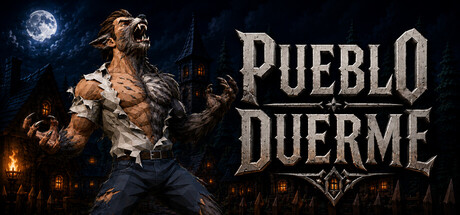
Pueblo Duerme uses generative AI during gameplay to create short in-game text chat messages for bot players in social deduction matches. The game includes local Qwen3 GGUF models that run on the player's PC through a local llama-server process, with Quality and Performance modes available in the settings menu. Player messages are not sent to an external AI service. The system is limited to gameplay dialogue and uses validation and fallback responses to keep messages within the game's rules.
This game uses pre-generated generative AI content to assist with select 2D artwork, UI elements, and/or marketing materials. This content was reviewed and, where necessary, edited by the developer. No content is generated live by AI during gameplay.
I don't know how to code, and I only speak two languages (both badly, if I'm being honest). To actually get this game running properly and make it playable, I had to use AI as a technical assistant.
I wrestled with the ethics of this because I care deeply about the line between tools and art. If this game makes any money, it will go straight into hiring professional programmers, artists, and translators.
Thank you.
Generative AI tools were used as an aid in creating this store page description and its translations into each language (all reviewed and edited by the developer).
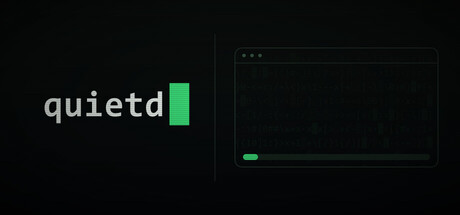
quietd does not generate any content using AI during gameplay, and it does not connect to any external AI services.
In this work, much of the text is interactively generated by a language generation AI. In addition, language generation AI is used for various judgments on the text entered by players. Furthermore, all the illustrations in this work are created using image generation AI.
The art, music, and writing in this game were created with AI tools during development, directed by the developer through written prompts. The development process is documented publicly, prompt by prompt. The shipped game contains no live or runtime AI generation — the in-game assistant “Aya” is a hand-authored, deterministic simulation, and the game makes no network or model calls during play.
Generative AI assisted with: English localization (AI-translated, developer-reviewed),
some store-page capsule art (generated programmatically), and store-page description text.
No AI runs live/at runtime in the game. Core code, game design and original in-game
sprite art were made by the developer.
Some visual assets used in the game, including selected 2D artwork and UI graphics, were created with the assistance of generative AI. All AI-generated content has been reviewed, edited, and integrated by the developer to ensure consistency with the game's artistic vision.
AI Content Disclosure
During development, this game used generative AI tools to create some of its content:
Music: The background music was created using the AI music-generation tool Suno.
Code: Some of the code was written with the assistance of AI tools.
Images: Some of the artwork and icons were created using AI image-generation tools.
All AI-generated content was selected, adjusted, and integrated into the game by the developer, and was pre-generated (completed during development). No AI content is generated in real time while the game is running.
The majority of this game's assets are human created. However during the development process, AI-based tools were used to assist further with selective content creation. The final product is highly reflective of the vision and creativity of the team.
AI-generated art assets are used in this game. All such assets have been manually reviewed and adjusted to ensure a consistent visual style and quality.
The in-game music and soundtrack are created using Suno (generative AI). All visual art is produced procedurally through code. Development used an AI coding assistant (Claude), which is a development-efficiency tool; it does not generate any content live at runtime. No generative AI runs during gameplay.
Some backgrounds and sprites in this game have been generated or edited using artificial intelligence tools. Various visual elements, including modified images and photographs, are combined to create a deliberately disturbing and unsettling atmosphere.
Generative AI was used only during early visual concepting and ideation for some marketing art directions. The game itself, its mechanics, levels, code, UI, and final gameplay assets are created and edited by the developer.
Almost the entire game uses traditional assets made by people. Artificial intelligence was only used as an aid to create some music, sound effects, images, and translations.
Artificial intelligence was used as a supporting tool to help organize the project, structure ideas, and assist throughout development. The game's design, gameplay, programming, and all creative decisions were created by the developer.
Generative AI tools were used to help create some of the 2D store and marketing graphics (e.g. store capsule images). These assets were reviewed and finalized by the developer, who holds the rights to use them. No generative AI is used for content inside the game, and no AI-generated content is produced live during gameplay.
I took human-made photographs, edited them by hand, then used AI to apply a consistent art style among them in batches so they all look thematically related
The game's music tracks were generated using AI tools (ElevenLabs Music, on a paid commercial plan, and Stable Audio Open) and were curated and edited by the developer. Key art and some promotional images were created with AI image generation (Stable Diffusion) and reviewed by the developer. All gameplay visuals, game design, and code are original work. No AI content is generated at runtime.
AI-assisted tools were only used during the creation of certain visual assets. These assets were reviewed, edited, modified, and integrated by the developer. The game's story, characters, world, gameplay design, dialogue, and creative direction were entirely created by the developer.
Marketing key art (Steam store capsules, library art, page background) and the comic-book intro trailer were generated using Fal.ai's Flux 2 image diffusion model. Initial concept sketches and in-game sprite references were generated using ChatGPT's image generation, then hand-cleaned and integrated by the developer. All assets are pre-rendered at build time and shipped as static files within the game package - no generative AI runs during gameplay, and no AI is used to generate live content for players. AI was not used for code, voice acting, music, or any system that interacts with the player at runtime.
This game used generative AI tools during development to assist with: (1) some artwork such as the title illustration, (2) in-game text including newspaper headlines and stock descriptions, and (3) Korean/English localization. All AI-assisted output was reviewed and edited by the developer. The game does not generate any AI content at runtime (all pre-generated).
The artwork, background music, in-game text and story, localizations into all supported languages, and store-page text in this game were created using generative AI tools, then curated, edited, and assembled by the developer. The game contains no live AI generation — all content is fixed and produced ahead of release.
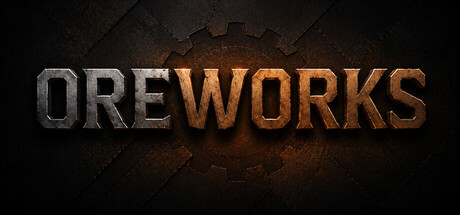
Oreworks contains AI-generated content. Like in-game visual assets and programming assistance during developement.
All AI-generated content was manually reviewed, curated and intetegrated by the developer.
Penko Vox: Japanese uses local generative AI to power its immersive language learning experience. An integrated Large Language Model (LLM) acts as a native Japanese tutor, generating real-time dialogue based on user input, while a Neural Text-to-Speech (TTS) engine synthesizes high-fidelity Japanese audio for listening practice.
This game uses images created with AI generation tools — including NPC photos and portraits, and some store and promotional artwork. All such content has been reviewed by the developer to ensure it contains no illegal or infringing material.
Some audio assets in this game (music and sound effects) were created with the assistance of AI-based generation tools. All AI-generated content was reviewed by the developer to ensure it is appropriate and does not infringe third-party rights.
This game used AI-assisted tools in the following areas:
Achievement icons: AI-assisted generation
Some game code: AI-assisted writing
Game design, gameplay logic, balancing, core systems, and final testing were done entirely by humans.
GridIron Grit is made with love, for us hardcore football sim fans, but AI did much of the heavy lifting.
AI helped me bring my dream game to life, writing code and generating game assets.
The game itself uses no generative AI within.
This game uses AI-generated content for marketing and
promotional materials, including the game trailer, teaser,
Steam capsule images, title images, and other marketing assets.
Most of the AI-generated images were additionally edited and
refined by our team using artistic and creative techniques
to better fit the game's visual style.
The AI-generated content is limited to external marketing
materials only. All actual gameplay, game mechanics, and
in-game content were created by the development team.
AI tools were used during development.
The interface translations (English, French, German, Italian and Portuguese) and the log translations were generated with AI assistance, under the developer's direction and with human review. The game does not generate AI content at runtime.
This game and its store page assets utilize pre-generated AI technology (such as assisting in the creation of character art, background assets, and promotional images). All AI-assisted content complies with copyright policies and has undergone extensive manual refinement, optimization, and quality control by the development team before being integrated into the game or store page to ensure the best possible player experience.
- Character photos and video clips shown in the in-game Stories feed were generated using AI tools (image and video generation), then reviewed, edited, and composited by the developer to fit the game's art direction.
- AI-assisted tools were used in parts of the development process.
Generative AI was used to assist in the creation of the game’s promotional videos and most of its art assets. All puzzles in the game were manually designed and created by the development team.
Pueblo Duerme uses generative AI during gameplay to create short in-game text chat messages for bot players in social deduction matches. The game includes local Qwen3 GGUF models that run on the player's PC through a local llama-server process, with Quality and Performance modes available in the settings menu. Player messages are not sent to an external AI service. The system is limited to gameplay dialogue and uses validation and fallback responses to keep messages within the game's rules.
This game uses pre-generated generative AI content to assist with select 2D artwork, UI elements, and/or marketing materials. This content was reviewed and, where necessary, edited by the developer. No content is generated live by AI during gameplay.
I don't know how to code, and I only speak two languages (both badly, if I'm being honest). To actually get this game running properly and make it playable, I had to use AI as a technical assistant.
I wrestled with the ethics of this because I care deeply about the line between tools and art. If this game makes any money, it will go straight into hiring professional programmers, artists, and translators.
Thank you.
Generative AI tools were used as an aid in creating this store page description and its translations into each language (all reviewed and edited by the developer).
quietd does not generate any content using AI during gameplay, and it does not connect to any external AI services.
In this work, much of the text is interactively generated by a language generation AI. In addition, language generation AI is used for various judgments on the text entered by players. Furthermore, all the illustrations in this work are created using image generation AI.
The art, music, and writing in this game were created with AI tools during development, directed by the developer through written prompts. The development process is documented publicly, prompt by prompt. The shipped game contains no live or runtime AI generation — the in-game assistant “Aya” is a hand-authored, deterministic simulation, and the game makes no network or model calls during play.
Generative AI assisted with: English localization (AI-translated, developer-reviewed),
some store-page capsule art (generated programmatically), and store-page description text.
No AI runs live/at runtime in the game. Core code, game design and original in-game
sprite art were made by the developer.
Some visual assets used in the game, including selected 2D artwork and UI graphics, were created with the assistance of generative AI. All AI-generated content has been reviewed, edited, and integrated by the developer to ensure consistency with the game's artistic vision.
AI Content Disclosure
During development, this game used generative AI tools to create some of its content:
Music: The background music was created using the AI music-generation tool Suno.
Code: Some of the code was written with the assistance of AI tools.
Images: Some of the artwork and icons were created using AI image-generation tools.
All AI-generated content was selected, adjusted, and integrated into the game by the developer, and was pre-generated (completed during development). No AI content is generated in real time while the game is running.
The majority of this game's assets are human created. However during the development process, AI-based tools were used to assist further with selective content creation. The final product is highly reflective of the vision and creativity of the team.
AI-generated art assets are used in this game. All such assets have been manually reviewed and adjusted to ensure a consistent visual style and quality.
The in-game music and soundtrack are created using Suno (generative AI). All visual art is produced procedurally through code. Development used an AI coding assistant (Claude), which is a development-efficiency tool; it does not generate any content live at runtime. No generative AI runs during gameplay.
Some backgrounds and sprites in this game have been generated or edited using artificial intelligence tools. Various visual elements, including modified images and photographs, are combined to create a deliberately disturbing and unsettling atmosphere.
Generative AI was used only during early visual concepting and ideation for some marketing art directions. The game itself, its mechanics, levels, code, UI, and final gameplay assets are created and edited by the developer.
Almost the entire game uses traditional assets made by people. Artificial intelligence was only used as an aid to create some music, sound effects, images, and translations.
Artificial intelligence was used as a supporting tool to help organize the project, structure ideas, and assist throughout development. The game's design, gameplay, programming, and all creative decisions were created by the developer.
Generative AI tools were used to help create some of the 2D store and marketing graphics (e.g. store capsule images). These assets were reviewed and finalized by the developer, who holds the rights to use them. No generative AI is used for content inside the game, and no AI-generated content is produced live during gameplay.
I took human-made photographs, edited them by hand, then used AI to apply a consistent art style among them in batches so they all look thematically related
The game's music tracks were generated using AI tools (ElevenLabs Music, on a paid commercial plan, and Stable Audio Open) and were curated and edited by the developer. Key art and some promotional images were created with AI image generation (Stable Diffusion) and reviewed by the developer. All gameplay visuals, game design, and code are original work. No AI content is generated at runtime.
AI-assisted tools were only used during the creation of certain visual assets. These assets were reviewed, edited, modified, and integrated by the developer. The game's story, characters, world, gameplay design, dialogue, and creative direction were entirely created by the developer.
Marketing key art (Steam store capsules, library art, page background) and the comic-book intro trailer were generated using Fal.ai's Flux 2 image diffusion model. Initial concept sketches and in-game sprite references were generated using ChatGPT's image generation, then hand-cleaned and integrated by the developer. All assets are pre-rendered at build time and shipped as static files within the game package - no generative AI runs during gameplay, and no AI is used to generate live content for players. AI was not used for code, voice acting, music, or any system that interacts with the player at runtime.
This game used generative AI tools during development to assist with: (1) some artwork such as the title illustration, (2) in-game text including newspaper headlines and stock descriptions, and (3) Korean/English localization. All AI-assisted output was reviewed and edited by the developer. The game does not generate any AI content at runtime (all pre-generated).
The artwork, background music, in-game text and story, localizations into all supported languages, and store-page text in this game were created using generative AI tools, then curated, edited, and assembled by the developer. The game contains no live AI generation — all content is fixed and produced ahead of release.
Oreworks contains AI-generated content. Like in-game visual assets and programming assistance during developement.
All AI-generated content was manually reviewed, curated and intetegrated by the developer.
Penko Vox: Japanese uses local generative AI to power its immersive language learning experience. An integrated Large Language Model (LLM) acts as a native Japanese tutor, generating real-time dialogue based on user input, while a Neural Text-to-Speech (TTS) engine synthesizes high-fidelity Japanese audio for listening practice.
This game uses images created with AI generation tools — including NPC photos and portraits, and some store and promotional artwork. All such content has been reviewed by the developer to ensure it contains no illegal or infringing material.
Some audio assets in this game (music and sound effects) were created with the assistance of AI-based generation tools. All AI-generated content was reviewed by the developer to ensure it is appropriate and does not infringe third-party rights.