Public Steam disclosure research25,380 disclosures tracked
Where do games disclose AI use?
Search developers’ Steam disclosures, compare classified AI use across
games, and follow recorded changes.
This index adds cross-game classifications and statistics to
statements published on individual store pages.
Groups reflect automatic analysis of public disclosures; mature records are excluded. These counts do not measure AI use across all of Steam.
Missing or unclear statements cannot establish whether a game uses AI.
Most character avatars, icons and in-game buildings are generated or modified with AI tools. Building names and certain text content are AI-generated, while all remaining assets are manually created.
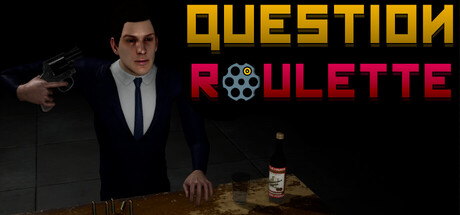
Some in-game visual assets and trivia/ranking question data were created with the assistance of generative AI tools. All AI-assisted content was reviewed, edited, and curated by the developer before being included in the game.
"AI tools (Leonardo AI) were used to generate some concept art and UI textures during development. AI tools (Gemini) were used to generate background music assets. All assets were pre-generated before being integrated into the game."
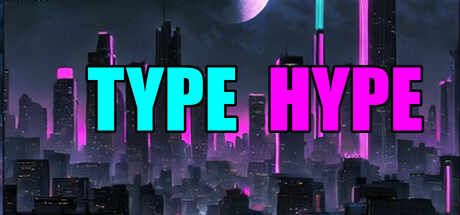
TYPE HYPE's static visual assets — the main-menu skyline background, achievement icons (34 color + 34 grayscale variants = 68 PNGs), exhibition-level theme backgrounds (15 themes × 6 layer files = 90 PNGs), and Steam capsule backgrounds — were created with the assistance of generative AI image tools (primarily OpenAI's GPT image generation). All AI-generated assets were curated, selected, and approved by the developer. No AI runs at runtime in the shipped product. Music (59 tracks) is human-composed and sourced from Pixabay under the Pixabay Content License. Code was written collaboratively by the developer with an AI coding assistant. The game contains no AI-generated content shown to players during gameplay (procedural music layering is rule-based, not AI).
AI tools were used to generate store/marketing illustrations (capsule, hero, banners, trailer). All in-game graphics are procedurally generated in real time and do not use AI
Some visual assets and parts of the development workflow for Forest of Numbers were created with the assistance of generative artificial intelligence tools. All content was curated, reviewed, and refined by the developer before being included in the final game.
AI-assisted translation software was used to translate the game's text interface and trivia questions from the original English into other supported languages. The original English script was entirely hand-crafted by humans, and the AI was utilized strictly to make the game accessible to a wider global audience at launch.
Generative AI was utilized exclusively during development to assist with writing and optimizing code. The game does not contain any AI-generated art, music, or other in-game assets.
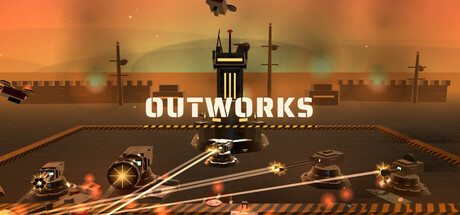
OUTWORKS was developed with the help of AI-based coding assistants, which we used to write parts of the game's source code. Everything you see and hear in the game is then generated procedurally by that code — all graphics are drawn in code (SVG/CSS) and all sound is synthesized in code (Web Audio). The game contains no AI-generated image or audio assets, and no generative AI runs while you play.
Some of the visual elements and promotional materials for “Bubble Dogs” were created using generative AI tools and then manually refined, selected, modified, and integrated by the developer as part of the game's artistic production process.
We used generative AI tools to assist in drafting, translating, and optimizing the text for the store page and marketing materials. All final content has been reviewed and refined by the developer.
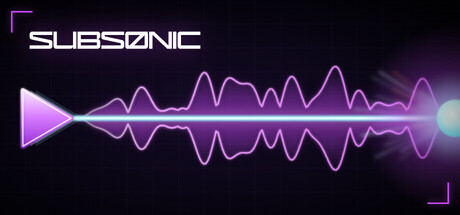
Generative AI was used to assist in writing and editing some of Subsønic's text, including portions of this store page and its marketing copy. The game's visual art is procedurally generated through code (algorithmic, not generative AI), and its music and sound are licensed or procedurally synthesized.
Generative AI tools were used during development to assist with some Steam store capsule artwork and promotional visual drafts. These AI-assisted images were used only as part of the store page and marketing artwork workflow.
All final assets were reviewed, selected, and edited by the developer to make sure they match the game’s visual style and do not contain illegal, infringing, or inappropriate content.
The game itself does not use generative AI during gameplay.
AI-generated tools were used in the creation of some marketing artwork, a portion of the user interface elements, and certain audio elements. All AI-generated content was reviewed, edited, and integrated into the game by the developer.
Some of the background music in Hold It In comes from a commercially-licensed third-party music pack bought from itch.io ("Hell Metal Songs" by thc555) that was created with AI-assisted music tools. All other audio (voice, sound effects), all art, and all game code were created without generative AI. No AI-generated content is created live during gameplay.
This game utilizes generative AI technology during development. The game's program code, art assets (including characters, scenes, and props), as well as music/sound effects, were generated with the assistance of AI. Game design, project management, gameplay conception, overall development, testing, and debugging were all performed by a human developer. All AI-generated content has been manually curated, modified, and integrated to align with the game's cultural theme and quality standards.
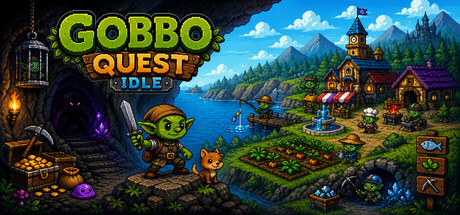
Gobbo Quest Idle contains pre-generated content created with the assistance of generative artificial intelligence, including visual assets used within the game and on its store page. The game's design, gameplay systems, progression, and implementation were developed by the creator.
AI tools helped making some textures and part of the translations. The game itself runs no AI: nothing is generated while you play, and it never connects to an online service.
Some of this game's in-game text, including character dialogue and narrative/flavor writing was created with the help of generative AI tools during development, then reviewed and edited by the developer before release. The game's visual art is generated procedurally (algorithmically, not by AI). BrainRot Defender does not generate any content using AI in real time during gameplay, and does not connect to any external AI services.
Generative AI was used as a development assistant for pre-release asset iteration, writing support, localization drafts, ideation and productivity tasks. Some visual assets and draft text/assets may have been assisted or iterated with generative AI before being reviewed and integrated into the game. This content is static and does not generate new content at runtime. The game does not use live generative AI to create content during gameplay. No player prompts are sent to an AI service at runtime. AI-assisted material is reviewed manually before inclusion. It is adjusted to match the game's style, naming, tone and technical requirements, and content that would be inappropriate, infringing or inconsistent with the project is not intentionally included.
Dance Floor VR uses some pre-generated AI-assisted content for selected visual assets and music/audio elements. All such content was reviewed and integrated by the developer. The game does not generate AI content during gameplay and does not connect to external AI services.
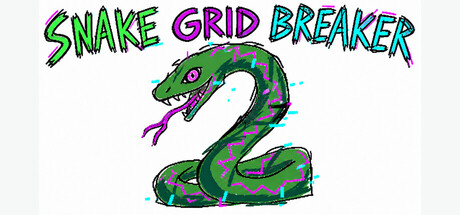
Generative AI was used as one of many development tools while creating Snake: Gridbreaker.
As a solo developer, I used it to support programming, localization, UI work, visual assets, icons, and the development of quality-of-life and accessibility improvements.
Every AI-assisted element was reviewed, edited, tested, and implemented by me. I designed the game, its mechanics, progression, and creative direction, and I remain fully responsible for the final experience.
The game does not generate content with AI during gameplay.
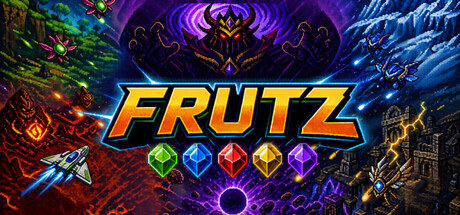
Generative AI tools were used to assist with select visual artwork, specifically the game’s main marketing images/store page artwork and splash screen.
Frutz does not use live-generated AI content during gameplay.
Generative AI was used as a supplementary tool for certain visual and audio assets. Every AI-assisted asset underwent substantial manual editing, refinement, quality control, and integration by the development team.
Pre-generated 2D visual assets were created using AI tools. This includes the skill icons used in the game's UI, as well as the promotional capsule and cover artwork for the Steam store page.
Some visual assets (such as store page graphics, backgrounds, and UI elements) and the localization/translation of the game's user interface were created with the assistance of generative AI tools. All core gameplay mechanics and code are strictly human-made, and no live AI content generation occurs during gameplay
Some of the playable character and enemy models currently in the game were made with help from generative AI tools. I’m still working on these assets during development, and some or all of them may be replaced before release. I’ll update this disclosure if that changes.
Some visual assets (pixel art backgrounds, card sprites) and marketing copy (store descriptions) were created with the assistance of generative AI tools. All AI-generated content was reviewed, curated, and refined by the developer.
Generative AI is used across this game's development — including store-page marketing artwork, in-game art (cards, UI elements), and source code. All AI-generated content is human-directed, reviewed, and edited by the developer. No AI runs at game time; everything ships as static, pre-rendered assets.
Most character avatars, icons and in-game buildings are generated or modified with AI tools. Building names and certain text content are AI-generated, while all remaining assets are manually created.
Some in-game visual assets and trivia/ranking question data were created with the assistance of generative AI tools. All AI-assisted content was reviewed, edited, and curated by the developer before being included in the game.
"AI tools (Leonardo AI) were used to generate some concept art and UI textures during development. AI tools (Gemini) were used to generate background music assets. All assets were pre-generated before being integrated into the game."
TYPE HYPE's static visual assets — the main-menu skyline background, achievement icons (34 color + 34 grayscale variants = 68 PNGs), exhibition-level theme backgrounds (15 themes × 6 layer files = 90 PNGs), and Steam capsule backgrounds — were created with the assistance of generative AI image tools (primarily OpenAI's GPT image generation). All AI-generated assets were curated, selected, and approved by the developer. No AI runs at runtime in the shipped product. Music (59 tracks) is human-composed and sourced from Pixabay under the Pixabay Content License. Code was written collaboratively by the developer with an AI coding assistant. The game contains no AI-generated content shown to players during gameplay (procedural music layering is rule-based, not AI).
AI tools were used to generate store/marketing illustrations (capsule, hero, banners, trailer). All in-game graphics are procedurally generated in real time and do not use AI
Some visual assets and parts of the development workflow for Forest of Numbers were created with the assistance of generative artificial intelligence tools. All content was curated, reviewed, and refined by the developer before being included in the final game.
AI-assisted translation software was used to translate the game's text interface and trivia questions from the original English into other supported languages. The original English script was entirely hand-crafted by humans, and the AI was utilized strictly to make the game accessible to a wider global audience at launch.
Generative AI was utilized exclusively during development to assist with writing and optimizing code. The game does not contain any AI-generated art, music, or other in-game assets.
OUTWORKS was developed with the help of AI-based coding assistants, which we used to write parts of the game's source code. Everything you see and hear in the game is then generated procedurally by that code — all graphics are drawn in code (SVG/CSS) and all sound is synthesized in code (Web Audio). The game contains no AI-generated image or audio assets, and no generative AI runs while you play.
Some of the visual elements and promotional materials for “Bubble Dogs” were created using generative AI tools and then manually refined, selected, modified, and integrated by the developer as part of the game's artistic production process.
We used generative AI tools to assist in drafting, translating, and optimizing the text for the store page and marketing materials. All final content has been reviewed and refined by the developer.
Generative AI was used to assist in writing and editing some of Subsønic's text, including portions of this store page and its marketing copy. The game's visual art is procedurally generated through code (algorithmic, not generative AI), and its music and sound are licensed or procedurally synthesized.
Generative AI tools were used during development to assist with some Steam store capsule artwork and promotional visual drafts. These AI-assisted images were used only as part of the store page and marketing artwork workflow.
All final assets were reviewed, selected, and edited by the developer to make sure they match the game’s visual style and do not contain illegal, infringing, or inappropriate content.
The game itself does not use generative AI during gameplay.
AI-generated tools were used in the creation of some marketing artwork, a portion of the user interface elements, and certain audio elements. All AI-generated content was reviewed, edited, and integrated into the game by the developer.
Some of the background music in Hold It In comes from a commercially-licensed third-party music pack bought from itch.io ("Hell Metal Songs" by thc555) that was created with AI-assisted music tools. All other audio (voice, sound effects), all art, and all game code were created without generative AI. No AI-generated content is created live during gameplay.
This game utilizes generative AI technology during development. The game's program code, art assets (including characters, scenes, and props), as well as music/sound effects, were generated with the assistance of AI. Game design, project management, gameplay conception, overall development, testing, and debugging were all performed by a human developer. All AI-generated content has been manually curated, modified, and integrated to align with the game's cultural theme and quality standards.
Gobbo Quest Idle contains pre-generated content created with the assistance of generative artificial intelligence, including visual assets used within the game and on its store page. The game's design, gameplay systems, progression, and implementation were developed by the creator.
AI tools helped making some textures and part of the translations. The game itself runs no AI: nothing is generated while you play, and it never connects to an online service.
Some of this game's in-game text, including character dialogue and narrative/flavor writing was created with the help of generative AI tools during development, then reviewed and edited by the developer before release. The game's visual art is generated procedurally (algorithmically, not by AI). BrainRot Defender does not generate any content using AI in real time during gameplay, and does not connect to any external AI services.
Generative AI was used as a development assistant for pre-release asset iteration, writing support, localization drafts, ideation and productivity tasks. Some visual assets and draft text/assets may have been assisted or iterated with generative AI before being reviewed and integrated into the game. This content is static and does not generate new content at runtime. The game does not use live generative AI to create content during gameplay. No player prompts are sent to an AI service at runtime. AI-assisted material is reviewed manually before inclusion. It is adjusted to match the game's style, naming, tone and technical requirements, and content that would be inappropriate, infringing or inconsistent with the project is not intentionally included.
Dance Floor VR uses some pre-generated AI-assisted content for selected visual assets and music/audio elements. All such content was reviewed and integrated by the developer. The game does not generate AI content during gameplay and does not connect to external AI services.
Generative AI was used as one of many development tools while creating Snake: Gridbreaker.
As a solo developer, I used it to support programming, localization, UI work, visual assets, icons, and the development of quality-of-life and accessibility improvements.
Every AI-assisted element was reviewed, edited, tested, and implemented by me. I designed the game, its mechanics, progression, and creative direction, and I remain fully responsible for the final experience.
The game does not generate content with AI during gameplay.
Generative AI tools were used to assist with select visual artwork, specifically the game’s main marketing images/store page artwork and splash screen.
Frutz does not use live-generated AI content during gameplay.
Generative AI was used as a supplementary tool for certain visual and audio assets. Every AI-assisted asset underwent substantial manual editing, refinement, quality control, and integration by the development team.
Pre-generated 2D visual assets were created using AI tools. This includes the skill icons used in the game's UI, as well as the promotional capsule and cover artwork for the Steam store page.
Some visual assets (such as store page graphics, backgrounds, and UI elements) and the localization/translation of the game's user interface were created with the assistance of generative AI tools. All core gameplay mechanics and code are strictly human-made, and no live AI content generation occurs during gameplay
Some of the playable character and enemy models currently in the game were made with help from generative AI tools. I’m still working on these assets during development, and some or all of them may be replaced before release. I’ll update this disclosure if that changes.
Some visual assets (pixel art backgrounds, card sprites) and marketing copy (store descriptions) were created with the assistance of generative AI tools. All AI-generated content was reviewed, curated, and refined by the developer.
Generative AI is used across this game's development — including store-page marketing artwork, in-game art (cards, UI elements), and source code. All AI-generated content is human-directed, reviewed, and edited by the developer. No AI runs at game time; everything ships as static, pre-rendered assets.