Public Steam disclosure research25,376 disclosures tracked
Where do games disclose AI use?
Search developers’ Steam disclosures, compare classified AI use across
games, and follow recorded changes.
This index adds cross-game classifications and statistics to
statements published on individual store pages.
Groups reflect automatic analysis of public disclosures; mature records are excluded. These counts do not measure AI use across all of Steam.
Missing or unclear statements cannot establish whether a game uses AI.
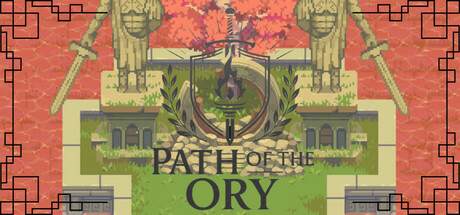
In developing Path of the Ory, I harnessed the power of AI tools to create compelling and immersive ending cutscene. Using art editing software, I refined the visual elements of the final cutscene to align with the story’s rich, fantasy-driven aesthetic, enhancing the details and creating cinematic transitions. For voice acting, Eleven Labs provided narration. Suno’s AI-driven music composition tools helped craft two unique songs for the game.
Yes, some of the visuals (backgrounds) in our game are prepared with AI. Other than that, the remaining cards, buttons and environmental elements are assets we prepared ourselves.
The game’s development was supported by AI tools during content ideation and the creation of visual reference material. Graphical AI art tools, such as “inpaint” or “shading”, were used for some 2D portrait assets. All final artwork was reviewed and polished manually.
AI was used to help create a portion of the art for the game that is difficult and time consuming starting from nothing. This art is of some of the characters and objects in the game that had their rough form generated using google Gemini. All of the AI images generated were modified to match my game's world, and were made to be distinct and original from any other creative works. for example, one of the characters has an image of a beetle shell placed over his face among other artistic design changes to the original AI generated body.
This game uses AI-generated content. Some character portraits and UI elements were created using generative AI tools. Voice lines were synthesized using AI voice technology. AI tools also assisted in drafting parts of the game’s code, all of which was reviewed and finalized by the development team. No AI-generated content is produced during gameplay.
AI drawing generation only generates original parts, and there will be no direct use of AI drawing.
The original ideas and raw materials of some parts of the pixel charater are generated by AI drawing.
If AI drawing is used for the original map in the game, it is only used as original material and creative material.
Part of art workflow, use as stock images to draw over and photo bash.
Use ChatGPT to elaborate idea into description, general programming helper, proof-reader and translator.
The game uses multiple AI characters, each with unique memories and re-collections to participate in a group conversation where they try to deduce who is the killer (the player). Essentially a reverse Turing-test with bells and whistles.
Generative AI tools were used as part of the development workflow for programming assistance, debugging support, implementation planning, and visual refinement.
AI-assisted visual workflows were used to explore, refine, or produce some visual elements. All such content was reviewed and integrated manually by the developer.
Ashes of Morgravia does not use live generative AI during gameplay. The game does not generate AI content at runtime and does not send player input to AI services.
All visual art and assets in Nightmare Frontier were created entirely by human hands; no art assets in the game have been generated or assisted by AI.
Our use of AI is strictly limited to translation and localization. Specifically, AI-powered translation tools were used to help adapt and refine the game's text across different languages.
Art assets such as certain icons, the lobby, loading screens, and in-game portraits contains artwork created with the help of generative AI. These assets have been carefully edited and reviewed to ensure they align with the game's visual style and quality.
The game uses generative AI to create certain character portrait images. These portraits are produced through a directed process involving manual adjustment of predefined parameters related to facial features and lighting. Selected portraits are pre-rendered, curated, and fixed at development time.
No content is generated dynamically during gameplay.
Some character portraits and visual elements were created with the assistance of generative AI tools as part of the art production process. All assets were curated, edited, and integrated to maintain a consistent artistic direction. As the game continues development, certain visual elements may be refined or replaced. AI-assisted tools may also be used to support translations.
In developing Path of the Ory, I harnessed the power of AI tools to create compelling and immersive ending cutscene. Using art editing software, I refined the visual elements of the final cutscene to align with the story’s rich, fantasy-driven aesthetic, enhancing the details and creating cinematic transitions. For voice acting, Eleven Labs provided narration. Suno’s AI-driven music composition tools helped craft two unique songs for the game.
Yes, some of the visuals (backgrounds) in our game are prepared with AI. Other than that, the remaining cards, buttons and environmental elements are assets we prepared ourselves.
The game’s development was supported by AI tools during content ideation and the creation of visual reference material. Graphical AI art tools, such as “inpaint” or “shading”, were used for some 2D portrait assets. All final artwork was reviewed and polished manually.
AI was used to help create a portion of the art for the game that is difficult and time consuming starting from nothing. This art is of some of the characters and objects in the game that had their rough form generated using google Gemini. All of the AI images generated were modified to match my game's world, and were made to be distinct and original from any other creative works. for example, one of the characters has an image of a beetle shell placed over his face among other artistic design changes to the original AI generated body.
This game uses AI-generated content. Some character portraits and UI elements were created using generative AI tools. Voice lines were synthesized using AI voice technology. AI tools also assisted in drafting parts of the game’s code, all of which was reviewed and finalized by the development team. No AI-generated content is produced during gameplay.
AI drawing generation only generates original parts, and there will be no direct use of AI drawing.
The original ideas and raw materials of some parts of the pixel charater are generated by AI drawing.
If AI drawing is used for the original map in the game, it is only used as original material and creative material.
Part of art workflow, use as stock images to draw over and photo bash.
Use ChatGPT to elaborate idea into description, general programming helper, proof-reader and translator.
The game uses multiple AI characters, each with unique memories and re-collections to participate in a group conversation where they try to deduce who is the killer (the player). Essentially a reverse Turing-test with bells and whistles.
Generative AI tools were used as part of the development workflow for programming assistance, debugging support, implementation planning, and visual refinement.
AI-assisted visual workflows were used to explore, refine, or produce some visual elements. All such content was reviewed and integrated manually by the developer.
Ashes of Morgravia does not use live generative AI during gameplay. The game does not generate AI content at runtime and does not send player input to AI services.
All visual art and assets in Nightmare Frontier were created entirely by human hands; no art assets in the game have been generated or assisted by AI.
Our use of AI is strictly limited to translation and localization. Specifically, AI-powered translation tools were used to help adapt and refine the game's text across different languages.
Art assets such as certain icons, the lobby, loading screens, and in-game portraits contains artwork created with the help of generative AI. These assets have been carefully edited and reviewed to ensure they align with the game's visual style and quality.
The game uses generative AI to create certain character portrait images. These portraits are produced through a directed process involving manual adjustment of predefined parameters related to facial features and lighting. Selected portraits are pre-rendered, curated, and fixed at development time.
No content is generated dynamically during gameplay.
Some character portraits and visual elements were created with the assistance of generative AI tools as part of the art production process. All assets were curated, edited, and integrated to maintain a consistent artistic direction. As the game continues development, certain visual elements may be refined or replaced. AI-assisted tools may also be used to support translations.