


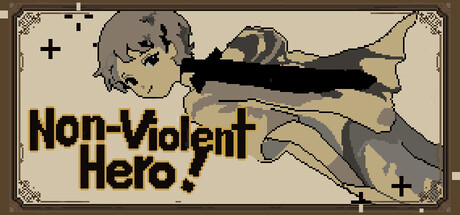


Disclosure
Generative AI was used as a supporting tool in the creation of some artwork and to assist with translation. All AI-assisted content was reviewed and refined by our team.
- Creator
- DARELARK Studio
- Reviews
- -
- Added
- Aug 31, 2026
Public Steam disclosure research 26,754 disclosures tracked
Search developers’ Steam disclosures, compare classified AI use across games, and follow recorded changes. This index adds cross-game classifications and statistics to statements published on individual store pages.
Code help, debugging and other development work.
Capsule art, trailers and promotional material.
Pre-made art, audio, writing and other game assets.
Interactive or runtime AI features disclosed by the developer.
Groups reflect automatic analysis of public disclosures; mature records are excluded. These counts do not measure AI use across all of Steam. Missing or unclear statements cannot establish whether a game uses AI.
Generative AI was used as a supporting tool in the creation of some artwork and to assist with translation. All AI-assisted content was reviewed and refined by our team.
Generative AI tools were used during the development of Dungeon Crawl 94: What Was Taken to assist in creating portions of the game's artwork, music, and other pre-generated creative content. Generative AI was also used to create some promotional artwork displayed on the Steam store page and in the Steam Library. All AI-generated content is pre-generated and incorporated during development; the game does not use live generative AI during gameplay.
Some illustrations in‑game are created using AI‑generated frameworks, followed by subsequent manual refinement.
Generative AI tools were used during development for some character, object, background and UI artwork, textures, and promotional illustrations, including Steam store images and the trailer end card. AI assistance was also used for some narrative text and localization. The game uses prepared assets and text; it does not generate AI content or connect to AI services during gameplay.
Blind Spot's writing, art, audio, and design were created without generative AI. AI was used in one area: localization. Every language was handled identically. All in-game dialogue was translated entirely by human translators, with no AI involvement at any stage. The interface text, some menu text, options, and other short UI strings were given an AI first pass, which the same human translators then reviewed and corrected language by language before it shipped. No AI-generated art, audio, or gameplay content appears in the game.
Sound effects and accompaniment partially created by AI
Bilder
AI is used in some of the musics in game. AI is used for Game's logo
Some of the game's visual assets (background artwork, orb and planet textures, UI elements) as well as the store page capsules and marketing images were created with the help of AI image-generation tools. The background music was created using AI music tools. All AI-assisted content was reviewed, edited and curated by the developer, who holds the rights to use it.
We have used generative AI to obtain sketches, icons, artwork, and code to move faster in development.
OrbFlow was created with the assistance of AI coding agents for script generation, physics optimization, and text drafting. All game design, level layouts, visual aesthetics, and quality assurance were directed, tested, and refined by the human developer.
The game code was developed with the assistance of generative AI, and part of the game assets are AI-generated
The developer describes how their game uses Generative AI in the development process: - Pre-generated Content: Generative AI tools were used during development to assist in creating concept art, text drafts, and localization text. All AI-assisted assets were subsequently reviewed, edited, and refined by the developer. - The game does not contain any live-generated AI content during gameplay.
Generative AI was used to generate assets based on a human's creative vision.
The game uses generative artificial intelligence on informative text messages and coding assistance. The game rules and campaign maps are crafted by a human,.
Some of the game's content was created with the assistance of generative AI tools and was then reviewed, edited and curated by the developer. This includes portions of the art assets, some audio content, and the translation of interface and subtitle text into languages other than Turkish and English. No content is generated by AI at runtime.
All visual art in SagoCat — characters, animation, and visual design — is hand-crafted, with no AI used. Generative AI is used as follows: the pet's conversational replies are generated in real time by a third-party AI service and require an internet connection (use the built-in free quota or your own API key); during development, AI tools also assisted with parts of the code, some in-app text, and some sound effects.
- Audio: background music is generated with AI music tools. - Translation: in-game and store text is translated using AI. - Code: the game's code, including the code that draws every visual at runtime, was written with the help of an AI coding assistant.
AI assisted in-game and store-page visuals, plus music.
Generative AI tools were used during development to assist with creating some visual assets. These assets were manually reviewed, edited, and finalized before being included in the game. AI tools were also used as a programming assistant during development. The game does not use generative AI during gameplay.
As a solo developer I find use of AI to be one of my most prominent and efficient tools ever used. I'm heavily relying on Gemini, Claude and QWEN to create my code snippets and review them. I also manually review their work from time to time. Visual assets creation also rely on AI(NanoBanana2). Some of the assets are my sketches that has been polished to perfection by AI. Some are AI generated and hand-edited after and some, I'll be totally honest here, are fully AI generated, via meticulous prompt engineering and trial and errors. I'm heavily opposed to using AI to create slop or mass produce clones of existing content. But I'm a firm believer that, when curated by talented individual with solid vision, it can achieve great results.
Some pre-generated 2D artwork, character voice-over and some audio used in the game and in Steam store and marketing materials were created with the assistance of generative AI tools. All AI-assisted assets were selected, reviewed, edited, and integrated by the development team before inclusion. No content is generated by AI during gameplay, and the game does not connect to live generative AI services.
Generative AI tools were used to assist in creating some game assets, including visual and audio content. All AI-assisted content was reviewed and refined by the development team before being included in the game.
This game uses generative artificial intelligence in the production of some visual assets (environment textures/materials and promotional artwork), with human review and curation. No AI content is generated in real time during gameplay — the story, gameplay, and in-game experience are created and controlled by the team.
Destroy the Flag was developed with the assistance of a generative AI coding assistant (Claude, by Anthropic), used throughout development as a programming and writing collaborator. Pre-Generated content (created during development, ships with the game): - In-game interface text — menu labels, HUD text, on-screen instructions, and system messages — was drafted with AI assistance as part of the game's code, then reviewed and refined by the developer before shipping. - The Steam store page's short and long descriassistance, then fact-checked, edited, and approvpublishing. Live-Generated content: None. The game does not usnt isgenerated by AI while the game is being played
The vast majority of assets are created by me or commercially licensed. I have used AI-generated assets for a few buildings and UI elements as a base end then modified heavily in Photoshop. I am a solo developer and know it’s a controversial topic, but I hope the 1000+ hours I have spent in Photoshop shines through, but I still want to be honest.
Generative AI was used only to localize text originally written by the developer, and human review will continue up until official release.
Generative AI was used to create initial drafts for some in-game localization text. All AI-assisted content is pre-generated; the game does not generate AI content during play or connect to external AI services.
Some assets used during the development of Agent Pro were created or assisted using generative AI tools. All content included in the released version of the game has been reviewed, edited, and approved by the developer before being integrated into the game. No AI-generated content is created by players or generated dynamically during gameplay.
Generated Content: visual art — characters, environment art and store/marketing capsule images created using Google Gemini, then edited and composited by hand.
During the early design process, we used generative AI, and then our graphic artist redraw the in-game graphic elements and animations.
Some pre-rendered artwork — event illustrations, key art, and store capsule images — was created with the assistance of generative AI tools, then selected, edited, and composited by the developer. Localization drafts were produced with AI translation tools and reviewed by the developer. All in-game unit, UI, and map art uses licensed, human-made asset packs. No content is generated by AI at runtime.
Generative AI was used during development to assist in the creation of the game’s logo as a pre-rendered marketing asset. No generative AI is used during gameplay, and no AI-generated content is created or shown to players while playing the game.
This game generates content with AI, entirely on your machine: an embedded, frozen local model writes and illustrates the "Book" of each run (texts and fictional game covers). No internet connection is required, no data is collected, and nothing is generated by external services. The game's translations were AI-assisted, then human-reviewed.
AI was used only to help create a few marketing images (capsule art and header capsule). All store screenshots, written content, and in-game art, audio, and text are handcrafted. The game contains no live or runtime AI-generated content.
Some code is generated using AI
AI was used during sound and art asset authoring. Also assisted with game code.
Game assets are AI Generated
Generative AI tools were used during development (coding assistance). No content is generated at runtime.
The facial graphics and backgrounds are illustrations created using a commercially available AI model, with some modifications and additions.
This game contains pre-generated AI-assisted content used during development, including gameplay code, selected in-game and UI text/localization, generated sound effects, and AI-assisted visual materials for Steam community/store assets such as achievement icons. No AI content is generated live during gameplay, and the game does not connect to external AI services at runtime.
Some marketing capsules, some icons, then reworked by an artist.
Generative AI was used to create some visual assets for the Steam store page and promotional materials. AI is not used to generate content, gameplay, or code in real time during gameplay.
This software uses generative AI to provide real-time text and speech translation. It recognizes on-screen text via OCR, then calls AI large language models that you configure (such as DeepSeek, GPT, Qwen, Doubao, etc.) or the built-in local translation model (Hy-MT2) to generate real-time translations, shown in the VR overlay. Translation results are for reference only, are not guaranteed to be accurate, and do not constitute professional advice.
Store images not including video and screenshots, were generated by ChatGPT due to artistic limitations.
AI was used in assistance for complex coding solutions. nothing more.
Some images and audio were generated using AI.
Generative AI was not used to create any in-game content resources. AI was utilized solely for the translation of certain in-game languages and external content, such as our Steam page.
Uses voice cloning by Speechify. Uses AI generated images uploaded by other users to Pixabay when there wasn't a better alternative available. Most such images are for character portraits and similar placeholder assets of secondary importance. There is no prompt or direct AI usage.
AI is used as a translation aid for localizing in-game text and Steam store page text into the supported languages. All original Japanese text is written by the developer.
| Title⇅ | Disclosure | Creator⇅ | Src | Reviews⇅ | Added↓ |
|---|---|---|---|---|---|
 Hotel Carnivalia In-game content arttext | Generative AI was used as a supporting tool in the creation of some artwork and to assist with translation. All AI-assisted content was reviewed and refined by our team. | DARELARK Studio | - | Aug 31, 2026 | |
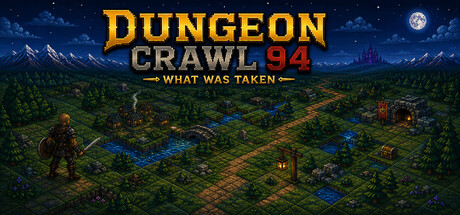 Dungeon Crawl 94: What Was Taken In-game content artaudio | Generative AI tools were used during the development of Dungeon Crawl 94: What Was Taken to assist in creating portions of the game's artwork, music, and other pre-generated creative content. Generative AI was also used to create some promotional artwork displayed on the Steam store page and in the Steam Library. All AI-generated content is pre-generated and incorporated during development; the game does not use live generative AI during gameplay. | Underwood Studios | - | Aug 31, 2026 | |
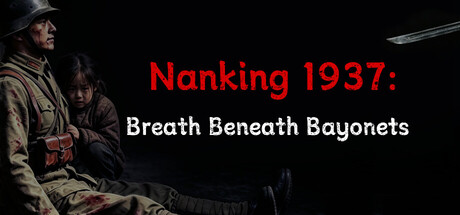 南京1937:刺刀下的呼吸 In-game content art | Some illustrations in‑game are created using AI‑generated frameworks, followed by subsequent manual refinement. | Yang Studio | - | Aug 31, 2026 | |
 Tale'Switch In-game content arttext | Generative AI tools were used during development for some character, object, background and UI artwork, textures, and promotional illustrations, including Steam store images and the trailer end card. AI assistance was also used for some narrative text and localization. The game uses prepared assets and text; it does not generate AI content or connect to AI services during gameplay. | Team SwitcherZ | - | Aug 31, 2026 | |
 BLIND SPOT In-game content text | Blind Spot's writing, art, audio, and design were created without generative AI.
AI was used in one area: localization. Every language was handled identically. All in-game dialogue was translated entirely by human translators, with no AI involvement at any stage. The interface text, some menu text, options, and other short UI strings were given an AI first pass, which the same human translators then reviewed and corrected language by language before it shipped.
No AI-generated art, audio, or gameplay content appears in the game. | Kyle Simpson | - | Aug 31, 2026 | |
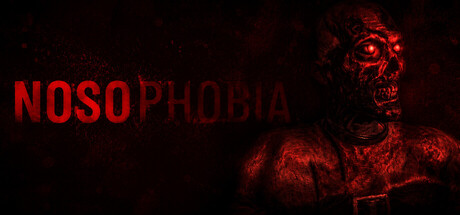 Nosophobia In-game content audio | Sound effects and accompaniment partially created by AI | Venge | - | Aug 31, 2026 | |
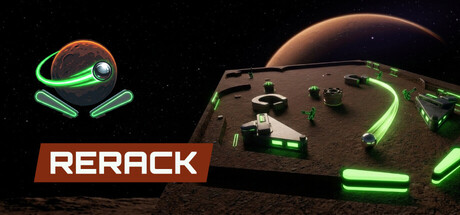 Rerack Unclear | Bilder | Pest Studios | - | Aug 31, 2026 | |
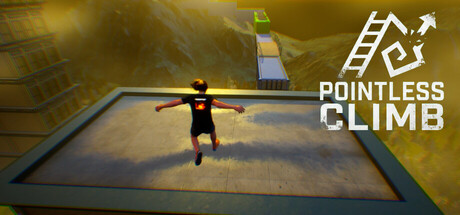 Pointless Climb In-game content audioart | AI is used in some of the musics in game.
AI is used for Game's logo | Morteza Ahmadi | - | Aug 31, 2026 | |
 Nova Drop In-game content artaudio | Some of the game's visual assets (background artwork, orb and planet textures, UI elements) as well as the store page capsules and marketing images were created with the help of AI image-generation tools. The background music was created using AI music tools. All AI-assisted content was reviewed, edited and curated by the developer, who holds the rights to use it. | GenTake Studio | - | Aug 31, 2026 | |
 Vauren's BeastBorn In-game content artcode | We have used generative AI to obtain sketches, icons, artwork, and code to move faster in development. | Aharon TB | - | Aug 31, 2026 | |
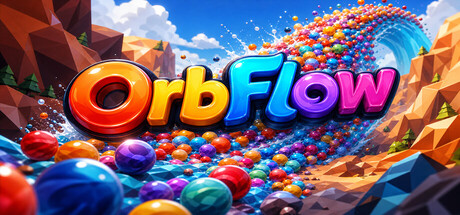 弹珠洪流 Dev only codetext | OrbFlow was created with the assistance of AI coding agents for script generation, physics optimization, and text drafting. All game design, level layouts, visual aesthetics, and quality assurance were directed, tested, and refined by the human developer. | 铭轩魔王 | - | Aug 31, 2026 | |
 家园构筑学院 In-game content codeart | The game code was developed with the assistance of generative AI, and part of the game assets are AI-generated | 张响 | - | Aug 31, 2026 | |
 Gudu! Witch & Meltdown In-game content arttext | The developer describes how their game uses Generative AI in the development process:
- Pre-generated Content: Generative AI tools were used during development to assist in creating concept art, text drafts, and localization text. All AI-assisted assets were subsequently reviewed, edited, and refined by the developer.
- The game does not contain any live-generated AI content during gameplay. | 铭轩魔王 | - | Aug 31, 2026 | |
 Rally Point In-game content art | Generative AI was used to generate assets based on a human's creative vision. | AnotherBuild | - | Aug 31, 2026 | |
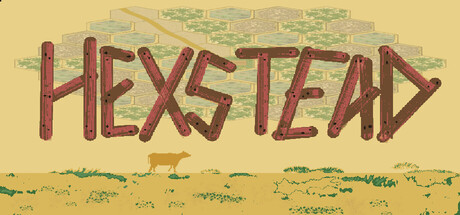 Hexstead In-game content textcode | The game uses generative artificial intelligence on informative text messages and coding assistance. The game rules and campaign maps are crafted by a human,. | pelidevaaja | - | Aug 31, 2026 | |
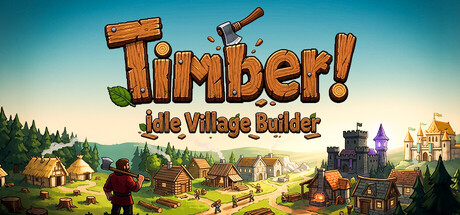 Timber! Idle Village Builder In-game content artaudiotext | Some of the game's content was created with the assistance of generative AI tools and was then reviewed, edited and curated by the developer. This includes portions of the art assets, some audio content, and the translation of interface and subtitle text into languages other than Turkish and English. No content is generated by AI at runtime. | Velron Games | 40 | Aug 31, 2026 | |
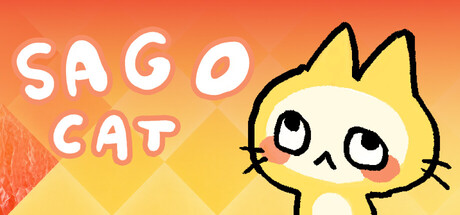 SagoCat Live AI textcodeaudio | All visual art in SagoCat — characters, animation, and visual design — is hand-crafted, with no AI used.
Generative AI is used as follows: the pet's conversational replies are generated in real time by a third-party AI service and require an internet connection (use the built-in free quota or your own API key); during development, AI tools also assisted with parts of the code, some in-app text, and some sound effects. | Sago Cat Studio | - | Aug 31, 2026 | |
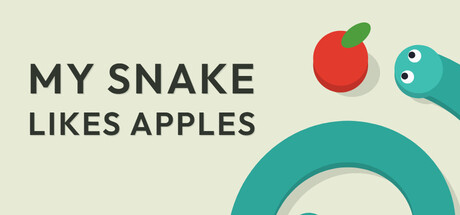 My Snake Likes Apples In-game content audiotextcode | - Audio: background music is generated with AI music tools.
- Translation: in-game and store text is translated using AI.
- Code: the game's code, including the code that draws every visual at runtime,
was written with the help of an AI coding assistant. | A Day of Europa | - | Aug 31, 2026 | |
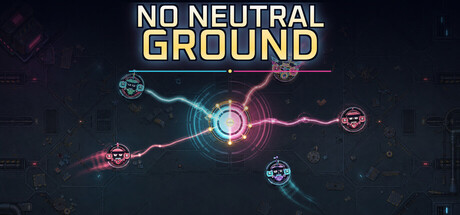 No Neutral Ground In-game content artaudio | AI assisted in-game and store-page visuals, plus music. | Cyvana | - | Aug 31, 2026 | |
 Happy Pawlets In-game content artcode | Generative AI tools were used during development to assist with creating some visual assets. These assets were manually reviewed, edited, and finalized before being included in the game. AI tools were also used as a programming assistant during development. The game does not use generative AI during gameplay. | MossyLab | - | Aug 31, 2026 | |
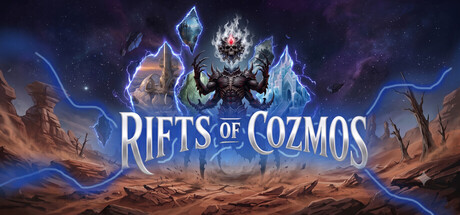 Rifts of Cozmos Dev only artcode | As a solo developer I find use of AI to be one of my most prominent and efficient tools ever used.
I'm heavily relying on Gemini, Claude and QWEN to create my code snippets and review them. I also manually review their work from time to time.
Visual assets creation also rely on AI(NanoBanana2). Some of the assets are my sketches that has been polished to perfection by AI. Some are AI generated and hand-edited after and some, I'll be totally honest here, are fully AI generated, via meticulous prompt engineering and trial and errors.
I'm heavily opposed to using AI to create slop or mass produce clones of existing content. But I'm a firm believer that, when curated by talented individual with solid vision, it can achieve great results. | InvictusSpark | - | Aug 31, 2026 | |
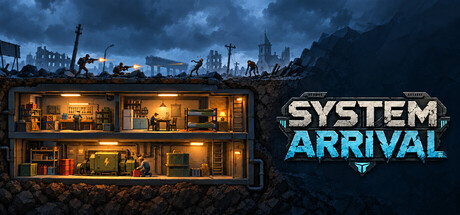 System Arrival In-game content artaudio | Some pre-generated 2D artwork, character voice-over and some audio used in the game and in Steam store and marketing materials were created with the assistance of generative AI tools. All AI-assisted assets were selected, reviewed, edited, and integrated by the development team before inclusion. No content is generated by AI during gameplay, and the game does not connect to live generative AI services. | ANLI GAMES | - | Aug 31, 2026 | |
 Fake Hero In-game content artaudio | Generative AI tools were used to assist in creating some game assets, including visual and audio content. All AI-assisted content was reviewed and refined by the development team before being included in the game. | Surprising Studio | - | Aug 31, 2026 | |
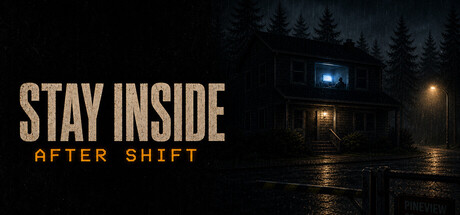 Stay Inside: After Shift In-game content art | This game uses generative artificial intelligence in the production of some visual assets (environment textures/materials and promotional artwork), with human review and curation. No AI content is generated in real time during gameplay — the story, gameplay, and in-game experience are created and controlled by the team. | Gabriel Reetz | - | Aug 31, 2026 | |
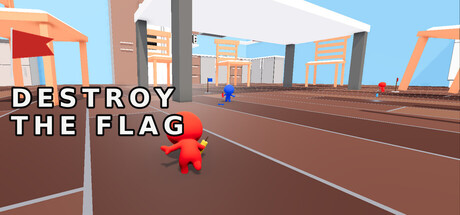 Destroy the Flag In-game content textcode | Destroy the Flag was developed with the assistance of a generative AI coding assistant (Claude, by Anthropic), used throughout development as a programming and writing collaborator.
Pre-Generated content (created during development, ships with the game):
- In-game interface text — menu labels, HUD text, on-screen instructions, and system messages — was drafted with AI assistance as part of the game's code, then reviewed and refined by the developer before shipping.
- The Steam store page's short and long descriassistance, then fact-checked, edited, and approvpublishing.
Live-Generated content: None. The game does not usnt isgenerated by AI while the game is being
played | Pisuke | - | Aug 31, 2026 | |
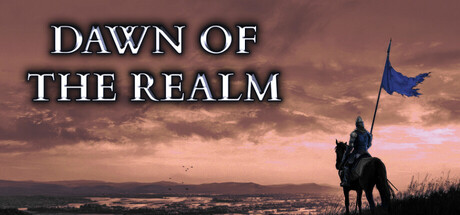 Dawn Of The Realm In-game content art | The vast majority of assets are created by me or commercially licensed. I have used AI-generated assets for a few buildings and UI elements as a base end then modified heavily in Photoshop. I am a solo developer and know it’s a controversial topic, but I hope the 1000+ hours I have spent in Photoshop shines through, but I still want to be honest. | Birdsong Games | - | Aug 31, 2026 | |
 BOB LOGISTICS In-game content text | Generative AI was used only to localize text originally written by the developer, and human review will continue up until official release. | WINDUP | - | Aug 31, 2026 | |
 Fish Them All! In-game content text | Generative AI was used to create initial drafts for some in-game localization text. All AI-assisted content is pre-generated; the game does not generate AI content during play or connect to external AI services. | ピース | - | Aug 31, 2026 | |
 Agent Pro In-game content artaudiotextcode | Some assets used during the development of Agent Pro were created or assisted using generative AI tools. All content included in the released version of the game has been reviewed, edited, and approved by the developer before being integrated into the game. No AI-generated content is created by players or generated dynamically during gameplay. | LKD studio | - | Aug 31, 2026 | |
 Beset Store/marketing art | Generated Content: visual art — characters, environment art and store/marketing capsule images created using Google Gemini, then edited and composited by hand. | Joshua T | - | Aug 31, 2026 | |
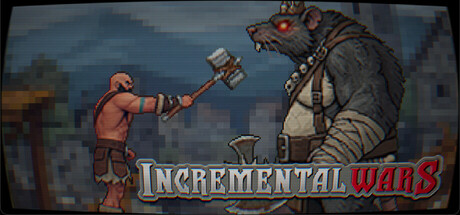 Incremental Wars In-game content art | During the early design process, we used generative AI, and then our graphic artist redraw the in-game graphic elements and animations. | Artex Games | - | Aug 31, 2026 | |
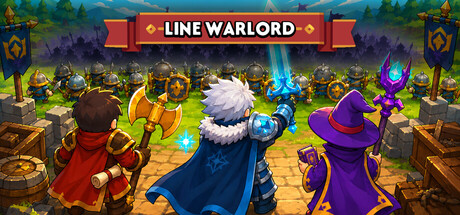 LINE WARLORD In-game content arttext | Some pre-rendered artwork — event illustrations, key art, and store capsule images — was created with the assistance of generative AI tools, then selected, edited, and composited by the developer. Localization drafts were produced with AI translation tools and reviewed by the developer. All in-game unit, UI, and map art uses licensed, human-made asset packs. No content is generated by AI at runtime. | Nestward | - | Aug 31, 2026 | |
 For Her Crown Store/marketing art | Generative AI was used during development to assist in the creation of the game’s logo as a pre-rendered marketing asset.
No generative AI is used during gameplay, and no AI-generated content is created or shown to players while playing the game. | pillarset | - | Aug 31, 2026 | |
 Milesyon In-game content arttext | This game generates content with AI, entirely on your machine: an embedded, frozen local model writes and illustrates the "Book" of each run (texts and fictional game covers). No internet connection is required, no data is collected, and nothing is generated by external services. The game's translations were AI-assisted, then human-reviewed. | Studio Milesyon | - | Aug 31, 2026 | |
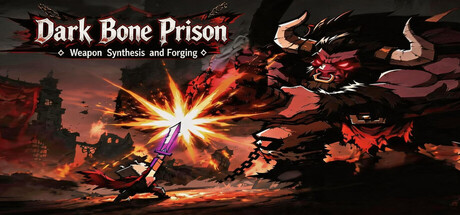 暗黑骨牢 Store/marketing art | AI was used only to help create a few marketing images (capsule art and header capsule). All store screenshots, written content, and in-game art, audio, and text are handcrafted. The game contains no live or runtime AI-generated content. | Bunny Moon Shady | - | Aug 31, 2026 | |
 One Last Draw Dev only code | Some code is generated using AI | GuaHe | - | Aug 31, 2026 | |
 That's Not My Bowl In-game content artaudiocode | AI was used during sound and art asset authoring. Also assisted with game code. | Shocki Productions | - | Aug 31, 2026 | |
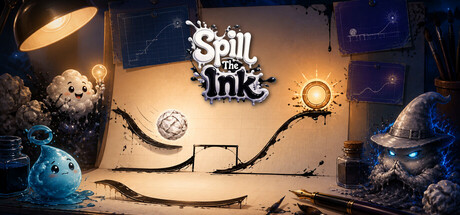 Spill The Ink In-game content art | Game assets are AI Generated | CruCauseDry | - | Aug 31, 2026 | |
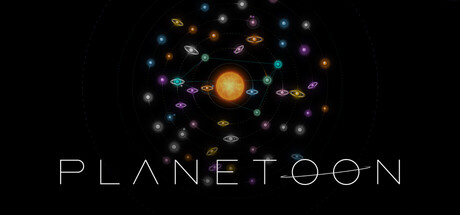 PLANETOON Dev only code | Generative AI tools were used during development (coding assistance). No content is generated at runtime. | TOBON GAME | - | Aug 31, 2026 | |
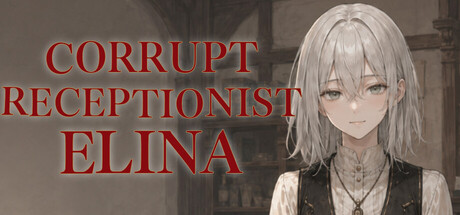 悪徳受付嬢エリナ In-game content art | The facial graphics and backgrounds are illustrations created using a commercially available AI model, with some modifications and additions. | Craftsoft | - | Aug 30, 2026 | |
 Orb Rush VR In-game content artcodeaudiotext | This game contains pre-generated AI-assisted content used during development, including gameplay code, selected in-game and UI text/localization, generated sound effects, and AI-assisted visual materials for Steam community/store assets such as achievement icons. No AI content is generated live during gameplay, and the game does not connect to external AI services at runtime. | R-S | - | Aug 30, 2026 | |
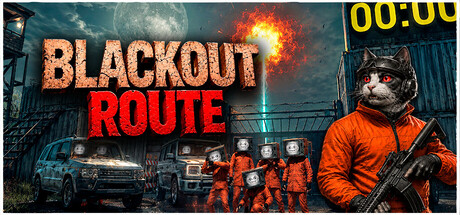 Blackout Route In-game content art | Some marketing capsules, some icons, then reworked by an artist. | Blackout Inc. | - | Aug 30, 2026 | |
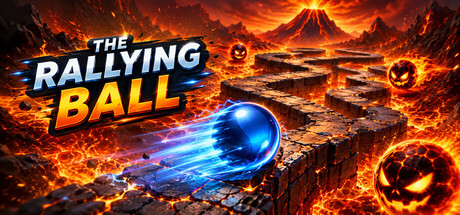 The Rallying Ball Store/marketing art | Generative AI was used to create some visual assets for the Steam store page and promotional materials. AI is not used to generate content, gameplay, or code in real time during gameplay. | Damian Michalski | - | Aug 30, 2026 | |
 OVR Overlay Translator Live AI text | This software uses generative AI to provide real-time text and speech translation. It recognizes on-screen text via OCR, then calls AI large language models that you configure (such as DeepSeek, GPT, Qwen, Doubao, etc.) or the built-in local translation model (Hy-MT2) to generate real-time translations, shown in the VR overlay. Translation results are for reference only, are not guaranteed to be accurate, and do not constitute professional advice. | Aqamoe | 42 | Aug 30, 2026 | |
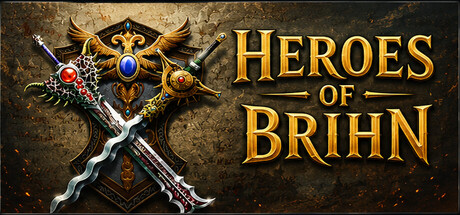 Heroes of Brihn Store/marketing art | Store images not including video and screenshots, were generated by ChatGPT due to artistic limitations. | Scott Conway | - | Aug 30, 2026 | |
 BULLETJUMP Dev only code | AI was used in assistance for complex coding solutions. nothing more. | N3WO | - | Aug 30, 2026 | |
 Gaming DNA & ESTI Unclear artaudio | Some images and audio were generated using AI. | Goblet Studio | - | Aug 30, 2026 | |
 Frog Pond Simulator In-game content text | Generative AI was not used to create any in-game content resources. AI was utilized solely for the translation of certain in-game languages and external content, such as our Steam page. | Black Flamingo Games | - | Aug 30, 2026 | |
 Winter Wraith In-game content artaudio | Uses voice cloning by Speechify.
Uses AI generated images uploaded by other users to Pixabay when there wasn't a better alternative available.
Most such images are for character portraits and similar placeholder assets of secondary importance.
There is no prompt or direct AI usage. | Marix | - | Aug 30, 2026 | |
 MOP’N SPARK In-game content text | AI is used as a translation aid for localizing in-game text and Steam store page text into the supported languages. All original Japanese text is written by the developer. | Omoplata Games | - | Aug 30, 2026 |


