





Disclosure
Store images not including video and screenshots, were generated by ChatGPT due to artistic limitations.
- Creator
- Scott Conway
- Reviews
- -
- Added
- Aug 30, 2026
Public Steam disclosure research 26,760 disclosures tracked
Search developers’ Steam disclosures, compare classified AI use across games, and follow recorded changes. This index adds cross-game classifications and statistics to statements published on individual store pages.
Code help, debugging and other development work.
Capsule art, trailers and promotional material.
Pre-made art, audio, writing and other game assets.
Interactive or runtime AI features disclosed by the developer.
Groups reflect automatic analysis of public disclosures; mature records are excluded. These counts do not measure AI use across all of Steam. Missing or unclear statements cannot establish whether a game uses AI.
Store images not including video and screenshots, were generated by ChatGPT due to artistic limitations.
AI was used in assistance for complex coding solutions. nothing more.
Some images and audio were generated using AI.
Generative AI was not used to create any in-game content resources. AI was utilized solely for the translation of certain in-game languages and external content, such as our Steam page.
Uses voice cloning by Speechify. Uses AI generated images uploaded by other users to Pixabay when there wasn't a better alternative available. Most such images are for character portraits and similar placeholder assets of secondary importance. There is no prompt or direct AI usage.
AI is used as a translation aid for localizing in-game text and Steam store page text into the supported languages. All original Japanese text is written by the developer.
icons and images were generated with using AI
AI assisted coding AI generated translation AI generated icon
Generative AI tools were used during development to assist with the creation and refinement of some 2D UI/art assets and localization text. All AI-assisted content is pre-generated, reviewed, and edited before inclusion in the game. The game does not use live generative AI during gameplay.
Generative AI was used selectively during development, always under direct human authorship and review: • Code — An AI coding assistant supported development as a productivity tool; all systems were designed, reviewed, and tested by the developer. • Key art — The Steam key art was created with generative AI, then curated and hand-finished by the developer. All in-game tilesets and character art are licensed, human-made asset packs. • Music — Background music tracks were produced with the assistance of generative AI tools, then selected, edited, and mixed by the developer. The game contains no live-generated AI content: nothing is generated by AI at runtime.
游戏部分背景采用AI绘画 角色纸娃娃为手绘
AI was used to create some background images, character images used in the story campaign, cutscenes, and some of the images displayed on the Steam store page
I used generative AI tools to create initial concept art and sketches for my game characters, which I then manually recreated and modeled in 3D myself. I also used AI to assist in sketching the game's official logo
Pre-generated AI was used for parts of the soundtrack and abstract store artwork. All content was selected and edited by the developer. No AI content is generated during gameplay.
We use generative AI to assist in the development of the game, including for coding and visual assets.
AI translation is used for multiple languages
Translated using generative AI
Some visual assets in the game were originally created and edited manually using image editing software, and were later refined with generative AI tools. AI was used only as part of the visual refinement process. Final assets were reviewed and edited by the developer before being included in the game.
Steam store page logo and cover art made with ai tools
An AI assistant was used while making this game: the word clues and definitions. Nothing is generated while you play - every puzzle, word and clue is fixed in the build and verified before release. The art is not AI-generated: the capsules, logo and icons are rendered by our own tool from the game's own colours and mark, the interface sounds are by Kenney (CC0) and the music is licensed from Ovani Sound.
AI was used to write code and structure ideas. For art and music it wasn't used.
Generative AI tools were used only during early-stage concept exploration and as internal visual and design references. No AI-generated artwork or other AI-generated content is included in the final game. All final in-game art assets are either created by our development team or sourced from properly licensed assets. The game does not use live-generated AI during gameplay.
Generative AI was used as a development tool for this game. An AI assistant helped with programming, game design iteration, and text translation, always under the developer's direction and review. Some 3D models, such as mech parts, are based on assets created with generative AI tools and then adjusted and integrated by the developer. No content is generated by AI during gameplay: enemy behavior is not generative AI, but the same deterministic node-based algorithms that players build themselves.
Localization was produced with AI-assisted machine translation. The music was generated with AI music tools (Suno) and edited into loops by the developer.
To streamline development and enhance our creative vision, generative AI technologies were utilized in the following areas during the production of this game: Programming & Development Support: AI tools assisted in drafting source code and verifying game logic. Art & Visual Assets: AI tools were used to assist with concept art and base background materials, all of which were manually retouched, processed, and reconstructed. Music: AI tools were used to assist in arranging and producing original tracks, followed by manual editing and mastering. All AI-assisted assets have been carefully curated, modified, and reviewed manually by the developer prior to integration into the game. The game does not feature any live-generated AI content during gameplay, and development strictly adheres to all applicable legal standards and Steam's content guidelines.
"AI tools were used to assist in the creation of some of the game's artwork and textures."
Rookie Rook was made by a single developer. Generative AI tools were used to create some of the pre-generated content that ships with the game: the music, the sound effects, some of the 2D art (illustrations and interface artwork) and some of the translations. All of this content has been reviewed, adjusted and finalized by the developer, and the translations have been reviewed by people where possible. The game does not generate any content with AI while it is being played.
This game uses generative AI tools in parts of its artwork and dialogue/narrative writing, as well as for in-game text localization (translation).
Monster images are machine generated output based.
Hellternum is developed by a small independent studio. Some visual elements — certain in-game illustrations, textures and marketing images — were produced with the help of generative AI tools, always under direct human art direction and edited by hand to fit the game's visual identity. Everything else is human-made: design, writing, level design, code and audio. We think you should know this before you play.
AI was used to create the music.
Generative AI is used for background artwork and English translation.
Some of the game's text, including in-app interface copy and the store page description, was drafted with the assistance of an LLM and edited by the developer, as was the game's source code. All artwork, animation, 3D models and audio are human-authored. The game does not generate any content at runtime.
Generative AI tools were used during development to create visual assets, music, and sound effects. Every generated asset is manually curated, reviewed, and approved before inclusion in the game.
Most of this game's source code was written with the help of generative AI tools. English localization drafts were produced the same way and then reviewed and edited by the developer. All graphics, Korean text, and game design were created by the developer; sound uses CC0-licensed recordings. This game does not use AI at runtime.
AI-generated content in this game includes the BGM. Additionally, AI was used to assist in writing code, which was fully reviewed and verified by developer.
This game uses AI to code some features of the game including, but not limited to, the actual game code itself and some of the store page art. However, none of this actually contributes to the actual gameplay itself as all the assets, game trailer and game scenes are still handmade, purchased, or free.
The key art used for this game's store capsules and Steam library images was produced with the help of a generative AI image tool, then composed and finished by hand. In the game itself, all visuals are drawn procedurally at runtime and all tap sounds are synthesised in code; no AI content is generated while you play.
PupRacers is developed by a solo human developer. AI tools are used as development assistants for various tasks including translations, code assistance, and content creation. All AI output is reviewed, edited, and validated by the developer. The creative vision, game design, and final decisions are 100% human-driven.
Voice performances in this game were produced with AI voice generation under a commercial license. All writing, art, and design are human-authored.
Store page texts and localization drafts were prepared with the help of AI tools, and parts of the game's source code were written with AI coding assistants — all of it reviewed, edited and tested by the developer. All art, game design and audio are human-made. The in-game opponent is a custom neural network trained by the developer through self-play (a chess-engine-style game AI, not generative AI).
Generative AI tools were used during the development of Cargo Industry as programming assistance tools. They were used to assist with code generation, code modification, debugging, and exploring programming solutions. AI-generated code is included in the game's released codebase.
Utilizes artificial intelligence tools to assist in the development of certain in-game content.
Some pre-generated visual assets in SCOP were created with the assistance of generative AI tools. These assets were reviewed, selected and edited before being integrated into the final game. SCOP does not generate AI content during gameplay.
This game uses AI-assisted translation for the Steam store page and some in-game UI text. As a solo indie developer with limited resources, AI translation helps make the game accessible to more players and support a wider range of languages.
Pre-generated pixel-art character artwork, animation frames, and localization text were created with assistance from generative AI tools during development. All shipped results are fixed in the build, human-reviewed, and based on original prompts or project-owned references. The application performs no live AI generation.
Generative AI tools were used in a limited capacity during the development process.
Generative AI tools were used to create the Steam capsule artwork and other promotional images, and to assist with drafting and editing portions of the Steam store page text. All final text was reviewed and revised by the developer, and all promotional artwork was reviewed and selected by the developer. The game does not use generative AI at runtime, and no AI content is generated during gameplay.
Some of the images on our store page were created by artificial intelligence and edits were made on the images. and some images in the game were made by artificial intelligence.
Artwork is currently initially generated using AI processes
| Title⇅ | Disclosure | Creator⇅ | Src | Reviews⇅ | Added↓ |
|---|---|---|---|---|---|
 Heroes of Brihn Store/marketing art | Store images not including video and screenshots, were generated by ChatGPT due to artistic limitations. | Scott Conway | - | Aug 30, 2026 | |
 BULLETJUMP Dev only code | AI was used in assistance for complex coding solutions. nothing more. | N3WO | - | Aug 30, 2026 | |
 Gaming DNA & ESTI Unclear artaudio | Some images and audio were generated using AI. | Goblet Studio | - | Aug 30, 2026 | |
 Frog Pond Simulator In-game content text | Generative AI was not used to create any in-game content resources. AI was utilized solely for the translation of certain in-game languages and external content, such as our Steam page. | Black Flamingo Games | - | Aug 30, 2026 | |
 Winter Wraith In-game content artaudio | Uses voice cloning by Speechify.
Uses AI generated images uploaded by other users to Pixabay when there wasn't a better alternative available.
Most such images are for character portraits and similar placeholder assets of secondary importance.
There is no prompt or direct AI usage. | Marix | - | Aug 30, 2026 | |
 MOP’N SPARK In-game content text | AI is used as a translation aid for localizing in-game text and Steam store page text into the supported languages. All original Japanese text is written by the developer. | Omoplata Games | - | Aug 30, 2026 | |
 Tropic Industry In-game content art | icons and images were generated with using AI | Puerto Verde Studios | - | Aug 30, 2026 | |
 Things That Happen on the Map - Realm Simulator In-game content textart | AI assisted coding
AI generated translation
AI generated icon | Lysemin | 13 | Aug 29, 2026 | |
 Shuffle Lounge In-game content arttext | Generative AI tools were used during development to assist with the creation and refinement of some 2D UI/art assets and localization text. All AI-assisted content is pre-generated, reviewed, and edited before inclusion in the game. The game does not use live generative AI during gameplay. | 7koma | - | Aug 29, 2026 | |
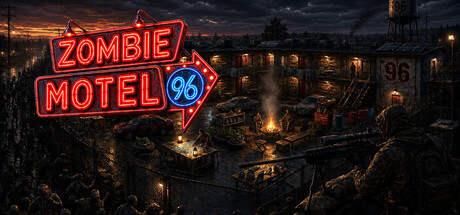 zombie motel 96 Store/marketing artaudiocode | Generative AI was used selectively during
development, always under direct human
authorship and review:
• Code — An AI coding assistant supported
development as a productivity tool; all systems
were designed, reviewed, and tested by the
developer.
• Key art — The Steam key art was created with
generative AI, then curated and hand-finished by
the developer. All in-game tilesets and
character art are licensed, human-made asset
packs.
• Music — Background music tracks were produced
with the assistance of generative AI tools, then
selected, edited, and mixed by the developer.
The game contains no live-generated AI content:
nothing is generated by AI at runtime. | OFFtheREAL | - | Aug 29, 2026 | |
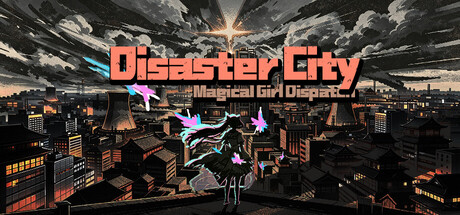 Disaster City: Magical Girl Dispatch In-game content art | 游戏部分背景采用AI绘画
角色纸娃娃为手绘 | 黑帽雀 | - | Aug 29, 2026 | |
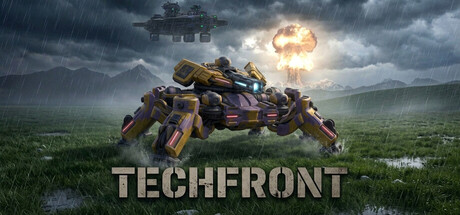 Techfront In-game content art | AI was used to create some background images, character images used in the story campaign, cutscenes, and some of the images displayed on the Steam store page | nucleus_genius | 24 | Aug 29, 2026 | |
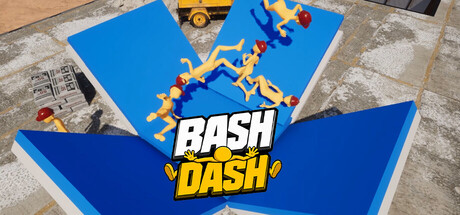 BASHDASH Dev only art | I used generative AI tools to create initial concept art and sketches for my game characters, which I then manually recreated and modeled in 3D myself. I also used AI to assist in sketching the game's official logo | Polytens | - | Aug 29, 2026 | |
 Dialshift In-game content audioart | Pre-generated AI was used for parts of the soundtrack and abstract store artwork. All content was selected and edited by the developer. No AI content is generated during gameplay. | Georg Konrad | - | Aug 29, 2026 | |
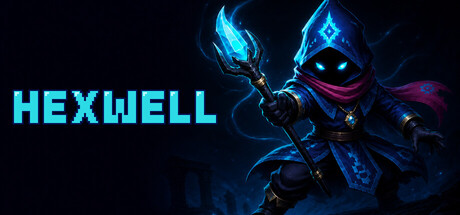 Hexwell Dev only artcode | We use generative AI to assist in the development of the game, including for coding and visual assets. | Torpedo Penguin | - | Aug 29, 2026 | |
 You Will Get Rich! In-game content text | AI translation is used for multiple languages | fortunate bull | - | Aug 29, 2026 | |
 Get Stronger! Auto‑Chess Unclear text | Translated using generative AI | heheihei | - | Aug 29, 2026 | |
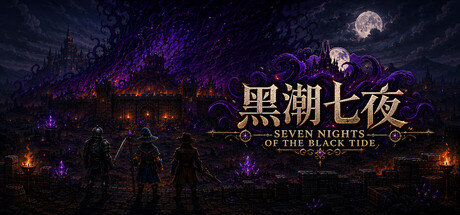 Seven Nights of the Black Tide In-game content art | Some visual assets in the game were originally created and edited manually using image editing software, and were later refined with generative AI tools. AI was used only as part of the visual refinement process. Final assets were reviewed and edited by the developer before being included in the game. | YuanMu | - | Aug 29, 2026 | |
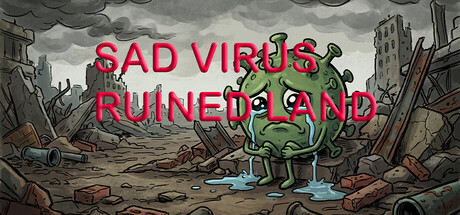 Sad Virus Ruined Land Store/marketing art | Steam store page logo and cover art made with ai tools | Valkeala Software | - | Aug 29, 2026 | |
 WORDLACE In-game content text | An AI assistant was used while making this game: the word clues and definitions. Nothing is generated while you play - every puzzle, word and clue is fixed in the build and verified before release. The art is not AI-generated: the capsules, logo and icons are rendered by our own tool from the game's own colours and mark, the interface sounds are by Kenney (CC0) and the music is licensed from Ovani Sound. | Tilewise | - | Aug 29, 2026 | |
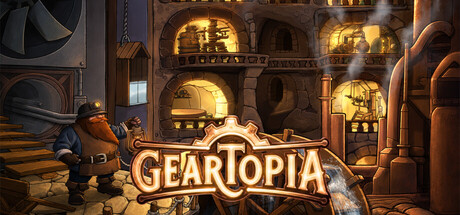 GearTopia Dev only code | AI was used to write code and structure ideas.
For art and music it wasn't used. | Fornax Games | - | Aug 29, 2026 | |
 ToyOps Dev only art | Generative AI tools were used only during early-stage concept exploration and as internal visual and design references. No AI-generated artwork or other AI-generated content is included in the final game. All final in-game art assets are either created by our development team or sourced from properly licensed assets. The game does not use live-generated AI during gameplay. | Potato Games Studio | - | Aug 29, 2026 | |
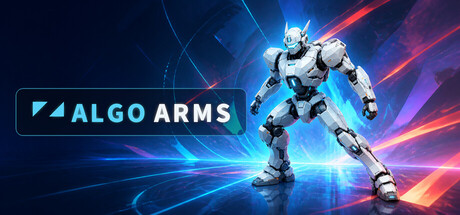 ALGO ARMS In-game content arttextcode | Generative AI was used as a development tool for this game. An AI assistant helped with programming, game design iteration, and text translation, always under the developer's direction and review. Some 3D models, such as mech parts, are based on assets created with generative AI tools and then adjusted and integrated by the developer. No content is generated by AI during gameplay: enemy behavior is not generative AI, but the same deterministic node-based algorithms that players build themselves. | Quench Forge | - | Aug 29, 2026 | |
 Post Office: Tidy Up! In-game content textaudio | Localization was produced with AI-assisted machine translation. The music was generated with AI music tools (Suno) and edited into loops by the developer. | Mao Den Games | 82 | Aug 29, 2026 | |
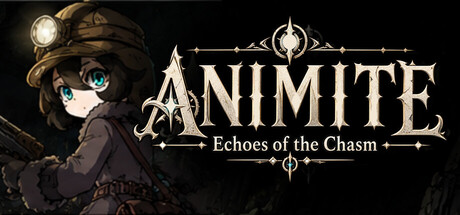 ANIMITE Echoes of the Chasm In-game content artaudiocode | To streamline development and enhance our creative vision, generative AI technologies were utilized in the following areas during the production of this game:
Programming & Development Support: AI tools assisted in drafting source code and verifying game logic.
Art & Visual Assets: AI tools were used to assist with concept art and base background materials, all of which were manually retouched, processed, and reconstructed.
Music: AI tools were used to assist in arranging and producing original tracks, followed by manual editing and mastering.
All AI-assisted assets have been carefully curated, modified, and reviewed manually by the developer prior to integration into the game. The game does not feature any live-generated AI content during gameplay, and development strictly adheres to all applicable legal standards and Steam's content guidelines. | Motaro | - | Aug 29, 2026 | |
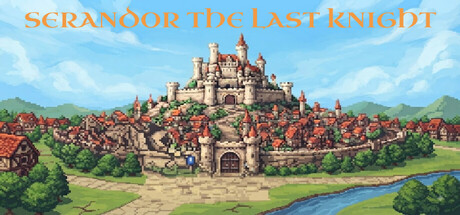 Serandor The Last Knight In-game content art | "AI tools were used to assist in the creation of some of the game's artwork and textures." | Reynoc Games | - | Aug 29, 2026 | |
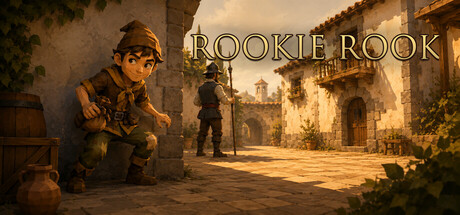 Rookie Rook In-game content audioarttext | Rookie Rook was made by a single developer. Generative AI tools were used to create some of the pre-generated content that ships with the game: the music, the sound effects, some of the 2D art (illustrations and interface artwork) and some of the translations. All of this content has been reviewed, adjusted and finalized by the developer, and the translations have been reviewed by people where possible. The game does not generate any content with AI while it is being played. | Dozy Duck Games | - | Aug 29, 2026 | |
 Live on, Until we can't In-game content arttext | This game uses generative AI tools in parts of its artwork and dialogue/narrative writing, as well as for in-game text localization (translation). | Pallang Studio | - | Aug 29, 2026 | |
 Lootstone In-game content art | Monster images are machine generated output based. | Rokas | - | Aug 29, 2026 | |
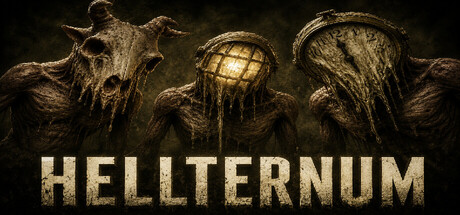 Hellternum In-game content art | Hellternum is developed by a small independent studio. Some visual elements — certain in-game illustrations, textures and marketing images — were produced with the help of generative AI tools, always under direct human art direction and edited by hand to fit the game's visual identity.
Everything else is human-made: design, writing, level design, code and audio.
We think you should know this before you play. | Weird Potro Studio | - | Aug 29, 2026 | |
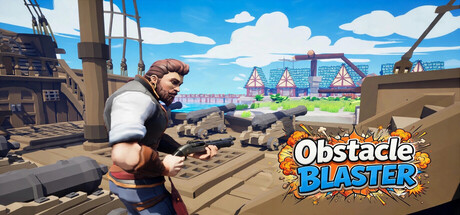 Obstacle Blaster In-game content audio | AI was used to create the music. | Impulse Response Enterprises Ltd | - | Aug 29, 2026 | |
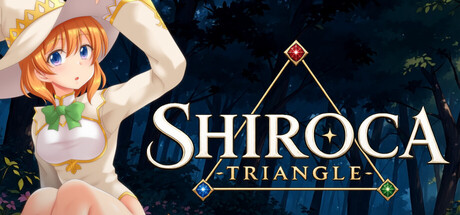 ShirocaTriangle In-game content arttext | Generative AI is used for background artwork and English translation. | 海のお魚パーティー | - | Aug 29, 2026 | |
 Wildmane: Blood Bay Store/marketing textcode | Some of the game's text, including in-app interface copy and the store page description, was drafted with the assistance of an LLM and edited by the developer, as was the game's source code. All artwork, animation, 3D models and audio are human-authored. The game does not generate any content at runtime. | Carysaurus | - | Aug 29, 2026 | |
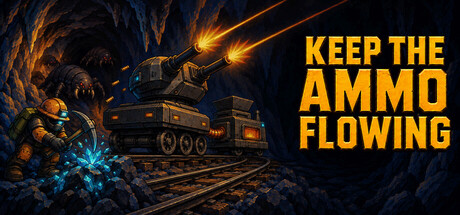 Keep The Ammo Flowing In-game content artaudio | Generative AI tools were used during development to create visual assets, music, and sound effects. Every generated asset is manually curated, reviewed, and approved before inclusion in the game. | YCF Productions | - | Aug 29, 2026 | |
 Still Sorting In-game content text | Most of this game's source code was written with the help of generative AI tools. English localization drafts were produced the same way and then reviewed and edited by the developer. All graphics, Korean text, and game design were created by the developer; sound uses CC0-licensed recordings. This game does not use AI at runtime. | montsaint | - | Aug 29, 2026 | |
 SIMPLE ACTION In-game content audiocode | AI-generated content in this game includes the BGM. Additionally, AI was used to assist in writing code, which was fully reviewed and verified by developer. | Untiteld Folder | - | Aug 29, 2026 | |
 Casae In Silva In-game content codeart | This game uses AI to code some features of the game including, but not limited to, the actual game code itself and some of the store page art. However, none of this actually contributes to the actual gameplay itself as all the assets, game trailer and game scenes are still handmade, purchased, or free. | Racergobrr | - | Aug 29, 2026 | |
 DAKENSHI Store/marketing art | The key art used for this game's store capsules and Steam library images was produced with the help of a generative AI image tool, then composed and finished by hand. In the game itself, all visuals are drawn procedurally at runtime and all tap sounds are synthesised in code; no AI content is generated while you play. | Sakamo Productions | - | Aug 29, 2026 | |
 PupRacers In-game content textcode | PupRacers is developed by a solo human developer. AI tools are used as development assistants for various tasks including translations, code assistance, and content creation. All AI output is reviewed, edited, and validated by the developer. The creative vision, game design, and final decisions are 100% human-driven. | Jean-Yves Quentel | - | Aug 29, 2026 | |
 A Lovely Day in Hell In-game content audio | Voice performances in this game were produced with AI voice generation under a commercial license. All writing, art, and design are human-authored. | Wander & Wilt | - | Aug 29, 2026 | |
 Just Dots In-game content textcode | Store page texts and localization drafts were prepared with the help of AI tools, and parts of the game's source code were written with AI coding assistants — all of it reviewed, edited and tested by the developer. All art, game design and audio are human-made. The in-game opponent is a custom neural network trained by the developer through self-play (a chess-engine-style game AI, not generative AI). | Little Cow | - | Aug 29, 2026 | |
 Cargo Industry Dev only code | Generative AI tools were used during the development of Cargo Industry as programming assistance tools. They were used to assist with code generation, code modification, debugging, and exploring programming solutions. AI-generated code is included in the game's released codebase. | Martin Timothy Timko | - | Aug 29, 2026 | |
 Basketball Dynasty Unclear | Utilizes artificial intelligence tools to assist in the development of certain in-game content. | YBC Studio | - | Aug 29, 2026 | |
 SCOP In-game content art | Some pre-generated visual assets in SCOP were created with the assistance of generative AI tools. These assets were reviewed, selected and edited before being integrated into the final game. SCOP does not generate AI content during gameplay. | LudoDema | - | Aug 29, 2026 | |
 Rock Flipper In-game content text | This game uses AI-assisted translation for the Steam store page and some in-game UI text. As a solo indie developer with limited resources, AI translation helps make the game accessible to more players and support a wider range of languages. | Mini Fun Games | - | Aug 29, 2026 | |
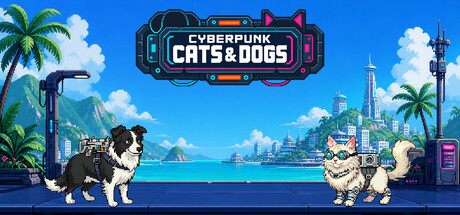 Cyberpunk Cats & Dogs In-game content arttext | Pre-generated pixel-art character artwork, animation frames, and localization text were created with assistance from generative AI tools during development. All shipped results are fixed in the build, human-reviewed, and based on original prompts or project-owned references. The application performs no live AI generation. | Black One Room Games | - | Aug 29, 2026 | |
 The Hundredth Gear Dev only | Generative AI tools were used in a limited capacity during the development process. | Crimson Cloud Games | - | Aug 29, 2026 | |
 The House Between Times Store/marketing arttext | Generative AI tools were used to create the Steam capsule artwork and other promotional images, and to assist with drafting and editing portions of the Steam store page text. All final text was reviewed and revised by the developer, and all promotional artwork was reviewed and selected by the developer. The game does not use generative AI at runtime, and no AI content is generated during gameplay. | Gentle Quartz | - | Aug 29, 2026 | |
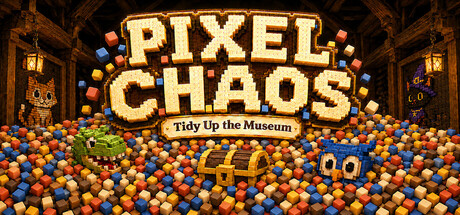 Pixel Chaos: Tidy Up the Museum In-game content art | Some of the images on our store page were created by artificial intelligence and edits were made on the images. and some images in the game were made by artificial intelligence. | Surprisia Games | - | Aug 29, 2026 | |
 Drums & Steel Unclear art | Artwork is currently initially generated using AI processes | OuterBounds | - | Aug 29, 2026 |


