Public Steam disclosure research25,877 disclosures tracked
Where do games disclose AI use?
Search developers’ Steam disclosures, compare classified AI use across
games, and follow recorded changes.
This index adds cross-game classifications and statistics to
statements published on individual store pages.
Groups reflect automatic analysis of public disclosures; mature records are excluded. These counts do not measure AI use across all of Steam.
Missing or unclear statements cannot establish whether a game uses AI.
During the development process, I may use procedural generation and AI-based tools to assist with content creation. In all such cases, the final product reflects my own creativity and artistic expression as a solo developer. Examples include the creation of the game's background music and certain graphical assets.
This game uses generative AI to assist with parts of the localization process. All AI-assisted translations are reviewed and edited by the developer before being included in the game.
Some of the assets and background were made with some use of AI - The rest drawn by hand using Asprite!
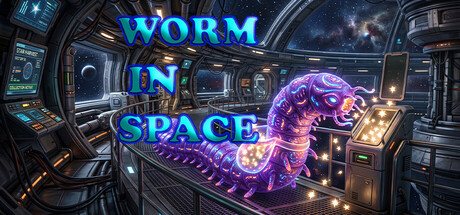
The goal of lazypanda is to give a worm expirience to our users.
AI Usage helped with speeding up creation of some assets.
Some visual assets in this game (such as illustrations, icons, and background images) were created with the assistance of generative AI tools. All AI-generated content was reviewed, edited, and curated by our development team before being included in the game.
This game uses generative AI tools to assist in creating some content, including certain textures, 3D assets, and voice acting. These AI-assisted assets were reviewed, edited, and integrated by the developer as part of the game’s production process.
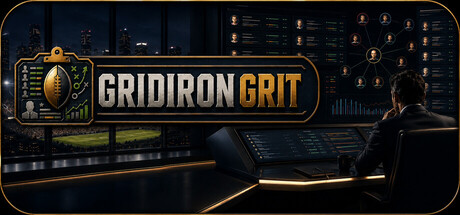
GridIron Grit is made with love, for us hardcore football sim fans, but AI did much of the heavy lifting.
AI helped me bring my dream game to life, writing code and generating game assets.
The game itself uses no generative AI within.
Some visual assets, promotional artwork, and store graphical assets were created or assisted using generative AI tools. All assets were reviewed, edited, and integrated into the game by the developer.
Card face art, in-game icons, and some store artwork were generated with locally-run image-generation models (Qwen-Image), then curated and composited by the developer. No AI content is generated at runtime.
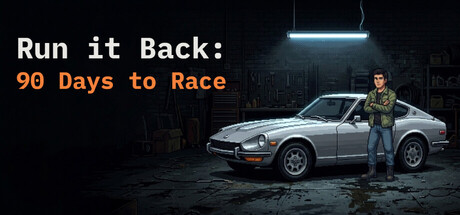
Run It Back: 90 Days to Race is developed solo. Illustrating the game's scenes, key art, and character art by hand wasn't feasible working alone, so AI image-generation tools are used as part of the art pipeline — some pieces generated directly from text prompts, others produced by restyling real photographic references into the game's illustrated art style. All AI-assisted artwork was selected and curated by the developer. No AI-generated content is created live during gameplay.
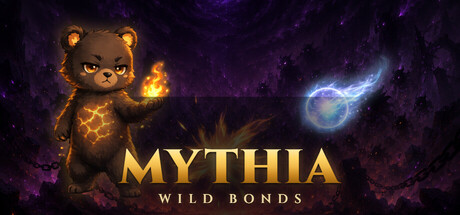
Mythia Wild Bonds was designed and built by a solo developer, game design, art direction, sound direction, and architecture are all the developer's own. AI generation tools were used to accelerate production of pixel art, sound effects, and music, each piece selected, reworked, and approved within the game's art bible and audio direction; code was also developed with AI pair-programming assistance, with all game systems designed by the developer. No content is AI-generated at runtime.
Generative AI was only utilized to assist with programming and coding during development. No AI-generated assets, such as images, graphics, or audio, were used in this game.
Some visual assets and audio assets used in this game were created or assisted using generative AI tools. All AI-generated content has been reviewed, edited, and integrated by the developer as part of the game's production process. The game does not generate content using AI during gameplay.
As a solo developer, I used generative AI tools to help create some of the game's icons, artwork, and written text, which I then reviewed and edited by hand. The game's design, code, and systems are my own work, and the world, its factions, and its story are built on lore I have developed across the Imperium Sine Fine saga. Nothing is AI-generated during gameplay.
Generative AI was used to assist in the creation of some promotional and marketing materials (such as key art).
All in-game content, gameplay, and screenshots are created without the use of generative AI.
Some promotional and store page artwork used for marketing materials was created or assisted using generative AI tools. No generative AI is used during gameplay, and the game does not generate AI-created content for players.
This is a solo-developed game. Some visual assets were created with the assistance of generative AI. I started from my own sketches and concepts, then used AI to generate and refine artwork, with all final assets reviewed and integrated by me.
AI used to make pieces of capsule art then assembled and edited in photopea (free online photoshop). All the content in the game, dialogues, colors, quests, items, icons, layouts, proc gen, easter eggs, everything is handcrafted, handpicked and intentionally placed by me, or is a CC0 licenced asset which will be credited upon game's full release.
Generative AI tools were used to assist with initial translations of localization texts and as a starting point for a limited number of visual concepts. All AI-assisted translations were manually reviewed and edited. The visual concepts were substantially reworked and adapted by the developer to match the game’s original art style before being included in the final game.
AI was used to translate the game into certain languages. When selecting one of these languages for the first time, a notification appears. Additionally, a marker is displayed next to the language name in the options menu.
Furthermore, AI was utilized to generate some of the graphical assets and may have been used in the creation of videos.
1.Generative AI tools were used to assist in creating some in-game art assets.
2.Generative AI tools were used to assist in creating and debugging some in-game code.
Being a small 2 person team in a startup studio working on this project while juggling other responsibilities; we used AI to generate base artwork that we then modified. We strived to use a fantasy theme based on Cubism as an art style so we wouldnt be ripping a specific artist's work.
All Artwork in game has been edited to fit the game, there is no raw AI content present.
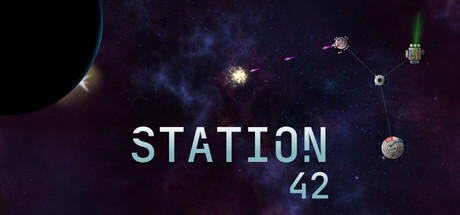
This game developer uses AI only for a few music tracks (with licence) and one sprite generated and modified FROM the original developer artwork (the main menu "station 42 sprite").
All artwork, ui, and sounds effects do NOT use AI whatsoever.
During the development of this game, generative AI tools were used to assist the developer in several areas:
- Music & Audio: The game's soundtrack and musical scores were entirely generated using AI audio tools.
- Visual Assets: AI tools were used to assist in the texturing process for a selection of 3D models.
- Localization & Text: AI assisted in the translation and localization of the game's text, as well as refining marketing materials and store descriptions.
- Coding: AI coding agents were utilized to assist with programming, code optimization, and debugging.
All AI-assisted assets and code have been carefully reviewed, curated, and integrated by the developer to ensure a cohesive and high-quality player experience.
I’m a User Experience Designer by day, and making a game has been a childhood dream of mine. I used generative AI as part of my development process, including helping with code and creating visual assets. Every asset included in the final game was personally selected, refined, placed, and directed by me to match the game’s overall vision.
During the development of this game, AI tools were used solely as a coding assistance aid — primarily to help identify and fix minor bugs, and to assist with small code corrections and improvements. AI was not used to generate any content experienced by the player, including visual assets, audio, narrative or in-game text. All artwork, sound, and written content presented to the player are original and human-created. The AI usage disclosed here is limited to development-side coding assistance and does not appear as generated content within the final player-facing experience.
Some visual assets in this game (such as illustrations, icons, and background images) were created with the assistance of generative AI tools. All AI-generated content was reviewed, edited, and curated by our development team before being included in the game.
Generative AI tools were used during the production of the game as creative and technical support. This applies only to content prepared in advance during development.
AI was used in several areas, including:
Artwork and promotional materials — generating base images, character concepts, interface concepts, reference images, and materials later used as a foundation for manual editing or further production.
3D models — some models are created with the help of AI tools and an image-to-3D workflow, then selected, adjusted, and integrated into the game.
Voice acting — character voices are created using AI-based voice synthesis.
Code and production tools — AI assistants support coding, code analysis, refactoring, and optimization.
Design consultation — AI tools are used as support for analyzing ideas, designing interfaces, refining descriptions, and planning game systems.
The main concept of the game, story structure, quest dependencies, world direction, and dialogue content are created and supervised by the game’s author. Content created with the help of AI is selected, edited, and implemented manually.
The game does not contain AI-generated content created in real time during gameplay.
We used generative AI tools during development to create a limited set of pre-generated assets included in the game, including some voice-over lines, vocalizations, and select in-game textures or visual assets. All AI-assisted assets were reviewed, edited, and approved by our team before being included. No AI content is generated during gameplay, and the game does not connect to external AI services.
During the development process, I may use procedural generation and AI-based tools to assist with content creation. In all such cases, the final product reflects my own creativity and artistic expression as a solo developer. Examples include the creation of the game's background music and certain graphical assets.
This game uses generative AI to assist with parts of the localization process. All AI-assisted translations are reviewed and edited by the developer before being included in the game.
Some of the assets and background were made with some use of AI - The rest drawn by hand using Asprite!
The goal of lazypanda is to give a worm expirience to our users.
AI Usage helped with speeding up creation of some assets.
Some visual assets in this game (such as illustrations, icons, and background images) were created with the assistance of generative AI tools. All AI-generated content was reviewed, edited, and curated by our development team before being included in the game.
This game uses generative AI tools to assist in creating some content, including certain textures, 3D assets, and voice acting. These AI-assisted assets were reviewed, edited, and integrated by the developer as part of the game’s production process.
GridIron Grit is made with love, for us hardcore football sim fans, but AI did much of the heavy lifting.
AI helped me bring my dream game to life, writing code and generating game assets.
The game itself uses no generative AI within.
Some visual assets, promotional artwork, and store graphical assets were created or assisted using generative AI tools. All assets were reviewed, edited, and integrated into the game by the developer.
Card face art, in-game icons, and some store artwork were generated with locally-run image-generation models (Qwen-Image), then curated and composited by the developer. No AI content is generated at runtime.
Run It Back: 90 Days to Race is developed solo. Illustrating the game's scenes, key art, and character art by hand wasn't feasible working alone, so AI image-generation tools are used as part of the art pipeline — some pieces generated directly from text prompts, others produced by restyling real photographic references into the game's illustrated art style. All AI-assisted artwork was selected and curated by the developer. No AI-generated content is created live during gameplay.
Mythia Wild Bonds was designed and built by a solo developer, game design, art direction, sound direction, and architecture are all the developer's own. AI generation tools were used to accelerate production of pixel art, sound effects, and music, each piece selected, reworked, and approved within the game's art bible and audio direction; code was also developed with AI pair-programming assistance, with all game systems designed by the developer. No content is AI-generated at runtime.
Generative AI was only utilized to assist with programming and coding during development. No AI-generated assets, such as images, graphics, or audio, were used in this game.
Some visual assets and audio assets used in this game were created or assisted using generative AI tools. All AI-generated content has been reviewed, edited, and integrated by the developer as part of the game's production process. The game does not generate content using AI during gameplay.
As a solo developer, I used generative AI tools to help create some of the game's icons, artwork, and written text, which I then reviewed and edited by hand. The game's design, code, and systems are my own work, and the world, its factions, and its story are built on lore I have developed across the Imperium Sine Fine saga. Nothing is AI-generated during gameplay.
Generative AI was used to assist in the creation of some promotional and marketing materials (such as key art).
All in-game content, gameplay, and screenshots are created without the use of generative AI.
Some promotional and store page artwork used for marketing materials was created or assisted using generative AI tools. No generative AI is used during gameplay, and the game does not generate AI-created content for players.
This is a solo-developed game. Some visual assets were created with the assistance of generative AI. I started from my own sketches and concepts, then used AI to generate and refine artwork, with all final assets reviewed and integrated by me.
AI used to make pieces of capsule art then assembled and edited in photopea (free online photoshop). All the content in the game, dialogues, colors, quests, items, icons, layouts, proc gen, easter eggs, everything is handcrafted, handpicked and intentionally placed by me, or is a CC0 licenced asset which will be credited upon game's full release.
Generative AI tools were used to assist with initial translations of localization texts and as a starting point for a limited number of visual concepts. All AI-assisted translations were manually reviewed and edited. The visual concepts were substantially reworked and adapted by the developer to match the game’s original art style before being included in the final game.
AI was used to translate the game into certain languages. When selecting one of these languages for the first time, a notification appears. Additionally, a marker is displayed next to the language name in the options menu.
Furthermore, AI was utilized to generate some of the graphical assets and may have been used in the creation of videos.
1.Generative AI tools were used to assist in creating some in-game art assets.
2.Generative AI tools were used to assist in creating and debugging some in-game code.
Being a small 2 person team in a startup studio working on this project while juggling other responsibilities; we used AI to generate base artwork that we then modified. We strived to use a fantasy theme based on Cubism as an art style so we wouldnt be ripping a specific artist's work.
All Artwork in game has been edited to fit the game, there is no raw AI content present.
This game developer uses AI only for a few music tracks (with licence) and one sprite generated and modified FROM the original developer artwork (the main menu "station 42 sprite").
All artwork, ui, and sounds effects do NOT use AI whatsoever.
During the development of this game, generative AI tools were used to assist the developer in several areas:
- Music & Audio: The game's soundtrack and musical scores were entirely generated using AI audio tools.
- Visual Assets: AI tools were used to assist in the texturing process for a selection of 3D models.
- Localization & Text: AI assisted in the translation and localization of the game's text, as well as refining marketing materials and store descriptions.
- Coding: AI coding agents were utilized to assist with programming, code optimization, and debugging.
All AI-assisted assets and code have been carefully reviewed, curated, and integrated by the developer to ensure a cohesive and high-quality player experience.
I’m a User Experience Designer by day, and making a game has been a childhood dream of mine. I used generative AI as part of my development process, including helping with code and creating visual assets. Every asset included in the final game was personally selected, refined, placed, and directed by me to match the game’s overall vision.
During the development of this game, AI tools were used solely as a coding assistance aid — primarily to help identify and fix minor bugs, and to assist with small code corrections and improvements. AI was not used to generate any content experienced by the player, including visual assets, audio, narrative or in-game text. All artwork, sound, and written content presented to the player are original and human-created. The AI usage disclosed here is limited to development-side coding assistance and does not appear as generated content within the final player-facing experience.
Some visual assets in this game (such as illustrations, icons, and background images) were created with the assistance of generative AI tools. All AI-generated content was reviewed, edited, and curated by our development team before being included in the game.
Generative AI tools were used during the production of the game as creative and technical support. This applies only to content prepared in advance during development.
AI was used in several areas, including:
Artwork and promotional materials — generating base images, character concepts, interface concepts, reference images, and materials later used as a foundation for manual editing or further production.
3D models — some models are created with the help of AI tools and an image-to-3D workflow, then selected, adjusted, and integrated into the game.
Voice acting — character voices are created using AI-based voice synthesis.
Code and production tools — AI assistants support coding, code analysis, refactoring, and optimization.
Design consultation — AI tools are used as support for analyzing ideas, designing interfaces, refining descriptions, and planning game systems.
The main concept of the game, story structure, quest dependencies, world direction, and dialogue content are created and supervised by the game’s author. Content created with the help of AI is selected, edited, and implemented manually.
The game does not contain AI-generated content created in real time during gameplay.
We used generative AI tools during development to create a limited set of pre-generated assets included in the game, including some voice-over lines, vocalizations, and select in-game textures or visual assets. All AI-assisted assets were reviewed, edited, and approved by our team before being included. No AI content is generated during gameplay, and the game does not connect to external AI services.