Public Steam disclosure research25,383 disclosures tracked
Where do games disclose AI use?
Search developers’ Steam disclosures, compare classified AI use across
games, and follow recorded changes.
This index adds cross-game classifications and statistics to
statements published on individual store pages.
Groups reflect automatic analysis of public disclosures; mature records are excluded. These counts do not measure AI use across all of Steam.
Missing or unclear statements cannot establish whether a game uses AI.
This game was created by a real human, using the Codex development environment. Contains lots of generated artwork and descriptive text, as well as gameplay refinements gained through AI powered balance testing.
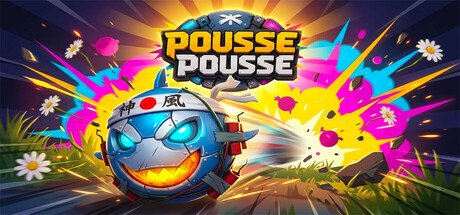
Some visual assets in Pousse Pousse were created with the assistance of generative AI tools during development. No AI-generated content is created during gameplay.
THE LAST LOGIN uses pre-generated AI-assisted content in selected visual assets, character voice-over, music, and sound effects. All AI-assisted content was created during development and is included as fixed game content. No AI content is generated during gameplay.
Generative AI was used throughout the development process. It was utilized alongside the developer to assist with tasks. Notably: debugging, localization, asset creation, and marketing materials. All AI-generated content was reviewed, edited, and integrated by the developer to ensure both quality and consistency standards were met.
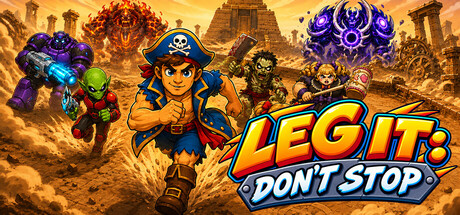
Some visual assets in Leg It: Don't Stop, including character and environment artwork, were created with the assistance of generative AI tools and then selected, edited, and integrated into the game by the developer. The game does not generate AI content during gameplay.
AI is used for programming assistance, for generating in-game sound effects and music, and for drafting store page text. All 3D art assets and level design are created by hand in Blender.
The game's art and sound are drawn and synthesised in code at runtime rather than shipped as asset files, and that code was written with AI coding assistance under human direction. No AI runs while the game is playing. The soundtrack is licensed human-authored works.
The character illustrations and their animation frames were created with the assistance of image-generation AI (Stable Diffusion), then manually layered, retouched and reviewed by the developer. All other content — game design, code, music, sound effects and text — is made by humans. No AI content is generated at runtime.
Some cinematic shots in the trailer were created with generative AI tools, and the trailer narration uses an AI-generated voice. The library banner image is derived from one of those trailer shots. All gameplay, in-game assets, and other store images were created without generative AI.
Some promotional artwork and store page text were created with the help of
generative AI and edited by hand. The game itself does not use AI at runtime
and does not connect to any AI service.
All pre-rendered visual artwork was created using generative AI under developer direction. This includes environment backgrounds, interface and menu artwork, branding, icons, and promotional/title-card images.
The developer uses generative AI tools during the development process to assist in creating pre-generated visual assets, environment textures, and background sound effects. These AI-assisted elements are finalized and integrated into the game's static files to enhance the overall horror atmosphere.
Generative AI tools were used in the development of this game to assist with creating select artwork, writing promotional/store page descriptions, and localization.
Generative AI was used as an assistive tool during the development of ASTROLANDER. It helped accelerate certain prototyping phases, explore concept art ideas, and experiment with programming solutions. All assets integrated into the game were modified or recreated by the developer to align with the project's art direction and gameplay.
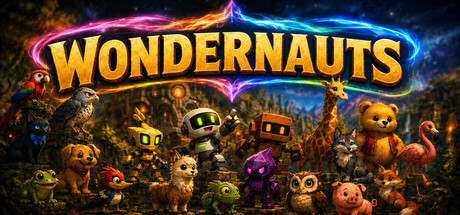
Some visual assets, sound effects, and music in Wondernauts were created with the help of generative AI tools during development, then refined, validated, and integrated by the development team. All gameplay logic and game systems are human-authored.
Generating general in-game scripts
Music
Level design
In general, the developer uses AI to create like a cubes; ultimately, they decide where to place each cube to build a castle—or, in this case, the video game itself.
Generative AI tools were used during development to assist with certain parts of the game, including code and game assets such as artwork, audio, and localization. All AI generated content has been reviewed before being included in the game.
Some store page artwork, promotional images, textures, and visual assets were created using generative AI tools and then edited and finalized by the developer. AI-generated content is used only for visual assets and does not generate content during gameplay.
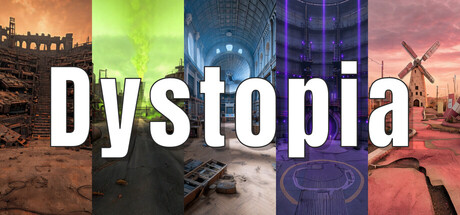
Dystopia uses AI to live-generate its radio: all music, DJ voices, lyrics,
song titles, and artist names are created by AI on our own servers and
streamed to every player. Our 3D environments render as Gaussian splats and
were AI generated using World Labs' Marble.
Generative AI tools were used during development to assist with pre-generated visual and audio assets. Final content was reviewed and integrated under the developer’s direction. NO content is generated by AI during gameplay.
Generative AI was used during development to assist in creating some pre-generated content, including certain visual assets, music and sound assets, as well as some text and localization content. All such content was generated during development and was reviewed, selected, edited, adjusted, and integrated by the developer before being included in the game.
The game does not use generative AI at runtime and does not generate new text, images, audio, or other game content dynamically in response to player input.
Generative AI is used to draft the written text on this store page and in our announcement and update posts. A human reads, edits and approves every line before it is published. AI coding assistants are also used while building the game. The game itself does not generate any content with AI while you play, and it does not connect to any AI service.
We used generative AI tools (such as Claude) during development to assist with creating certain in-game assets, textures, or text elements. All AI-generated content has been reviewed, selected, and integrated by human creators into the final game.
The store page and library artwork (capsule images, library hero, and the game
logo) were created using a generative AI image tool, then cropped, colour-corrected
and composited by hand to meet Steam's asset specifications.
No AI-generated content ships inside the game itself. All in-game visuals, audio,
shaders and level layout are generated procedurally by the game's own code, or
hand-written.
We use AI tools as part of our developer workflow, in some cases for generative textures, 2D or 3D placeholders, in other cases for actual designs to be used in the game, this can also be a mix of both.
AI-assisted development tools were used during production to help write game code, in-game text, and the English localization. All AI-assisted content was reviewed and tested by the developer.
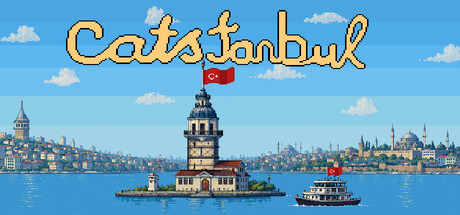
During the visual development process, I used generative AI tools (Leonardo AI, ChatGPT, etc.) to generate initial concept art and ideas. Using these concepts as a foundation, I manually redrew and refined every pixel in Aseprite, split them into layers for parallax effects, and converted them into functional game assets for Unity.
— Esra Soner (Catstanbul's Developer)
Parts of this game were made with the help of generative AI tools. AI assistance was used for the source code, the in-game and store text, the store and library artwork, and the music and sound effects. Everything generated was reviewed and edited by the developer before it shipped. Nothing is generated while you play: the game ships fixed assets and makes no calls to any AI service.
This game was developed with the assistance of generative AI tools. AI was used during development to help write and refactor portions of the game's code, and to assist with design iteration. Some in-game assets (such as placeholder art, sound effects, or text) may have been created or refined with AI assistance. All AI-assisted content was reviewed and edited by the developer before inclusion. The game does not generate any content using AI at runtime, and no live AI features are present in the released product.
Brainrot Fire uses generative AI to assist with translating in-game text and interface content into multiple languages, helping us support a wider range of players around the world.
Generative AI was used during the development of this game. AI-assisted tools were used to create or assist with visual assets, UI elements, backgrounds, in-game text, localization, and portions of the game's code and development process. Music used in the game was not generated by AI.
All AI-assisted content was created during development. The game does not use generative AI to create content in real time during gameplay.
We used an AI diffusion tool in Krita to help create the background for the small capsule shown in search results. Our artist then worked over it with several extra layers, a bit like matte painting. For now, it's a placeholder until our artist finishes the hand-painted version of the small capsule.
The logo and the other capsule images were already hand-painted by our artist. The in-game portraits were also drawn by another artist on our team.
We have a devlog on our website about how we made the capsule artwork and hero portraits, and we'll share the full process on the Steam Community soon too.
The playtest build also includes a few placeholder assets made with AI tools in Krita. Our new UI artist is working on a new UI, so we'll be replacing those placeholders soon. As mentioned above, the hero portraits are also hand-drawn by our artist.
During the development process, we may use procedural and AI-based tools to assist with content creation. In all such cases, the final product reflects the creativity and expression of our own development team.
AI-assistive tools were used for development support, including prototyping, coding, testing, documentation, and workflows; all player-facing creative content such as Art, UI, VFX, music, voice acting, and marketing materials was created by human developers and artists.
This game was developed by a single developer. Generative AI was used in the creation of character animation, UI icons, music, and sound effects, and for coding assistance during development. The story, writing, character design direction, and all creative decisions were made entirely by the developer. No content is generated by AI during gameplay.
Generative AI was used during development to assist with the creation of some visual and promotional assets, including artwork used on the Steam store page and marketing materials. All AI-assisted content was reviewed and curated by the developer. No generative AI is used during gameplay.
All code, game design, maps, and audio behavior were created using AI. AI tools were also used for in-game character 3D models (subsequently hand-optimized and rigged), main menu background videos, store trailer cinematic shots, and store artwork (logo and capsule backgrounds). All content is based on the game's own original characters.
Generative AI was used during development to assist with visual concept exploration and the creation of certain pre-generated art assets. No generative AI content is generated during gameplay.
This game was created by a real human, using the Codex development environment. Contains lots of generated artwork and descriptive text, as well as gameplay refinements gained through AI powered balance testing.
Some visual assets in Pousse Pousse were created with the assistance of generative AI tools during development. No AI-generated content is created during gameplay.
THE LAST LOGIN uses pre-generated AI-assisted content in selected visual assets, character voice-over, music, and sound effects. All AI-assisted content was created during development and is included as fixed game content. No AI content is generated during gameplay.
Generative AI was used throughout the development process. It was utilized alongside the developer to assist with tasks. Notably: debugging, localization, asset creation, and marketing materials. All AI-generated content was reviewed, edited, and integrated by the developer to ensure both quality and consistency standards were met.
Some visual assets in Leg It: Don't Stop, including character and environment artwork, were created with the assistance of generative AI tools and then selected, edited, and integrated into the game by the developer. The game does not generate AI content during gameplay.
AI is used for programming assistance, for generating in-game sound effects and music, and for drafting store page text. All 3D art assets and level design are created by hand in Blender.
The game's art and sound are drawn and synthesised in code at runtime rather than shipped as asset files, and that code was written with AI coding assistance under human direction. No AI runs while the game is playing. The soundtrack is licensed human-authored works.
The character illustrations and their animation frames were created with the assistance of image-generation AI (Stable Diffusion), then manually layered, retouched and reviewed by the developer. All other content — game design, code, music, sound effects and text — is made by humans. No AI content is generated at runtime.
Some cinematic shots in the trailer were created with generative AI tools, and the trailer narration uses an AI-generated voice. The library banner image is derived from one of those trailer shots. All gameplay, in-game assets, and other store images were created without generative AI.
Some promotional artwork and store page text were created with the help of
generative AI and edited by hand. The game itself does not use AI at runtime
and does not connect to any AI service.
All pre-rendered visual artwork was created using generative AI under developer direction. This includes environment backgrounds, interface and menu artwork, branding, icons, and promotional/title-card images.
The developer uses generative AI tools during the development process to assist in creating pre-generated visual assets, environment textures, and background sound effects. These AI-assisted elements are finalized and integrated into the game's static files to enhance the overall horror atmosphere.
Generative AI tools were used in the development of this game to assist with creating select artwork, writing promotional/store page descriptions, and localization.
Generative AI was used as an assistive tool during the development of ASTROLANDER. It helped accelerate certain prototyping phases, explore concept art ideas, and experiment with programming solutions. All assets integrated into the game were modified or recreated by the developer to align with the project's art direction and gameplay.
Some visual assets, sound effects, and music in Wondernauts were created with the help of generative AI tools during development, then refined, validated, and integrated by the development team. All gameplay logic and game systems are human-authored.
Generating general in-game scripts
Music
Level design
In general, the developer uses AI to create like a cubes; ultimately, they decide where to place each cube to build a castle—or, in this case, the video game itself.
Generative AI tools were used during development to assist with certain parts of the game, including code and game assets such as artwork, audio, and localization. All AI generated content has been reviewed before being included in the game.
Some store page artwork, promotional images, textures, and visual assets were created using generative AI tools and then edited and finalized by the developer. AI-generated content is used only for visual assets and does not generate content during gameplay.
Dystopia uses AI to live-generate its radio: all music, DJ voices, lyrics,
song titles, and artist names are created by AI on our own servers and
streamed to every player. Our 3D environments render as Gaussian splats and
were AI generated using World Labs' Marble.
Generative AI tools were used during development to assist with pre-generated visual and audio assets. Final content was reviewed and integrated under the developer’s direction. NO content is generated by AI during gameplay.
Generative AI was used during development to assist in creating some pre-generated content, including certain visual assets, music and sound assets, as well as some text and localization content. All such content was generated during development and was reviewed, selected, edited, adjusted, and integrated by the developer before being included in the game.
The game does not use generative AI at runtime and does not generate new text, images, audio, or other game content dynamically in response to player input.
Generative AI is used to draft the written text on this store page and in our announcement and update posts. A human reads, edits and approves every line before it is published. AI coding assistants are also used while building the game. The game itself does not generate any content with AI while you play, and it does not connect to any AI service.
We used generative AI tools (such as Claude) during development to assist with creating certain in-game assets, textures, or text elements. All AI-generated content has been reviewed, selected, and integrated by human creators into the final game.
The store page and library artwork (capsule images, library hero, and the game
logo) were created using a generative AI image tool, then cropped, colour-corrected
and composited by hand to meet Steam's asset specifications.
No AI-generated content ships inside the game itself. All in-game visuals, audio,
shaders and level layout are generated procedurally by the game's own code, or
hand-written.
We use AI tools as part of our developer workflow, in some cases for generative textures, 2D or 3D placeholders, in other cases for actual designs to be used in the game, this can also be a mix of both.
AI-assisted development tools were used during production to help write game code, in-game text, and the English localization. All AI-assisted content was reviewed and tested by the developer.
During the visual development process, I used generative AI tools (Leonardo AI, ChatGPT, etc.) to generate initial concept art and ideas. Using these concepts as a foundation, I manually redrew and refined every pixel in Aseprite, split them into layers for parallax effects, and converted them into functional game assets for Unity.
— Esra Soner (Catstanbul's Developer)
Parts of this game were made with the help of generative AI tools. AI assistance was used for the source code, the in-game and store text, the store and library artwork, and the music and sound effects. Everything generated was reviewed and edited by the developer before it shipped. Nothing is generated while you play: the game ships fixed assets and makes no calls to any AI service.
This game was developed with the assistance of generative AI tools. AI was used during development to help write and refactor portions of the game's code, and to assist with design iteration. Some in-game assets (such as placeholder art, sound effects, or text) may have been created or refined with AI assistance. All AI-assisted content was reviewed and edited by the developer before inclusion. The game does not generate any content using AI at runtime, and no live AI features are present in the released product.
Brainrot Fire uses generative AI to assist with translating in-game text and interface content into multiple languages, helping us support a wider range of players around the world.
Generative AI was used during the development of this game. AI-assisted tools were used to create or assist with visual assets, UI elements, backgrounds, in-game text, localization, and portions of the game's code and development process. Music used in the game was not generated by AI.
All AI-assisted content was created during development. The game does not use generative AI to create content in real time during gameplay.
We used an AI diffusion tool in Krita to help create the background for the small capsule shown in search results. Our artist then worked over it with several extra layers, a bit like matte painting. For now, it's a placeholder until our artist finishes the hand-painted version of the small capsule.
The logo and the other capsule images were already hand-painted by our artist. The in-game portraits were also drawn by another artist on our team.
We have a devlog on our website about how we made the capsule artwork and hero portraits, and we'll share the full process on the Steam Community soon too.
The playtest build also includes a few placeholder assets made with AI tools in Krita. Our new UI artist is working on a new UI, so we'll be replacing those placeholders soon. As mentioned above, the hero portraits are also hand-drawn by our artist.
During the development process, we may use procedural and AI-based tools to assist with content creation. In all such cases, the final product reflects the creativity and expression of our own development team.
AI-assistive tools were used for development support, including prototyping, coding, testing, documentation, and workflows; all player-facing creative content such as Art, UI, VFX, music, voice acting, and marketing materials was created by human developers and artists.
This game was developed by a single developer. Generative AI was used in the creation of character animation, UI icons, music, and sound effects, and for coding assistance during development. The story, writing, character design direction, and all creative decisions were made entirely by the developer. No content is generated by AI during gameplay.
Generative AI was used during development to assist with the creation of some visual and promotional assets, including artwork used on the Steam store page and marketing materials. All AI-assisted content was reviewed and curated by the developer. No generative AI is used during gameplay.
All code, game design, maps, and audio behavior were created using AI. AI tools were also used for in-game character 3D models (subsequently hand-optimized and rigged), main menu background videos, store trailer cinematic shots, and store artwork (logo and capsule backgrounds). All content is based on the game's own original characters.
Generative AI was used during development to assist with visual concept exploration and the creation of certain pre-generated art assets. No generative AI content is generated during gameplay.