








Disclosure
Some characters and scenes were designed using AI.
- Creator
- Maiden Studio
- Reviews
- -
- Added
- Sep 22, 2026
Public Steam disclosure research 25,380 disclosures tracked
Search developers’ Steam disclosures, compare classified AI use across games, and follow recorded changes. This index adds cross-game classifications and statistics to statements published on individual store pages.
Code help, debugging and other development work.
Capsule art, trailers and promotional material.
Pre-made art, audio, writing and other game assets.
Interactive or runtime AI features disclosed by the developer.
Groups reflect automatic analysis of public disclosures; mature records are excluded. These counts do not measure AI use across all of Steam. Missing or unclear statements cannot establish whether a game uses AI.
Some characters and scenes were designed using AI.
Generative AI used for UV editing, and slight modifications to existing works. (80's arcade video game posters modified to avoid using trademarked content)
本游戏在开发过程中使用了生成式人工智能辅助创作部分游戏内容,包括部分美术资源和视觉素材。生成的内容经过人工筛选、修改和整合,并由开发者进行最终设计与制作。
This game uses generative AI tools to assist in the creation of pre-rendered visual assets (concept art, textures, background illustrations, key visuals), sound effects, and background music. All AI-generated content is reviewed, edited, and curated by the developer before being included in the final build. No AI generation occurs during gameplay, and no external AI services are connected at runtime.
This game uses generative artificial intelligence to create certain UI elements or images.
Generative AI was used during development to create or refine some of the game’s visual assets and music, and to assist with localization. These assets were selected by the developer and edited and adapted as needed. The game does not generate AI content in real time during gameplay.
Generative AI was used to assist in creating marketing graphics including the store capsule art, the game title logo, and the application icon.
Some of the artwork in Clash of Crests was produced with generative AI image tools and then cropped, composited, retouched and finished by the developer. This includes unit and character portraits, faction crests, campaign banners and key art, and some environment and prop art. Parts of the in-game lore and flavour text were drafted with AI assistance and then edited by the developer. Nothing is generated by AI while you play: all content ships with the game as fixed, pre-made assets.
Part of the game's visual content (location backgrounds and some animated CG scenes) was created using generative neural networks based on references and artistic descriptions developed by the author.
AI-generated art object
Some of the promotional and storefront images were created with AI tools and then refined by hand. All of the in-game assets were designed by a 3D artist.
Generative AI was used during development for certain supernatural visual elements and pre-rendered video sequences, and to assist with some visual design, UI, localization, code modifications, and limited narrative design. All live-action footage of Osaka Castle Park was filmed on location. No AI-generated content is created during gameplay.
For text translations and the creation of individual graphics used for marketing and promotional purposes.
Some assets
AI tools assisted in the creation of some 3D models, images, and localized text. These assets are reviewed and refined by the developer to align with the game's visual style and quality standards, with final creative decisions remaining in human hands.
The music in Ammerow: Lands Beyond was created with Claude Compose, a bespoke composition system built for this project. Rather than a generative music model, it works like a tireless studio composer: an AI assistant (Anthropic's Claude) writes and runs code that composes each piece note by note — melody, harmony, counterpoint and orchestration derived from music theory — and performs it through real, licensed virtual instruments in a professional DAW (Ableton Live). It then "listens back" by analysing the rendered audio to refine the balance. No generative audio/music model was used, no AI was trained on other artists' recordings, and no track was produced from a prompt. Every note is placed deliberately, and every piece is directed, reviewed and approved by a human. The result is authored, not generated. The sound effects are an original, human-directed procedural synthesis library. Claude Code assisted in writing custom Python DSP software and individual cue recipes; every waveform was deterministically rendered from mathematical models and recorded seeds. No recordings, performers, samples, stock audio, sample libraries or generative-audio service were used. Ammerow is designed primarily as a coloured ASCII game. Selected creature, item and shopkeeper illustrations began as AI-generated source images and are converted through a deterministic ASCII-art pipeline. The optional tile mode is a work-in-progress secondary presentation. Its small atlases were programmatically drawn in a custom SDL application using natural-language Codex direction. No generative-image model, inherited tileset, traced artwork or third-party graphical asset was used. Some narrative, gameplay data and other player-facing material were also developed with AI assistance under human direction and review. Some Steam marketing backgrounds were created using OpenAI image-generation tools and then selected, reviewed and combined with deterministic Ammerow branding by the developer. No AI runs while the game is being played.
1.Some scenes 2.promotional renderings。
Generative AI was used during development to assist with some pre-generated artwork, audio, music, sound effects, and written content. All AI-assisted content was reviewed and edited by the developer before being included in the game. No live-generated AI is used during gameplay.
Generative AI tools were used during development to assist with programming, gameplay and balance systems, mission and narrative text, UI copy, Korean–English localization, and some store and marketing text. Generative AI was also used to create an early pre-rendered concept image for the game's visual direction. The current in-game character and environment artwork, fonts, music, and most sound effects are human-created assets used under their respective licenses. The game does not generate content with AI at runtime, and players cannot submit prompts or interact with generative AI.
Generative AI tools were used during development to assist in creating some visual assets. These assets are included as pre-generated content. AI tools also assisted with store page copy and translations. The game does not generate AI content during gameplay or connect to external AI services.
Generative AI tools were used during development to assist with creating and refining a limited number of sprites, images, and sound effects. All resulting assets were reviewed, edited where necessary, and approved before inclusion in the game. The game does not generate AI content during gameplay.
"The game uses artificial intelligence generation tools to create pre-rendered 2D content, specifically the game's logo and graphic elements for the store page."
The story outline, the characters, and the five branching endings were created by hand. On that basis, the script prose, the 357 background illustrations, the soundtrack and the sound effects were generated with AI and individually reviewed by the developer before inclusion; candidates that did not pass were discarded and are not in the game. The English and Japanese translations were produced with AI and spot-checked by the developer. The store artwork and trailer also use AI-generated images. No AI runs while you play. All content is fixed at release.
Character illustrations and 3D models in this game were created using generative AI.
AI translation tools were used to assist with localization from English to other languages. The original English script was hand written, and no generative AI art, sound, or music was used in the game or promo materials.
Pre-generated AI-assisted artwork is used for some store/marketing graphical assets. The game does not generate AI content at runtime. All assets are reviewed by the developer before release.
"Generative AI tools were used to create some of the in-game character artwork and object visuals."
Generative AI was used for most in-game voice lines and sound effects, and for some 3D props.
This game utilizes Artificial Intelligence solely for text translation and localization across different languages. All translated text has been manually reviewed and proofread for quality and coherence. All other aspects of development, including game design, mechanics, and art, are original assets. The audio features a mix of original work and third-party assets used under their respective licenses.
Almost all graphic elements in the game were created using artificial intelligence tools and subsequently refined in graphic editing software to ensure visual consistency. Non-English translations are generated automatically. No AI-generated content is created in real time during gameplay. All graphical assets are static and pre-rendered.
Pre-generated content: part of the game's art (backgrounds, character and enemy sprites, portraits, props, key art and capsule images) was created with generative image tools (Google Gemini, PixelLab) and then reviewed, cut, edited and assembled by hand by the developer. Some sound effects were produced with AI audio tools (ElevenLabs). Parts of the source code were written with the assistance of an AI coding assistant (Anthropic Claude) under the developer's direction and review. The story, game design, world, dialogue and puzzles are the developer's own work. Live-generated content: none. The game does not generate any content with AI while it is running.
This game contains content created with the assistance of AI tools. AI was used during development to assist with programming, visual assets, and other creative elements. All generated content was reviewed, edited, and integrated by the dev.
Generative AI assisted with selected store and library artwork and some localization text. This content was created before release; the game does not use real-time AI generation.
Generative AI tools were used during development to create or assist with 3D models, voice audio, and translations/localization. Generative AI was also used to create and edit promotional artwork for the Steam store and library, including capsule images, backgrounds, and logo artwork.
Some of the UI components were drafted with the help of AI.
Deepwood Valley uses a generative AI language model to power conversations with the characters who live in the valley. The model runs entirely on your own computer — no account is required, and nothing you type is sent to us or to any third party. Every line of AI-generated dialogue passes through a deterministic content filter before it is displayed. This filter is compiled into the game, runs on all generated speech without exception, and cannot be turned off by the player or by mods. Character personalities, story, world design, and all art and audio are authored by our team.
Localisations and localized narrations are done with AI. Some graphical elements and videos are rendered with AI tools.
This game uses generative AI tools in production, under human direction. Part of the 2D art (characters, backgrounds, icons, interface) and part of the text go through these tools, always from direction, references and rules I define, and always reviewed, corrected and approved piece by piece before entering the game. Other art and text in the game were made by hand. All decisions about story, script, scene design, mechanics and art direction are mine. The game has no voice acting, and no AI-generated voice. Nothing is generated while you play: everything the game shows is a fixed file in the package.
FishyFox includes pre-generated visual assets created with the assistance of generative AI tools. These assets were selected, edited, refined, composited, and integrated by the developer. No content is generated by AI while the game is running.
Used standard commercial AI image generators (Stable Diffusion/Midjourney) to create some environmental assets and wall decorations.
Proofreading some translations. Some 3D assets and sounds.
Generative AI was used to assist with drafting and editing store-page text and localization. All generated text was reviewed and edited by the developer before publication. No generative AI is used during gameplay.
Generative AI tools were used during development to assist with portions of the game’s source code, narrative, quest text, NPC dialogue, interface copy, and promotional artwork. All AI-assisted content was reviewed and incorporated by the developer before release. The game does not generate content using AI while it is running.
Generative AI was used as an assistive tool to create and edit store page descriptions and marketing text. All generated content was reviewed and edited by the developer before publication. No generative AI is used during gameplay.
Steam store page logo and cover art made with ai tools
EVER BELOW was created with the assistance of generative AI across parts of its content creation and development process, including visual assets and marketing materials. All AI-assisted content was manually reviewed, selected, edited where necessary, and all final creative and development decisions were made by the developer.
This game utilizes generative AI technologies in the following areas: [Pre-generated Content] Part of BGM: AI-generated audio is temporarily used as placeholder assets during development (to be progressively replaced in future updates). [Real-time Generation during Gameplay] In-Game Text: Dynamic generation of dialogues and narrative text tailored to in-game situations. Character Voice: Real-time speech synthesis for character voices based on generated text. *All real-time generation processes run entirely locally and securely on the player's machine, with no data transmitted to external servers. Furthermore, there is no feature allowing players to freely input custom text or prompts.
Generative AI was used during development for some visual and audio assets. During gameplay, narrative text and character dialogue are generated in real time by a third-party AI model selected and configured by the player.
AI was used for localization.
most of map props
| Title⇅ | Disclosure | Creator⇅ | Src | Reviews⇅ | Added↓ |
|---|---|---|---|---|---|
 少女派对 In-game content art | Some characters and scenes were designed using AI. | Maiden Studio | - | Sep 22, 2026 | |
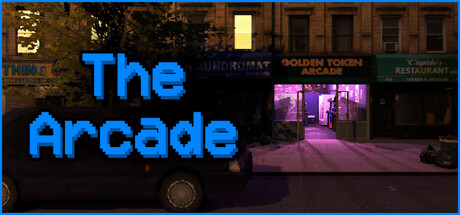 The Arcade In-game content art | Generative AI used for UV editing, and slight modifications to existing works. (80's arcade video game posters modified to avoid using trademarked content) | Colourplay Games | - | Sep 22, 2026 | |
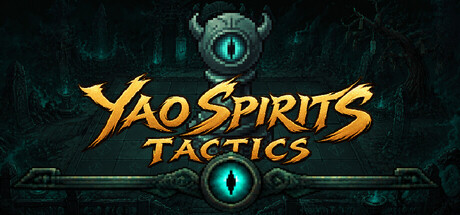 妖灵棋局 In-game content art | 本游戏在开发过程中使用了生成式人工智能辅助创作部分游戏内容,包括部分美术资源和视觉素材。生成的内容经过人工筛选、修改和整合,并由开发者进行最终设计与制作。 | Star | - | Sep 22, 2026 | |
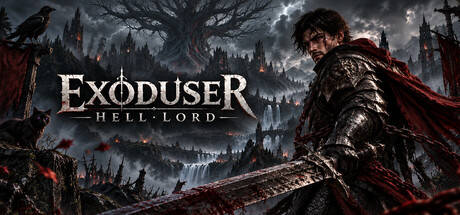 EXODUSER: HELL LORD In-game content artaudio | This game uses generative AI tools to assist in the creation of pre-rendered visual assets (concept art, textures, background illustrations, key visuals), sound effects, and background music. All AI-generated content is reviewed, edited, and curated by the developer before being included in the final build. No AI generation occurs during gameplay, and no external AI services are connected at runtime. | FOR DEAR GAMERS | - | Sep 22, 2026 | |
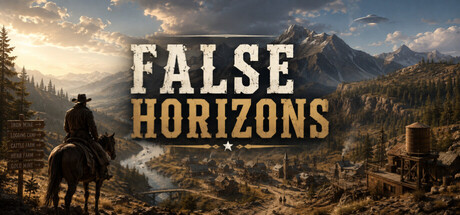 False Horizons In-game content art | This game uses generative artificial intelligence to create certain UI elements or images. | Stag Studios | - | Sep 22, 2026 | |
 取经人 In-game content artaudiotext | Generative AI was used during development to create or refine some of the game’s visual assets and music, and to assist with localization. These assets were selected by the developer and edited and adapted as needed. The game does not generate AI content in real time during gameplay. | SvenFish Games | - | Sep 22, 2026 | |
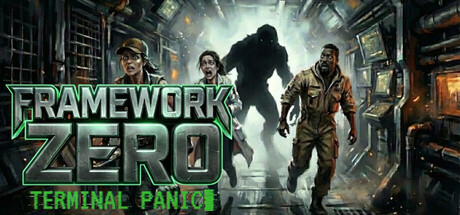 Framework Zero: Terminal Panic In-game content art | Generative AI was used to assist in creating marketing graphics including the store capsule art, the game title logo, and the application icon. | Big Dumb Fun Games | - | Sep 22, 2026 | |
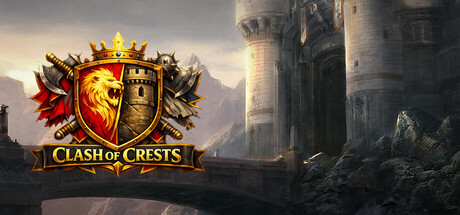 Clash of Crests In-game content arttext | Some of the artwork in Clash of Crests was produced with generative AI image tools and then cropped, composited, retouched and finished by the developer. This includes unit and character portraits, faction crests, campaign banners and key art, and some environment and prop art. Parts of the in-game lore and flavour text were drafted with AI assistance and then edited by the developer. Nothing is generated by AI while you play: all content ships with the game as fixed, pre-made assets. | The Real Z Studios | - | Sep 22, 2026 | |
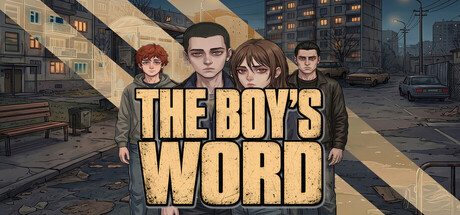 THE BOY'S WORD In-game content art | Part of the game's visual content (location backgrounds and some animated CG scenes) was created using generative neural networks based on references and artistic descriptions developed by the author. | featherbyte | - | Sep 22, 2026 | |
 Survival Float Simulator - Crocodile Waters Craft, Raft, Build In-game content art | AI-generated art object | SimulatorMaker Studio | - | Sep 22, 2026 | |
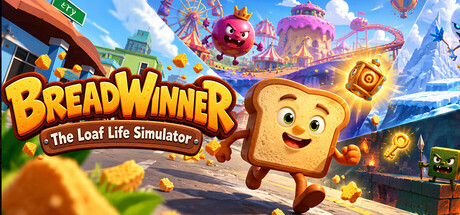 Breadwinner - The Loaf Life Simulator In-game content art | Some of the promotional and storefront images were created with AI tools and then refined by hand. All of the in-game assets were designed by a 3D artist. | SoftwareWizard | - | Sep 22, 2026 | |
 The Demon Lurking in Osaka Castle – Episode 1 In-game content arttextcode | Generative AI was used during development for certain supernatural visual elements and pre-rendered video sequences, and to assist with some visual design, UI, localization, code modifications, and limited narrative design. All live-action footage of Osaka Castle Park was filmed on location. No AI-generated content is created during gameplay. | Osaka Games | - | Sep 21, 2026 | |
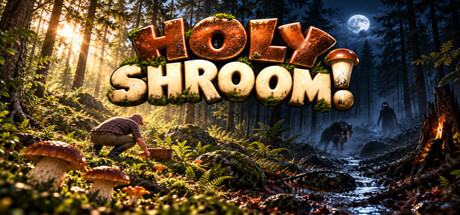 Holy Shroom! Store/marketing arttext | For text translations and the creation of individual graphics used for marketing and promotional purposes. | GameWood | - | Sep 21, 2026 | |
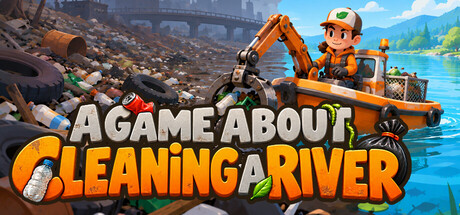 A Game About Cleaning a River Unclear | Some assets | APP1 | - | Sep 21, 2026 | |
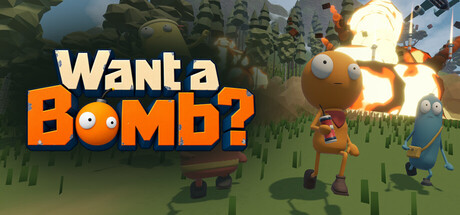 Want a Bomb? In-game content arttext | AI tools assisted in the creation of some 3D models, images, and localized text. These assets are reviewed and refined by the developer to align with the game's visual style and quality standards, with final creative decisions remaining in human hands. | humbledbag | - | Sep 21, 2026 | |
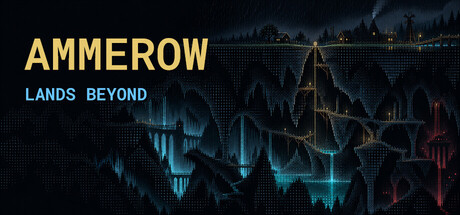 Ammerow: Lands Beyond In-game content audioarttext | The music in Ammerow: Lands Beyond was created with Claude Compose, a bespoke composition system built for this project. Rather than a generative music model, it works like a tireless studio composer: an AI assistant (Anthropic's Claude) writes and runs code that composes each piece note by note — melody, harmony, counterpoint and orchestration derived from music theory — and performs it through real, licensed virtual instruments in a professional DAW (Ableton Live). It then "listens back" by analysing the rendered audio to refine the balance. No generative audio/music model was used, no AI was trained on other artists' recordings, and no track was produced from a prompt. Every note is placed deliberately, and every piece is directed, reviewed and approved by a human. The result is authored, not generated.
The sound effects are an original, human-directed procedural synthesis library. Claude Code assisted in writing custom Python DSP software and individual cue recipes; every waveform was deterministically rendered from mathematical models and recorded seeds. No recordings, performers, samples, stock audio, sample libraries or generative-audio service were used.
Ammerow is designed primarily as a coloured ASCII game. Selected creature, item and shopkeeper illustrations began as AI-generated source images and are converted through a deterministic ASCII-art pipeline. The optional tile mode is a work-in-progress secondary presentation. Its small atlases were programmatically drawn in a custom SDL application using natural-language Codex direction. No generative-image model, inherited tileset, traced artwork or third-party graphical asset was used.
Some narrative, gameplay data and other player-facing material were also developed with AI assistance under human direction and review.
Some Steam marketing backgrounds were created using OpenAI image-generation tools and then selected, reviewed and combined with deterministic Ammerow branding by the developer.
No AI runs while the game is being played. | John Horton | - | Sep 21, 2026 | |
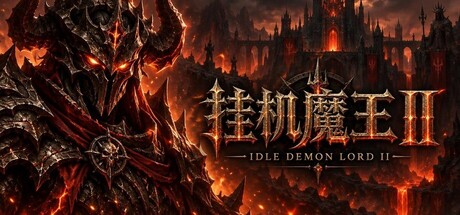 挂机魔王 II Unclear | 1.Some scenes
2.promotional renderings。 | Ashforge Games | - | Sep 21, 2026 | |
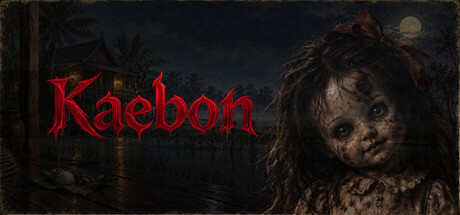 KAEBON In-game content artaudiotext | Generative AI was used during development to assist with some pre-generated artwork, audio, music, sound effects, and written content. All AI-assisted content was reviewed and edited by the developer before being included in the game. No live-generated AI is used during gameplay. | Plozila | - | Sep 21, 2026 | |
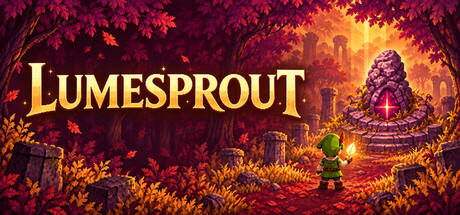 LUMESPROUT In-game content arttextcode | Generative AI tools were used during development to assist with programming, gameplay and balance systems, mission and narrative text, UI copy, Korean–English localization, and some store and marketing text. Generative AI was also used to create an early pre-rendered concept image for the game's visual direction. The current in-game character and environment artwork, fonts, music, and most sound effects are human-created assets used under their respective licenses. The game does not generate content with AI at runtime, and players cannot submit prompts or interact with generative AI. | Dev Dot | - | Sep 21, 2026 | |
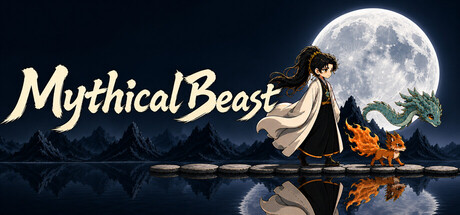 灵兽问道-MythicalBeast In-game content arttext | Generative AI tools were used during development to assist in creating some visual assets. These assets are included as pre-generated content. AI tools also assisted with store page copy and translations. The game does not generate AI content during gameplay or connect to external AI services. | huabo huang | - | Sep 21, 2026 | |
 Mutiny Island 2: The Pirate's Court In-game content artaudio | Generative AI tools were used during development to assist with creating and refining a limited number of sprites, images, and sound effects. All resulting assets were reviewed, edited where necessary, and approved before inclusion in the game. The game does not generate AI content during gameplay. | Elushis | - | Sep 21, 2026 | |
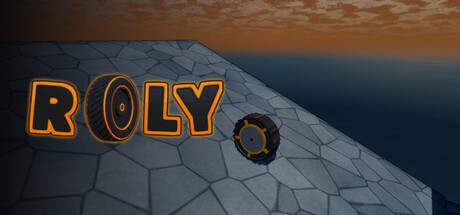 ROLY In-game content art | "The game uses artificial intelligence generation tools to create pre-rendered 2D content, specifically the game's logo and graphic elements for the store page." | Frederico Dos Santos Lima | - | Sep 21, 2026 | |
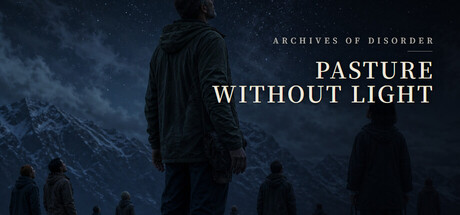 Archives of Disorder - Pasture Without Light In-game content artaudiotext | The story outline, the characters, and the five branching endings were created by hand. On that basis, the script prose, the 357 background illustrations, the soundtrack and the sound effects were generated with AI and individually reviewed by the developer before inclusion; candidates that did not pass were discarded and are not in the game. The English and Japanese translations were produced with AI and spot-checked by the developer. The store artwork and trailer also use AI-generated images.
No AI runs while you play. All content is fixed at release. | Vison | - | Sep 21, 2026 | |
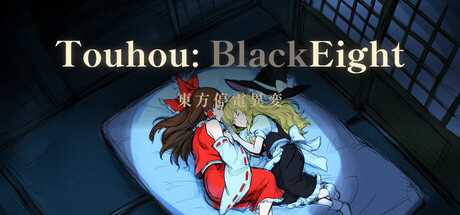 Touhou: BlackEight In-game content art | Character illustrations and 3D models in this game were created using generative AI. | OBORO | - | Sep 21, 2026 | |
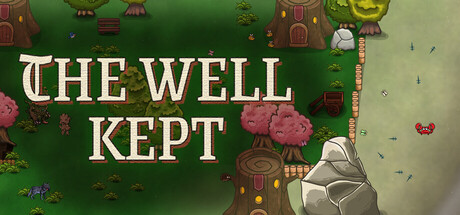 The Well Kept In-game content text | AI translation tools were used to assist with localization from English to other languages.
The original English script was hand written, and no generative AI art, sound, or music was used in the game or promo materials. | Redfar | - | Sep 21, 2026 | |
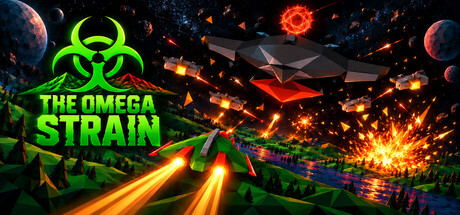 The Omega Strain Store/marketing art | Pre-generated AI-assisted artwork is used for some store/marketing graphical assets. The game does not generate AI content at runtime. All assets are reviewed by the developer before release. | Coincidence of Imagina | - | Sep 21, 2026 | |
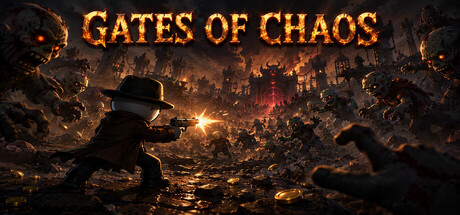 gates of chaos In-game content art | "Generative AI tools were used to create some of the in-game character artwork and object visuals." | Çağrı Alparslan | - | Sep 21, 2026 | |
 Tutorial Hell In-game content audioart | Generative AI was used for most in-game voice lines and sound effects, and for some 3D props. | Alfamonk | - | Sep 20, 2026 | |
 UNDER ROOMS In-game content text | This game utilizes Artificial Intelligence solely for text translation and localization across different languages. All translated text has been manually reviewed and proofread for quality and coherence. All other aspects of development, including game design, mechanics, and art, are original assets. The audio features a mix of original work and third-party assets used under their respective licenses. | Valdez Brothers | - | Sep 20, 2026 | |
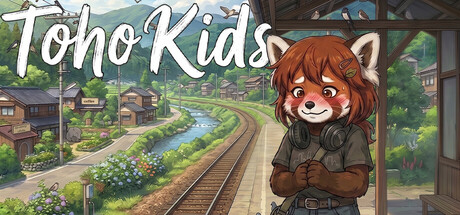 TohoKids In-game content arttext | Almost all graphic elements in the game were created using artificial intelligence tools and subsequently refined in graphic editing software to ensure visual consistency. Non-English translations are generated automatically.
No AI-generated content is created in real time during gameplay. All graphical assets are static and pre-rendered. | MonardoFunClub | - | Sep 20, 2026 | |
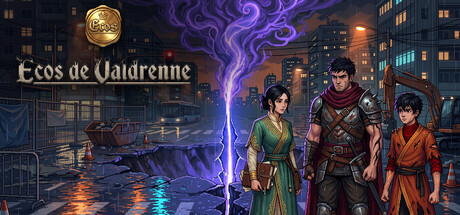 Ecos de Valdrenne In-game content artaudiocode | Pre-generated content: part of the game's art (backgrounds, character and enemy sprites, portraits, props, key art and capsule images) was created with generative image tools (Google Gemini, PixelLab) and then reviewed, cut, edited and assembled by hand by the developer. Some sound effects were produced with AI audio tools (ElevenLabs). Parts of the source code were written with the assistance of an AI coding assistant (Anthropic Claude) under the developer's direction and review. The story, game design, world, dialogue and puzzles are the developer's own work.
Live-generated content: none. The game does not generate any content with AI while it is running. | Manuel Manzano | - | Sep 19, 2026 | |
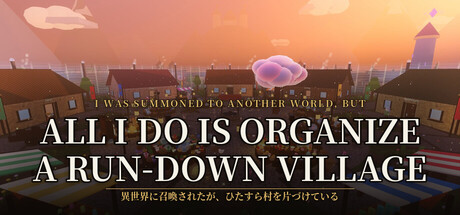 I Was Summoned to Another World, but All I Do Is Organize a Run-Down Village In-game content artcode | This game contains content created with the assistance of AI tools. AI was used during development to assist with programming, visual assets, and other creative elements. All generated content was reviewed, edited, and integrated by the dev. | ISEKAI Games | - | Sep 19, 2026 | |
 The 31st Student In-game content arttext | Generative AI assisted with selected store and library artwork and some localization text. This content was created before release; the game does not use real-time AI generation. | Threshold Echo | - | Sep 19, 2026 | |
 Orange Wiki In-game content artaudiotext | Generative AI tools were used during development to create or assist with 3D models, voice audio, and translations/localization. Generative AI was also used to create and edit promotional artwork for the Steam store and library, including capsule images, backgrounds, and logo artwork. | Clusion Games | - | Sep 19, 2026 | |
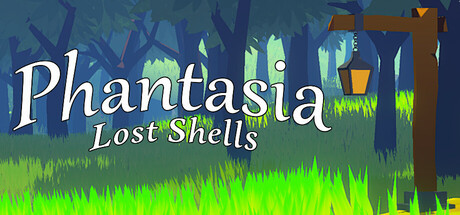 Phantasia: Lost Shells Unclear | Some of the UI components were drafted with the help of AI. | abdek | - | Sep 19, 2026 | |
 Deepwood Valley Live AI text | Deepwood Valley uses a generative AI language model to power conversations with the
characters who live in the valley. The model runs entirely on your own computer — no
account is required, and nothing you type is sent to us or to any third party.
Every line of AI-generated dialogue passes through a deterministic content filter
before it is displayed. This filter is compiled into the game, runs on all generated
speech without exception, and cannot be turned off by the player or by mods.
Character personalities, story, world design, and all art and audio are authored by
our team. | Cometforge | - | Sep 19, 2026 | |
 Sherlock Mysteries: Victorian Investigations In-game content textartaudio | Localisations and localized narrations are done with AI. Some graphical elements and videos are rendered with AI tools. | Socrates Games Studio | - | Sep 19, 2026 | |
 Água Suja (Nobody Dies Here) In-game content arttext | This game uses generative AI tools in production, under human direction. Part of the 2D art (characters, backgrounds, icons, interface) and part of the text go through these tools, always from direction, references and rules I define, and always reviewed, corrected and approved piece by piece before entering the game. Other art and text in the game were made by hand. All decisions about story, script, scene design, mechanics and art direction are mine. The game has no voice acting, and no AI-generated voice. Nothing is generated while you play: everything the game shows is a fixed file in the package. | B&B Studios | - | Sep 19, 2026 | |
 FishyFox In-game content art | FishyFox includes pre-generated visual assets created with the assistance of generative AI tools. These assets were selected, edited, refined, composited, and integrated by the developer. No content is generated by AI while the game is running. | Arthur Richardson | - | Sep 19, 2026 | |
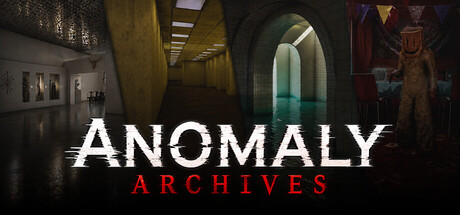 Anomaly Archives In-game content art | Used standard commercial AI image generators (Stable Diffusion/Midjourney) to create some environmental assets and wall decorations. | Yousf Jawhar | - | Sep 19, 2026 | |
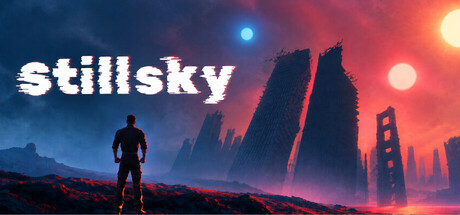 Stillsky Dev only artaudio | Proofreading some translations.
Some 3D assets and sounds. | Latent Games | - | Sep 19, 2026 | |
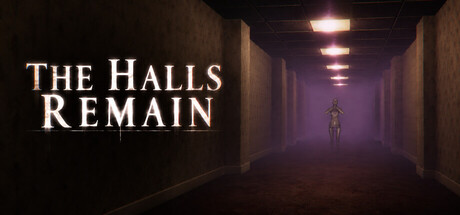 The Halls Remain In-game content text | Generative AI was used to assist with drafting and editing store-page text and localization. All generated text was reviewed and edited by the developer before publication. No generative AI is used during gameplay. | Threshold Echo | - | Sep 19, 2026 | |
 Catkin Hollow: The Moonbell Mystery In-game content arttextcode | Generative AI tools were used during development to assist with portions of the game’s source code, narrative, quest text, NPC dialogue, interface copy, and promotional artwork. All AI-assisted content was reviewed and incorporated by the developer before release. The game does not generate content using AI while it is running. | MrAgent | - | Sep 19, 2026 | |
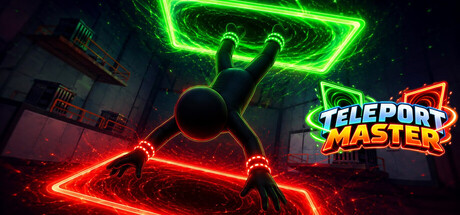 Teleport Master Store/marketing text | Generative AI was used as an assistive tool to create and edit store page descriptions and marketing text. All generated content was reviewed and edited by the developer before publication. No generative AI is used during gameplay. | Fluffy Games | - | Sep 19, 2026 | |
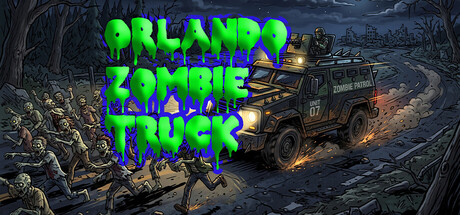 Orlando Zombie Truck Store/marketing art | Steam store page logo and cover art made with ai tools | Saylor Games | - | Sep 19, 2026 | |
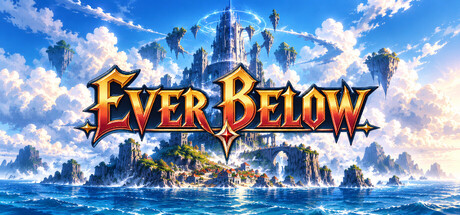 EVER BELOW Store/marketing art | EVER BELOW was created with the assistance of generative AI across parts of its content creation and development process, including visual assets and marketing materials. All AI-assisted content was manually reviewed, selected, edited where necessary, and all final creative and development decisions were made by the developer. | ShoninyasTube | - | Sep 19, 2026 | |
 Endless Tale Live AI audiotext | This game utilizes generative AI technologies in the following areas: [Pre-generated Content] Part of BGM: AI-generated audio is temporarily used as placeholder assets during development (to be progressively replaced in future updates). [Real-time Generation during Gameplay] In-Game Text: Dynamic generation of dialogues and narrative text tailored to in-game situations. Character Voice: Real-time speech synthesis for character voices based on generated text. *All real-time generation processes run entirely locally and securely on the player's machine, with no data transmitted to external servers. Furthermore, there is no feature allowing players to freely input custom text or prompts. | Ludogeist LLC | - | Sep 19, 2026 | |
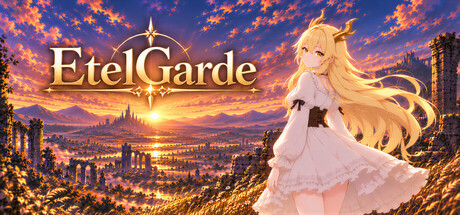 EtelGarde Live AI artaudiotext | Generative AI was used during development for some visual and audio assets.
During gameplay, narrative text and character dialogue are generated in real time by a third-party AI model selected and configured by the player. | Elrolin | - | Sep 19, 2026 | |
 Get On Board! In-game content text | AI was used for localization. | KeboStudio | - | Sep 19, 2026 | |
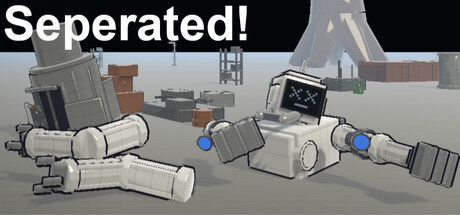 Seperated! Unclear | most of map props | nbbangsoft | - | Sep 19, 2026 |


