Public Steam disclosure research25,380 disclosures tracked
Where do games disclose AI use?
Search developers’ Steam disclosures, compare classified AI use across
games, and follow recorded changes.
This index adds cross-game classifications and statistics to
statements published on individual store pages.
Groups reflect automatic analysis of public disclosures; mature records are excluded. These counts do not measure AI use across all of Steam.
Missing or unclear statements cannot establish whether a game uses AI.
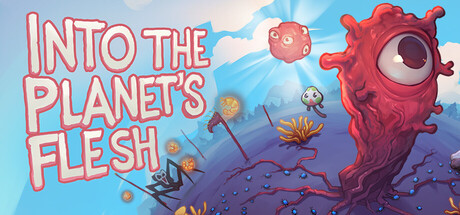
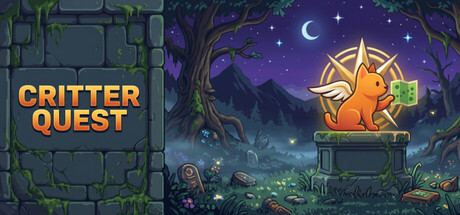
Some of the game's 2D art assets (creature/lifeform illustrations and background imagery) were created with the help of generative AI image-generation tools. All AI-generated assets were hand-selected, edited and curated by the developer before being included in the build. The game does not generate any AI content live at runtime — all content ships pre-made.
OrderlyWorld currently uses a limited number of pre-generated AI visual assets in the development build and store materials, including the main menu background. These assets are static and curated by the developer. The game does not generate content during play or connect to external AI services.
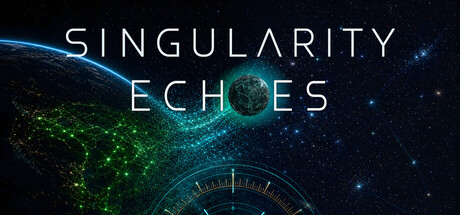
Some visual assets in Singularity Echoes and on this store page were created with generative AI tools during development, then reviewed and edited by the developer. This includes artwork for buildings, celestial bodies, and the Earth strategic map, as well as menu and store marketing imagery. Gameplay systems, UI logic, balance, and narrative text were implemented by the development team. The game does not use generative AI to create new content during play and does not connect to third-party AI services while you are playing.
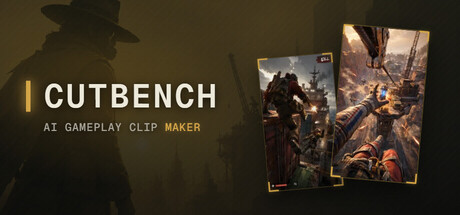
CutBench is a local video tool whose core feature runs bundled, pre-trained AI models entirely on-device: they analyze the user's own locally recorded gameplay footage (visual scene understanding, speech transcription, audio event detection) and generate short text for each clip - titles, captions, and hashtags. All processing happens locally on the user's GPU; no third-party AI service is contacted and no user content is uploaded. Some store page artwork (capsules, hero, and library images) was created with the assistance of generative AI image tools and was manually reviewed and edited; screenshots are real captures of the application.
Generative AI was used to create some initial concept imagery during development and marketing. All AI generated content is reviewed, heavily modified, edited and incorporated into final artwork by our art team before use. No AI generated content is produced during gameplay.
Generative AI tools were used during development to assist in the creation of selected textures, 3D models, 2D graphics, and written text used in the game and on the Steam store page. All AI-assisted assets and text were manually reviewed, edited, and integrated by the developer before release. The game does not use generative AI during gameplay and does not generate live content for players.
This game makes use of AI-assisted tools in the creation of certain visual assets. All AI-generated content has been manually reviewed, edited, and adapted by the developer to fit the artistic vision of the game.
Network Engineer leverages generative artificial intelligence to enhance gameplay immersion and realism. AI-driven systems dynamically simulate customer behavior, hardware issues, and environmental challenges, creating unique scenarios and ensuring no two playthroughs are alike. Your feedback will help refine these systems!
Some assets within the game are generated with the help of AI, this includes but is not limited to:
- Contracts (Company Names, Locations etc.)
- Hardware Names (For the networking device)
- Company Logos
Some visual assets used in the game were created with the help of generative AI. This includes certain service icons, such as Express Delivery, some NPC purchase icons, such as Cook and Burger Maker, and some burger ingredient images. These AI-generated visuals are used as in-game UI/store assets and item icons.
Some visual assets used in the game were created or refined with the assistance of generative AI tools. These assets include certain icons, UI elements, and promotional artwork. All AI-generated content has been reviewed, edited, and integrated by the developer to ensure consistency with the game's artistic direction and quality standards. No real-time AI-generated content is used during gameplay.
This game uses generative artificial intelligence during gameplay to generate text and data based on player input and game context.
The game does not use generative AI to generate artwork, audio, voice, music, videos, or other visual or sound assets. AI-generated content is limited to text and data used as part of the gameplay experience.
Some visual assets used in the game and store page were created using a combination of licensed art assets, generative AI-assisted imagery, and manual editing by the developer.
All AI-assisted content was reviewed and modified before being included in the final project.
We use Emoji's not Ai for Game Assets. This game does contain code assets that were created with the assistance of generative AI tools. All AI-generated content was heavily curated, edited, and modified by our human development team to ensure it aligns with the game's unique vision and quality standards. We affirm that we have the appropriate rights to all assets, both AI-generated and human-created, used in our game.
This game uses generative AI tools to create certain static visual assets, including background images, loading screens, character portraits, marketing materials, and ship illustrations.
No generative AI is used during gameplay to create game mechanics, simulations, text content, or dynamic systems. All gameplay mechanics and simulation systems are entirely handcrafted and deterministic.
This game uses generative AI tools to assist in creating some art assets, sound effects, and text content. All generated content has been reviewed and edited by humans to ensure compliance and quality.
Some sound effects and audio assets were initially generated using generative AI tools, and subsequently edited and refined by a human sound designer to fit the game's requirements.
AI was used to generate trailer music and couple of upgrades icons, but game is still in early development phase and i'm working on replacing those with real art.
Some translation text is translated by AI for languages where we have been unable to find a human translator. If you are interested in helping update these with human translations, contact holycowgamedev+translate@gmail.com
This game used generative AI as an auxiliary tool during development, mainly for early concept references, draft store assets, text drafts, and code-related development assistance. All final content used in the game and on the store page has been reviewed, edited, integrated, and approved by the development team. The game does not use generative AI services during gameplay and does not generate images, audio, text, code, or other content in real time based on player input.
Generative AI tools were used during development as an assistance tool for programming, debugging, design iteration, documentation, and store-page text drafting. All final game content, gameplay systems, assets, and published materials are reviewed, selected, and implemented by the developer.
Sol Survivor does not use live generative AI during gameplay. Players do not interact with an AI text, image, audio, or content-generation system while playing.
Generative AI was used to assist in the creation of certain promotional and store page marketing assets. No generative AI content is used during gameplay or generated for players at runtime.
Elftia is an AI agent platform. Through an included service, it connects to leading third-party AI models - large language models and image, video, music and speech generators - to power its agents. Elftia does not bundle, train or fine-tune any model of its own; all content is generated in real time by those models in response to the user's input. New users receive free starter credits, and additional usage can be purchased through Steam. Conversations and generated content are saved to the user's local library on their device.
Generative AI tools were used as part of the development and drafting workflow. Hex Tower Boogie does not generate content during gameplay, does not connect to external AI services, and all shipped/store content is reviewed and curated by the developer.
bossMAN uses generative AI as part of a user-directed software-development workflow.
Some store, brand, or visual materials may have been created or refined with AI-assisted tools and reviewed by the developer before use.
During use, bossMAN may display, organize, summarize, route, or help review AI-generated development output from a separately installed and authenticated user-configured backend, such as Codex, or a user-configured local LLM runtime if supported. This may include coding plans, project summaries, code review notes, command proposals, implementation guidance, documentation drafts, and source-code suggestions.
bossMAN does not include ChatGPT, Codex, OpenAI API access, AI usage credits, paid AI subscriptions, local LLM runtimes, model files, or model licenses. AI-generated output may be incomplete, incorrect, or unsuitable for a user's project, and users should review it for accuracy, relevance, and project fit before using or applying it.
Generative AI tools, including GPT/Codex, were used during development to create, draft, edit, and process pre-generated game content, including UI text, localization drafts, icons, interface assets, store copy, planning materials, QA materials, and code assistance.
All AI-assisted content included in the game or marketing materials was reviewed, selected, edited, and integrated by the developer before publication.
The game does not include live-generated AI content, AI chatbots, runtime AI generation, or in-game AI image generation.
Generative AI tools were used during the development process to assist in writing, optimizing, and refining C# scripts in Unity, as well as in the conceptualization, texture generation, and editing of 2D visual assets and user interface elements.
Some visual assets in Demon Ark: Idle RPG were created with the assistance of generative AI, including monster artwork, item and equipment icons, background images, and Steam store marketing assets such as capsule images and logo artwork. Unit character graphics and UI assets were produced separately as non-AI commissioned/manual artwork. All AI-assisted assets are reviewed, selected, and edited before being included in the game or store page. The game does not generate AI content during gameplay and does not connect to external AI services while running.
The art assets, source code, and portions of the related content in this game were primarily created with the assistance of artificial intelligence (AI), including but not limited to character designs, environment assets, UI elements, text assistance, and programming development. The developer reviewed, adjusted, and integrated the generated content for the final production and release of the game.
Generative AI was used to create initial game art concepts and certain marketing materials. Final in-game assets were reviewed and modified by the development team.
Authorisation Engine uses generative AI tools during development to assist with selected pre-generated assets and production materials, including some store artwork and audio/localization workflow support. All such content is reviewed and curated before inclusion. The game does not live-generate gameplay content with AI at runtime.
This game was developed with the assistance of generative AI tools. AI tools were used during development to help generate or organize code, game text, UI text, data structures, and some visual assets, such as icons or other art resources. All AI-assisted content is pre-generated and reviewed by the developer before being included in the game build. The game does not generate AI content during gameplay and does not connect to any external AI services.
Some of the game's 2D art assets (creature/lifeform illustrations and background imagery) were created with the help of generative AI image-generation tools. All AI-generated assets were hand-selected, edited and curated by the developer before being included in the build. The game does not generate any AI content live at runtime — all content ships pre-made.
OrderlyWorld currently uses a limited number of pre-generated AI visual assets in the development build and store materials, including the main menu background. These assets are static and curated by the developer. The game does not generate content during play or connect to external AI services.
Some visual assets in Singularity Echoes and on this store page were created with generative AI tools during development, then reviewed and edited by the developer. This includes artwork for buildings, celestial bodies, and the Earth strategic map, as well as menu and store marketing imagery. Gameplay systems, UI logic, balance, and narrative text were implemented by the development team. The game does not use generative AI to create new content during play and does not connect to third-party AI services while you are playing.
CutBench is a local video tool whose core feature runs bundled, pre-trained AI models entirely on-device: they analyze the user's own locally recorded gameplay footage (visual scene understanding, speech transcription, audio event detection) and generate short text for each clip - titles, captions, and hashtags. All processing happens locally on the user's GPU; no third-party AI service is contacted and no user content is uploaded. Some store page artwork (capsules, hero, and library images) was created with the assistance of generative AI image tools and was manually reviewed and edited; screenshots are real captures of the application.
Generative AI was used to create some initial concept imagery during development and marketing. All AI generated content is reviewed, heavily modified, edited and incorporated into final artwork by our art team before use. No AI generated content is produced during gameplay.
Generative AI tools were used during development to assist in the creation of selected textures, 3D models, 2D graphics, and written text used in the game and on the Steam store page. All AI-assisted assets and text were manually reviewed, edited, and integrated by the developer before release. The game does not use generative AI during gameplay and does not generate live content for players.
This game makes use of AI-assisted tools in the creation of certain visual assets. All AI-generated content has been manually reviewed, edited, and adapted by the developer to fit the artistic vision of the game.
Network Engineer leverages generative artificial intelligence to enhance gameplay immersion and realism. AI-driven systems dynamically simulate customer behavior, hardware issues, and environmental challenges, creating unique scenarios and ensuring no two playthroughs are alike. Your feedback will help refine these systems!
Some assets within the game are generated with the help of AI, this includes but is not limited to:
- Contracts (Company Names, Locations etc.)
- Hardware Names (For the networking device)
- Company Logos
Some visual assets used in the game were created with the help of generative AI. This includes certain service icons, such as Express Delivery, some NPC purchase icons, such as Cook and Burger Maker, and some burger ingredient images. These AI-generated visuals are used as in-game UI/store assets and item icons.
Some visual assets used in the game were created or refined with the assistance of generative AI tools. These assets include certain icons, UI elements, and promotional artwork. All AI-generated content has been reviewed, edited, and integrated by the developer to ensure consistency with the game's artistic direction and quality standards. No real-time AI-generated content is used during gameplay.
This game uses generative artificial intelligence during gameplay to generate text and data based on player input and game context.
The game does not use generative AI to generate artwork, audio, voice, music, videos, or other visual or sound assets. AI-generated content is limited to text and data used as part of the gameplay experience.
Some visual assets used in the game and store page were created using a combination of licensed art assets, generative AI-assisted imagery, and manual editing by the developer.
All AI-assisted content was reviewed and modified before being included in the final project.
We use Emoji's not Ai for Game Assets. This game does contain code assets that were created with the assistance of generative AI tools. All AI-generated content was heavily curated, edited, and modified by our human development team to ensure it aligns with the game's unique vision and quality standards. We affirm that we have the appropriate rights to all assets, both AI-generated and human-created, used in our game.
This game uses generative AI tools to create certain static visual assets, including background images, loading screens, character portraits, marketing materials, and ship illustrations.
No generative AI is used during gameplay to create game mechanics, simulations, text content, or dynamic systems. All gameplay mechanics and simulation systems are entirely handcrafted and deterministic.
This game uses generative AI tools to assist in creating some art assets, sound effects, and text content. All generated content has been reviewed and edited by humans to ensure compliance and quality.
Some sound effects and audio assets were initially generated using generative AI tools, and subsequently edited and refined by a human sound designer to fit the game's requirements.
AI was used to generate trailer music and couple of upgrades icons, but game is still in early development phase and i'm working on replacing those with real art.
Some translation text is translated by AI for languages where we have been unable to find a human translator. If you are interested in helping update these with human translations, contact holycowgamedev+translate@gmail.com
This game used generative AI as an auxiliary tool during development, mainly for early concept references, draft store assets, text drafts, and code-related development assistance. All final content used in the game and on the store page has been reviewed, edited, integrated, and approved by the development team. The game does not use generative AI services during gameplay and does not generate images, audio, text, code, or other content in real time based on player input.
Generative AI tools were used during development as an assistance tool for programming, debugging, design iteration, documentation, and store-page text drafting. All final game content, gameplay systems, assets, and published materials are reviewed, selected, and implemented by the developer.
Sol Survivor does not use live generative AI during gameplay. Players do not interact with an AI text, image, audio, or content-generation system while playing.
Generative AI was used to assist in the creation of certain promotional and store page marketing assets. No generative AI content is used during gameplay or generated for players at runtime.
Elftia is an AI agent platform. Through an included service, it connects to leading third-party AI models - large language models and image, video, music and speech generators - to power its agents. Elftia does not bundle, train or fine-tune any model of its own; all content is generated in real time by those models in response to the user's input. New users receive free starter credits, and additional usage can be purchased through Steam. Conversations and generated content are saved to the user's local library on their device.
Generative AI tools were used as part of the development and drafting workflow. Hex Tower Boogie does not generate content during gameplay, does not connect to external AI services, and all shipped/store content is reviewed and curated by the developer.
bossMAN uses generative AI as part of a user-directed software-development workflow.
Some store, brand, or visual materials may have been created or refined with AI-assisted tools and reviewed by the developer before use.
During use, bossMAN may display, organize, summarize, route, or help review AI-generated development output from a separately installed and authenticated user-configured backend, such as Codex, or a user-configured local LLM runtime if supported. This may include coding plans, project summaries, code review notes, command proposals, implementation guidance, documentation drafts, and source-code suggestions.
bossMAN does not include ChatGPT, Codex, OpenAI API access, AI usage credits, paid AI subscriptions, local LLM runtimes, model files, or model licenses. AI-generated output may be incomplete, incorrect, or unsuitable for a user's project, and users should review it for accuracy, relevance, and project fit before using or applying it.
Generative AI tools, including GPT/Codex, were used during development to create, draft, edit, and process pre-generated game content, including UI text, localization drafts, icons, interface assets, store copy, planning materials, QA materials, and code assistance.
All AI-assisted content included in the game or marketing materials was reviewed, selected, edited, and integrated by the developer before publication.
The game does not include live-generated AI content, AI chatbots, runtime AI generation, or in-game AI image generation.
Generative AI tools were used during the development process to assist in writing, optimizing, and refining C# scripts in Unity, as well as in the conceptualization, texture generation, and editing of 2D visual assets and user interface elements.
Some visual assets in Demon Ark: Idle RPG were created with the assistance of generative AI, including monster artwork, item and equipment icons, background images, and Steam store marketing assets such as capsule images and logo artwork. Unit character graphics and UI assets were produced separately as non-AI commissioned/manual artwork. All AI-assisted assets are reviewed, selected, and edited before being included in the game or store page. The game does not generate AI content during gameplay and does not connect to external AI services while running.
The art assets, source code, and portions of the related content in this game were primarily created with the assistance of artificial intelligence (AI), including but not limited to character designs, environment assets, UI elements, text assistance, and programming development. The developer reviewed, adjusted, and integrated the generated content for the final production and release of the game.
Generative AI was used to create initial game art concepts and certain marketing materials. Final in-game assets were reviewed and modified by the development team.
Authorisation Engine uses generative AI tools during development to assist with selected pre-generated assets and production materials, including some store artwork and audio/localization workflow support. All such content is reviewed and curated before inclusion. The game does not live-generate gameplay content with AI at runtime.
This game was developed with the assistance of generative AI tools. AI tools were used during development to help generate or organize code, game text, UI text, data structures, and some visual assets, such as icons or other art resources. All AI-assisted content is pre-generated and reviewed by the developer before being included in the game build. The game does not generate AI content during gameplay and does not connect to any external AI services.