








Disclosure
steam logo and cover art made with ai software
- Creator
- Kendall Studios
- Reviews
- -
- Added
- Aug 20, 2026
Public Steam disclosure research 25,380 disclosures tracked
Search developers’ Steam disclosures, compare classified AI use across games, and follow recorded changes. This index adds cross-game classifications and statistics to statements published on individual store pages.
Code help, debugging and other development work.
Capsule art, trailers and promotional material.
Pre-made art, audio, writing and other game assets.
Interactive or runtime AI features disclosed by the developer.
Groups reflect automatic analysis of public disclosures; mature records are excluded. These counts do not measure AI use across all of Steam. Missing or unclear statements cannot establish whether a game uses AI.
steam logo and cover art made with ai software
We are committed to the ethical use of AI. As such, limited assistance with some text, spoken dialogue, narrative, localization, and store/marketing copy may have been utilized. It is not used to generate artwork or live gameplay content, and all final content is reviewed by the team.
Generative AI tools were used during development to create and assist with some pre-generated artwork, localization, and store/marketing assets. All AI-assisted content was reviewed and edited by the developer before inclusion in the final product. The game does not generate AI content during gameplay.
Background music and placeholder images
Some of the images in the game are AI generated
Root Cause is utilizes AI assets in the game. This content, when utilized, is generated during development, then curated, edited, and committed to the project before release. Nothing is generated while the game is running. Items that may be generated: Illustrated art. UI/Interfaces Icon Sets Sounds and Music Dialogue, case briefings, case content, and interface copy
Generative AI tools were used during development to assist with the creation and iteration of some game assets and development code. AI-assisted content included in the final game is pre-generated and reviewed by the developer. The game does not generate AI content during gameplay.
Music and sound effects were AI-generated (Suno / ElevenLabs) and edited by the developer. AI (Claude Code) was also used as a coding assistant during development. Visual assets are licensed/purchased assets and are not AI-generated. No AI content is generated live during gameplay all content is fixed and authored before release.
Most of the graphic images were generated using AI with further manual processing
Generative AI tools were used to assist in the creation of some artwork, store page graphics, 3D assets, and audio content. No generative AI is used to generate content live during gameplay.
Generative AI tools were used during the development process for pre-generated image assets, specifically for refining, upscaling, and enhancing original artwork created by the developer. No real-time AI generation is used in the game.
Pre-generated only. Nothing is generated live while the game runs, and the game makes no network calls of any kind. 2D card illustrations were produced with an AI image tool from hand-written art-direction prompts, then cropped, recoloured and composited by hand into the game's painted card frames. A small number of 3D prop meshes were produced with an image-to-3D model (Microsoft TRELLIS, MIT licensed) and edited before use; most world geometry is built procedurally in code rather than generated. Ambient beds and music were produced with an AI music tool against a fixed written spec (key of D, 72 BPM, fades in from silence, no climax) and are mixed and crossfaded by the game's own audio code. All code, game design, UI layout, in-game text and store text are human-authored. Some combat sound effects are CC0 samples from Freesound. No player data is sent to any AI service.
AI tools were used for some initial concept designs. All final in-game assets, characters and scenes have been extensively hand-edited, redrawn and post-processed by the developer to achieve a consistent hand-drawn comic style.
AI was used to create graphical assets used in the game.
The game code, art, and sound was all generated by a combination of Generative AI tools.
DriveGear includes some pre-generated visual and audio assets created with AI tools. These assets were selected and edited by the developer and ship as fixed content. No content is generated by AI during gameplay.
AI has been used to localize page descriptions into some languages. Generative translation will eventually be replaced by human translation.
Various visual assets and promotional materials for Get Outta My Gut were created with the assistance of generative AI tools. All AI-generated content was reviewed, refined, and integrated by the developer to ensure consistency with the game's artistic direction and quality standards.
The murals in the game are actually restored from real historical murals using AI.
Some development of FOOTDICE was assisted by generative AI tools. Game's code, portion of visual assets (svgs files), and text for marketing materials were created with AI assistance and then reviewed, edited, and finalized by the developer. All content in the game is pre-generated — the game does not create content using AI while you play, and no player data is sent to AI services.
The game's 2D artwork, including card and unit illustrations, worker portraits, and store assets, was generated with AI image tools and then reviewed, selected, and edited by the developer. Parts of the in-game text and localizations were also written with AI assistance. The game does not generate any content with AI at runtime.
Generative AI tools were used to assist in the creation of promotional store assets (such as store banners and visual graphics). Additionally, AI-assisted tools were used during development to help write and optimize procedural C# code for dynamic map generation and environment layout variation. The game itself does not generate content or call external AI models in real-time while running.
Some pre-rendered artwork and marketing assets were created with generative AI tools and then reviewed and edited by the developer before inclusion. The game does not generate new content during gameplay.
The English localization of Channel 453 was produced through a combination of human translation and editing. Some sections of the game, including portions of the demo, were translated by a human translator. For a limited number of sections in the full game, generative AI tools were used only as a first-pass aid for English localization and language editing. These tools were not used to create the original scenario or characters. All AI-assisted English text was subsequently reviewed, revised, and polished by humans before being included in the final game. We are providing this information on Steam in the interest of transparency and to help players make an informed decision about the game. To avoid any misunderstanding: this refers to a test-stage build. The final release will be provided with fully human-translated localization alongside the finalized store page update.
Marketing and Development Assistant
game puzzle images which contain different lawnmowers made with ai software tools
AI is used to enhance and upscale some images.
Generative AI tools were used during development to create some pre-generated 2D concept art and visual assets that appear in the game and its marketing materials. These assets were selected, edited, integrated, and reviewed by the development team. The game does not generate AI content while it is running.
AI tools are used to generate some of the game's content, which is then reviewed, edited and polished by the team.
Generative AI was used during development to assist with selected pre-generated marketing and Steam store artwork, concept and reference images, product packaging artwork and textures, and localization. All AI-assisted content was reviewed, edited and curated by the developer before being included. The game does not generate AI content during gameplay.
Generative AI tools were used during development to assist with portions of code writing and debugging, text drafting and editing, English localization, and the creation of some music assets. All related content was manually reviewed, revised, curated, and approved by the developer. The game does not generate any AI content during gameplay and does not connect to external AI services.
Some background music inside the game was created with generative AI tools. Generative AI was also used as a development assistant for some debugging, and code building. The game does not use live AI generation during playing.
LemonFC was developed with AI assistance (including Anthropic Claude) for writing and revising program code and for drafting German-language in-game event texts. The graphics and texts of this store page (capsule images, descriptions) were also created or drafted using AI tools. All content — in-game and on the store page — was reviewed, edited and approved by the developer; game design and balancing are the developer's own work. The game does not generate AI content at runtime — all content is fixed before release and human-approved. No player data is sent to AI services.
Ash Run '84 is a human-designed game built with the assistance of AI tools in specific areas of development. *Gameplay, mechanics, game design, level design, balance, pixel art units, buildings, tiles, UI, and production direction were created by our two-person development team.* AI Created: - Commander portraits are currently AI-assisted placeholder artwork. We plan to replace them with original human-created artwork as development continues. - Music is currently AI-generated for this release. If the game receives sufficient support, we intend to commission an original soundtrack composed by a human musician. - Programming was developed by our team with AI-assisted coding tools used to accelerate implementation, debugging, testing, and iteration. All code was reviewed, integrated, and directed by the developers.
Avatars have been made with the help of the AI tool but we going to replace it on real art before release.
Generative AI was used solely as a development assistance tool. All player-facing artwork, audio, narrative, localization, and marketing assets were created by the developer. The game does not include or generate AI-created content.
Some content in this game was enhanced using generative artificial intelligence (AI).
Some visual assets and promotional artwork were created with the assistance of generative AI tools and subsequently selected, edited, composited, and integrated by the developer. We intend to use AI to help for translating and localizing the game.
This game includes AI-generated content, including some graphical assets, promotional artwork, and localized text.
This game uses generative AI to assist in producing some in-game text (such as news articles, in-game emails, and flavor text), 2D visual assets (such as player portraits, icons, and background art), and audio (background music and user interface sound effects). All AI-assisted content is generated during development and reviewed before release; the game does not generate content while you play.
This game was made by a two-person team specializing in storytelling. The entire narrative, all gameplay systems, UI, animations, core sound and game design were built entirely by our team. AI was used to generate some of audio and graphical assets due to the limited resources. Scenario was originally written in Ukrainian language, so translations might have minor mistakes. Thank you for your understanding.
Artificial intelligence was used for the images, sounds, music, and the store page.
Images are created with AI
Yes — pre-rendered only (no real-time generative AI during gameplay). Generative AI tools were used to create or refine some visual assets (UI, images, marketing / store materials) and parts of text / localization. Gameplay, code and game design are made and reviewed by the studio. No AI content is generated live during play.
During development, OpenAI image generation tools were used to create portions of the game's 2D artwork, including characters, monsters, backgrounds, UI elements, and icons. Suno was used to create portions of the background music, and ElevenLabs was used to create portions of the sound effects. Generative AI was also used as a drafting and editing aid for some in-game writing and localization. All generated material was selected, edited, processed, and reviewed by the developer before inclusion in the game. The game does not connect to generative AI services at runtime and does not generate content from player input.
Generative AI was used exclusively as a programming assistant during development to help write and optimize the game's code. All creative elements, including the story, game design, and artwork, were entirely crafted by human hand.
Music composed in Udio studio
Generative AI tools were used to assist in creating initial visual assets (such as background textures and UI elements). All generated assets have been manually edited, refined, and integrated into the game by the developer.
The Previous Owner uses generative AI as an assistive tool under human art direction and editorial control. The game's painted artwork — scene plates, room and prop textures, character and portrait art, the found photographs, the book spreads and the store art — was pre-generated with generative image tools, then curated, keyed, composited and hand-corrected by the developer; a small number of props are AI-generated 3D meshes, and some looping scene animations are AI-generated video. Music and sound effects are pre-generated with AI tools and edited by the developer. The narrative text is human–AI co-written under the author's direction and human-edited; the story, its structure and the game design are the author's. Everything ships pre-rendered in the build — the game generates nothing live during play. No real people are depicted; every character, book, photograph and document in the game is fictional.
Generative AI tools were used during development to assist with the creation of selected pre-generated assets, including visual artwork, character assets, music, and sound effects. These tools were used as part of the development workflow, while the game's design, direction, gameplay systems, implementation, level design, and final integration were created and curated by the developer. No generative AI is used to create new content during gameplay.
| Title⇅ | Disclosure | Creator⇅ | Src | Reviews⇅ | Added↓ |
|---|---|---|---|---|---|
 Sad Virus Foodland Store/marketing art | steam logo and cover art made with ai software | Kendall Studios | - | Aug 20, 2026 | |
 VCO: Victor Charlie One In-game content text | We are committed to the ethical use of AI. As such, limited assistance with some text, spoken dialogue, narrative, localization, and store/marketing copy may have been utilized.
It is not used to generate artwork or live gameplay content, and all final content is reviewed by the team. | Systems Heavy | - | Aug 19, 2026 | |
 Sue your parents In-game content arttext | Generative AI tools were used during development to create and assist with some pre-generated artwork, localization, and store/marketing assets. All AI-assisted content was reviewed and edited by the developer before inclusion in the final product. The game does not generate AI content during gameplay. | SOOJISTUDIO | - | Aug 19, 2026 | |
 Rail Capital Unclear audioart | Background music and placeholder images | Dave Ramsey | - | Aug 19, 2026 | |
 Auction Simulator In-game content art | Some of the images in the game are AI generated | WOMBEX Games | - | Aug 19, 2026 | |
 Root Cause In-game content artaudiotext | Root Cause is utilizes AI assets in the game. This content, when utilized, is generated during development, then curated, edited, and committed to the project before release. Nothing is generated while the game is running.
Items that may be generated:
Illustrated art.
UI/Interfaces
Icon Sets
Sounds and Music
Dialogue, case briefings, case content, and interface copy | Osaka Rock | - | Aug 19, 2026 | |
 Epic Space Battles In-game content artcode | Generative AI tools were used during development to assist with the creation and iteration of some game assets and development code. AI-assisted content included in the final game is pre-generated and reviewed by the developer. The game does not generate AI content during gameplay. | BlueGamer Productions | - | Aug 19, 2026 | |
 Scroll Shop In-game content audiocode | Music and sound effects were AI-generated (Suno / ElevenLabs) and edited by the developer. AI (Claude Code) was also used as a coding assistant during development. Visual assets are licensed/purchased assets and are not AI-generated. No AI content is generated live during gameplay all content is fixed and authored before release. | indie-dir | - | Aug 19, 2026 | |
 Grim wanderings reborn In-game content art | Most of the graphic images were generated using AI with further manual processing | Ellinia games | - | Aug 19, 2026 | |
 Tire Dealer Simulator In-game content artaudio | Generative AI tools were used to assist in the creation of some artwork, store page graphics, 3D assets, and audio content. No generative AI is used to generate content live during gameplay. | RamWhite Interactive | - | Aug 19, 2026 | |
 Until I Reclaim It In-game content art | Generative AI tools were used during the development process for pre-generated image assets, specifically for refining, upscaling, and enhancing original artwork created by the developer. No real-time AI generation is used in the game. | yongtasy | - | Aug 19, 2026 | |
 The Offering In-game content artaudio | Pre-generated only. Nothing is generated live while the game runs, and the game makes no network calls of any kind.
2D card illustrations were produced with an AI image tool from hand-written art-direction prompts, then cropped, recoloured and composited by hand into the game's painted card frames. A small number of 3D prop meshes were produced with an image-to-3D model (Microsoft TRELLIS, MIT licensed) and edited before use; most world geometry is built procedurally in code rather than generated. Ambient beds and music were produced with an AI music tool against a fixed written spec (key of D, 72 BPM, fades in from silence, no climax) and are mixed and crossfaded by the game's own audio code.
All code, game design, UI layout, in-game text and store text are human-authored. Some combat sound effects are CC0 samples from Freesound.
No player data is sent to any AI service. | Duskmothgames | - | Aug 19, 2026 | |
 The Rift Trader In-game content art | AI tools were used for some initial concept designs. All final in-game assets, characters and scenes have been extensively hand-edited, redrawn and post-processed by the developer to achieve a consistent hand-drawn comic style. | Tremolo Games | - | Aug 19, 2026 | |
 좀비 프린세스 In-game content art | AI was used to create graphical assets used in the game. | fairx | - | Aug 19, 2026 | |
 Table of War In-game content artaudiocode | The game code, art, and sound was all generated by a combination of Generative AI tools. | Densanon | - | Aug 19, 2026 | |
 DriveGear In-game content artaudio | DriveGear includes some pre-generated visual and audio assets created with AI tools. These assets were selected and edited by the developer and ship as fixed content. No content is generated by AI during gameplay. | Coffee n Cards | - | Aug 19, 2026 | |
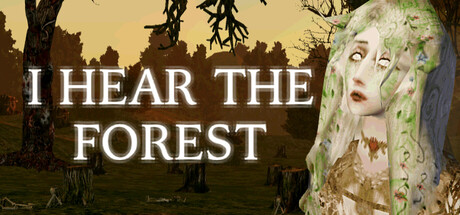 I Hear the Forest In-game content text | AI has been used to localize page descriptions into some languages. Generative translation will eventually be replaced by human translation. | Podoba Interactive | - | Aug 19, 2026 | |
 Get Outta My Gut Store/marketing art | Various visual assets and promotional materials for Get Outta My Gut were created with the assistance of generative AI tools.
All AI-generated content was reviewed, refined, and integrated by the developer to ensure consistency with the game's artistic direction and quality standards. | INDIE-SQUID | - | Aug 19, 2026 | |
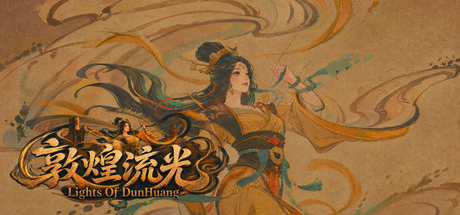 敦煌流光 In-game content art | The murals in the game are actually restored from real historical murals using AI. | JZHacker | - | Aug 19, 2026 | |
 FOOTDICE In-game content arttextcode | Some development of FOOTDICE was assisted by generative AI tools. Game's code, portion of visual assets (svgs files), and text for marketing materials were created with AI assistance and then reviewed, edited, and finalized by the developer.
All content in the game is pre-generated — the game does not create content using AI while you play, and no player data is sent to AI services. | Collinas | - | Aug 19, 2026 | |
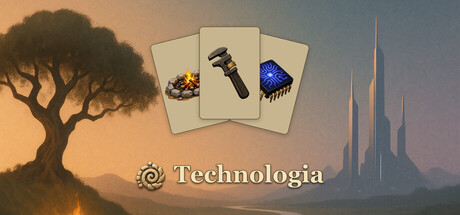 Technologia In-game content arttext | The game's 2D artwork, including card and unit illustrations, worker portraits, and store assets, was generated with AI image tools and then reviewed, selected, and edited by the developer. Parts of the in-game text and localizations were also written with AI assistance. The game does not generate any content with AI at runtime. | Ihor Zevako | - | Aug 19, 2026 | |
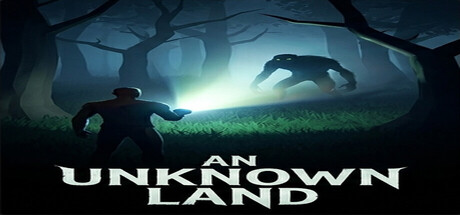 An Unknown Land Store/marketing artcode | Generative AI tools were used to assist in the creation of promotional store assets (such as store banners and visual graphics). Additionally, AI-assisted tools were used during development to help write and optimize procedural C# code for dynamic map generation and environment layout variation. The game itself does not generate content or call external AI models in real-time while running. | Luiz Augusto Arce | - | Aug 19, 2026 | |
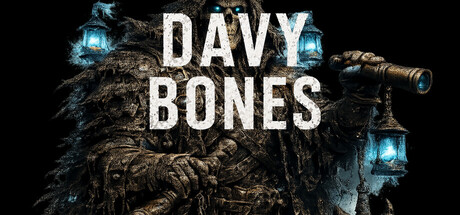 Davy bones Store/marketing art | Some pre-rendered artwork and marketing assets were created with generative AI tools and then reviewed and edited by the developer before inclusion. The game does not generate new content during gameplay. | Yona games | - | Aug 19, 2026 | |
 Channel 453 In-game content text | The English localization of Channel 453 was produced through a combination of human translation and editing.
Some sections of the game, including portions of the demo, were translated by a human translator.
For a limited number of sections in the full game, generative AI tools were used only as a first-pass aid for English localization and language editing. These tools were not used to create the original scenario or characters.
All AI-assisted English text was subsequently reviewed, revised, and polished by humans before being included in the final game.
We are providing this information on Steam in the interest of transparency and to help players make an informed decision about the game.
To avoid any misunderstanding: this refers to a test-stage build. The final release will be provided with fully human-translated localization alongside the finalized store page update. | Bulhwa | - | Aug 18, 2026 | |
 Buzzopolis: Hive Incremental Unclear | Marketing and Development Assistant | Uberbax Gaming | - | Aug 18, 2026 | |
 Lawnmower Puzzle In-game content art | game puzzle images which contain different lawnmowers made with ai software tools | Valkeala Software | - | Aug 17, 2026 | |
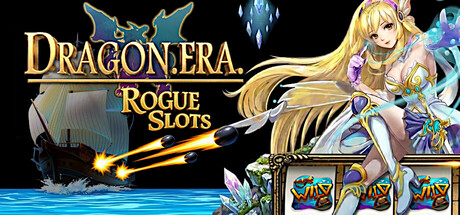 Dragon Era: Rogue Slots In-game content art | AI is used to enhance and upscale some images. | Playmage | - | Aug 17, 2026 | |
 Starwood: Lantern In-game content art | Generative AI tools were used during development to create some pre-generated 2D concept art and visual assets that appear in the game and its marketing materials. These assets were selected, edited, integrated, and reviewed by the development team. The game does not generate AI content while it is running. | Coronal Magic | - | Aug 17, 2026 | |
 Holy Relic Shop Simulator In-game content | AI tools are used to generate some of the game's content, which is then reviewed, edited and polished by the team. | Iron Sanctum | - | Aug 17, 2026 | |
 Retail Nation: My Supermarket In-game content arttext | Generative AI was used during development to assist with selected pre-generated marketing and Steam store artwork, concept and reference images, product packaging artwork and textures, and localization. All AI-assisted content was reviewed, edited and curated by the developer before being included. The game does not generate AI content during gameplay. | PerforMetric | - | Aug 17, 2026 | |
 北湾协议 In-game content codetextaudio | Generative AI tools were used during development to assist with portions of code writing and debugging, text drafting and editing, English localization, and the creation of some music assets. All related content was manually reviewed, revised, curated, and approved by the developer.
The game does not generate any AI content during gameplay and does not connect to external AI services. | Benresty | - | Aug 17, 2026 | |
 Two Years Later In-game content audiocode | Some background music inside the game was created with generative AI tools. Generative AI was also used as a development assistant for some debugging, and code building. The game does not use live AI generation during playing. | West Bridge Studio | - | Aug 17, 2026 | |
 LemonFC - Der Fußball-Manager In-game content textcode | LemonFC was developed with AI assistance (including Anthropic Claude) for writing and revising program code and for drafting German-language in-game event texts. The graphics and texts of this store page (capsule images, descriptions) were also created or drafted using AI tools. All content — in-game and on the store page — was reviewed, edited and approved by the developer; game design and balancing are the developer's own work. The game does not generate AI content at runtime — all content is fixed before release and human-approved. No player data is sent to AI services. | Lemoncookie Studios | - | Aug 17, 2026 | |
 Ash Run '84 In-game content artaudiocode | Ash Run '84 is a human-designed game built with the assistance of AI tools in specific areas of development.
*Gameplay, mechanics, game design, level design, balance, pixel art units, buildings, tiles, UI, and production direction were created by our two-person development team.*
AI Created:
- Commander portraits are currently AI-assisted placeholder artwork. We plan to replace them with original human-created artwork as development continues.
- Music is currently AI-generated for this release. If the game receives sufficient support, we intend to commission an original soundtrack composed by a human musician.
- Programming was developed by our team with AI-assisted coding tools used to accelerate implementation, debugging, testing, and iteration. All code was reviewed, integrated, and directed by the developers. | Marcus Borger | - | Aug 17, 2026 | |
 The Last Few In-game content art | Avatars have been made with the help of the AI tool but we going to replace it on real art before release. | DroniX Studio | - | Aug 17, 2026 | |
 MAMA DOUGH Dev only | Generative AI was used solely as a development assistance tool. All player-facing artwork, audio, narrative, localization, and marketing assets were created by the developer. The game does not include or generate AI-created content. | FIVE DUCK GAMES | - | Aug 17, 2026 | |
 Bow & Banner Unclear | Some content in this game was enhanced using generative artificial intelligence (AI). | Fahad Azad | - | Aug 17, 2026 | |
 Interlude In-game content arttext | Some visual assets and promotional artwork were created with the assistance of generative AI tools and subsequently selected, edited, composited, and integrated by the developer.
We intend to use AI to help for translating and localizing the game. | Interlude | - | Aug 17, 2026 | |
 Nobody's Isekai In-game content arttext | This game includes AI-generated content, including some graphical assets, promotional artwork, and localized text. | Light House Studio | - | Aug 17, 2026 | |
 Gridiron Manager 2026 In-game content artaudiotext | This game uses generative AI to assist in producing some in-game text (such as news articles, in-game emails, and flavor text), 2D visual assets (such as player portraits, icons, and background art), and audio (background music and user interface sound effects). All AI-assisted content is generated during development and reviewed before release; the game does not generate content while you play. | Plotfun | - | Aug 17, 2026 | |
 Phantom In-game content artaudio | This game was made by a two-person team specializing in storytelling. The entire narrative, all gameplay systems, UI, animations, core sound and game design were built entirely by our team. AI was used to generate some of audio and graphical assets due to the limited resources. Scenario was originally written in Ukrainian language, so translations might have minor mistakes. Thank you for your understanding. | Prioplot Games | - | Aug 17, 2026 | |
 The Last Match In-game content artaudio | Artificial intelligence was used for the images, sounds, music, and the store page. | Montee Games | - | Aug 16, 2026 | |
 Judge SIM 2 Precedent Unclear art | Images are created with AI | SunsixStudios | - | Aug 16, 2026 | |
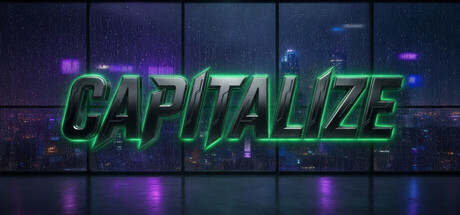 Capitalize In-game content arttext | Yes — pre-rendered only (no real-time generative AI during gameplay).
Generative AI tools were used to create or refine some visual assets (UI, images, marketing / store materials) and parts of text / localization. Gameplay, code and game design are made and reviewed by the studio. No AI content is generated live during play. | JL Games Studio | - | Aug 16, 2026 | |
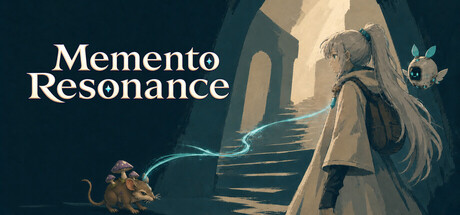 Memento Resonance In-game content artaudiotext | During development, OpenAI image generation tools were used to create portions of the game's 2D artwork, including characters, monsters, backgrounds, UI elements, and icons. Suno was used to create portions of the background music, and ElevenLabs was used to create portions of the sound effects. Generative AI was also used as a drafting and editing aid for some in-game writing and localization.
All generated material was selected, edited, processed, and reviewed by the developer before inclusion in the game. The game does not connect to generative AI services at runtime and does not generate content from player input. | Lipcat Games | - | Aug 16, 2026 | |
 CyberCon: Cybersecurity Tycoon Dev only code | Generative AI was used exclusively as a programming assistant during development to help write and optimize the game's code. All creative elements, including the story, game design, and artwork, were entirely crafted by human hand. | Wolfgrid Games | - | Aug 16, 2026 | |
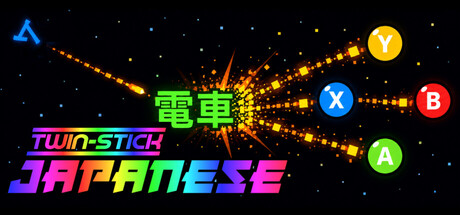 Twin-stick Japanese In-game content audio | Music composed in Udio studio | Top Kicker | - | Aug 16, 2026 | |
 Across the Dark In-game content art | Generative AI tools were used to assist in creating initial visual assets (such as background textures and UI elements). All generated assets have been manually edited, refined, and integrated into the game by the developer. | Dayeong Song | - | Aug 16, 2026 | |
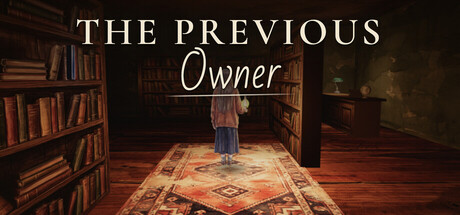 The Previous Owner In-game content artaudiotext | The Previous Owner uses generative AI as an assistive tool under human art direction and editorial control. The game's painted artwork — scene plates, room and prop textures, character and portrait art, the found photographs, the book spreads and the store art — was pre-generated with generative image tools, then curated, keyed, composited and hand-corrected by the developer; a small number of props are AI-generated 3D meshes, and some looping scene animations are AI-generated video. Music and sound effects are pre-generated with AI tools and edited by the developer. The narrative text is human–AI co-written under the author's direction and human-edited; the story, its structure and the game design are the author's. Everything ships pre-rendered in the build — the game generates nothing live during play. No real people are depicted; every character, book, photograph and document in the game is fictional. | 3Cats Studio | - | Aug 16, 2026 | |
 Wake Inside In-game content artaudio | Generative AI tools were used during development to assist with the creation of selected pre-generated assets, including visual artwork, character assets, music, and sound effects. These tools were used as part of the development workflow, while the game's design, direction, gameplay systems, implementation, level design, and final integration were created and curated by the developer. No generative AI is used to create new content during gameplay. | Casual Cat Games | - | Aug 16, 2026 |


