Public Steam disclosure research25,383 disclosures tracked
Where do games disclose AI use?
Search developers’ Steam disclosures, compare classified AI use across
games, and follow recorded changes.
This index adds cross-game classifications and statistics to
statements published on individual store pages.
Groups reflect automatic analysis of public disclosures; mature records are excluded. These counts do not measure AI use across all of Steam.
Missing or unclear statements cannot establish whether a game uses AI.
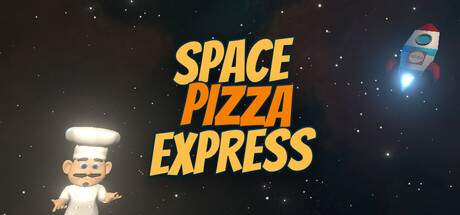
Space Delivery is a solo indie project by Christian Wolf. Generative AI was one of the tools used to make it: all character voice-over and some sound effects were generated with ElevenLabs, AI image tools were used for the game's icons and some other menu/UI artwork, and AI tools were used to translate the game and its store page from English. The trailer and promotional images were assembled using AI tools from the game's own assets. AI also assisted with coding and design during development. All game design, art direction, and final creative decisions were made by the developer.
Generative AI was used to assist with some images, sound effects, music, and translations. All AI-assisted content was reviewed, edited, and curated by the developer before being included in the game.
Some static store and marketing assets were created with AI-assisted tools, then reviewed, edited, and integrated by the developer. The game does not generate AI content during gameplay.
This game uses generative AI during development in the following areas:
* Localization: AI tools were used to assist with translating some in-game text. All translations are reviewed and edited by the developer before being included in the game.
* Art Assets: AI tools were used to assist in creating some visual assets. All generated materials are selected, edited, and finalized by the developer.
* Programming: AI tools were used to assist with parts of the game's code development.
* Store Page: AI tools were used to assist in creating certain store page materials.
The game does not include any live-generated AI content. All AI-assisted content is generated during development, reviewed by a human, and finalized before being included in the shipped build.
Generative AI was used to create some promotional images for the Steam store page. The game itself and its gameplay do not contain AI-generated content.
Some visual assets in this game, including certain character and background art, were created with the assistance of generative AI tools and then reviewed and edited by the developer. All gameplay, code, and design are human-directed. This game does not use AI to generate any content during gameplay.
AI Content Disclosure
During development, this game used generative AI tools to create some of its content:
Music: The background music was created using the AI music-generation tool Suno.
Code: Some of the code was written with the assistance of AI tools.
Images: Some of the artwork and icons were created using AI image-generation tools.
All AI-generated content was selected, adjusted, and integrated into the game by the developer, and was pre-generated (completed during development). No AI content is generated in real time while the game is running.
This game uses generative AI in the production process for some item images. The generated images are reviewed and adjusted by the developer before being used in the game.
AI-generated art assets are used in this game. All such assets have been manually reviewed and adjusted to ensure a consistent visual style and quality.
We used a Gen AI powered tool to localize the following:
- (in some languages) In-game text
- (in some languages) Steam store descriptions
We plan to replace these with human translation and LQA when we can afford it.
Until then, we are using Gen AI temporarily.
We used a Gen AI powered tool to localize the following:
- (in some languages) In-game text
- (in some languages) Steam store descriptions
We plan to replace these with human translation and LQA when we can afford it.
Until then, we are using Gen AI temporarily.
Parts of development (coding assistance) and the store/marketing page's text and graphics were created using AI-assisted tools (including Anthropic Claude). In-game graphics and audio come from licensed asset packs or were assembled manually; no content is generated by AI at runtime within the game.
I took human-made photographs, edited them by hand, then used AI to apply a consistent art style among them in batches so they all look thematically related
This game uses AI-assisted tools for the creation of some content. Certain artwork, voice lines, and sound effects are generated or assisted using third-party AI services, including ElevenLabs. All AI-assisted content is reviewed and integrated during development to ensure it fits the game’s style and overall experience.
Generative AI was used to create promotional video content for the game's marketing materials (specifically, a cinematic trailer generated with Kling AI). The game's core assets, gameplay, artwork, and audio were created by the development team. No AI-generated content is included in the in-game experience itself.
Generative AI was used during parts of the production process for the game’s graphics, music, and narrative content.
AI-generated outputs were edited, revised, and restructured by the developer and were not used in the game without modification.
The final gameplay experience, narrative structure, character portrayal, and presentation were designed, curated, and supervised by the developer.
During development, generative AI tools were used to assist in the creation of certain visual assets. All AI-generated content has been reviewed and curated by the development team.
AI-assisted tools were only used during the creation of certain visual assets. These assets were reviewed, edited, modified, and integrated by the developer. The game's story, characters, world, gameplay design, dialogue, and creative direction were entirely created by the developer.
Some artwork and store page assets were created with the assistance of generative AI and were reviewed and edited by the developer before use. Gameplay and programming were created by the developer.
This game uses generative AI tools during development to assist with the creation of pre-generated game content.
AI tools were used as part of the production workflow for concept/reference images, some 3D model generation, and audio/source material discovery or selection support. The final assets included in the game were reviewed, edited, and integrated by the developer before being added to the game.
The game does not use generative AI to create new content during gameplay.
Some of the meshes are generated with AI (its just for pre- alpha), in the final build all AI generated meshes and things will get replaced with handmade stuffs...
Generative AI tools (Leonardo.ai, Meshy.ai) are used to create some pre-rendered art assets and 3D model prototypes, which are then edited and art-directed by the developer. AI audio tools are used for some sound assets. All AI-generated content is reviewed and integrated by the developer; we have rights to use these outputs commercially per the tools' licensing terms.
Some of the art, music, and voice assets that ship with this game were created with the help of generative AI tools during development, then curated,
▎ edited, and assembled by the developer. This includes character and mascot art, background and scene art, UI and logo imagery, background music tracks,
▎ and in-game voice lines. The game does not generate any AI content live at runtime. All AI-assisted assets were reviewed before inclusion, and we do not
▎ knowingly ship content that infringes third-party intellectual property.
AI tools were used to assist with promotional artwork, capsule art, and visual concept iteration for The Big Suck. Final art direction, selection, editing, game design, programming, balancing, and implementation were done by the developer. AI was used as a creative production aid for a small indie project, not as live-generated gameplay content.
AI tools are used only as internal support during the development process, such as checking dialogue for typos, missing words, and the correctness of text-effect tags, as well as providing programming support.
A Note on AI in This Game
Almost all of the visuals and music you'll experience in this game were created with the help of generative AI tools. These AI-generated assets were curated, refined, and integrated by me to bring the game's world to life.
I believe in being upfront with my players — AI was a creative tool in my process, not a replacement for the care and intention I put into making this experience for you.
Artificial intelligence is used exclusively as a tool to assist the developer in editing the source code structure (optimizing Unity script logic), checking compilation errors, and assisting with stylistic design. The AI is not constantly loaded during gameplay.
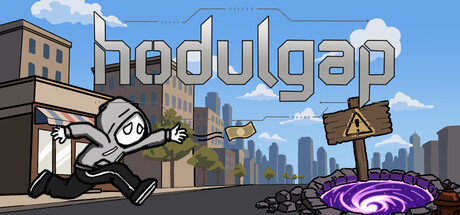
Some visual assets in HODULGAP were created with the assistance of generative AI tools during development, including early concept art, sprite bases, icons, and visual effects. These assets are manually edited, simplified, cleaned up, and adjusted by the developer before being included in the game.
HODULGAP does not use AI to generate content during gameplay. Music and sound effects are sourced from non-AI asset libraries.
Some of this game's store-page and marketing art (capsule and key art) was created with generative AI image tools, then reviewed and edited by the developer. The game itself contains no generative-AI content: all in-game art and text are hand-authored, and the audio is procedurally synthesized rather than AI-generated. No AI content is generated during gameplay.
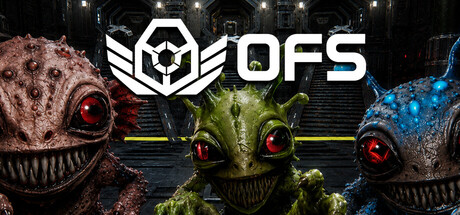
OFS is made by a solo developer using a hybrid, human-led production pipeline.
Some of the game's content was produced with the help of several generative AI tools — for instance to assist with certain complex 3D meshes, textures, and visual elements. These tools are used for one purpose only: to augment and accelerate human creativity, never to replace it.
Every artistic direction, every gameplay decision, and every final creative call is made by a human. All AI-assisted assets — meshes, textures, visuals, objects and anything else — are hand-reviewed, edited, and finalized by a human before they ever make it into the game.
As a solo developer, this hybrid approach simply unlocks far more creative possibilities than would otherwise be feasible without a full team — while keeping full human authorship over the final result.
Some visual assets and artwork used in this game were created or assisted with generative AI tools. All generated content was reviewed, edited, and integrated into the game by the developer.
Generative AI was used as a supporting tool during the creation of some of the Steam Community assets, with all AI-generated images being carefully refined and significantly reworked by a professional graphic artist. The game itself (and all in-game artwork) was created entirely by human developers and artists, without the use of generative AI.
This game uses generative AI for some visual assets.
All such assets are reviewed, edited, and refined by the developer before use.
Generative AI is not used for gameplay or game progression.
Space Delivery is a solo indie project by Christian Wolf. Generative AI was one of the tools used to make it: all character voice-over and some sound effects were generated with ElevenLabs, AI image tools were used for the game's icons and some other menu/UI artwork, and AI tools were used to translate the game and its store page from English. The trailer and promotional images were assembled using AI tools from the game's own assets. AI also assisted with coding and design during development. All game design, art direction, and final creative decisions were made by the developer.
Generative AI was used to assist with some images, sound effects, music, and translations. All AI-assisted content was reviewed, edited, and curated by the developer before being included in the game.
Some static store and marketing assets were created with AI-assisted tools, then reviewed, edited, and integrated by the developer. The game does not generate AI content during gameplay.
This game uses generative AI during development in the following areas:
* Localization: AI tools were used to assist with translating some in-game text. All translations are reviewed and edited by the developer before being included in the game.
* Art Assets: AI tools were used to assist in creating some visual assets. All generated materials are selected, edited, and finalized by the developer.
* Programming: AI tools were used to assist with parts of the game's code development.
* Store Page: AI tools were used to assist in creating certain store page materials.
The game does not include any live-generated AI content. All AI-assisted content is generated during development, reviewed by a human, and finalized before being included in the shipped build.
Generative AI was used to create some promotional images for the Steam store page. The game itself and its gameplay do not contain AI-generated content.
Some visual assets in this game, including certain character and background art, were created with the assistance of generative AI tools and then reviewed and edited by the developer. All gameplay, code, and design are human-directed. This game does not use AI to generate any content during gameplay.
AI Content Disclosure
During development, this game used generative AI tools to create some of its content:
Music: The background music was created using the AI music-generation tool Suno.
Code: Some of the code was written with the assistance of AI tools.
Images: Some of the artwork and icons were created using AI image-generation tools.
All AI-generated content was selected, adjusted, and integrated into the game by the developer, and was pre-generated (completed during development). No AI content is generated in real time while the game is running.
This game uses generative AI in the production process for some item images. The generated images are reviewed and adjusted by the developer before being used in the game.
AI-generated art assets are used in this game. All such assets have been manually reviewed and adjusted to ensure a consistent visual style and quality.
We used a Gen AI powered tool to localize the following:
- (in some languages) In-game text
- (in some languages) Steam store descriptions
We plan to replace these with human translation and LQA when we can afford it.
Until then, we are using Gen AI temporarily.
We used a Gen AI powered tool to localize the following:
- (in some languages) In-game text
- (in some languages) Steam store descriptions
We plan to replace these with human translation and LQA when we can afford it.
Until then, we are using Gen AI temporarily.
Parts of development (coding assistance) and the store/marketing page's text and graphics were created using AI-assisted tools (including Anthropic Claude). In-game graphics and audio come from licensed asset packs or were assembled manually; no content is generated by AI at runtime within the game.
I took human-made photographs, edited them by hand, then used AI to apply a consistent art style among them in batches so they all look thematically related
This game uses AI-assisted tools for the creation of some content. Certain artwork, voice lines, and sound effects are generated or assisted using third-party AI services, including ElevenLabs. All AI-assisted content is reviewed and integrated during development to ensure it fits the game’s style and overall experience.
Generative AI was used to create promotional video content for the game's marketing materials (specifically, a cinematic trailer generated with Kling AI). The game's core assets, gameplay, artwork, and audio were created by the development team. No AI-generated content is included in the in-game experience itself.
Generative AI was used during parts of the production process for the game’s graphics, music, and narrative content.
AI-generated outputs were edited, revised, and restructured by the developer and were not used in the game without modification.
The final gameplay experience, narrative structure, character portrayal, and presentation were designed, curated, and supervised by the developer.
During development, generative AI tools were used to assist in the creation of certain visual assets. All AI-generated content has been reviewed and curated by the development team.
AI-assisted tools were only used during the creation of certain visual assets. These assets were reviewed, edited, modified, and integrated by the developer. The game's story, characters, world, gameplay design, dialogue, and creative direction were entirely created by the developer.
Some artwork and store page assets were created with the assistance of generative AI and were reviewed and edited by the developer before use. Gameplay and programming were created by the developer.
This game uses generative AI tools during development to assist with the creation of pre-generated game content.
AI tools were used as part of the production workflow for concept/reference images, some 3D model generation, and audio/source material discovery or selection support. The final assets included in the game were reviewed, edited, and integrated by the developer before being added to the game.
The game does not use generative AI to create new content during gameplay.
Some of the meshes are generated with AI (its just for pre- alpha), in the final build all AI generated meshes and things will get replaced with handmade stuffs...
Generative AI tools (Leonardo.ai, Meshy.ai) are used to create some pre-rendered art assets and 3D model prototypes, which are then edited and art-directed by the developer. AI audio tools are used for some sound assets. All AI-generated content is reviewed and integrated by the developer; we have rights to use these outputs commercially per the tools' licensing terms.
Some of the art, music, and voice assets that ship with this game were created with the help of generative AI tools during development, then curated,
▎ edited, and assembled by the developer. This includes character and mascot art, background and scene art, UI and logo imagery, background music tracks,
▎ and in-game voice lines. The game does not generate any AI content live at runtime. All AI-assisted assets were reviewed before inclusion, and we do not
▎ knowingly ship content that infringes third-party intellectual property.
AI tools were used to assist with promotional artwork, capsule art, and visual concept iteration for The Big Suck. Final art direction, selection, editing, game design, programming, balancing, and implementation were done by the developer. AI was used as a creative production aid for a small indie project, not as live-generated gameplay content.
AI tools are used only as internal support during the development process, such as checking dialogue for typos, missing words, and the correctness of text-effect tags, as well as providing programming support.
A Note on AI in This Game
Almost all of the visuals and music you'll experience in this game were created with the help of generative AI tools. These AI-generated assets were curated, refined, and integrated by me to bring the game's world to life.
I believe in being upfront with my players — AI was a creative tool in my process, not a replacement for the care and intention I put into making this experience for you.
Artificial intelligence is used exclusively as a tool to assist the developer in editing the source code structure (optimizing Unity script logic), checking compilation errors, and assisting with stylistic design. The AI is not constantly loaded during gameplay.
Some visual assets in HODULGAP were created with the assistance of generative AI tools during development, including early concept art, sprite bases, icons, and visual effects. These assets are manually edited, simplified, cleaned up, and adjusted by the developer before being included in the game.
HODULGAP does not use AI to generate content during gameplay. Music and sound effects are sourced from non-AI asset libraries.
Some of this game's store-page and marketing art (capsule and key art) was created with generative AI image tools, then reviewed and edited by the developer. The game itself contains no generative-AI content: all in-game art and text are hand-authored, and the audio is procedurally synthesized rather than AI-generated. No AI content is generated during gameplay.
OFS is made by a solo developer using a hybrid, human-led production pipeline.
Some of the game's content was produced with the help of several generative AI tools — for instance to assist with certain complex 3D meshes, textures, and visual elements. These tools are used for one purpose only: to augment and accelerate human creativity, never to replace it.
Every artistic direction, every gameplay decision, and every final creative call is made by a human. All AI-assisted assets — meshes, textures, visuals, objects and anything else — are hand-reviewed, edited, and finalized by a human before they ever make it into the game.
As a solo developer, this hybrid approach simply unlocks far more creative possibilities than would otherwise be feasible without a full team — while keeping full human authorship over the final result.
Some visual assets and artwork used in this game were created or assisted with generative AI tools. All generated content was reviewed, edited, and integrated into the game by the developer.
Generative AI was used as a supporting tool during the creation of some of the Steam Community assets, with all AI-generated images being carefully refined and significantly reworked by a professional graphic artist. The game itself (and all in-game artwork) was created entirely by human developers and artists, without the use of generative AI.
This game uses generative AI for some visual assets.
All such assets are reviewed, edited, and refined by the developer before use.
Generative AI is not used for gameplay or game progression.