








Disclosure
The content in the game is planned and designed manually, assisted by generative AI tools, and finally processed and completed by humans.
- Creator
- OKE.X.Keven
- Reviews
- -
- Added
- Jul 5, 2026
Public Steam disclosure research 25,383 disclosures tracked
Search developers’ Steam disclosures, compare classified AI use across games, and follow recorded changes. This index adds cross-game classifications and statistics to statements published on individual store pages.
Code help, debugging and other development work.
Capsule art, trailers and promotional material.
Pre-made art, audio, writing and other game assets.
Interactive or runtime AI features disclosed by the developer.
Groups reflect automatic analysis of public disclosures; mature records are excluded. These counts do not measure AI use across all of Steam. Missing or unclear statements cannot establish whether a game uses AI.
The content in the game is planned and designed manually, assisted by generative AI tools, and finally processed and completed by humans.
The content in the game is planned and designed manually, assisted by generative AI tools, and finally processed and completed by humans.
Some of the images in the game were generated using AI during the prototype stage. Such assets may be present in the game up until the release of the demo (inclusive). During the development process, we gradually get rid of generated assets and replace them with hand-made ones. By the time of the official release, all generated content will be removed. This is a normal process for developing an indie game.
Generative AI was used to assist with writing, editing, and translating store page text and marketing copy. No generative AI content is generated in real time during gameplay.
For the store page and in-game multilingual texts, the Simplified Chinese version was written entirely by the developer. All other languages (Traditional Chinese, English, Russian, French, Japanese, and Latin American Spanish) were translated with the assistance of generative AI. All core content of the game (mechanic design, scene construction, character and story development, art assets, and audio) was independently created by the developer. AI was used solely for language localization and did not participate in the generation of any other content.
This game adopts a small amount of generative AI in the early stage of its workflow.
I use procedural AI tools to assist with some content creation, but the final product entirely reflects my own creative vision as a solo developer.
This game uses AI-generated voice acting for its characters.
Generative AI was used during the development of this game to assist with: - Generating static illustrations for in-game achievement icons. - Generating placeholder sound effects to be swapped before exiting EA
Some asset textures, background music, and assistance with game development questions include AI-generated content. No AI translation was used for Japanese, English, Korean, or Czech.
This game uses pre-generated AI-assisted content in a limited way. Some selected audio assets and minor in-game written/visual elements may have been created or edited with AI-assisted tools during development. The game does not use live-generated AI during gameplay and does not connect to any external AI service during gameplay.
Generating some sounds and game icons
This game used AI for certain paintings of the penthouse.
Generative AI tools were used during development to assist in the creation of certain visual assets, including Steam store capsules, and some UI button icons (keyboard and controller prompts). AI was also used to assist with text translation, writing improvements, and programming assistance during development. All AI-assisted content has been reviewed, edited, and integrated by the developer before being included in the game or on the Steam store page. The game does not generate AI content during gameplay.
Generative AI was used as a production tool to help create and refine some static visual assets, including illustrations, backgrounds, CG images, promotional artwork, and Steam library images. It was also used to assist with translation drafts. All final assets and text were reviewed and edited manually before being included in the game.
Generative AI was used during development to assist with the creation of some background art elements and early drafts of certain dialogue. All generated content was substantially modified, edited, and integrated into the final game by the developer.
Code and Art
Some game assets were created with the help of AI tools during development. No AI runs during gameplay and no player data is sent to external services.
Turns out saying "Generate a Bolshevik soldier's head on a pike, twitching" flags the content generators in frustratingly annoying ways.
Fatal Nights uses generative artificial intelligence as a development aid for certain pre-production and promotional materials. AI-assisted content may include concept artwork, visual brainstorming, marketing assets, and written drafts. All gameplay systems, story, level design, implementation, and final creative decisions are developed and curated by the developer.
Generative AI was used only for limited enhancements to marketing visuals, texture edits, and selected SFX. Gameplay systems and mechanics do not rely on AI-generated content. All generated assets are owned and licensed by us.
AI-generated images have been modified and retouched before use.
The game currently relies on AI for some UI Art Assets, programming, and sound effects.
RoguePunk is an independent project, and its visual and audio content including pixel-art characters, enemies, environments, music, and sound effects was created with the help of generative AI tools, then selected, arranged, edited, and integrated by hand to fit the game's world and feel. I see these tools the way earlier developers saw new engines, samplers, and digital art software: as a way for solo developers to bring an ambitious, fully-realized world to players who might otherwise never get to see it.
Generative AI was used to create initial art assets (which were then manually retouched), assist with programming, and generate audio elements.
Generative AI tools were used in the creation of some visual and textual content used in marketing materials and certain in-game assets. All core gameplay design and systems were developed independently.
Parts of Hollow Orbit were made with help from generative AI tools — assisting with the game's code, some in-engine visuals and audio, and store/marketing assets like the logo and trailer graphics. All output was reviewed and finalized by the developer, and no content is generated by AI during gameplay.
We don't use Generative AI for code and development itself but we use it for Voice Overs and as a research helper
Generative AI was used as an assistant during development for drafting and editing store-page text, brainstorming, and code assistance. Final game assets, gameplay, implementation, and creative direction are reviewed and edited by the developer. No live-generated AI content is used during gameplay.
The art, music, and written text in this game were created using commercial generative AI services, working from the developer's own designs and ideas under direct human supervision, with each asset and passage curated and edited by hand. All content is pre-generated — no AI runs while you play.
This game uses generative AI tools to help create certain music, voice, and audio elements. Additional sound effects and audio assets are sourced from commercially licensed asset libraries.
Some visual assets in this game were created with the assistance of generative AI tools, including UI icons, skill and relic icons, character portraits and sprites, combat VFX, dungeon tile art, and menu and interface decoration. All generated images were reviewed, edited, and integrated by the development team.
FOCUS uses generative AI to assist in creating some in-game texture/background assets and the store capsule art. These are hand-edited and finalized by the developer. All design, code, and gameplay are human-made, and no AI content is generated at runtime.
I use generative AI exclusively as a temporary tool for rapid prototyping and placeholder content during early solo development. All AI-generated elements in Vigilum are planned to be fully replaced with custom, human-made assets for the final v1.0 release. -> 3D Models: I used generative AI tools to create two 3D assets (the Vylem gem and the Blood Sigil element). These are temporary placeholders, and I am currently prioritizing remaking them myself during the Early Access phase. -> 2D Assets: A few UI icons and images were generated with AI. I intend to commission a professional artist to completely replace these 2D elements as soon as funding allows.
Artificial intelligence is not used during gameplay. It is used only for pre-rendered textures.
This game uses AI to assist in proper procedural generating level
7743 includes a small handful of AI generated art. This includes, and is limited to only textures. The degree of AI generated textures within 7743 is likely less than 5%
Some store assets (capsules, library art, promotional images) and some in-game terrain sprites (such as mountains and forests) started from drafts produced with AI image tools, then selected, color-graded, composited, and cropped by the developer. All publicly released assets are human-reviewed. UI, fonts, icons, player avatars, faction emblems, and other non-terrain art are drawn directly by the developer or built from licensed fonts / open-source resources — no AI generation involved. Player-to-player text messages produced at runtime by the AI model each player has chosen are disclosed separately under "Live-Generated AI".
Some visual assets, promotional images, and design elements used in Dream Cola were created or assisted with generative AI tools. All AI-generated content was reviewed, modified, and integrated by the developer to fit the game's artistic direction.
AI Usage Disclosure This game was developed with the assistance of an AI programming tool to help draft portions of the code. All AI-generated code has been reviewed, tested, and revised by the developer to ensure quality and stability. AI was used solely as a development aid — you will not interact with any generative AI during gameplay. All in-game narrative text, financial knowledge, and numerical systems were independently created by the developer. The game runs entirely offline and does not call any external AI interfaces.
Some background and environmental artwork in this game was created with the assistance of generative AI and then reviewed, edited, and integrated by the developer. All story content, dialogue, characters, and game design were created by the developer.
The development of this game made use of AI-generated content. Specifically, some of the in-game images, video sequences and character voice-over were created with the help of generative AI tools. All AI-generated assets were reviewed, curated and edited by the development team before inclusion in the final product
This game includes some AI-generated and AI-assisted content: 1. Some in-game sprites were adjusted or edited using AI tools. 2. AI was used to correct spelling and grammar in the game's text and on the store page. 3. Adjusting some of the chiptune tracks in the game to sound more musical by putting them all in key 4. Some Steam store and achievement assets were created with AI assistance, specifically generating the greyed-out (inactive) versions of the achievement icons from the colored originals, and producing the various required store image sizes from the original promotional artwork. All AI-assisted content was manually reviewed before release.
In this game, some visuals and sounds were generated by artificial intelligence.
Some key art and illustrations in this game were created using generative AI image tools. No AI generates content in real time during gameplay.
Generative AI tools were used as development assistance for code drafting/debugging and for creating some visual source materials. All AI-assisted code and visuals included in the game were reviewed, modified, edited, and integrated by the development team.
This game uses AI-generated and AI-assisted content as part of its creative process. AI Slop: TCG exists because of a very specific idea: taking the weird, imperfect, grotesque, and absurd look of what people call “AI slop” and turning it into a roguelike card game full of satire, dark humor, and creatures that probably should not exist. That is why AI has mainly been used to create and develop the creature illustrations for the cards. It is not an accidental extra or some hidden shortcut: it is part of the game’s concept, lore, and visual identity. Without that mutant digital-trash aesthetic, the project would lose a big part of what makes it work. AI has also been used as support for visual ideation and production, which is especially important for a game being made by a solo developer. The game does not generate AI content in real time during gameplay. All included content has been reviewed, selected, edited, and manually integrated by the developer.
Generative AI tools were used only to assist in the creation of certain store page and marketing images. No AI-generated content is created during gameplay, and the game does not use live AI systems or connect to external AI services while running.
AI Disclosure This game was developed entirely with the assistance of large language models and generative AI tools. AI systems were used for graphic asset generation, concept art, narrative text drafting, lore writing, design review, creative critique, initial structural planning, code architecture, system design, feature implementation, iterative refinement, and debugging. All lore, mechanics, story, art, and game systems are pre-authored and fully static. No AI processing or generation occurs at runtime — the game runs entirely on pre-built code with no live model calls. This disclosure is provided in compliance with Steam's AI Content Policy and Valve developer transparency guidelines.
The developers utilize AI tools to assist in the initial concepting and intermediate rendering phases of certain 2D art assets, UI elements, and narrative cutscenes. However, all generated materials are heavily repainted, manually edited, and refined by our artists to ensure they align with the game's dark fantasy aesthetic. No raw, unedited AI generation is used in the final product. All core gameplay mechanics, level design, and technical systems are 100%
| Title⇅ | Disclosure | Creator⇅ | Src | Reviews⇅ | Added↓ |
|---|---|---|---|---|---|
 Lady Legal Officer's Submission Training In-game content textart | The content in the game is planned and designed manually, assisted by generative AI tools, and finally processed and completed by humans. | OKE.X.Keven | - | Jul 5, 2026 | |
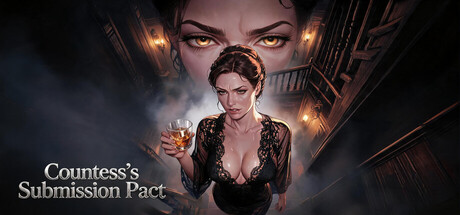 Countess's Submission Pact In-game content textart | The content in the game is planned and designed manually, assisted by generative AI tools, and finally processed and completed by humans. | OKE.X.Suki | - | Jul 5, 2026 | |
 Cargo Protocol: Cyberpunk Trains Dev only art | Some of the images in the game were generated using AI during the prototype stage. Such assets may be present in the game up until the release of the demo (inclusive). During the development process, we gradually get rid of generated assets and replace them with hand-made ones. By the time of the official release, all generated content will be removed. This is a normal process for developing an indie game. | Flat Lab | - | Jul 4, 2026 | |
 Off Axis Store/marketing text | Generative AI was used to assist with writing, editing, and translating store page text and marketing copy. No generative AI content is generated in real time during gameplay. | Off Axis | - | Jul 4, 2026 | |
 Don't Make a Sound In-game content text | For the store page and in-game multilingual texts, the Simplified Chinese version was written entirely by the developer. All other languages (Traditional Chinese, English, Russian, French, Japanese, and Latin American Spanish) were translated with the assistance of generative AI. All core content of the game (mechanic design, scene construction, character and story development, art assets, and audio) was independently created by the developer. AI was used solely for language localization and did not participate in the generation of any other content. | 落梅序 | - | Jul 4, 2026 | |
 克苏鲁圆桌 Cthulhu Round Table Dev only | This game adopts a small amount of generative AI in the early stage of its workflow. | Xiangsu Guangyu Software Studio | - | Jul 4, 2026 | |
 KILLSWARM Dev only art | I use procedural AI tools to assist with some content creation, but the final product entirely reflects my own creative vision as a solo developer. | slezkh | - | Jul 3, 2026 | |
 Night Shift In-game content audio | This game uses AI-generated voice acting for its characters. | Batu | - | Jul 3, 2026 | |
 Liminal Protocol In-game content artaudio | Generative AI was used during the development of this game to assist with:
- Generating static illustrations for in-game achievement icons.
- Generating placeholder sound effects to be swapped before exiting EA | Rabbit House Games | - | Jul 2, 2026 | |
 BALL BOY Simulator In-game content artaudio | Some asset textures, background music, and assistance with game development questions include AI-generated content.
No AI translation was used for Japanese, English, Korean, or Czech. | EBA GAME | - | Jul 2, 2026 | |
 Tower 6: Last Signal In-game content audiotextart | This game uses pre-generated AI-assisted content in a limited way. Some selected audio assets and minor in-game written/visual elements may have been created or edited with AI-assisted tools during development. The game does not use live-generated AI during gameplay and does not connect to any external AI service during gameplay. | Panagiotis Ntailianis | - | Jul 2, 2026 | |
 Post-Soviet Bus Simulator In-game content audioart | Generating some sounds and game icons | Gray Synapse | - | Jul 2, 2026 | |
 Purefire Life Stream In-game content art | This game used AI for certain paintings of the penthouse. | NYTRAX | - | Jul 2, 2026 | |
 ORU IN THE VOID In-game content arttextcode | Generative AI tools were used during development to assist in the creation of certain visual assets, including Steam store capsules, and some UI button icons (keyboard and controller prompts). AI was also used to assist with text translation, writing improvements, and programming assistance during development. All AI-assisted content has been reviewed, edited, and integrated by the developer before being included in the game or on the Steam store page. The game does not generate AI content during gameplay. | ATC GAMES | - | Jul 1, 2026 | |
 Helmet In-game content arttext | Generative AI was used as a production tool to help create and refine some static visual assets, including illustrations, backgrounds, CG images, promotional artwork, and Steam library images. It was also used to assist with translation drafts. All final assets and text were reviewed and edited manually before being included in the game. | gerafko | - | Jun 30, 2026 | |
 Wound Man In-game content arttext | Generative AI was used during development to assist with the creation of some background art elements and early drafts of certain dialogue. All generated content was substantially modified, edited, and integrated into the final game by the developer. | Aspidochelone Studios | 59 | Jun 30, 2026 | |
 DEBTMASTER Unclear codeart | Code and Art | Zeus | - | Jun 30, 2026 | |
 Orbital Dispatch In-game content art | Some game assets were created with the help of AI tools during development. No AI runs during gameplay and no player data is sent to external services. | Christian Fischer | - | Jun 29, 2026 | |
 Bolsheviktion 2: Yurovsky's Revenge Unclear art | Turns out saying "Generate a Bolshevik soldier's head on a pike, twitching" flags the content generators in frustratingly annoying ways. | Pelican Blue Software | - | Jun 29, 2026 | |
 Fatal Nights Store/marketing arttext | Fatal Nights uses generative artificial intelligence as a development aid for certain pre-production and promotional materials. AI-assisted content may include concept artwork, visual brainstorming, marketing assets, and written drafts. All gameplay systems, story, level design, implementation, and final creative decisions are developed and curated by the developer. | The End Studios | - | Jun 28, 2026 | |
 Forsaken Fleet In-game content artaudio | Generative AI was used only for limited enhancements to marketing visuals, texture edits, and selected SFX.
Gameplay systems and mechanics do not rely on AI-generated content.
All generated assets are owned and licensed by us. | Zakym s. r. o. | - | Jun 28, 2026 | |
 Scary Stories: Grotesque In-game content art | AI-generated images have been modified and retouched before use. | Game Museum | - | Jun 28, 2026 | |
 Crim Ludus In-game content artaudiocode | The game currently relies on AI for some UI Art Assets, programming, and sound effects. | Hawk Vision Games LLC | - | Jun 28, 2026 | |
 RoguePunk In-game content artaudio | RoguePunk is an independent project, and its visual and audio content including pixel-art characters, enemies, environments, music, and sound effects was created with the help of generative AI tools, then selected, arranged, edited, and integrated by hand to fit the game's world and feel.
I see these tools the way earlier developers saw new engines, samplers, and digital art software: as a way for solo developers to bring an ambitious, fully-realized world to players who might otherwise never get to see it. | Massif interactive | - | Jun 28, 2026 | |
 Nosteria In-game content artaudiocode | Generative AI was used to create initial art assets (which were then manually retouched), assist with programming, and generate audio elements. | YONDER JUMP | - | Jun 28, 2026 | |
 LOCKOUT In-game content arttext | Generative AI tools were used in the creation of some visual and textual content used in marketing materials and certain in-game assets. All core gameplay design and systems were developed independently. | MS Productions | - | Jun 28, 2026 | |
 Hollow Orbit In-game content artaudiocode | Parts of Hollow Orbit were made with help from generative AI tools — assisting with the game's code, some in-engine visuals and audio, and store/marketing assets like the logo and trailer graphics. All output was reviewed and finalized by the developer, and no content is generated by AI during gameplay. | Dead Battery Games | - | Jun 28, 2026 | |
 The Unseeing In-game content audio | We don't use Generative AI for code and development itself but we use it for Voice Overs and as a research helper | AgniGames | - | Jun 28, 2026 | |
 O.M.E.N. | Synthetic Genesis Store/marketing textcode | Generative AI was used as an assistant during development for drafting and editing store-page text, brainstorming, and code assistance. Final game assets, gameplay, implementation, and creative direction are reviewed and edited by the developer. No live-generated AI content is used during gameplay. | The Observable Multiverse | - | Jun 28, 2026 | |
 The Veiled Atlas: A Cycle of Falls In-game content artaudiotext | The art, music, and written text in this game were created using commercial generative AI services, working from the developer's own designs and ideas under direct human supervision, with each asset and passage curated and edited by hand. All content is pre-generated — no AI runs while you play. | Flat Gradient | - | Jun 28, 2026 | |
 Doors of Illusion In-game content audio | This game uses generative AI tools to help create certain music, voice, and audio elements. Additional sound effects and audio assets are sourced from commercially licensed asset libraries. | Paggart Studio | - | Jun 28, 2026 | |
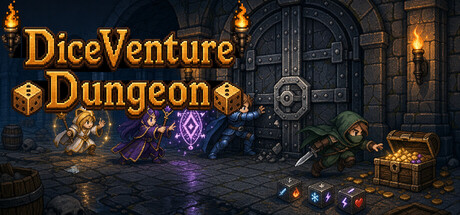 骰途地牢 In-game content art | Some visual assets in this game were created with the assistance of generative AI tools, including UI icons, skill and relic icons, character portraits and sprites, combat VFX, dungeon tile art, and menu and interface decoration. All generated images were reviewed, edited, and integrated by the development team. | HuangJianJian | - | Jun 28, 2026 | |
 FOCUS In-game content art | FOCUS uses generative AI to assist in creating some in-game texture/background assets and the store capsule art. These are hand-edited and finalized by the developer. All design, code, and gameplay are human-made, and no AI content is generated at runtime. | kuma-hacker | - | Jun 28, 2026 | |
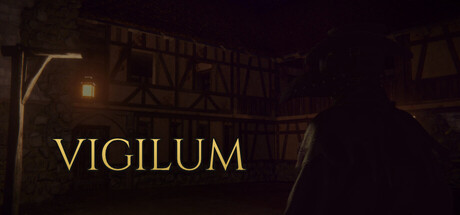 Vigilum In-game content art | I use generative AI exclusively as a temporary tool for rapid prototyping and placeholder content during early solo development. All AI-generated elements in Vigilum are planned to be fully replaced with custom, human-made assets for the final v1.0 release.
-> 3D Models: I used generative AI tools to create two 3D assets (the Vylem gem and the Blood Sigil element). These are temporary placeholders, and I am currently prioritizing remaking them myself during the Early Access phase.
-> 2D Assets: A few UI icons and images were generated with AI. I intend to commission a professional artist to completely replace these 2D elements as soon as funding allows. | TXMSKA | - | Jun 28, 2026 | |
 Skillbound In-game content art | Artificial intelligence is not used during gameplay. It is used only for pre-rendered textures. | 1337 Games | - | Jun 28, 2026 | |
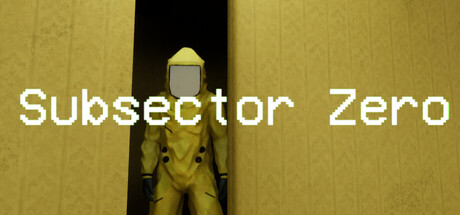 Subsector Zero Live AI | This game uses AI to assist in proper procedural generating level | NoGoStudios | - | Jun 28, 2026 | |
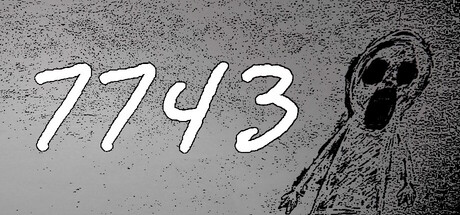 7743 In-game content art | 7743 includes a small handful of AI generated art. This includes, and is limited to only textures. The degree of AI generated textures within 7743 is likely less than 5% | Stanislaw Truchowski | 11 | Jun 28, 2026 | |
 Proxy In-game content art | Some store assets (capsules, library art, promotional images) and some in-game terrain sprites (such as mountains and forests) started from drafts produced with AI image tools, then selected, color-graded, composited, and cropped by the developer. All publicly released assets are human-reviewed. UI, fonts, icons, player avatars, faction emblems, and other non-terrain art are drawn directly by the developer or built from licensed fonts / open-source resources — no AI generation involved. Player-to-player text messages produced at runtime by the AI model each player has chosen are disclosed separately under "Live-Generated AI". | Cup Island | - | Jun 28, 2026 | |
 Dream Cola Store/marketing art | Some visual assets, promotional images, and design elements used in Dream Cola were created or assisted with generative AI tools. All AI-generated content was reviewed, modified, and integrated by the developer to fit the game's artistic direction. | a3muy Studio | - | Jun 28, 2026 | |
 你来定股价 You chart the stock price Dev only code | AI Usage Disclosure
This game was developed with the assistance of an AI programming tool to help draft portions of the code. All AI-generated code has been reviewed, tested, and revised by the developer to ensure quality and stability.
AI was used solely as a development aid — you will not interact with any generative AI during gameplay. All in-game narrative text, financial knowledge, and numerical systems were independently created by the developer. The game runs entirely offline and does not call any external AI interfaces. | KinLotus | - | Jun 28, 2026 | |
 The Guest In-game content art | Some background and environmental artwork in this game was created with the assistance of generative AI and then reviewed, edited, and integrated by the developer. All story content, dialogue, characters, and game design were created by the developer. | Velvet Story | - | Jun 28, 2026 | |
 Case Analyst In-game content artaudio | The development of this game made use of AI-generated content. Specifically, some of the in-game images, video sequences and character voice-over were created with the help of generative AI tools. All AI-generated assets were reviewed, curated and edited by the development team before inclusion in the final product | Luca Panteghini | - | Jun 28, 2026 | |
 The Dungeon Persists In-game content arttext | This game includes some AI-generated and AI-assisted content:
1. Some in-game sprites were adjusted or edited using AI tools.
2. AI was used to correct spelling and grammar in the game's text and on the store page.
3. Adjusting some of the chiptune tracks in the game to sound more musical by putting them all in key
4. Some Steam store and achievement assets were created with AI assistance, specifically generating the greyed-out (inactive) versions of the achievement icons from the colored originals, and producing the various required store image sizes from the original promotional artwork.
All AI-assisted content was manually reviewed before release. | Alan Van Dinter | - | Jun 28, 2026 | |
 Placefall In-game content artaudio | In this game, some visuals and sounds were generated by artificial intelligence. | Halvenor | - | Jun 28, 2026 | |
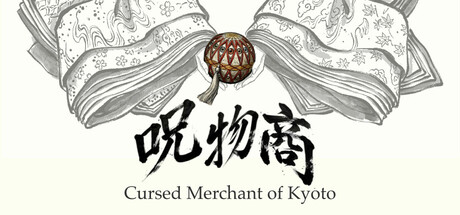 Cursed Merchant of Kyoto In-game content art | Some key art and illustrations in this game were created using generative AI image tools. No AI generates content in real time during gameplay. | aomaru works | - | Jun 28, 2026 | |
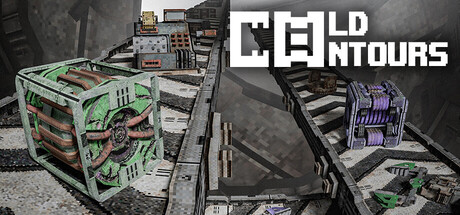 Cold Contours: Intake In-game content artcode | Generative AI tools were used as development assistance for code drafting/debugging and for creating some visual source materials. All AI-assisted code and visuals included in the game were reviewed, modified, edited, and integrated by the development team. | Tactolith | - | Jun 28, 2026 | |
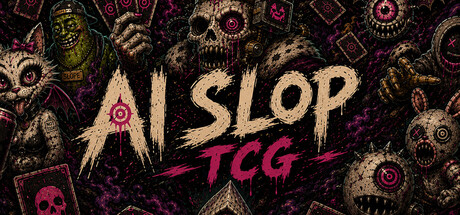 AI Slop TCG In-game content art | This game uses AI-generated and AI-assisted content as part of its creative process.
AI Slop: TCG exists because of a very specific idea: taking the weird, imperfect, grotesque, and absurd look of what people call “AI slop” and turning it into a roguelike card game full of satire, dark humor, and creatures that probably should not exist.
That is why AI has mainly been used to create and develop the creature illustrations for the cards. It is not an accidental extra or some hidden shortcut: it is part of the game’s concept, lore, and visual identity. Without that mutant digital-trash aesthetic, the project would lose a big part of what makes it work.
AI has also been used as support for visual ideation and production, which is especially important for a game being made by a solo developer.
The game does not generate AI content in real time during gameplay. All included content has been reviewed, selected, edited, and manually integrated by the developer. | Dev Deiff | - | Jun 28, 2026 | |
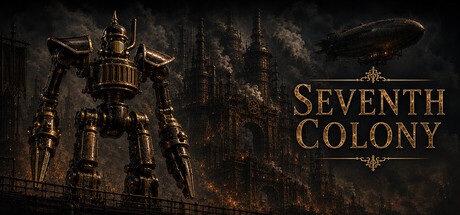 Seventh Colony Store/marketing art | Generative AI tools were used only to assist in the creation of certain store page and marketing images. No AI-generated content is created during gameplay, and the game does not use live AI systems or connect to external AI services while running. | GeneralFR | - | Jun 28, 2026 | |
 Just a Clicker Game In-game content arttextcode | AI Disclosure
This game was developed entirely with the assistance of large language models and generative AI tools. AI systems were used for graphic asset generation, concept art, narrative text drafting, lore writing, design review, creative critique, initial structural planning, code architecture, system design, feature implementation, iterative refinement, and debugging. All lore, mechanics, story, art, and game systems are pre-authored and fully static. No AI processing or generation occurs at runtime — the game runs entirely on pre-built code with no live model calls. This disclosure is provided in compliance with Steam's AI Content Policy and Valve developer transparency guidelines. | Mochi Fox Studios | - | Jun 28, 2026 | |
 月之冕 In-game content arttext | The developers utilize AI tools to assist in the initial concepting and intermediate rendering phases of certain 2D art assets, UI elements, and narrative cutscenes. However, all generated materials are heavily repainted, manually edited, and refined by our artists to ensure they align with the game's dark fantasy aesthetic. No raw, unedited AI generation is used in the final product. All core gameplay mechanics, level design, and technical systems are 100% | 不倒龙工作室 | 172 | Jun 28, 2026 |


