Public Steam disclosure research25,380 disclosures tracked
Where do games disclose AI use?
Search developers’ Steam disclosures, compare classified AI use across
games, and follow recorded changes.
This index adds cross-game classifications and statistics to
statements published on individual store pages.
Groups reflect automatic analysis of public disclosures; mature records are excluded. These counts do not measure AI use across all of Steam.
Missing or unclear statements cannot establish whether a game uses AI.
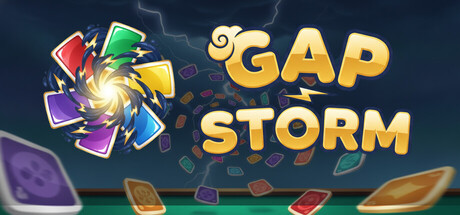
Some of Gap Storm's assets — including card art, character/enemy avatars, table and background art, certain UI icons, and some audio — were created with the assistance of generative AI tools (Google Gemini) during development. These assets were reviewed, edited, curated, and integrated by the developer. Gap Storm does NOT generate any AI content live during gameplay; all AI-assisted content is pre-made and fixed in the build.
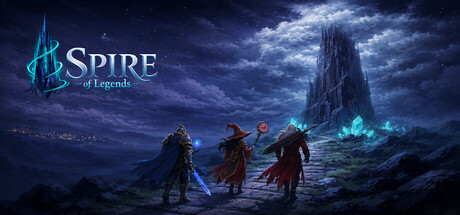
Spire of Legends uses generative AI as part of the development process for certain visual assets, sound effects, and localization content. AI-generated content is not used directly without review; assets and text are edited, refined, and integrated by the developer to meet the game's artistic and gameplay requirements. All game design, programming, mechanics, balance decisions, and overall creative direction are created by the developer.
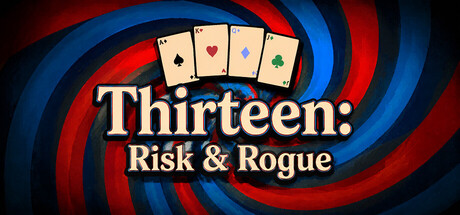
During the development process of this game, generative AI (LLM) tools were utilized as a coding assistant in the coding and software architecture phases.
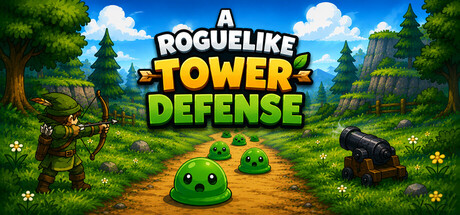
This game uses generative AI as part of the asset creation process. Some artwork, textures, music, and sound effects were generated with AI-assisted tools and subsequently modified, curated, and integrated by the developer. All gameplay design, game systems, balancing, programming, and final implementation were created and controlled by the developer.
This game's development uses generative AI tools in the following ways:
Image assets: generating some artwork and image materials (directed and curated by the developer; final design decisions and adjustments are made by a human).
Coding: assisting with implementation and development (design decisions and final code review are done by a human).
No content is generated by AI at runtime.
Generative AI is only used as a programming assistant (like code completion or text localization). It’s not used to create the art, audio, or other content that players actually see. Enemy AI and procedural map generation are done with traditional game logic, not generative AI. The art and audio released come from third-party licensed materials on itch.io, with credits given in-game. The game doesn’t call any generative AI services while running.
This game uses AI-generated and AI-assisted content as part of its creative process.
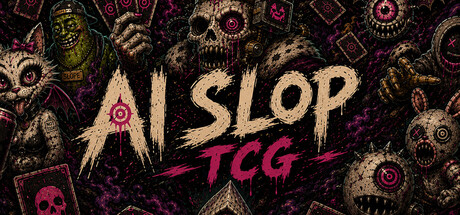
AI Slop: TCG exists because of a very specific idea: taking the weird, imperfect, grotesque, and absurd look of what people call “AI slop” and turning it into a roguelike card game full of satire, dark humor, and creatures that probably should not exist.
That is why AI has mainly been used to create and develop the creature illustrations for the cards. It is not an accidental extra or some hidden shortcut: it is part of the game’s concept, lore, and visual identity. Without that mutant digital-trash aesthetic, the project would lose a big part of what makes it work.
AI has also been used as support for visual ideation and production, which is especially important for a game being made by a solo developer.
The game does not generate AI content in real time during gameplay. All included content has been reviewed, selected, edited, and manually integrated by the developer.
Our team used generative AI tools to help develop some in-game card images and the images for our Steam Achievements. For any assets acquired from third-party artists, we were not always able to confirm whether generative AI was used in their creation. This is the full extent of our AI usage.
Generative AI tools were used only as programming assistance during development, such as code reference, debugging support, and workflow optimization. No player-facing art, story, audio, localization text, or gameplay content was generated by AI.
This game contains pre-generated AI-generated and AI-assisted visual content.
Generative AI tools were used as part of the art creation process for certain visual assets appearing in the game and on the Steam store page. This may include building artwork, ability cards, character artwork, menu artwork, user interface elements, promotional images, store capsules, library assets, and other graphical materials.
All such content was reviewed, curated, modified where necessary, and approved by the developer before inclusion in the final game. The developer is responsible for the final content presented to players.
The game does not use live AI generation, AI-powered gameplay systems, or AI-generated user content. All AI-assisted content is pre-generated during development and distributed as part of the game files.
All final artwork is created by our artists. AI-generated 2D placeholders are clearly labeled and will be replaced during production. Generative AI also assisted with select audio elements under our team’s direction.
AI technologies were used extensively throughout the development of this game. The vast majority of the game's design, balancing data, art assets, audio assets, programming, and testing were completed with AI assistance.
Generative AI tools were utilized during the development process to assist in the creation of certain in-game art assets. Specifically, this includes character portraits, environmental backgrounds, item icons, and foundational visual elements for some of the user interfaces. All initial AI-generated materials have undergone rigorous manual review, selection, and post-production refinement by the developer, ensuring they contain no inappropriate or policy-violating content. The game does not feature any content generated by real-time AI computation.
ESTRO Quantum uses generative AI only for some of its 2D/3D visual assets. Card illustrations and cosmetic art (card skins, backdrops, card backs) were created with the help of generative AI image-generation tools, then curated and reviewed by the developer before being included in the game. No AI-generated content is produced live during gameplay; the single-player "AI opponents" are traditional rule-based systems and do not use generative AI.
Some artwork, text drafts, and development materials were assisted by generative AI tools and then reviewed or edited by the developer. Core gameplay rules, player progress, purchases, and account-related decisions are not generated by AI during play.
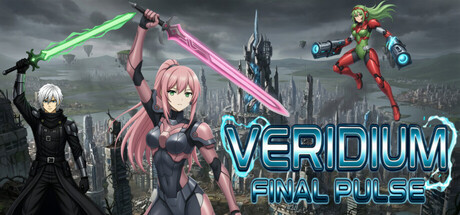
As the sole developer of Veridium: Final Pulse, I utilize generative AI tools as development assistants to create pre-rendered assets. AI technologies were used to generate 2D artwork, animations, music, sound effects, coding workflows, and promotional store texts. Crucially, all AI-generated elements have been thoroughly reviewed and curated, and were manually edited, modified, or refined wherever necessary to ensure high quality and artistic cohesion. The game contains no real-time or dynamically generated AI content during gameplay, and all tools are used under valid commercial licenses.
Sparrow God uses generative AI assistance for localization and some store-page/marketing copy. The game's design, mechanics, and mahjong rules are all original works by the developer. In-game visuals and audio are created through the developer's direction + algorithms (procedural rendering/synthesis), not AI-generated images or music. AI is a development-assist tool; the creative direction is led by a human.
This game uses Pre-Generated AI only. AI tools were used during development to create static assets (art, text, sound effects, etc.) that are bundled into the game. No Live-Generated AI is used — no AI model inference or online content generation takes place at runtime.
We translated the game in German and French ourselves. For Japanese, Simplified Chinese, Spanish and Portuguese (BR), we used AI. If you see any translation mistakes, feel free to let us know!
OrderlyWorld currently uses a limited number of pre-generated AI visual assets in the development build and store materials, including the main menu background. These assets are static and curated by the developer. The game does not generate content during play or connect to external AI services.
Some images featured on this store page and parts of the game's localization were created with the assistance of generative AI tools and have been reviewed for the final release.
This game does not contain any real-time generative AI features. Some game assets, including but not limited to animation effects, videos, card effects, and similar materials, were created with the assistance of AI.
AI-generated content is used only during the concept art and asset planning phase to generate initial creative ideas. No AI-generated content is present in the final game.
This game uses generative AI-assisted tools for some pre-generated art and audio assets, including portions of Steam store artwork, character and background assets, the application icon, and some BGM / SFX. All assets are selected, edited, integrated, and tested by the developer. The game does not include live-generated AI content during gameplay, and players will not encounter dynamically generated AI text, images, audio, or other content.
This game utilizes generative AI technology to assist in the batch processing and optimization of certain art assets, including but not limited to: style unification of character sprites, detail enhancement of background elements, and rapid generation of some UI icons. All AI-generated content has been manually reviewed, adjusted, and integrated by the developers to ensure consistency with the game's overall art direction. The core gameplay design, system architecture, balance tuning, and all other critical elements were completed independently by the developers.
Some temporary placeholder visuals currently used in the game were created with the help of AI-assisted image generation tools. These assets are only used during early development and will gradually be replaced with original or professionally refined artwork.
During the development process, generative AI was utilized to assist in drafting and refining select in-game text, as well as to facilitate the multilingual localization of the store page copy. Furthermore, generative AI tools were employed to aid in concept design during the creation of the game's store page key art, various marketing materials, and community assets.
We utilized generative AI tools to assist in creating certain visual assets, UI elements, and background music (BGM) during the development process.
Additionally, AI was used to optimize coding efficiency and assist with text localization to improve the quality of the English translation.
All AI-assisted contents and scripts have been thoroughly reviewed, verified, and refined manually by the developer to ensure quality.
Generative AI was used as part of the art production process for selected store page visuals, story illustrations, and some card artwork. All AI-assisted assets were reviewed and refined before being included in the game.
This game uses generative AI tools during development for selected visual, audio, and programming-related tasks.
【AI-assisted content and development】
• Visual assets: Some in-game visuals, including ship sprites, scenario artwork, terrain textures, UI illustrations, and other decorative assets, were created with generative AI image tools, then selected, edited, modified, and integrated by the developer.
• Audio assets: Some background and combat music tracks were created with AI music generation tools, then edited, mastered, and loudness-normalized for in-game use.
• Programming assistance: AI coding tools are used to assist with code generation, implementation, debugging, and development. Game systems, mechanics, simulation rules, balance, and overall technical design are directed and determined by the developer.
【Runtime and game content】
• No generative AI operates during gameplay or at runtime. All required assets and game logic are included with the game and run locally.
• Scenario design, gameplay rules, ship statistics, historical information, and overall game design are researched, designed, reviewed, and integrated by the developer.
All AI-assisted assets and generated code are reviewed, tested, and integrated by the developer before being included in the released game.
Some of Gap Storm's assets — including card art, character/enemy avatars, table and background art, certain UI icons, and some audio — were created with the assistance of generative AI tools (Google Gemini) during development. These assets were reviewed, edited, curated, and integrated by the developer. Gap Storm does NOT generate any AI content live during gameplay; all AI-assisted content is pre-made and fixed in the build.
Spire of Legends uses generative AI as part of the development process for certain visual assets, sound effects, and localization content. AI-generated content is not used directly without review; assets and text are edited, refined, and integrated by the developer to meet the game's artistic and gameplay requirements. All game design, programming, mechanics, balance decisions, and overall creative direction are created by the developer.
During the development process of this game, generative AI (LLM) tools were utilized as a coding assistant in the coding and software architecture phases.
This game uses generative AI as part of the asset creation process. Some artwork, textures, music, and sound effects were generated with AI-assisted tools and subsequently modified, curated, and integrated by the developer. All gameplay design, game systems, balancing, programming, and final implementation were created and controlled by the developer.
This game's development uses generative AI tools in the following ways:
Image assets: generating some artwork and image materials (directed and curated by the developer; final design decisions and adjustments are made by a human).
Coding: assisting with implementation and development (design decisions and final code review are done by a human).
No content is generated by AI at runtime.
Generative AI is only used as a programming assistant (like code completion or text localization). It’s not used to create the art, audio, or other content that players actually see. Enemy AI and procedural map generation are done with traditional game logic, not generative AI. The art and audio released come from third-party licensed materials on itch.io, with credits given in-game. The game doesn’t call any generative AI services while running.
This game uses AI-generated and AI-assisted content as part of its creative process.
AI Slop: TCG exists because of a very specific idea: taking the weird, imperfect, grotesque, and absurd look of what people call “AI slop” and turning it into a roguelike card game full of satire, dark humor, and creatures that probably should not exist.
That is why AI has mainly been used to create and develop the creature illustrations for the cards. It is not an accidental extra or some hidden shortcut: it is part of the game’s concept, lore, and visual identity. Without that mutant digital-trash aesthetic, the project would lose a big part of what makes it work.
AI has also been used as support for visual ideation and production, which is especially important for a game being made by a solo developer.
The game does not generate AI content in real time during gameplay. All included content has been reviewed, selected, edited, and manually integrated by the developer.
Our team used generative AI tools to help develop some in-game card images and the images for our Steam Achievements. For any assets acquired from third-party artists, we were not always able to confirm whether generative AI was used in their creation. This is the full extent of our AI usage.
Generative AI tools were used only as programming assistance during development, such as code reference, debugging support, and workflow optimization. No player-facing art, story, audio, localization text, or gameplay content was generated by AI.
This game contains pre-generated AI-generated and AI-assisted visual content.
Generative AI tools were used as part of the art creation process for certain visual assets appearing in the game and on the Steam store page. This may include building artwork, ability cards, character artwork, menu artwork, user interface elements, promotional images, store capsules, library assets, and other graphical materials.
All such content was reviewed, curated, modified where necessary, and approved by the developer before inclusion in the final game. The developer is responsible for the final content presented to players.
The game does not use live AI generation, AI-powered gameplay systems, or AI-generated user content. All AI-assisted content is pre-generated during development and distributed as part of the game files.
All final artwork is created by our artists. AI-generated 2D placeholders are clearly labeled and will be replaced during production. Generative AI also assisted with select audio elements under our team’s direction.
AI technologies were used extensively throughout the development of this game. The vast majority of the game's design, balancing data, art assets, audio assets, programming, and testing were completed with AI assistance.
Generative AI tools were utilized during the development process to assist in the creation of certain in-game art assets. Specifically, this includes character portraits, environmental backgrounds, item icons, and foundational visual elements for some of the user interfaces. All initial AI-generated materials have undergone rigorous manual review, selection, and post-production refinement by the developer, ensuring they contain no inappropriate or policy-violating content. The game does not feature any content generated by real-time AI computation.
ESTRO Quantum uses generative AI only for some of its 2D/3D visual assets. Card illustrations and cosmetic art (card skins, backdrops, card backs) were created with the help of generative AI image-generation tools, then curated and reviewed by the developer before being included in the game. No AI-generated content is produced live during gameplay; the single-player "AI opponents" are traditional rule-based systems and do not use generative AI.
Some artwork, text drafts, and development materials were assisted by generative AI tools and then reviewed or edited by the developer. Core gameplay rules, player progress, purchases, and account-related decisions are not generated by AI during play.
As the sole developer of Veridium: Final Pulse, I utilize generative AI tools as development assistants to create pre-rendered assets. AI technologies were used to generate 2D artwork, animations, music, sound effects, coding workflows, and promotional store texts. Crucially, all AI-generated elements have been thoroughly reviewed and curated, and were manually edited, modified, or refined wherever necessary to ensure high quality and artistic cohesion. The game contains no real-time or dynamically generated AI content during gameplay, and all tools are used under valid commercial licenses.
Sparrow God uses generative AI assistance for localization and some store-page/marketing copy. The game's design, mechanics, and mahjong rules are all original works by the developer. In-game visuals and audio are created through the developer's direction + algorithms (procedural rendering/synthesis), not AI-generated images or music. AI is a development-assist tool; the creative direction is led by a human.
This game uses Pre-Generated AI only. AI tools were used during development to create static assets (art, text, sound effects, etc.) that are bundled into the game. No Live-Generated AI is used — no AI model inference or online content generation takes place at runtime.
We translated the game in German and French ourselves. For Japanese, Simplified Chinese, Spanish and Portuguese (BR), we used AI. If you see any translation mistakes, feel free to let us know!
OrderlyWorld currently uses a limited number of pre-generated AI visual assets in the development build and store materials, including the main menu background. These assets are static and curated by the developer. The game does not generate content during play or connect to external AI services.
Some images featured on this store page and parts of the game's localization were created with the assistance of generative AI tools and have been reviewed for the final release.
This game does not contain any real-time generative AI features. Some game assets, including but not limited to animation effects, videos, card effects, and similar materials, were created with the assistance of AI.
AI-generated content is used only during the concept art and asset planning phase to generate initial creative ideas. No AI-generated content is present in the final game.
This game uses generative AI-assisted tools for some pre-generated art and audio assets, including portions of Steam store artwork, character and background assets, the application icon, and some BGM / SFX. All assets are selected, edited, integrated, and tested by the developer. The game does not include live-generated AI content during gameplay, and players will not encounter dynamically generated AI text, images, audio, or other content.
This game utilizes generative AI technology to assist in the batch processing and optimization of certain art assets, including but not limited to: style unification of character sprites, detail enhancement of background elements, and rapid generation of some UI icons. All AI-generated content has been manually reviewed, adjusted, and integrated by the developers to ensure consistency with the game's overall art direction. The core gameplay design, system architecture, balance tuning, and all other critical elements were completed independently by the developers.
Some temporary placeholder visuals currently used in the game were created with the help of AI-assisted image generation tools. These assets are only used during early development and will gradually be replaced with original or professionally refined artwork.
During the development process, generative AI was utilized to assist in drafting and refining select in-game text, as well as to facilitate the multilingual localization of the store page copy. Furthermore, generative AI tools were employed to aid in concept design during the creation of the game's store page key art, various marketing materials, and community assets.
We utilized generative AI tools to assist in creating certain visual assets, UI elements, and background music (BGM) during the development process.
Additionally, AI was used to optimize coding efficiency and assist with text localization to improve the quality of the English translation.
All AI-assisted contents and scripts have been thoroughly reviewed, verified, and refined manually by the developer to ensure quality.
Generative AI was used as part of the art production process for selected store page visuals, story illustrations, and some card artwork. All AI-assisted assets were reviewed and refined before being included in the game.
This game uses generative AI tools during development for selected visual, audio, and programming-related tasks.
【AI-assisted content and development】
• Visual assets: Some in-game visuals, including ship sprites, scenario artwork, terrain textures, UI illustrations, and other decorative assets, were created with generative AI image tools, then selected, edited, modified, and integrated by the developer.
• Audio assets: Some background and combat music tracks were created with AI music generation tools, then edited, mastered, and loudness-normalized for in-game use.
• Programming assistance: AI coding tools are used to assist with code generation, implementation, debugging, and development. Game systems, mechanics, simulation rules, balance, and overall technical design are directed and determined by the developer.
【Runtime and game content】
• No generative AI operates during gameplay or at runtime. All required assets and game logic are included with the game and run locally.
• Scenario design, gameplay rules, ship statistics, historical information, and overall game design are researched, designed, reviewed, and integrated by the developer.
All AI-assisted assets and generated code are reviewed, tested, and integrated by the developer before being included in the released game.