Public Steam disclosure research25,380 disclosures tracked
Where do games disclose AI use?
Search developers’ Steam disclosures, compare classified AI use across
games, and follow recorded changes.
This index adds cross-game classifications and statistics to
statements published on individual store pages.
Groups reflect automatic analysis of public disclosures; mature records are excluded. These counts do not measure AI use across all of Steam.
Missing or unclear statements cannot establish whether a game uses AI.
Generative AI tools were used during development to assist with portions of the game’s code, gameplay data, English and Korean text, visual assets—including card, character, monster, UI, and environment artwork—and the creation of music, ambience, and sound effects.
All AI-assisted material was reviewed and selected by the developer, then edited or processed where appropriate, tested, and integrated into the game. The game does not use generative AI at runtime, and no player input or personal data is sent to generative AI services.
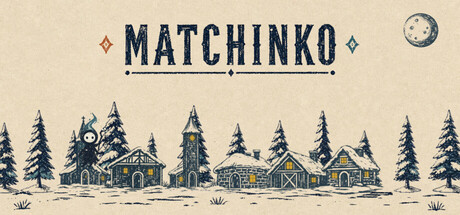
Generative AI tools were used during development to create all visual artwork, sound effects, and music in Matchinko, including artwork used in store and marketing materials. AI tools also assisted with code, debugging, and drafts of some written content. All generated material was reviewed, selected, edited, tested, and integrated by the developer before inclusion. The game does not generate content using AI at runtime, connect to external AI services during play, or send player data to AI systems.
The game's code, writing (company names, event text, narrative flavor), and 2D art were created during development with AI assistance (Anthropic's Claude), directed, curated, and edited by the developer. All content is pre-generated: the game generates no AI content at runtime and connects to no AI services while you play.
Some of the game’s visual assets were created with the assistance of generative AI. All generated artwork is reviewed, edited, refined, and adapted by the development team to maintain a consistent visual identity and ensure that it matches the game’s artistic direction and design choices.
This approach was necessary due to the high cost of commissioning the full amount of artwork required from one or more professional artists or illustrators. Using AI-assisted tools helped keep the project financially viable, speed up production, and bring the game to players sooner while preserving a cohesive and recognizable style.
This game's localization (including English text) was created with the assistance of AI translation tools, reviewed by the developer. No AI-generated content is created live during gameplay.
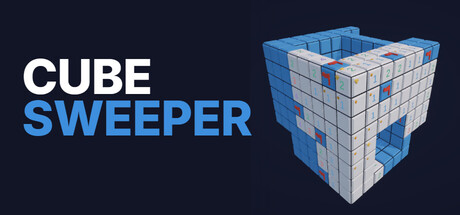
Cube Sweeper used AI assistance during development in two places. Some of the game's handcrafted curated boards began as AI-generated shapes, which were then validated and certified solvable by the game's own logic engine before anything shipped, exactly like every other board in the game. Store page artwork production was aided by AI-assisted tools. No AI is used at runtime. The puzzles are generated by a deterministic system.
I have used generative AI for some parts or sections of the trailer creation and some voices or images used inside the game itself. All the code and inner workings of the game have been created by a person.
GloomDelve's visuals, audio, and dungeons are generated procedurally by hand-written code; calculated geometry, synthesized sound, and deterministic seed-based level generation, not by generative AI. Generative AI tools were used during development to assist with translating the interface into non-English languages. The game generates no content at runtime and connects to no AI service while you play. Every run is produced by the same deterministic procedural systems.
Some card illustrations were created with the assistance of generative AI during development, then selected, edited, and integrated by the developer. No AI-generated content is created during gameplay.
Pre-generated generative AI tools were used during production to create or assist with 2D artwork, animation assets, music, and sound effects. All AI-assisted content is selected, edited as needed, and integrated by the developer. The game does not generate content during gameplay.
All visual assets and store page copy that ship with the product were created using generative AI tools during development, then reviewed and edited by the developer. This includes: card illustrations, creature and hazard art, UI iconography, and backgrounds within the game; the Steam capsule and header images; and the written store page description. Store page screenshots are unaltered captures of the running game. No content is generated at runtime; all assets are static and baked into the build. Procedural systems in the game (seeded board layout, salvage rolls) are deterministic algorithms, not generative AI.
Some 2D art assets in this game (such as item and relic icons) were created with the assistance of generative AI image tools. All AI-assisted assets are reviewed and edited by the developer before being included in the game. No AI content is generated during gameplay.
Pre-generated content. Character portraits, spell and keyword icons, and store artwork were produced using AI image generation tools, then selected, edited and assembled by the developer. Some in-game text was drafted with AI assistance and edited by the developer. Music and sound effects are licensed from human creators. No content is generated live while the game is running.
StorySmith uses generative AI to write its stories live as you and your Twitch chat make choices. The AI model runs locally on your machine by default, with an optional bring-your-own-key cloud option — so your playthroughs stay private and no two are ever the same.
Parts of this game's audio and art were produced with generative AI tools and then reviewed, edited and finished by hand before shipping:
- Music: the background tracks were generated with an AI music tool (Suno) from our own briefs, then selected, trimmed, loudness-matched and looped by hand.
- Sound effects: part of the SFX layers were generated with an AI audio tool (ElevenLabs) and combined with locally synthesised layers, then mixed and balanced by hand.
- Visual effects and some enemy animation frames were AI-assisted and then corrected frame by frame against our approved art direction.
- The marketing key art used for the store capsules and library artwork was generated with an AI image tool, using our own approved character art and real in-game screenshots as references. The trailer narration voice is AI-generated.
No generative AI runs while you play: nothing is generated at runtime, and the game never sends your data to an AI service.
All game design, code, Chinese text, card and character data, the decomposition data behind the composing system, the interface and the calligraphy fonts are human-authored. Every screenshot and all gameplay footage is captured from the real build.
This game uses pre-generated AI only for some decorative static models in scenes, selected UI assets, and promotional artwork, all of which have been manually reviewed by our team. It contains no live-generated AI content; core gameplay and level design are original works of the development team.
Generative AI tools were used to create most of the game’s 2D artwork, including sprites and animations for enemies, the player character, towers, relics, and other gameplay elements, as well as promotional materials.
All generated assets were reviewed, edited, refined, and integrated by the developer to maintain a consistent visual direction.
All AI-assisted content is pre-generated; no content is generated using AI during gameplay.
Some 2D artwork, including character, enemy, map, user-interface, icon, and visual-effect source images, was created with the assistance of generative AI tools during development. Every shipped asset is selected, edited, integrated, and reviewed by the development team for visual consistency, gameplay readability, and rights compliance. The game does not generate content with AI while it is running and does not send player prompts to an AI service.
This game uses pre-generated AI-assisted content during development. AI tools were used to assist with the creation of certain visual assets and early concept artwork. All AI-generated content has been reviewed, edited, and curated by the developer before inclusion in the final game. The game does not use live AI generation during gameplay.
This game uses AI-generated artwork for many character portraits and illustrations, as well as some store page assets (capsule images, logo) and trailer visuals. Core gameplay, game design, systems, and programming were created by the developer without AI assistance.
Code: I'm a solo developer and I use AI coding agents. The architecture, game design, systems, and direction are mine; the agents write code to my spec, under my review. That includes the UI, which agents build from my own designs and styles.
3D art: Made by a professional artist. No AI.
Music and SFX: Currently placeholders, licensed from Ocular Sounds, who state their sounds are crafted from original source recordings by their in-house sound design team. To be replaced with commissioned work.
Writing: Written by me. AI agents help me edit and apply corrections; I approve every word that ships. A professional writer will be brought on as development continues.
Illustrations: Not in the game yet. They will be commissioned from professional artists.
Portions of the game's written content (interface text, in-game help, Russian/English localization) and store page texts were created with the assistance of AI tools, directed, reviewed and edited by the developer. All graphics are hand-coded procedural visuals and all audio is procedurally synthesized in code — no AI-generated images or audio are included.
This game is being developed solo. As an independent developer working with limited resources and budget, AI tools have been used in the production of some visual and musical assets:
Some character concept art, store page marketing materials, and background/atmospheric visuals were created using AI visual generation tools, then edited and integrated by the developer to fit the game's art direction.
Some visuals are included as placeholders and will be changed during development.
Some background music tracks were created using AI music generation tools.
The game's codebase, gameplay mechanics, character design, dialogue writing, and overall creative direction were all created manually by the developer alone. AI tools were used as a tool where access to a professional art/sound team was not possible as a solo developer; final decisions, edits, and the overall creative direction of the game were shaped by the developer.
Machine translation has been used for language localization.
Some background elements, such as grass and trees, were created using AI-generated images and then manually edited and refined.
Generative AI was used as a supporting tool for localization in some languages. All AI-assisted translations were reviewed and edited by the development team. No AI-generated content is created in real time during gameplay.
All game design, gameplay systems, worldbuilding, story, characters, progression systems, and creative direction were conceived, created, and directed by the development team. AI-assisted tools were used to support asset production, not to create the game's design, story, or gameplay.
No artist names, living artists, or copyrighted characters were used as prompts to imitate specific creators, intellectual property, or art styles.
This game contains pre-generated content created with the assistance of generative AI.
AI-assisted tools were used during development to create certain visual assets, voice performances, video content, and sound effects that are included in the game and its marketing materials.
The game does not use live-generated AI content. All AI-assisted content was reviewed, selected, edited, and integrated by the development team before being included in the final product.
Some of the game's visual assets — both 2D and 3D — are built from AI-generated drafts that our artists rework and refine by hand into their final form. Localization was drafted with AI tools and edited by the team. The final look, content, and quality of every element of the game are defined and approved by humans.
Generative AI tools were used during the development of The Five Monks as follows:
- Illustrations, icons, and in-game object art: initial images were generated with AI tools, then revised and finalized by hand by the development team. These edited assets ship with the game.
- Creature and character concepts: AI outputs were used as visual reference only. The final in-game art was recreated from scratch by the development team to fit the game's art direction.
- Store page text: portions were drafted with AI assistance and then edited by the team.
The game's music was composed by the development team without generative AI.
Generative AI is used only during development to create and refine certain visual assets, including textures, icons, and UI elements. All generated materials are reviewed and edited by the developer when necessary before being added to the game. AI does not generate content during gameplay or process user data.
Generative AI was used during development to create some pre-generated graphical content. This includes several user interface icons used in the game and the hero banner displayed on the Steam store page. The game does not generate any content using AI during runtime.
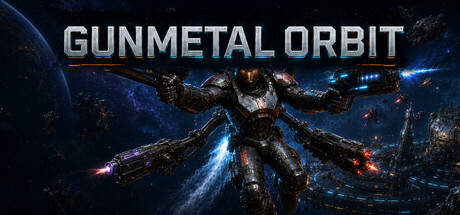
Some of Gunmetal Orbit's art and audio assets - including concept art used to build 3D models, UI icons, sound effects, and the store page key art - were created during development with the help of generative AI tools, then curated, edited, and integrated by the developers. All gameplay code and game design are human-made, and the game does not generate any AI content while you play.
Generative tools were used during development to assist with certain aspects of the games rendering systems; all such content was curated, reviewed, and integrated by the development team.
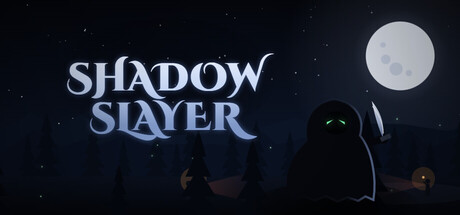
Shadow Slayer is built almost entirely in code. The character and enemy art is
drawn procedurally as vector graphics, and the sound effects and adaptive music
layers are synthesized in real time in the browser - none of that is AI-generated.
Generative AI tools were used to help create some of the content that ships with
the game:
- Music: several of the recorded background-music tracks were produced with the
help of generative AI music tools.
- Localization: the non-English translations were produced with AI-assisted
translation and reviewed by the developer.
- Store page & marketing images: some capsule/promotional artwork was created
with generative AI image tools.
All AI-assisted content was selected, edited, and integrated by a human
developer. No AI content is generated live while you play - everything ships
pre-made and reviewed.
During development, generative AI was used for programming assistance, drafting UI text and English localization, and assisting with the layout and composition of graphical assets for Steam. Any content incorporated into the final product was reviewed and edited by the developer. No AI-generated content is produced while the game is running.
AI tools (coding assistants) were used to help write portions of the game's source code during development. All art, music, and game content shipped in the product are hand-authored or procedurally generated by our own code; no generative AI is used to produce any assets, and no AI generates content at runtime.
Basically, I write software for a living but I was not a video game dev, so I used some coding assistants to help me out with areas I was less familiar.
Generative AI tools were used during development to assist with portions of the game’s code, gameplay data, English and Korean text, visual assets—including card, character, monster, UI, and environment artwork—and the creation of music, ambience, and sound effects.
All AI-assisted material was reviewed and selected by the developer, then edited or processed where appropriate, tested, and integrated into the game. The game does not use generative AI at runtime, and no player input or personal data is sent to generative AI services.
Generative AI tools were used during development to create all visual artwork, sound effects, and music in Matchinko, including artwork used in store and marketing materials. AI tools also assisted with code, debugging, and drafts of some written content. All generated material was reviewed, selected, edited, tested, and integrated by the developer before inclusion. The game does not generate content using AI at runtime, connect to external AI services during play, or send player data to AI systems.
The game's code, writing (company names, event text, narrative flavor), and 2D art were created during development with AI assistance (Anthropic's Claude), directed, curated, and edited by the developer. All content is pre-generated: the game generates no AI content at runtime and connects to no AI services while you play.
Some of the game’s visual assets were created with the assistance of generative AI. All generated artwork is reviewed, edited, refined, and adapted by the development team to maintain a consistent visual identity and ensure that it matches the game’s artistic direction and design choices.
This approach was necessary due to the high cost of commissioning the full amount of artwork required from one or more professional artists or illustrators. Using AI-assisted tools helped keep the project financially viable, speed up production, and bring the game to players sooner while preserving a cohesive and recognizable style.
This game's localization (including English text) was created with the assistance of AI translation tools, reviewed by the developer. No AI-generated content is created live during gameplay.
Cube Sweeper used AI assistance during development in two places. Some of the game's handcrafted curated boards began as AI-generated shapes, which were then validated and certified solvable by the game's own logic engine before anything shipped, exactly like every other board in the game. Store page artwork production was aided by AI-assisted tools. No AI is used at runtime. The puzzles are generated by a deterministic system.
I have used generative AI for some parts or sections of the trailer creation and some voices or images used inside the game itself. All the code and inner workings of the game have been created by a person.
GloomDelve's visuals, audio, and dungeons are generated procedurally by hand-written code; calculated geometry, synthesized sound, and deterministic seed-based level generation, not by generative AI. Generative AI tools were used during development to assist with translating the interface into non-English languages. The game generates no content at runtime and connects to no AI service while you play. Every run is produced by the same deterministic procedural systems.
Some card illustrations were created with the assistance of generative AI during development, then selected, edited, and integrated by the developer. No AI-generated content is created during gameplay.
Pre-generated generative AI tools were used during production to create or assist with 2D artwork, animation assets, music, and sound effects. All AI-assisted content is selected, edited as needed, and integrated by the developer. The game does not generate content during gameplay.
All visual assets and store page copy that ship with the product were created using generative AI tools during development, then reviewed and edited by the developer. This includes: card illustrations, creature and hazard art, UI iconography, and backgrounds within the game; the Steam capsule and header images; and the written store page description. Store page screenshots are unaltered captures of the running game. No content is generated at runtime; all assets are static and baked into the build. Procedural systems in the game (seeded board layout, salvage rolls) are deterministic algorithms, not generative AI.
Some 2D art assets in this game (such as item and relic icons) were created with the assistance of generative AI image tools. All AI-assisted assets are reviewed and edited by the developer before being included in the game. No AI content is generated during gameplay.
Pre-generated content. Character portraits, spell and keyword icons, and store artwork were produced using AI image generation tools, then selected, edited and assembled by the developer. Some in-game text was drafted with AI assistance and edited by the developer. Music and sound effects are licensed from human creators. No content is generated live while the game is running.
StorySmith uses generative AI to write its stories live as you and your Twitch chat make choices. The AI model runs locally on your machine by default, with an optional bring-your-own-key cloud option — so your playthroughs stay private and no two are ever the same.
Parts of this game's audio and art were produced with generative AI tools and then reviewed, edited and finished by hand before shipping:
- Music: the background tracks were generated with an AI music tool (Suno) from our own briefs, then selected, trimmed, loudness-matched and looped by hand.
- Sound effects: part of the SFX layers were generated with an AI audio tool (ElevenLabs) and combined with locally synthesised layers, then mixed and balanced by hand.
- Visual effects and some enemy animation frames were AI-assisted and then corrected frame by frame against our approved art direction.
- The marketing key art used for the store capsules and library artwork was generated with an AI image tool, using our own approved character art and real in-game screenshots as references. The trailer narration voice is AI-generated.
No generative AI runs while you play: nothing is generated at runtime, and the game never sends your data to an AI service.
All game design, code, Chinese text, card and character data, the decomposition data behind the composing system, the interface and the calligraphy fonts are human-authored. Every screenshot and all gameplay footage is captured from the real build.
This game uses pre-generated AI only for some decorative static models in scenes, selected UI assets, and promotional artwork, all of which have been manually reviewed by our team. It contains no live-generated AI content; core gameplay and level design are original works of the development team.
Generative AI tools were used to create most of the game’s 2D artwork, including sprites and animations for enemies, the player character, towers, relics, and other gameplay elements, as well as promotional materials.
All generated assets were reviewed, edited, refined, and integrated by the developer to maintain a consistent visual direction.
All AI-assisted content is pre-generated; no content is generated using AI during gameplay.
Some 2D artwork, including character, enemy, map, user-interface, icon, and visual-effect source images, was created with the assistance of generative AI tools during development. Every shipped asset is selected, edited, integrated, and reviewed by the development team for visual consistency, gameplay readability, and rights compliance. The game does not generate content with AI while it is running and does not send player prompts to an AI service.
This game uses pre-generated AI-assisted content during development. AI tools were used to assist with the creation of certain visual assets and early concept artwork. All AI-generated content has been reviewed, edited, and curated by the developer before inclusion in the final game. The game does not use live AI generation during gameplay.
This game uses AI-generated artwork for many character portraits and illustrations, as well as some store page assets (capsule images, logo) and trailer visuals. Core gameplay, game design, systems, and programming were created by the developer without AI assistance.
Code: I'm a solo developer and I use AI coding agents. The architecture, game design, systems, and direction are mine; the agents write code to my spec, under my review. That includes the UI, which agents build from my own designs and styles.
3D art: Made by a professional artist. No AI.
Music and SFX: Currently placeholders, licensed from Ocular Sounds, who state their sounds are crafted from original source recordings by their in-house sound design team. To be replaced with commissioned work.
Writing: Written by me. AI agents help me edit and apply corrections; I approve every word that ships. A professional writer will be brought on as development continues.
Illustrations: Not in the game yet. They will be commissioned from professional artists.
Portions of the game's written content (interface text, in-game help, Russian/English localization) and store page texts were created with the assistance of AI tools, directed, reviewed and edited by the developer. All graphics are hand-coded procedural visuals and all audio is procedurally synthesized in code — no AI-generated images or audio are included.
This game is being developed solo. As an independent developer working with limited resources and budget, AI tools have been used in the production of some visual and musical assets:
Some character concept art, store page marketing materials, and background/atmospheric visuals were created using AI visual generation tools, then edited and integrated by the developer to fit the game's art direction.
Some visuals are included as placeholders and will be changed during development.
Some background music tracks were created using AI music generation tools.
The game's codebase, gameplay mechanics, character design, dialogue writing, and overall creative direction were all created manually by the developer alone. AI tools were used as a tool where access to a professional art/sound team was not possible as a solo developer; final decisions, edits, and the overall creative direction of the game were shaped by the developer.
Machine translation has been used for language localization.
Some background elements, such as grass and trees, were created using AI-generated images and then manually edited and refined.
Generative AI was used as a supporting tool for localization in some languages. All AI-assisted translations were reviewed and edited by the development team. No AI-generated content is created in real time during gameplay.
All game design, gameplay systems, worldbuilding, story, characters, progression systems, and creative direction were conceived, created, and directed by the development team. AI-assisted tools were used to support asset production, not to create the game's design, story, or gameplay.
No artist names, living artists, or copyrighted characters were used as prompts to imitate specific creators, intellectual property, or art styles.
This game contains pre-generated content created with the assistance of generative AI.
AI-assisted tools were used during development to create certain visual assets, voice performances, video content, and sound effects that are included in the game and its marketing materials.
The game does not use live-generated AI content. All AI-assisted content was reviewed, selected, edited, and integrated by the development team before being included in the final product.
Some of the game's visual assets — both 2D and 3D — are built from AI-generated drafts that our artists rework and refine by hand into their final form. Localization was drafted with AI tools and edited by the team. The final look, content, and quality of every element of the game are defined and approved by humans.
Generative AI tools were used during the development of The Five Monks as follows:
- Illustrations, icons, and in-game object art: initial images were generated with AI tools, then revised and finalized by hand by the development team. These edited assets ship with the game.
- Creature and character concepts: AI outputs were used as visual reference only. The final in-game art was recreated from scratch by the development team to fit the game's art direction.
- Store page text: portions were drafted with AI assistance and then edited by the team.
The game's music was composed by the development team without generative AI.
Generative AI is used only during development to create and refine certain visual assets, including textures, icons, and UI elements. All generated materials are reviewed and edited by the developer when necessary before being added to the game. AI does not generate content during gameplay or process user data.
Generative AI was used during development to create some pre-generated graphical content. This includes several user interface icons used in the game and the hero banner displayed on the Steam store page. The game does not generate any content using AI during runtime.
Some of Gunmetal Orbit's art and audio assets - including concept art used to build 3D models, UI icons, sound effects, and the store page key art - were created during development with the help of generative AI tools, then curated, edited, and integrated by the developers. All gameplay code and game design are human-made, and the game does not generate any AI content while you play.
Generative tools were used during development to assist with certain aspects of the games rendering systems; all such content was curated, reviewed, and integrated by the development team.
Shadow Slayer is built almost entirely in code. The character and enemy art is
drawn procedurally as vector graphics, and the sound effects and adaptive music
layers are synthesized in real time in the browser - none of that is AI-generated.
Generative AI tools were used to help create some of the content that ships with
the game:
- Music: several of the recorded background-music tracks were produced with the
help of generative AI music tools.
- Localization: the non-English translations were produced with AI-assisted
translation and reviewed by the developer.
- Store page & marketing images: some capsule/promotional artwork was created
with generative AI image tools.
All AI-assisted content was selected, edited, and integrated by a human
developer. No AI content is generated live while you play - everything ships
pre-made and reviewed.
During development, generative AI was used for programming assistance, drafting UI text and English localization, and assisting with the layout and composition of graphical assets for Steam. Any content incorporated into the final product was reviewed and edited by the developer. No AI-generated content is produced while the game is running.
AI tools (coding assistants) were used to help write portions of the game's source code during development. All art, music, and game content shipped in the product are hand-authored or procedurally generated by our own code; no generative AI is used to produce any assets, and no AI generates content at runtime.
Basically, I write software for a living but I was not a video game dev, so I used some coding assistants to help me out with areas I was less familiar.