Public Steam disclosure research25,383 disclosures tracked
Where do games disclose AI use?
Search developers’ Steam disclosures, compare classified AI use across
games, and follow recorded changes.
This index adds cross-game classifications and statistics to
statements published on individual store pages.
Groups reflect automatic analysis of public disclosures; mature records are excluded. These counts do not measure AI use across all of Steam.
Missing or unclear statements cannot establish whether a game uses AI.
Generative AI tools were used during development to create the artwork and audio used throughout the game. The generated assets were reviewed, selected, edited as needed, and incorporated into the final game by the developer.
This game uses generative AI during development to create some of the visual assets included in the game. AI-generated assets are reviewed and edited as needed before being incorporated into the final game. The game does not use generative AI to create content dynamically during gameplay.
Generative AI was used to assist in creating pre-generated artwork, animation, audio, dialogue, and localization. All content was reviewed and edited by the developer. No AI is used at runtime.
OpenAI image generation was used to create a pre-generated background image used in some of the game's Steam store capsule artwork and screenshots. The image is fixed and was reviewed by the developer. No content is generated using AI during gameplay.
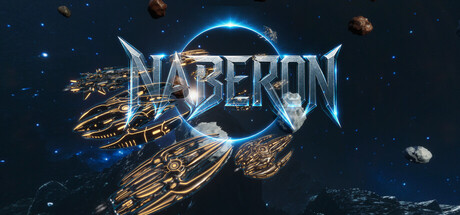
NABERON uses generative AI tools in the creation of some of its assets.
3D models and textures were generated with Meshy, then reworked, retextured
and assembled by hand for the game. Music was generated with Suno, and part
of the sound effects with ElevenLabs. Some store page artwork, including the
logo, was created with AI image tools.
All generated content was reviewed, edited and approved by the developer
before it shipped. The game does not generate any content live while you
play — nothing is created at runtime.
As a solo developer, I utilize AI to amplify my outputs. Although I never rely on or depend on the AI to do the work, it is a tool much like this computer that I am typing on, the creativity is still up to us to use it correctly. No content is generated during play.
Generative artificial intelligence (AI) was used to create some audio and visual assets, portions of the game code, Steam store page copy, and localized content. No AI-generated content is created in real time during gameplay.
All artwork, sprites, terrain, animations and audio are procedurally generated by our own deterministic tools or licensed/purchased from human-made sources. No generative AI images or audio are used. AI assistance was used for drafting and prototyping, all of which is reviewed and further iterated by a human. No AI models run while the game is played.
I cannot draw and I have no experience with graphics either, which is why I turned to AI for the images in the game: the creatures, items, zones and the class portraits. I picked, edited and placed every single one of them myself, and plenty were thrown out again before the rest fit together.
This game uses generative AI in the following ways:
Art: Visual assets including the logo, UI elements, backgrounds, and character sprites were created with the assistance of AI image generation tools, then reviewed and adjusted by the developer.
Localization: In-game text was translated into 72 languages with the assistance of AI translation tools.
All content has been reviewed by the developer before release.
Note: Developed entirely solo, this project utilizes modern auxiliary tools for code optimization and localization. If you encounter any bugs, please feel free to reach out to help improve the game experience!
An AI-assisted tool was used to create a preliminary translation pass that was reviewed and revised by human localization professionals.
AI was not and will not be used to generate in-game art, audio, narrative, or gameplay elements.
“AI tools were used to upscale/enhance original artwork created by the developer. The resulting assets were subsequently manually reworked and edited to match the game's intended art direction.”
We use AI tools to assist development. Some 3D models are generated with the assistance of AI tools (Meshy) from our own concept designs, and are then reviewed, adjusted, and integrated into the game by the team. Some store page text was drafted with AI assistance and then edited by the developers.
No generative AI runs at runtime. Players never receive AI-generated content while playing.
Generative AI has been used during the early stages of development to create temporary placeholder content, primarily to support production and prototyping. This content is intended to be temporary and is planned to be replaced with final assets specifically created for the game as development progresses.
We used Kimi 3 to generate the code, vector game assets, skeletal animations and code-synthesized sound effects for this game. Music was generated via Suno, while the game design documents, gameplay mechanics and numerical balancing are strictly controlled by human designers.
Some pre-rendered artwork — event illustrations, key art, and store capsule images — was created with the assistance of generative AI tools, then selected, edited, and composited by the developer. Localization drafts were produced with AI translation tools and reviewed by the developer. All in-game unit, UI, and map art uses licensed, human-made asset packs. No content is generated by AI at runtime.
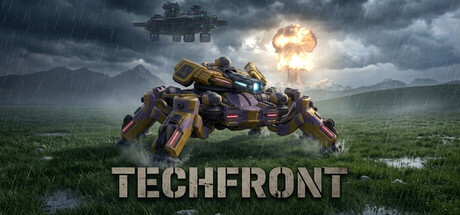
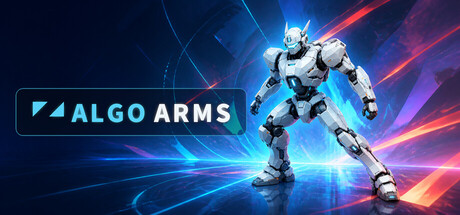
Generative AI was used as a development tool for this game. An AI assistant helped with programming, game design iteration, and text translation, always under the developer's direction and review. Some 3D models, such as mech parts, are based on assets created with generative AI tools and then adjusted and integrated by the developer. No content is generated by AI during gameplay: enemy behavior is not generative AI, but the same deterministic node-based algorithms that players build themselves.
To streamline development and enhance our creative vision, generative AI technologies were utilized in the following areas during the production of this game:
Programming & Development Support: AI tools assisted in drafting source code and verifying game logic.
Art & Visual Assets: AI tools were used to assist with concept art and base background materials, all of which were manually retouched, processed, and reconstructed.
Music: AI tools were used to assist in arranging and producing original tracks, followed by manual editing and mastering.
All AI-assisted assets have been carefully curated, modified, and reviewed manually by the developer prior to integration into the game. The game does not feature any live-generated AI content during gameplay, and development strictly adheres to all applicable legal standards and Steam's content guidelines.
Some of the 2D artwork and animation frames in this game were produced with the assistance of generative AI tools. Every AI-assisted asset was reviewed and edited by me (the developer) before shipping. The game contains no live-generated AI content — all art, animation, and text are fixed at release and identical for every player.
All 3D models and textures were created by humans. Some sound assets and UI graphics were created using generative AI and edited and supervised by humans.
Generative AI tools were used during development as part of the early creative and production process, including generating mood boards, visual references, and some base meshes.
These materials were used as starting points rather than finished game content. Any AI-assisted assets included in Nine Below were substantially reworked, modified, refined, and polished by hand before being included in the final game.
AI was used to support iteration and production, while the final game was designed, built, and finished by the developer. No AI-generated content is created during gameplay.
As indie developers we use generative AI to power our creativity and build this game faster and according our community desires and our own vision for the game.
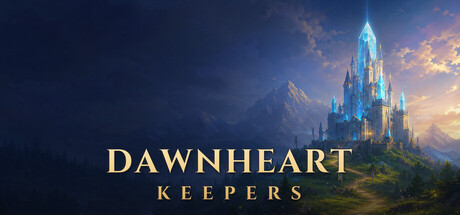
Some of the content in Dawnheart Keepers was created with the help of generative AI tools during development. All of it was made before release: the game does not generate anything with AI while you play, and it never connects to an AI service.
What that covers:
- Illustrated art - menu and story backgrounds, story scenes, the world map, character and tower portraits, and the upgrade-card plates - was made with image-generation models run locally on the developer's own machine, from prompts the developer wrote.
- The English and Hebrew voice-over was generated with ElevenLabs from scripts written by the developer.
- Sound effects were generated from written prompts, or synthesised procedurally in code.
All of it was reviewed, edited, curated and tested by the developer before it shipped, and the same applies to the trailer and store art.
The music is not AI-generated. It is written as code and synthesised by the game itself while you play, the way game soundtracks were built before recorded audio.
Generative AI tools were used during development to create the artwork and audio used throughout the game. The generated assets were reviewed, selected, edited as needed, and incorporated into the final game by the developer.
This game uses generative AI during development to create some of the visual assets included in the game. AI-generated assets are reviewed and edited as needed before being incorporated into the final game. The game does not use generative AI to create content dynamically during gameplay.
Generative AI was used to assist in creating pre-generated artwork, animation, audio, dialogue, and localization. All content was reviewed and edited by the developer. No AI is used at runtime.
OpenAI image generation was used to create a pre-generated background image used in some of the game's Steam store capsule artwork and screenshots. The image is fixed and was reviewed by the developer. No content is generated using AI during gameplay.
NABERON uses generative AI tools in the creation of some of its assets.
3D models and textures were generated with Meshy, then reworked, retextured
and assembled by hand for the game. Music was generated with Suno, and part
of the sound effects with ElevenLabs. Some store page artwork, including the
logo, was created with AI image tools.
All generated content was reviewed, edited and approved by the developer
before it shipped. The game does not generate any content live while you
play — nothing is created at runtime.
As a solo developer, I utilize AI to amplify my outputs. Although I never rely on or depend on the AI to do the work, it is a tool much like this computer that I am typing on, the creativity is still up to us to use it correctly. No content is generated during play.
Generative artificial intelligence (AI) was used to create some audio and visual assets, portions of the game code, Steam store page copy, and localized content. No AI-generated content is created in real time during gameplay.
All artwork, sprites, terrain, animations and audio are procedurally generated by our own deterministic tools or licensed/purchased from human-made sources. No generative AI images or audio are used. AI assistance was used for drafting and prototyping, all of which is reviewed and further iterated by a human. No AI models run while the game is played.
I cannot draw and I have no experience with graphics either, which is why I turned to AI for the images in the game: the creatures, items, zones and the class portraits. I picked, edited and placed every single one of them myself, and plenty were thrown out again before the rest fit together.
This game uses generative AI in the following ways:
Art: Visual assets including the logo, UI elements, backgrounds, and character sprites were created with the assistance of AI image generation tools, then reviewed and adjusted by the developer.
Localization: In-game text was translated into 72 languages with the assistance of AI translation tools.
All content has been reviewed by the developer before release.
Note: Developed entirely solo, this project utilizes modern auxiliary tools for code optimization and localization. If you encounter any bugs, please feel free to reach out to help improve the game experience!
An AI-assisted tool was used to create a preliminary translation pass that was reviewed and revised by human localization professionals.
AI was not and will not be used to generate in-game art, audio, narrative, or gameplay elements.
“AI tools were used to upscale/enhance original artwork created by the developer. The resulting assets were subsequently manually reworked and edited to match the game's intended art direction.”
We use AI tools to assist development. Some 3D models are generated with the assistance of AI tools (Meshy) from our own concept designs, and are then reviewed, adjusted, and integrated into the game by the team. Some store page text was drafted with AI assistance and then edited by the developers.
No generative AI runs at runtime. Players never receive AI-generated content while playing.
Generative AI has been used during the early stages of development to create temporary placeholder content, primarily to support production and prototyping. This content is intended to be temporary and is planned to be replaced with final assets specifically created for the game as development progresses.
We used Kimi 3 to generate the code, vector game assets, skeletal animations and code-synthesized sound effects for this game. Music was generated via Suno, while the game design documents, gameplay mechanics and numerical balancing are strictly controlled by human designers.
Some pre-rendered artwork — event illustrations, key art, and store capsule images — was created with the assistance of generative AI tools, then selected, edited, and composited by the developer. Localization drafts were produced with AI translation tools and reviewed by the developer. All in-game unit, UI, and map art uses licensed, human-made asset packs. No content is generated by AI at runtime.
Generative AI was used as a development tool for this game. An AI assistant helped with programming, game design iteration, and text translation, always under the developer's direction and review. Some 3D models, such as mech parts, are based on assets created with generative AI tools and then adjusted and integrated by the developer. No content is generated by AI during gameplay: enemy behavior is not generative AI, but the same deterministic node-based algorithms that players build themselves.
To streamline development and enhance our creative vision, generative AI technologies were utilized in the following areas during the production of this game:
Programming & Development Support: AI tools assisted in drafting source code and verifying game logic.
Art & Visual Assets: AI tools were used to assist with concept art and base background materials, all of which were manually retouched, processed, and reconstructed.
Music: AI tools were used to assist in arranging and producing original tracks, followed by manual editing and mastering.
All AI-assisted assets have been carefully curated, modified, and reviewed manually by the developer prior to integration into the game. The game does not feature any live-generated AI content during gameplay, and development strictly adheres to all applicable legal standards and Steam's content guidelines.
Some of the 2D artwork and animation frames in this game were produced with the assistance of generative AI tools. Every AI-assisted asset was reviewed and edited by me (the developer) before shipping. The game contains no live-generated AI content — all art, animation, and text are fixed at release and identical for every player.
All 3D models and textures were created by humans. Some sound assets and UI graphics were created using generative AI and edited and supervised by humans.
Generative AI tools were used during development as part of the early creative and production process, including generating mood boards, visual references, and some base meshes.
These materials were used as starting points rather than finished game content. Any AI-assisted assets included in Nine Below were substantially reworked, modified, refined, and polished by hand before being included in the final game.
AI was used to support iteration and production, while the final game was designed, built, and finished by the developer. No AI-generated content is created during gameplay.
As indie developers we use generative AI to power our creativity and build this game faster and according our community desires and our own vision for the game.
Some of the content in Dawnheart Keepers was created with the help of generative AI tools during development. All of it was made before release: the game does not generate anything with AI while you play, and it never connects to an AI service.
What that covers:
- Illustrated art - menu and story backgrounds, story scenes, the world map, character and tower portraits, and the upgrade-card plates - was made with image-generation models run locally on the developer's own machine, from prompts the developer wrote.
- The English and Hebrew voice-over was generated with ElevenLabs from scripts written by the developer.
- Sound effects were generated from written prompts, or synthesised procedurally in code.
All of it was reviewed, edited, curated and tested by the developer before it shipped, and the same applies to the trailer and store art.
The music is not AI-generated. It is written as code and synthesised by the game itself while you play, the way game soundtracks were built before recorded audio.