Public Steam disclosure research25,380 disclosures tracked
Where do games disclose AI use?
Search developers’ Steam disclosures, compare classified AI use across
games, and follow recorded changes.
This index adds cross-game classifications and statistics to
statements published on individual store pages.
Groups reflect automatic analysis of public disclosures; mature records are excluded. These counts do not measure AI use across all of Steam.
Missing or unclear statements cannot establish whether a game uses AI.
This game uses generative AI tools as part of the creative process, primarily during the creation of certain visual and musical elements.
All assets have been manually edited, adapted and integrated by the developer to ensure artistic consistency and quality within the game.
AI was used as a support tool across various aspects of development, particularly to assist with visuals and animations. The goal is not to replace human work, but to allow creative efforts to be focused where they matter most, ensuring the highest possible quality for the final game.
Music and character/dialogue voice lines in the game were created with the assistance of generative AI tools. These AI-generated assets are used for background music, atmosphere, character dialogue, and narrative audio.
This game uses generative AI tools in a limited capacity:
🎨 Marketing & Concept Materials: Some marketing materials, store page assets, and early concept visuals were created or refined using generative AI tools during development.
All AI-assisted content was reviewed, edited, and approved by the development team before publication.
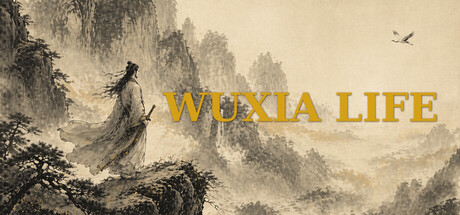
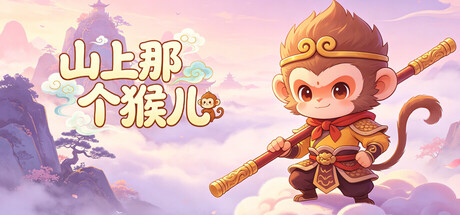
All in-game visual art assets in this title — including item icons, equipment artwork, character portraits, story illustrations, and UI decorative elements (frames, icons, and background textures) — are produced using OpenAI's ChatGPT image generation and xAI's Grok image generation API as core tools within our ink-wash and gongbi-style art pipeline. Every generated asset is reviewed, curated, manually retouched, and compositionally adjusted by the developer before being incorporated into the game. No real person's likeness has been used.
The game's source code is written by the developer, Kevin Chen, with OpenAI Codex and Anthropic Claude Code used as coding assistants during development. In-game narrative and dialogue text are written by the developer, with portions assisted by Anthropic Claude for polishing and proofreading.
As a solo developer, I used AI tools to help assist in the creation of some visual assets for this remake, which were then refined and adapted during development. Thank you for your understanding.
This game uses generative AI tools in part for creating UI character images and music.
These assets are further edited and refined by the developer before being implemented into the final game content.
No AI-generated content is created in real time during gameplay.
This game utilizes AI-assisted technologies in its development process. Generative AI was used to assist in writing code, refining localized text, and generating certain background ambient music and sound effects. Additionally, AI tools were used to help conceptualize and refine the unique "Shadow Puppetry" and "Ink-wash" artistic style assets to ensure a high-quality visual experience.
This game uses generative artificial intelligence to dynamically create towns, facilities, dungeons, NPCs, dialogue, event text, and some illustrations based on the player's actions and the current game state.
Rather than relying only on fixed scenarios, the game is designed so that each playthrough can produce different events, encounters, and story developments.
Some character images, backgrounds, and illustrations are also generated by AI.
Generated content is controlled according to the game's design rules and moderation systems.
This game uses generative AI tools to assist in the creation of certain assets, such as music and visual elements.
All content is reviewed, selected, and integrated by the developer to ensure consistency and quality.
No AI is used during gameplay, and the player experience is fully handcrafted.
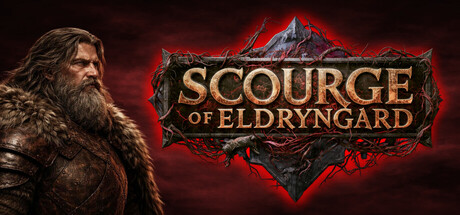
Scourge of Eldryngard was developed independently by a single person. I utilized generative AI tools under my creative direction for the creation of assets, music, voice acting, translation, and technical support, all via paid commercial licenses. All content underwent rigorous manual editing and review to ensure technical cohesion and originality. There is no real-time AI generation during gameplay.
Some promotional images and video materials for this game were created with the assistance of generative AI. All content has been reviewed and modified by human editors.
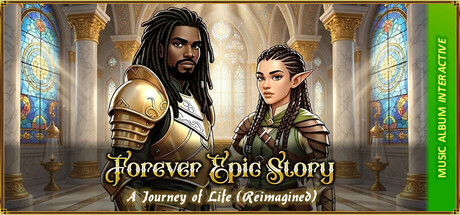
The album "Forever Epic Story: A Journey of Life (Reimagined)" is a remake of the original album that was released many years ago back in 2002. Now using the assistance of AI for both beats and vocals, the album is now "reimagined" in an interactive experience. *AI was used in the development of the cover art and video animations.
This game uses live-generated AI to create text-based dialogue and narrative responses during gameplay. Players can type messages to interact with AI-driven characters and story events, and the AI may generate contextual responses based on the player’s input and current game state. AI-generated content in this game is limited to in-game text and narrative interaction.
The only AI generated elements in the game are a few select static background images used to set the scene (such as the combat stages, the vendor backdrop, and the leaderboard podium). In strict contrast, the entirety of the Multiplayer Boss Arenas (including their backgrounds, set pieces, and props) were purely hand crafted by human artists. Additionally, all animated character models, monster sprites, factory sprites, and in game items throughout the whole game are traditional, human made pixel art.
This game uses generative AI to assist in creating some art, text, and sound assets during development. All AI outputs are heavily modified by humans and undergo copyright compliance checks to ensure originality and IP safety.
Store page graphical assets (capsule images, achievement icons, app icon) were created using AI-assisted tools. Game soundtrack is procedurally generated in real-time using the Web Audio API. All game code, gameplay systems, dialogue, and lore were written by the developer.
During development, AI-assisted tools were used as part of the creative workflow for concept exploration and reference generation. Extensive photobashing, manual editing, and traditional artistic techniques were used throughout development, and every final image, texture, and 3D model was individually refined, finished, or recreated by an artist. AI serves as a supporting tool in the production process rather than replacing artistic craftsmanship.
The game optionally connects to a local language model server (Ollama or any OpenAI-compatible endpoint) to generate live dialogue from rulers, travelers, and city locals. This requires installing Ollama separately and running a model locally. Instructions are in GUIDE.md. The game is fully playable without this feature.
Live in-game: NPC conversations are generated in real time by a large language model. Every dialogue you have with a villager is dynamically written rather than scripted, and NPCs remember what you've said to them across the playthrough. Conversations are filtered for safety, but as with any AI-generated text, responses may occasionally be unexpected.
Pre-rendered during development: Character and creature sprites, ambient music, and some background artwork were created with the assistance of generative AI tools and then hand-curated, edited, and integrated by the developer.
Some background art in Pantheon is AI-assisted. The characters, story, and all core creative elements are original.
Due to limited funds, AI backgrounds are used for now. With future income, they will be gradually replaced with hand-drawn art.
Thank you for your understanding and support.
Palimpsest features two visual styles: pixel art and realism point-and-click scenes. Some point-and-click assets are created using a combination of generative AI and Photoshop, contributing to the game’s intentionally unsettling visual tone.
"We utilize AI to assist in various design processes, including stylistic conceptualization, environment concept art, character definition, and color scheme planning."
This game uses generative AI during development for certain 2D icons, concept art, placeholder graphics, and text. All AI-generated content has been manually reviewed, edited, and adapted by the developer before being included in the final game.
Some content in this game, including text and certain assets, was created with the assistance of AI tools during development. All AI-generated content has been reviewed, edited, and integrated by the developer to ensure quality and consistency.
Game art assets are generated using AI tools to create initial concept art, which is then manually adjusted and modified by artists. The final works combine AI-generated foundational designs with human artistic revisions.
Some dynamic art assets are assisted in their creation by AI tools.
This game uses generative AI tools as part of the creative process, primarily during the creation of certain visual and musical elements.
All assets have been manually edited, adapted and integrated by the developer to ensure artistic consistency and quality within the game.
AI was used as a support tool across various aspects of development, particularly to assist with visuals and animations. The goal is not to replace human work, but to allow creative efforts to be focused where they matter most, ensuring the highest possible quality for the final game.
Music and character/dialogue voice lines in the game were created with the assistance of generative AI tools. These AI-generated assets are used for background music, atmosphere, character dialogue, and narrative audio.
This game uses generative AI tools in a limited capacity:
🎨 Marketing & Concept Materials: Some marketing materials, store page assets, and early concept visuals were created or refined using generative AI tools during development.
All AI-assisted content was reviewed, edited, and approved by the development team before publication.
All in-game visual art assets in this title — including item icons, equipment artwork, character portraits, story illustrations, and UI decorative elements (frames, icons, and background textures) — are produced using OpenAI's ChatGPT image generation and xAI's Grok image generation API as core tools within our ink-wash and gongbi-style art pipeline. Every generated asset is reviewed, curated, manually retouched, and compositionally adjusted by the developer before being incorporated into the game. No real person's likeness has been used.
The game's source code is written by the developer, Kevin Chen, with OpenAI Codex and Anthropic Claude Code used as coding assistants during development. In-game narrative and dialogue text are written by the developer, with portions assisted by Anthropic Claude for polishing and proofreading.
As a solo developer, I used AI tools to help assist in the creation of some visual assets for this remake, which were then refined and adapted during development. Thank you for your understanding.
This game uses generative AI tools in part for creating UI character images and music.
These assets are further edited and refined by the developer before being implemented into the final game content.
No AI-generated content is created in real time during gameplay.
This game utilizes AI-assisted technologies in its development process. Generative AI was used to assist in writing code, refining localized text, and generating certain background ambient music and sound effects. Additionally, AI tools were used to help conceptualize and refine the unique "Shadow Puppetry" and "Ink-wash" artistic style assets to ensure a high-quality visual experience.
This game uses generative artificial intelligence to dynamically create towns, facilities, dungeons, NPCs, dialogue, event text, and some illustrations based on the player's actions and the current game state.
Rather than relying only on fixed scenarios, the game is designed so that each playthrough can produce different events, encounters, and story developments.
Some character images, backgrounds, and illustrations are also generated by AI.
Generated content is controlled according to the game's design rules and moderation systems.
This game uses generative AI tools to assist in the creation of certain assets, such as music and visual elements.
All content is reviewed, selected, and integrated by the developer to ensure consistency and quality.
No AI is used during gameplay, and the player experience is fully handcrafted.
Scourge of Eldryngard was developed independently by a single person. I utilized generative AI tools under my creative direction for the creation of assets, music, voice acting, translation, and technical support, all via paid commercial licenses. All content underwent rigorous manual editing and review to ensure technical cohesion and originality. There is no real-time AI generation during gameplay.
Some promotional images and video materials for this game were created with the assistance of generative AI. All content has been reviewed and modified by human editors.
The album "Forever Epic Story: A Journey of Life (Reimagined)" is a remake of the original album that was released many years ago back in 2002. Now using the assistance of AI for both beats and vocals, the album is now "reimagined" in an interactive experience. *AI was used in the development of the cover art and video animations.
This game uses live-generated AI to create text-based dialogue and narrative responses during gameplay. Players can type messages to interact with AI-driven characters and story events, and the AI may generate contextual responses based on the player’s input and current game state. AI-generated content in this game is limited to in-game text and narrative interaction.
The only AI generated elements in the game are a few select static background images used to set the scene (such as the combat stages, the vendor backdrop, and the leaderboard podium). In strict contrast, the entirety of the Multiplayer Boss Arenas (including their backgrounds, set pieces, and props) were purely hand crafted by human artists. Additionally, all animated character models, monster sprites, factory sprites, and in game items throughout the whole game are traditional, human made pixel art.
This game uses generative AI to assist in creating some art, text, and sound assets during development. All AI outputs are heavily modified by humans and undergo copyright compliance checks to ensure originality and IP safety.
Store page graphical assets (capsule images, achievement icons, app icon) were created using AI-assisted tools. Game soundtrack is procedurally generated in real-time using the Web Audio API. All game code, gameplay systems, dialogue, and lore were written by the developer.
During development, AI-assisted tools were used as part of the creative workflow for concept exploration and reference generation. Extensive photobashing, manual editing, and traditional artistic techniques were used throughout development, and every final image, texture, and 3D model was individually refined, finished, or recreated by an artist. AI serves as a supporting tool in the production process rather than replacing artistic craftsmanship.
The game optionally connects to a local language model server (Ollama or any OpenAI-compatible endpoint) to generate live dialogue from rulers, travelers, and city locals. This requires installing Ollama separately and running a model locally. Instructions are in GUIDE.md. The game is fully playable without this feature.
Live in-game: NPC conversations are generated in real time by a large language model. Every dialogue you have with a villager is dynamically written rather than scripted, and NPCs remember what you've said to them across the playthrough. Conversations are filtered for safety, but as with any AI-generated text, responses may occasionally be unexpected.
Pre-rendered during development: Character and creature sprites, ambient music, and some background artwork were created with the assistance of generative AI tools and then hand-curated, edited, and integrated by the developer.
Some background art in Pantheon is AI-assisted. The characters, story, and all core creative elements are original.
Due to limited funds, AI backgrounds are used for now. With future income, they will be gradually replaced with hand-drawn art.
Thank you for your understanding and support.
Palimpsest features two visual styles: pixel art and realism point-and-click scenes. Some point-and-click assets are created using a combination of generative AI and Photoshop, contributing to the game’s intentionally unsettling visual tone.
"We utilize AI to assist in various design processes, including stylistic conceptualization, environment concept art, character definition, and color scheme planning."
This game uses generative AI during development for certain 2D icons, concept art, placeholder graphics, and text. All AI-generated content has been manually reviewed, edited, and adapted by the developer before being included in the final game.
Some content in this game, including text and certain assets, was created with the assistance of AI tools during development. All AI-generated content has been reviewed, edited, and integrated by the developer to ensure quality and consistency.
Game art assets are generated using AI tools to create initial concept art, which is then manually adjusted and modified by artists. The final works combine AI-generated foundational designs with human artistic revisions.
Some dynamic art assets are assisted in their creation by AI tools.