Public Steam disclosure research25,383 disclosures tracked
Where do games disclose AI use?
Search developers’ Steam disclosures, compare classified AI use across
games, and follow recorded changes.
This index adds cross-game classifications and statistics to
statements published on individual store pages.
Groups reflect automatic analysis of public disclosures; mature records are excluded. These counts do not measure AI use across all of Steam.
Missing or unclear statements cannot establish whether a game uses AI.
Some visual assets in this game — including character portraits, illustrations, and marketing images — were created with the assistance of generative AI tools. All AI-generated material was reviewed, edited, and finalized by the developer. No AI content is generated during gameplay.
Generative AI tools were used during development to assist with programming and to create some pre-generated visual assets, including icons, illustrations, and sprite artwork. All AI-assisted content was reviewed, edited, selected, and integrated by the developer. The game does not generate AI content during gameplay.
Some visual artwork and marketing assets were created or edited with generative AI under developer direction. All gameplay systems are authored, and no content is generated during gameplay.
Some of the artwork in Fallen Nights was made with generative AI. The character and object sprites began as AI-generated images and were then reduced to the game's fixed pixel palette and corrected by hand; the store and library capsule art is AI-generated painted artwork, with the game's own hand-drawn pixel wordmark composited on top.
All of it is made during development and baked into the build. The game generates nothing while you play and makes no AI calls at runtime. The levels are hand-drawn, the music is synthesized by hand-written code, and every word of text in the game is written by a person.
Generative AI was used to assist in creating pre-generated artwork, animation, audio, dialogue, and localization. All content was reviewed and edited by the developer. No AI is used at runtime.
As a solo developer, I utilize AI to amplify my outputs. Although I never rely on or depend on the AI to do the work, it is a tool much like this computer that I am typing on, the creativity is still up to us to use it correctly. No content is generated during play.
Generative AI tools were used during development as part of the production workflow for pre-generated visual, 3D, audio, written, and localization content included in the game. All final content was selected, reviewed, edited, adapted, and integrated as part of the game's development process. No generative AI systems run during gameplay and no content is generated dynamically for players.
Generative AI tools were used during development to assist with the creation of game content. All generated products are carefully reviewed, edited, and assembled by the development team.
Some illustrative artwork used in the game (atmospheric key art shown in the in-game gallery) was created with the assistance of AI image-generation tools. Portions of the game's narrative text, achievement descriptions, and localized translations were written with the assistance of an AI language tool during development, then reviewed and edited by the developer. All sound effects and music are procedurally synthesized using traditional digital signal processing (oscillators and filters), not AI-generated.
I cannot draw and I have no experience with graphics either, which is why I turned to AI for the images in the game: the creatures, items, zones and the class portraits. I picked, edited and placed every single one of them myself, and plenty were thrown out again before the rest fit together.
Generative AI was used during development to create or refine pre-generated visual assets, music and audio, and localization drafts included in the game and its marketing materials. All such content was reviewed and curated by the developer before release. The game does not generate AI content during play and does not send player data to external AI services.
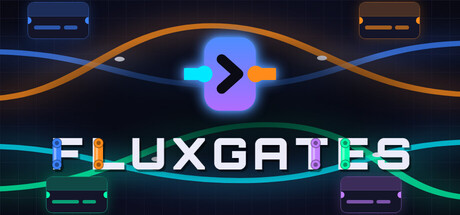
Parts of Fluxgates were built with AI assistance, and all of it is fixed content baked into the build - nothing is generated while you play.
Code: Some of the game's source was written with an AI coding assistant, reviewed, edited and tested by the developer before shipping.
Text: English and French interface strings and node descriptions were drafted with AI help and edited by hand.
No AI generated art or audio. Every visual is drawn by the interface itself, and every sound and music track is synthesised procedurally by a script in the project.
The game runs fully offline. No AI model runs at runtime, and no data leaves your machine.
AI generation was temporarily used for placeholder assets, sound effects, and code during early development. all of these will be replaced with custom work before the official launch. AI is not used at runtime.
Note: Developed entirely solo, this project utilizes modern auxiliary tools for code optimization and localization. If you encounter any bugs, please feel free to reach out to help improve the game experience!
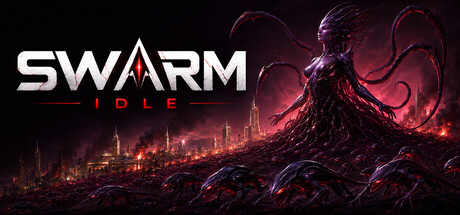
Swarm Idle uses generative AI as part of its development workflow to assist with localization and the creation of some visual assets. All AI-assisted content is reviewed and integrated by the developer. No generative AI is used during gameplay or at runtime.
Generative AI tools were used during development to create selected pre-generated content, including character and environment artwork, some user interface artwork, music, some voice-over audio, and localization. The visual assets were subsequently edited and customized by the developer. All AI-assisted content is selected, reviewed, and integrated by the developer before inclusion. The game does not generate content during gameplay or connect to external AI services.
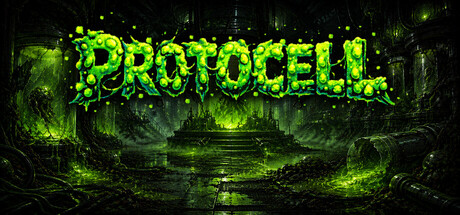
Protocell's soundtrack was generated with an AI music tool, and a few interface layouts were explored with the help of AI image tool. Everything else — the code, the design, the pixel art and the procedurally generated creatures — is hand-crafted or produced by the game's own engine. No generative AI runs in real time while you play.
We used AI-assisted tools during development to help create and iterate on internal game code, UI sprites, and some 3D model assets. All AI-assisted outputs were reviewed, edited, and approved by the development team before being included in the game. The game does not allow players to generate AI content during gameplay.
As a solo game designer, bringing a video game to life is something I always dreamed of. To help realize my creative vision, I used AI tools to assist with certain aspects of development such as game backgrounds and sound effects.
It is important to note that AI was used as a starting point, not a final solution. Every asset was reviewed by hand to ensure it fits the game's world and artistic direction. The core gameplay, design, and story remain 100% created by me.
Thank you for supporting indie development!
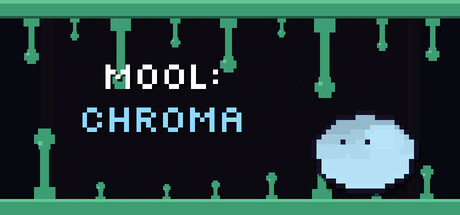
ART AND AUDIO: no generative image or audio models were used. Every texture, sprite, visual effect and musical note in Mool: Chroma is generated at runtime by the game's own code. The build ships no audio files at all, and the only image files it ships are the bitmap font atlases used to draw text. The store page artwork is rendered by that same code. The code itself was written with AI assistance and reviewed by the developer.
TEXT: AI tools were used to help write text. Some in-game narrative and flavor text was drafted with AI assistance, and the game's non-English translations (Korean, Japanese, Simplified Chinese, German, French, Spanish - Latin America, Portuguese - Brazil, Russian) were AI-generated. All of it was reviewed and edited by the developer before shipping.
Nothing is generated live during gameplay.
This game uses Eleven Labs to generate certain sound effects. All other content — including art, models, music, writing, and gameplay — is entirely hand‑made and does not use AI.
Generative AI has been used during the early stages of development to create temporary placeholder content, primarily to support production and prototyping. This content is intended to be temporary and is planned to be replaced with final assets specifically created for the game as development progresses.
During development, this game used generative AI to assist in creating certain visual assets and text content. All final content has been reviewed, edited, and approved by the developer; the game does not include any functionality that dynamically generates content with AI during gameplay.
We used AI to assist in creating portions of the game text, and leveraged AI tools to translate in-game content into English. All AI-generated content has been manually reviewed and vetted before being finalized for inclusion in the game.
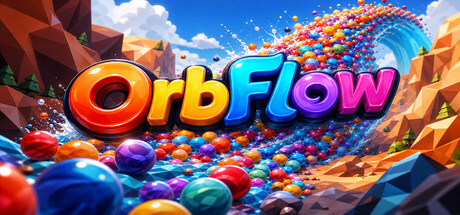
OrbFlow was created with the assistance of AI coding agents for script generation, physics optimization, and text drafting. All game design, level layouts, visual aesthetics, and quality assurance were directed, tested, and refined by the human developer.
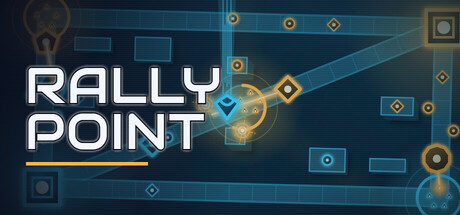
Rally Point's visuals and store art are drawn by code from the game's own geometry. No image, audio, or voice generation model was used. That code was written with AI assistance, as were the non-English translations.
- Audio: background music is generated with AI music tools.
- Translation: in-game and store text is translated using AI.
- Code: the game's code, including the code that draws every visual at runtime,
was written with the help of an AI coding assistant.
As a solo developer I find use of AI to be one of my most prominent and efficient tools ever used.
I'm heavily relying on Gemini, Claude and QWEN to create my code snippets and review them. I also manually review their work from time to time.
Visual assets creation also rely on AI(NanoBanana2). Some of the assets are my sketches that has been polished to perfection by AI. Some are AI generated and hand-edited after and some, I'll be totally honest here, are fully AI generated, via meticulous prompt engineering and trial and errors.
I'm heavily opposed to using AI to create slop or mass produce clones of existing content. But I'm a firm believer that, when curated by talented individual with solid vision, it can achieve great results.
Generative AI tools were used to assist in creating some game assets, including visual and audio content. All AI-assisted content was reviewed and refined by the development team before being included in the game.
Some pre-rendered artwork — event illustrations, key art, and store capsule images — was created with the assistance of generative AI tools, then selected, edited, and composited by the developer. Localization drafts were produced with AI translation tools and reviewed by the developer. All in-game unit, UI, and map art uses licensed, human-made asset packs. No content is generated by AI at runtime.
Generative AI was used during development to assist in the creation of the game’s logo as a pre-rendered marketing asset.
No generative AI is used during gameplay, and no AI-generated content is created or shown to players while playing the game.
Some visual assets in the game were originally created and edited manually using image editing software, and were later refined with generative AI tools. AI was used only as part of the visual refinement process. Final assets were reviewed and edited by the developer before being included in the game.
Some visual assets in this game — including character portraits, illustrations, and marketing images — were created with the assistance of generative AI tools. All AI-generated material was reviewed, edited, and finalized by the developer. No AI content is generated during gameplay.
Generative AI tools were used during development to assist with programming and to create some pre-generated visual assets, including icons, illustrations, and sprite artwork. All AI-assisted content was reviewed, edited, selected, and integrated by the developer. The game does not generate AI content during gameplay.
Some visual artwork and marketing assets were created or edited with generative AI under developer direction. All gameplay systems are authored, and no content is generated during gameplay.
Some of the artwork in Fallen Nights was made with generative AI. The character and object sprites began as AI-generated images and were then reduced to the game's fixed pixel palette and corrected by hand; the store and library capsule art is AI-generated painted artwork, with the game's own hand-drawn pixel wordmark composited on top.
All of it is made during development and baked into the build. The game generates nothing while you play and makes no AI calls at runtime. The levels are hand-drawn, the music is synthesized by hand-written code, and every word of text in the game is written by a person.
Generative AI was used to assist in creating pre-generated artwork, animation, audio, dialogue, and localization. All content was reviewed and edited by the developer. No AI is used at runtime.
As a solo developer, I utilize AI to amplify my outputs. Although I never rely on or depend on the AI to do the work, it is a tool much like this computer that I am typing on, the creativity is still up to us to use it correctly. No content is generated during play.
Generative AI tools were used during development as part of the production workflow for pre-generated visual, 3D, audio, written, and localization content included in the game. All final content was selected, reviewed, edited, adapted, and integrated as part of the game's development process. No generative AI systems run during gameplay and no content is generated dynamically for players.
Generative AI tools were used during development to assist with the creation of game content. All generated products are carefully reviewed, edited, and assembled by the development team.
Some illustrative artwork used in the game (atmospheric key art shown in the in-game gallery) was created with the assistance of AI image-generation tools. Portions of the game's narrative text, achievement descriptions, and localized translations were written with the assistance of an AI language tool during development, then reviewed and edited by the developer. All sound effects and music are procedurally synthesized using traditional digital signal processing (oscillators and filters), not AI-generated.
I cannot draw and I have no experience with graphics either, which is why I turned to AI for the images in the game: the creatures, items, zones and the class portraits. I picked, edited and placed every single one of them myself, and plenty were thrown out again before the rest fit together.
Generative AI was used during development to create or refine pre-generated visual assets, music and audio, and localization drafts included in the game and its marketing materials. All such content was reviewed and curated by the developer before release. The game does not generate AI content during play and does not send player data to external AI services.
Parts of Fluxgates were built with AI assistance, and all of it is fixed content baked into the build - nothing is generated while you play.
Code: Some of the game's source was written with an AI coding assistant, reviewed, edited and tested by the developer before shipping.
Text: English and French interface strings and node descriptions were drafted with AI help and edited by hand.
No AI generated art or audio. Every visual is drawn by the interface itself, and every sound and music track is synthesised procedurally by a script in the project.
The game runs fully offline. No AI model runs at runtime, and no data leaves your machine.
AI generation was temporarily used for placeholder assets, sound effects, and code during early development. all of these will be replaced with custom work before the official launch. AI is not used at runtime.
Note: Developed entirely solo, this project utilizes modern auxiliary tools for code optimization and localization. If you encounter any bugs, please feel free to reach out to help improve the game experience!
Swarm Idle uses generative AI as part of its development workflow to assist with localization and the creation of some visual assets. All AI-assisted content is reviewed and integrated by the developer. No generative AI is used during gameplay or at runtime.
Generative AI tools were used during development to create selected pre-generated content, including character and environment artwork, some user interface artwork, music, some voice-over audio, and localization. The visual assets were subsequently edited and customized by the developer. All AI-assisted content is selected, reviewed, and integrated by the developer before inclusion. The game does not generate content during gameplay or connect to external AI services.
Protocell's soundtrack was generated with an AI music tool, and a few interface layouts were explored with the help of AI image tool. Everything else — the code, the design, the pixel art and the procedurally generated creatures — is hand-crafted or produced by the game's own engine. No generative AI runs in real time while you play.
We used AI-assisted tools during development to help create and iterate on internal game code, UI sprites, and some 3D model assets. All AI-assisted outputs were reviewed, edited, and approved by the development team before being included in the game. The game does not allow players to generate AI content during gameplay.
As a solo game designer, bringing a video game to life is something I always dreamed of. To help realize my creative vision, I used AI tools to assist with certain aspects of development such as game backgrounds and sound effects.
It is important to note that AI was used as a starting point, not a final solution. Every asset was reviewed by hand to ensure it fits the game's world and artistic direction. The core gameplay, design, and story remain 100% created by me.
Thank you for supporting indie development!
ART AND AUDIO: no generative image or audio models were used. Every texture, sprite, visual effect and musical note in Mool: Chroma is generated at runtime by the game's own code. The build ships no audio files at all, and the only image files it ships are the bitmap font atlases used to draw text. The store page artwork is rendered by that same code. The code itself was written with AI assistance and reviewed by the developer.
TEXT: AI tools were used to help write text. Some in-game narrative and flavor text was drafted with AI assistance, and the game's non-English translations (Korean, Japanese, Simplified Chinese, German, French, Spanish - Latin America, Portuguese - Brazil, Russian) were AI-generated. All of it was reviewed and edited by the developer before shipping.
Nothing is generated live during gameplay.
This game uses Eleven Labs to generate certain sound effects. All other content — including art, models, music, writing, and gameplay — is entirely hand‑made and does not use AI.
Generative AI has been used during the early stages of development to create temporary placeholder content, primarily to support production and prototyping. This content is intended to be temporary and is planned to be replaced with final assets specifically created for the game as development progresses.
During development, this game used generative AI to assist in creating certain visual assets and text content. All final content has been reviewed, edited, and approved by the developer; the game does not include any functionality that dynamically generates content with AI during gameplay.
We used AI to assist in creating portions of the game text, and leveraged AI tools to translate in-game content into English. All AI-generated content has been manually reviewed and vetted before being finalized for inclusion in the game.
OrbFlow was created with the assistance of AI coding agents for script generation, physics optimization, and text drafting. All game design, level layouts, visual aesthetics, and quality assurance were directed, tested, and refined by the human developer.
Rally Point's visuals and store art are drawn by code from the game's own geometry. No image, audio, or voice generation model was used. That code was written with AI assistance, as were the non-English translations.
- Audio: background music is generated with AI music tools.
- Translation: in-game and store text is translated using AI.
- Code: the game's code, including the code that draws every visual at runtime,
was written with the help of an AI coding assistant.
As a solo developer I find use of AI to be one of my most prominent and efficient tools ever used.
I'm heavily relying on Gemini, Claude and QWEN to create my code snippets and review them. I also manually review their work from time to time.
Visual assets creation also rely on AI(NanoBanana2). Some of the assets are my sketches that has been polished to perfection by AI. Some are AI generated and hand-edited after and some, I'll be totally honest here, are fully AI generated, via meticulous prompt engineering and trial and errors.
I'm heavily opposed to using AI to create slop or mass produce clones of existing content. But I'm a firm believer that, when curated by talented individual with solid vision, it can achieve great results.
Generative AI tools were used to assist in creating some game assets, including visual and audio content. All AI-assisted content was reviewed and refined by the development team before being included in the game.
Some pre-rendered artwork — event illustrations, key art, and store capsule images — was created with the assistance of generative AI tools, then selected, edited, and composited by the developer. Localization drafts were produced with AI translation tools and reviewed by the developer. All in-game unit, UI, and map art uses licensed, human-made asset packs. No content is generated by AI at runtime.
Generative AI was used during development to assist in the creation of the game’s logo as a pre-rendered marketing asset.
No generative AI is used during gameplay, and no AI-generated content is created or shown to players while playing the game.
Some visual assets in the game were originally created and edited manually using image editing software, and were later refined with generative AI tools. AI was used only as part of the visual refinement process. Final assets were reviewed and edited by the developer before being included in the game.