Public Steam disclosure research25,380 disclosures tracked
Where do games disclose AI use?
Search developers’ Steam disclosures, compare classified AI use across
games, and follow recorded changes.
This index adds cross-game classifications and statistics to
statements published on individual store pages.
Groups reflect automatic analysis of public disclosures; mature records are excluded. These counts do not measure AI use across all of Steam.
Missing or unclear statements cannot establish whether a game uses AI.
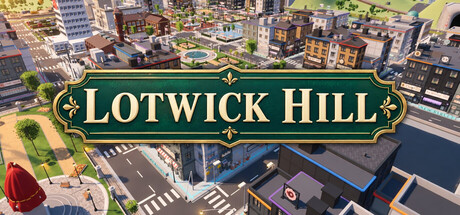
Some 3D character and prop models were generated with 3D AI Studio during development. Some player-facing text was drafted with AI assistance. All content is prepared in advance; no generative AI runs during gameplay.
Generative AI tools were used during development to assist with selected text content and localization. All AI-assisted content was reviewed and edited by the developer before inclusion. The game does not generate AI content during gameplay.
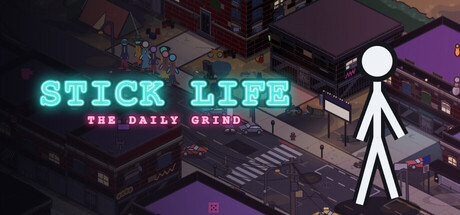
Stick Life is designed and directed by a solo developer. Some of the game's code, its in-game writing, the artwork the game draws, the achievement icons and parts of this store page were made with the help of generative AI tools, then played, reviewed and edited by the developer. Nothing is generated by AI while you play.
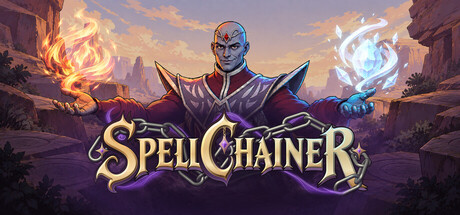
Spellchainer is made by a solo developer. I used generative AI sporadically to help fill gaps in artwork and textures, including selected in-game and marketing visuals. These assets were reviewed and edited before inclusion. No content is generated by AI during gameplay.
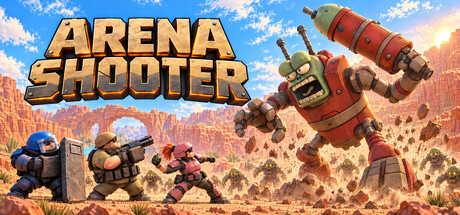
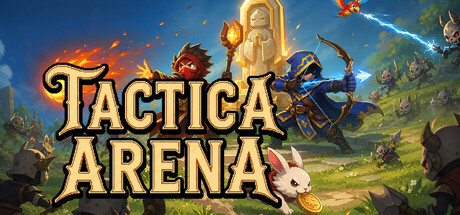
Generative AI tools were used to help create some of our promotional artwork, such as the store capsule and key art. AI is used to develop intelligence of the enemy bot players in the arena. It was reviewed and selected by our team. No AI content is generated during gameplay.
SMASH & GRAB uses generative AI for pre-generated content that is reviewed and edited by the team before it ships. Card portraits and their collectible variants, the rival figures and props, the key art, and the store capsules were produced with image and 3D generation tools (Meshy, OpenArt) from our own prompts and references. Voice lines use synthetic voices from ElevenLabs; no real person's voice was cloned. The music beds were generated with ElevenLabs, and the store trailer was assembled from AI-generated clips (Kling via OpenArt). Card names, bios, and other in-game text were drafted with a large language model and edited by the team. Nothing is generated while you play: the game does not create content live.
The game includes a limited number of developer-reviewed AI-assisted 2D atmospheric illustrations used as static, non-interactive UI/background art. They are not gameplay screenshots, playable characters, dialogue, code, or user-generated content. Interactive levels, gameplay systems, text, and the in-game 3D presentation are authored or assembled by the developer using project-owned and separately tracked third-party assets.
Some artwork, cinematic sequences, and music were created with the assistance of generative AI tools and then selected, edited, and integrated by the developer. No AI-generated content is created during gameplay, and the game does not connect to external AI services.
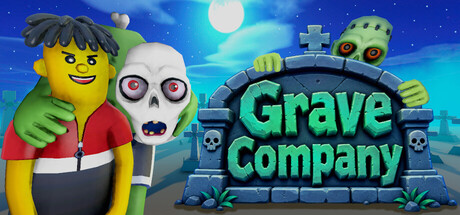
Some artwork and localization in Grave Company were created with the assistance of generative AI. This content was reviewed and adjusted by the development team before release.
Generative AI tools helped create character portraits, illustrations, store and marketing artwork, music, sound effects, and player-facing text during development. These are pre-generated assets. No generative AI runs during gameplay, and the game does not connect to external generative AI services.
Generative AI tools were used during development to assist with coding, music, dialogue writing, and texture assets. All content has been reviewed and approved by the developer.
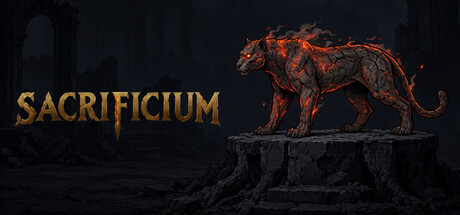
Some of the visual assets in Sacrificium — creature sprites, animations and background art — were created with the help of generative AI tools, then reviewed, edited and integrated by hand. All generative AI content is pre-generated; nothing is generated at runtime while you play. Game design, code, systems and all in-game text were written entirely by a human.
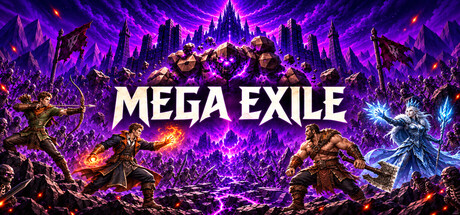
Generative AI tools were used during development to help create some 3D character assets and store page text. This content is prepared in advance. Mega Exile does not generate AI content during gameplay or connect to external AI services while you play.
Generative AI tools assisted with drafting and translating text for the store page and trailer captions. The game does not generate AI content during play.
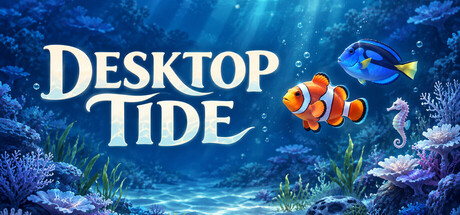
Generative AI was used to assist in creating artwork for marine creatures, plants, decorations, underwater environments, and Steam store and marketing images, as well as portions of descriptive text. This content is pre-generated and included as fixed assets or text. The game does not generate content during play and does not connect to external AI services.
Generative AI was used in two areas for this project: First, 2D character artwork hand-drawn by a human artist was converted into 3D models using AI-powered tools. Second, AI was used for the localization and translation of the game's text into multiple languages. All other game assets, including sound design, music, and the core story, were created entirely without the use of AI.
This game uses Generative Artificial Intelligence (AI) to create Localization based text and In-game Sound Effects (sfx).
Disclosure is part of Magnus et Epicus LLC commitment on AI free use for all.
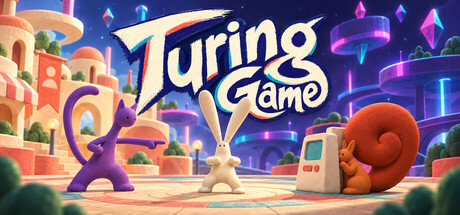
During matches, AI characters generate text through our official service, which connects to a third-party AI provider. Players do not need to enter an API key or manage a third-party account. The game includes a limited number of Turing Tickets; creating a match normally uses one. Additional Tickets are planned for purchase through Steam in-game purchases, and some may be earned through gameplay. Generative AI was also used to create promotional illustrations and store artwork. These staged images are not gameplay screenshots.
Card illustrations, some environment backgrounds and promotional assets in this game were created with AI-assisted generation tools, then hand-picked, edited and post-processed by the team. No AI-generated content is produced at runtime; the game does not connect to any external AI service during gameplay.
Generative AI tools were used during development to assist in creating some pre-generated 2D game artwork, promotional artwork, and Steam store and community assets. All AI-assisted outputs were reviewed and edited by the developer. The game does not generate content using AI while it is running.
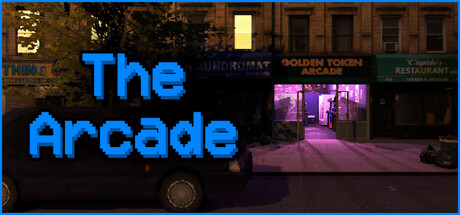
Generative AI used for UV editing, and slight modifications to existing works. (80's arcade video game posters modified to avoid using trademarked content)
All game content was created using generative AI, including visuals, 3D models, textures, music, sound effects, and text. Generative AI was also used to create the store descriptions and marketing materials.
The game does not generate AI content during play or connect to external AI services.
Part of the game's visual content (location backgrounds and some animated CG scenes) was created using generative neural networks based on references and artistic descriptions developed by the author.
Some of Voxitect's promotional artwork was created with the assistance of generative AI image tools. The game itself contains no generative AI: it generates nothing at runtime, sends nothing to any AI service, and requires no AI account or API key.
Generative AI was used during development to assist with programming and the creation of some visual assets. AI-generated and AI-assisted content may be included in the final game.
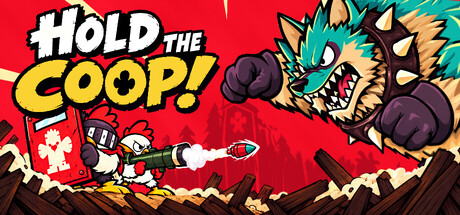
We used AI tools to speed up parts of our creative workflow, including artwork, music, text, and translations. Our creative vision guided the process, and we selected and refined the visuals to match Hold the Coop!’s cartoon style.
AI tools assisted in the creation of some 3D models, images, and localized text. These assets are reviewed and refined by the developer to align with the game's visual style and quality standards, with final creative decisions remaining in human hands.
Pre-generated content only. Some 2D art assets in the game (planet, star and interface sprites) and the store page capsule artwork were produced using generative AI image tools, then edited, composited, colour-corrected and integrated by hand. No generative AI runs at runtime and no content is generated live during gameplay. All audio is either licensed under Creative Commons with attribution given in-game, or original.
Generative AI was used to create the game's artwork, music, voices and sound effects, including store and promotional artwork. The game does not generate AI content during gameplay.
"The game uses artificial intelligence generation tools to create pre-rendered 2D content, specifically the game's logo and graphic elements for the store page."
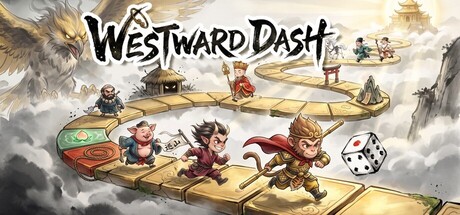
All 2D artwork (characters, board, keeper portraits, medals, and store assets) was created with generative AI tools under the developer's direction and curation. The pipa melody was performed and recorded live by a human musician (the developer's wife); the surrounding arrangement was AI-assisted. Game design, writing, and code are human-authored with AI assistance. Localization into 17 languages was AI-assisted with human review. The game contains no live/runtime AI generation.
Some 3D character and prop models were generated with 3D AI Studio during development. Some player-facing text was drafted with AI assistance. All content is prepared in advance; no generative AI runs during gameplay.
Generative AI tools were used during development to assist with selected text content and localization. All AI-assisted content was reviewed and edited by the developer before inclusion. The game does not generate AI content during gameplay.
Stick Life is designed and directed by a solo developer. Some of the game's code, its in-game writing, the artwork the game draws, the achievement icons and parts of this store page were made with the help of generative AI tools, then played, reviewed and edited by the developer. Nothing is generated by AI while you play.
Spellchainer is made by a solo developer. I used generative AI sporadically to help fill gaps in artwork and textures, including selected in-game and marketing visuals. These assets were reviewed and edited before inclusion. No content is generated by AI during gameplay.
Generative AI tools were used to help create some of our promotional artwork, such as the store capsule and key art. AI is used to develop intelligence of the enemy bot players in the arena. It was reviewed and selected by our team. No AI content is generated during gameplay.
SMASH & GRAB uses generative AI for pre-generated content that is reviewed and edited by the team before it ships. Card portraits and their collectible variants, the rival figures and props, the key art, and the store capsules were produced with image and 3D generation tools (Meshy, OpenArt) from our own prompts and references. Voice lines use synthetic voices from ElevenLabs; no real person's voice was cloned. The music beds were generated with ElevenLabs, and the store trailer was assembled from AI-generated clips (Kling via OpenArt). Card names, bios, and other in-game text were drafted with a large language model and edited by the team. Nothing is generated while you play: the game does not create content live.
The game includes a limited number of developer-reviewed AI-assisted 2D atmospheric illustrations used as static, non-interactive UI/background art. They are not gameplay screenshots, playable characters, dialogue, code, or user-generated content. Interactive levels, gameplay systems, text, and the in-game 3D presentation are authored or assembled by the developer using project-owned and separately tracked third-party assets.
Some artwork, cinematic sequences, and music were created with the assistance of generative AI tools and then selected, edited, and integrated by the developer. No AI-generated content is created during gameplay, and the game does not connect to external AI services.
Some artwork and localization in Grave Company were created with the assistance of generative AI. This content was reviewed and adjusted by the development team before release.
Generative AI tools helped create character portraits, illustrations, store and marketing artwork, music, sound effects, and player-facing text during development. These are pre-generated assets. No generative AI runs during gameplay, and the game does not connect to external generative AI services.
Generative AI tools were used during development to assist with coding, music, dialogue writing, and texture assets. All content has been reviewed and approved by the developer.
Some of the visual assets in Sacrificium — creature sprites, animations and background art — were created with the help of generative AI tools, then reviewed, edited and integrated by hand. All generative AI content is pre-generated; nothing is generated at runtime while you play. Game design, code, systems and all in-game text were written entirely by a human.
Generative AI tools were used during development to help create some 3D character assets and store page text. This content is prepared in advance. Mega Exile does not generate AI content during gameplay or connect to external AI services while you play.
Generative AI tools assisted with drafting and translating text for the store page and trailer captions. The game does not generate AI content during play.
Generative AI was used to assist in creating artwork for marine creatures, plants, decorations, underwater environments, and Steam store and marketing images, as well as portions of descriptive text. This content is pre-generated and included as fixed assets or text. The game does not generate content during play and does not connect to external AI services.
Generative AI was used in two areas for this project: First, 2D character artwork hand-drawn by a human artist was converted into 3D models using AI-powered tools. Second, AI was used for the localization and translation of the game's text into multiple languages. All other game assets, including sound design, music, and the core story, were created entirely without the use of AI.
This game uses Generative Artificial Intelligence (AI) to create Localization based text and In-game Sound Effects (sfx).
Disclosure is part of Magnus et Epicus LLC commitment on AI free use for all.
During matches, AI characters generate text through our official service, which connects to a third-party AI provider. Players do not need to enter an API key or manage a third-party account. The game includes a limited number of Turing Tickets; creating a match normally uses one. Additional Tickets are planned for purchase through Steam in-game purchases, and some may be earned through gameplay. Generative AI was also used to create promotional illustrations and store artwork. These staged images are not gameplay screenshots.
Card illustrations, some environment backgrounds and promotional assets in this game were created with AI-assisted generation tools, then hand-picked, edited and post-processed by the team. No AI-generated content is produced at runtime; the game does not connect to any external AI service during gameplay.
Generative AI tools were used during development to assist in creating some pre-generated 2D game artwork, promotional artwork, and Steam store and community assets. All AI-assisted outputs were reviewed and edited by the developer. The game does not generate content using AI while it is running.
Generative AI used for UV editing, and slight modifications to existing works. (80's arcade video game posters modified to avoid using trademarked content)
All game content was created using generative AI, including visuals, 3D models, textures, music, sound effects, and text. Generative AI was also used to create the store descriptions and marketing materials.
The game does not generate AI content during play or connect to external AI services.
Part of the game's visual content (location backgrounds and some animated CG scenes) was created using generative neural networks based on references and artistic descriptions developed by the author.
Some of Voxitect's promotional artwork was created with the assistance of generative AI image tools. The game itself contains no generative AI: it generates nothing at runtime, sends nothing to any AI service, and requires no AI account or API key.
Generative AI was used during development to assist with programming and the creation of some visual assets. AI-generated and AI-assisted content may be included in the final game.
We used AI tools to speed up parts of our creative workflow, including artwork, music, text, and translations. Our creative vision guided the process, and we selected and refined the visuals to match Hold the Coop!’s cartoon style.
AI tools assisted in the creation of some 3D models, images, and localized text. These assets are reviewed and refined by the developer to align with the game's visual style and quality standards, with final creative decisions remaining in human hands.
Pre-generated content only. Some 2D art assets in the game (planet, star and interface sprites) and the store page capsule artwork were produced using generative AI image tools, then edited, composited, colour-corrected and integrated by hand. No generative AI runs at runtime and no content is generated live during gameplay. All audio is either licensed under Creative Commons with attribution given in-game, or original.
Generative AI was used to create the game's artwork, music, voices and sound effects, including store and promotional artwork. The game does not generate AI content during gameplay.
"The game uses artificial intelligence generation tools to create pre-rendered 2D content, specifically the game's logo and graphic elements for the store page."
All 2D artwork (characters, board, keeper portraits, medals, and store assets) was created with generative AI tools under the developer's direction and curation. The pipa melody was performed and recorded live by a human musician (the developer's wife); the surrounding arrangement was AI-assisted. Game design, writing, and code are human-authored with AI assistance. Localization into 17 languages was AI-assisted with human review. The game contains no live/runtime AI generation.