Public Steam disclosure research25,380 disclosures tracked
Where do games disclose AI use?
Search developers’ Steam disclosures, compare classified AI use across
games, and follow recorded changes.
This index adds cross-game classifications and statistics to
statements published on individual store pages.
Groups reflect automatic analysis of public disclosures; mature records are excluded. These counts do not measure AI use across all of Steam.
Missing or unclear statements cannot establish whether a game uses AI.
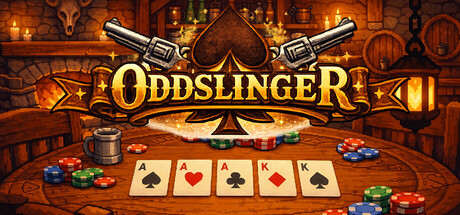
Some 2D visuals in Oddslinger were created with the help of generative AI tools (primarily background art and a small number of UI icons, such as card suit symbols) and then curated/edited by the developer
AI was used during development to help create some visual assets, including certain textures, logo elements, and background images. These assets were reviewed, edited, and integrated by the developer before being used in the game. The game does not use live AI generation during gameplay.
AI tools are applied to the size adaptation and filling of image assets on some store pages and game backgrounds, providing ideas and assistance for the migration and writing of game code.
The marketing materials (Steam Library assets, headers, and capsules) for this game were created using Generative AI tools during the development process. All AI-generated content has been reviewed to ensure it aligns with the game's themes and safety guidelines
Artificial Intelligence was used exclusively for text localization and language translations. The pixel art and animations were handcrafted by the professional artists credited within the game. Sound effects and music are licensed assets curated for this project. No generative AI was used for any artistic, visual, or audio production.
Artificial intelligence was used in the creation of in-game artworks. These assets were curated, reviewed, and integrated to ensure consistency with the game’s artistic direction and quality standards.
Generative AI was used to create temporary placeholder visuals during development. All such content is reviewed, edited, and progressively replaced with human-created artwork.
During the development process, we may use procedural- and AI-based tools to assist with content creation. In all such cases, the final product reflects the creativity and expression of our own development team.
This game uses generative AI as a support tool during development, including for certain technical tasks, assistance with translating some content, and a limited portion of certain visuals such as some backgrounds. However, most assets used in the game come from asset packs purchased from third-party creators. All content included in the game is manually reviewed, adjusted when necessary, and approved by the studio. Generative AI is not used in real time during gameplay.
The visual assets for the cards used in the game were created using generative AI tools during the development process. All generated content has been manually reviewed, edited, and approved by the developer to ensure it aligns with the game's artistic vision and standards. The game code was developed with the assistance of AI coding tools but contains no real-time AI generation mechanics for the player.
We've harnessed the power of Generative AI technology to create several of our game's unique theme background artworks, enhancing your gaming experience with visually stunning designs.
This game uses AI for chat, image generation/editing, and experimental video generation, and supports multi‑agent collaboration. AI features
require an internet connection and third‑party model services; user inputs may be sent to those services to produce outputs. AI‑generated
content is provided as assistance and should be reviewed by players before use or publication.
AI was used as a supporting tool for specific visual and audio elements and is not used in gameplay, story, mechanics, or coding. All final decisions remain with the developer.
Some background images, dice skin textures, and the developer logo were created with AI image generation tools. These AI-generated assets were then manually edited and refined. No AI is used during gameplay.
AI was used as a tool to support the creative and technical process, not as a replacement for design, implementation, or artistic decision-making.
AI was used to assist with programming tasks, such as problem-solving, code structuring, and iteration during development. All final code was reviewed, adapted, and integrated manually by the developer.
AI was also used to generate early visual concepts and rough art sketches. These assets were not used directly in the final game; instead, they served as references and inspiration. All final visuals were manually reviewed, refined, and adjusted to fit the game’s art direction and technical constraints.
Some AI tools were used by the developer for UI design and coding assistance only.
No generative AI was used to create in-game content, visuals, audio, or gameplay mechanics.
All game assets and logic are created or selected by the developer.
We use AI in all our products, where possible, including but not limited to helping in creation of code, graphical assets and text. AI is used as a workflow tool, much like digital art software or modern coding tools. Use of AI allows us to have more and better features which would otherwise be impossible or time and cost prohibitive for a small independent game studio.
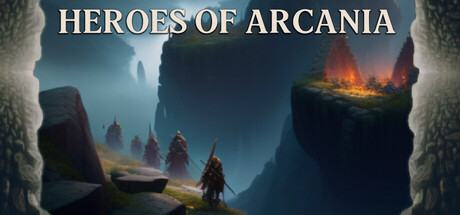
The art in this demo was either directly created using the visual assets of the Second Edition of the tabletop game "Heroes of Arcania" or inspired by/edited to be a close approximation of the visual assets of said tabletop game.
The art from the tabletop game is NOT AI generated art but AI assisted.
All of the art started as a drawing or photograph created by the original artist which was then used as a base image that was processed by AI to sharpen the image.
This process ensures that NO ONE'S art is stolen.
On top of this, every one of the over 750 unique images used for the tabletop game is put through google image search. If any come back with a result other than "No image found", it is replaced to ensure due diligence is done to protect others.
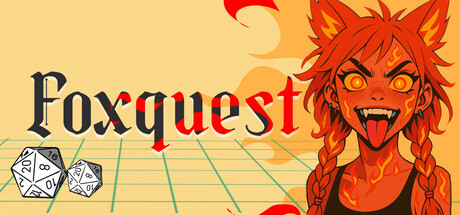
This game was built by 2 developers, One Human and one AI. Through 9 months of coding FoxQuest is a Replit Race 2 Revenue Finalist and secured $10,000 in AI generative code auditing to help speed up the release of the game.
It is worth noting that this is not a Video Game and there are no Story elements for AI to take part in. The use of AI was made to help a Solo Indie Developer work through bugs.
Following is generated using AI:
AI is used only to generate some pre-created assets. No AI-generated content is produced during gameplay.
Store Page
*The game icon was created with the help of AI tools.
*The store page description was rewritten using AI assistance.
In-Game Content
*The tutorial voice-overs are generated using the text-to-speech service TTSFree.
*The tutorial narration text was originally written in German and translated into English with DeepL, with developer review and adjustments.
Some 2D visuals in Oddslinger were created with the help of generative AI tools (primarily background art and a small number of UI icons, such as card suit symbols) and then curated/edited by the developer
AI was used during development to help create some visual assets, including certain textures, logo elements, and background images. These assets were reviewed, edited, and integrated by the developer before being used in the game. The game does not use live AI generation during gameplay.
AI tools are applied to the size adaptation and filling of image assets on some store pages and game backgrounds, providing ideas and assistance for the migration and writing of game code.
The marketing materials (Steam Library assets, headers, and capsules) for this game were created using Generative AI tools during the development process. All AI-generated content has been reviewed to ensure it aligns with the game's themes and safety guidelines
Artificial Intelligence was used exclusively for text localization and language translations. The pixel art and animations were handcrafted by the professional artists credited within the game. Sound effects and music are licensed assets curated for this project. No generative AI was used for any artistic, visual, or audio production.
Artificial intelligence was used in the creation of in-game artworks. These assets were curated, reviewed, and integrated to ensure consistency with the game’s artistic direction and quality standards.
Generative AI was used to create temporary placeholder visuals during development. All such content is reviewed, edited, and progressively replaced with human-created artwork.
During the development process, we may use procedural- and AI-based tools to assist with content creation. In all such cases, the final product reflects the creativity and expression of our own development team.
This game uses generative AI as a support tool during development, including for certain technical tasks, assistance with translating some content, and a limited portion of certain visuals such as some backgrounds. However, most assets used in the game come from asset packs purchased from third-party creators. All content included in the game is manually reviewed, adjusted when necessary, and approved by the studio. Generative AI is not used in real time during gameplay.
The visual assets for the cards used in the game were created using generative AI tools during the development process. All generated content has been manually reviewed, edited, and approved by the developer to ensure it aligns with the game's artistic vision and standards. The game code was developed with the assistance of AI coding tools but contains no real-time AI generation mechanics for the player.
We've harnessed the power of Generative AI technology to create several of our game's unique theme background artworks, enhancing your gaming experience with visually stunning designs.
This game uses AI for chat, image generation/editing, and experimental video generation, and supports multi‑agent collaboration. AI features
require an internet connection and third‑party model services; user inputs may be sent to those services to produce outputs. AI‑generated
content is provided as assistance and should be reviewed by players before use or publication.
AI was used as a supporting tool for specific visual and audio elements and is not used in gameplay, story, mechanics, or coding. All final decisions remain with the developer.
Some background images, dice skin textures, and the developer logo were created with AI image generation tools. These AI-generated assets were then manually edited and refined. No AI is used during gameplay.
AI was used as a tool to support the creative and technical process, not as a replacement for design, implementation, or artistic decision-making.
AI was used to assist with programming tasks, such as problem-solving, code structuring, and iteration during development. All final code was reviewed, adapted, and integrated manually by the developer.
AI was also used to generate early visual concepts and rough art sketches. These assets were not used directly in the final game; instead, they served as references and inspiration. All final visuals were manually reviewed, refined, and adjusted to fit the game’s art direction and technical constraints.
Some AI tools were used by the developer for UI design and coding assistance only.
No generative AI was used to create in-game content, visuals, audio, or gameplay mechanics.
All game assets and logic are created or selected by the developer.
We use AI in all our products, where possible, including but not limited to helping in creation of code, graphical assets and text. AI is used as a workflow tool, much like digital art software or modern coding tools. Use of AI allows us to have more and better features which would otherwise be impossible or time and cost prohibitive for a small independent game studio.
The art in this demo was either directly created using the visual assets of the Second Edition of the tabletop game "Heroes of Arcania" or inspired by/edited to be a close approximation of the visual assets of said tabletop game.
The art from the tabletop game is NOT AI generated art but AI assisted.
All of the art started as a drawing or photograph created by the original artist which was then used as a base image that was processed by AI to sharpen the image.
This process ensures that NO ONE'S art is stolen.
On top of this, every one of the over 750 unique images used for the tabletop game is put through google image search. If any come back with a result other than "No image found", it is replaced to ensure due diligence is done to protect others.
This game was built by 2 developers, One Human and one AI. Through 9 months of coding FoxQuest is a Replit Race 2 Revenue Finalist and secured $10,000 in AI generative code auditing to help speed up the release of the game.
It is worth noting that this is not a Video Game and there are no Story elements for AI to take part in. The use of AI was made to help a Solo Indie Developer work through bugs.
Following is generated using AI:
AI is used only to generate some pre-created assets. No AI-generated content is produced during gameplay.
Store Page
*The game icon was created with the help of AI tools.
*The store page description was rewritten using AI assistance.
In-Game Content
*The tutorial voice-overs are generated using the text-to-speech service TTSFree.
*The tutorial narration text was originally written in German and translated into English with DeepL, with developer review and adjustments.