Public Steam disclosure research25,383 disclosures tracked
Where do games disclose AI use?
Search developers’ Steam disclosures, compare classified AI use across
games, and follow recorded changes.
This index adds cross-game classifications and statistics to
statements published on individual store pages.
Groups reflect automatic analysis of public disclosures; mature records are excluded. These counts do not measure AI use across all of Steam.
Missing or unclear statements cannot establish whether a game uses AI.
Generative AI tools were used during development to create some pre-generated visual artwork used in marketing/store assets and some pre-generated background music used in the game. The game does not use generative AI to create content during gameplay.
I am a solo developer trying to get my dream games built. I use some AI tools to help me with this. I try to be thoughtful, careful and do whatever my skills allow.
Generative AI was used during development to assist with drafting and refining some localization text and selected promotional artwork. All AI-assisted material is pre-generated, reviewed, and edited by the developer before inclusion. The game does not generate AI content during gameplay and does not connect to external AI services.
AI is used to generate concept art, 3D models, audio, and Steam store images. Models are manually refined and hand-textured. No AI content is generated during gameplay.
Slightly Random Dungeons prioritises human generated assets. Player-facing prose is constructed from bespoke human composed words (writer’s block pending).
We have engaged a human artist for our bestiary, portraits and scenery art, and use human developed icons and inventory assets, UI elements, music and effects made in house or under licence with a minority of AI generated pieces filling gaps until the alternative arrives.
Any AI agent use has been supervised by humans, these agents have not yet unionised.
Generative AI was used to assist in the creation of some visual assets used in the game. AI-assisted assets were reviewed and prepared by the development team for use in the game.
Generative AI assisted with selected static UI artwork, icons, promotional illustrations, text and localization during development. The game does not generate AI content or connect to generative AI services during play. Gameplay screenshots show actual in-game rendering.
Some of the artwork in this game was created with the help of generative AI during development. Every asset was reviewed, edited and approved by hand before shipping. Nothing is generated at runtime, and no player data is sent to any AI service. The computer opponents in the game use traditional rule-based decision logic and are unrelated to generative AI.
Some pre-rendered 2D art (monster sprites, character illustrations) was first generated with AI image tools and then hand-edited and pixel-cleaned by the developer. Parts of the in-game text and its EN/RU/JA localization were drafted with AI assistance and reviewed by the developer. No content is generated by AI while the game runs. Game design, systems and code are human-authored.
일부 2D 아트(몬스터 스프라이트·캐릭터 일러스트)는 AI 이미지 도구로 초안을 만든 뒤 개발자가 손으로 수정·정리했습니다. 게임 내 글 일부와 EN/RU/JA 번역은 AI 보조로 초안을 쓰고 개발자가 검토했습니다. 게임 실행 중 AI 가 생성하는 콘텐츠는 없습니다.
Ai-assisted tools were used during development for programming support. Some visuals and audio were created through developer-directed, deterministic code and exported as fixed assets—not generated by image, video, or audio models. Screenshots and trailers show actual gameplay footage.
The game will connect to an open-source local large language model that is already built into the game upon first launch, and use it during gameplay to generate NPC dialogues, host responses, and reasoning review feedback. Players may also choose to access compatible third‑party large language model APIs. The text generated at runtime is based on player questions and current story data.
Pre-generated AI-assisted artwork is used for selected character portraits, property and location imagery, career and education illustrations, and promotional materials. All such content is reviewed and curated by the developer before inclusion. The game does not generate AI content during gameplay.
Pixel Metropolis is a human-designed, AI-implemented game. As its sole human creator, I am responsible for the game’s design, systems, architecture, quality assurance, extensive testing, art direction, and sound direction.
Codex, primarily using OpenAI’s GPT-5.6 Sol model, has generated all of the game’s code and has been used to direct the creation and implementation of its visual and sound assets. The only non-generated assets are a small selection of CC0 sounds.
This game contains pre-rendered AI-generated content: some sound effects and store page artwork were created with generative AI tools, then reviewed and edited by the developer. No content is generated by AI in real time during gameplay.
Generative AI tools were used during development to assist with portions of the game’s code and the creation or refinement of certain visual and marketing assets. All AI-assisted material was reviewed, edited, and integrated by the developer. The game does not generate AI content during gameplay.
Some graphics, illustrations, and text used in the game were pre-generated with the help of generative AI during development and were subsequently reviewed, selected, and edited by the developer. No content is generated by AI during gameplay.
Some pre-rendered art assets (enemy and background artwork) and localization were created with generative AI tools under human direction, then manually cleaned up and integrated by the developers. Development used AI-assisted coding tools. No content is AI-generated at runtime.
Pre-generated AI tools were used to assist in creating 2D character, environment, interface, and promotional artwork. No content is generated by AI during gameplay, and the game does not connect to external AI services.
Some of the game’s visual assets were created with the assistance of AI tools.
All music featured in the game was created by human artists and is not AI-generated.
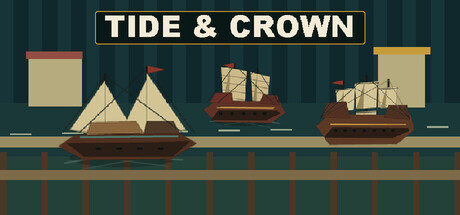
Generative AI tools were used during development to assist with portions of the game’s interface and narrative text, programming, procedurally constructed 2D visual elements, and marketing materials. All included content was reviewed, edited, and integrated by the developer. Tide & Crown does not generate AI content during gameplay and does not connect to external AI services.
*Certain audio assets used in the game were created with the assistance of generative AI tools.*
*All AI-assisted audio was reviewed, edited, mixed, and refined by the developer, with human input throughout the process to ensure it fits the game's atmosphere, artistic direction, and quality standards.*
Some visual assets in the game were created with the assistance of generative AI tools. All gameplay systems, mechanics, and interactive content were developed by the team.
Some 2D art assets and pre-rendered cinematic videos in this game were created with the help of generative AI tools, and were then manually reviewed, edited and retouched by the developer. Generative AI tools were also used to assist during development. The game does not generate any AI content at runtime.
Generative AI tools were used during development to assist with some in-game artwork, promotional/store artwork, and several music tracks. All AI-assisted content was reviewed and approved by the developer before use. The game does not use generative AI during runtime.
Generative AI tools assisted with portions of the game’s code and written material, and with the creation of pre-generated promotional key art and derivative marketing graphics. All final content was selected, edited, tested, and reviewed by the developer. Gameplay screenshots and trailers show the actual game.
This game uses generative AI in a limited capacity on the game server in real time. The AI is used solely to generate narrative text: mission names and descriptions, in-world news broadcasts, and some NPC dialogue. All game logic — including mission mechanics, rewards, and balance — is governed by deterministic code and is never decided by AI. If the AI service is unavailable, the game automatically falls back to pre-written text templates.
Portions of imagery were produced with the assistance of generative AI.
Generative AI tools were used during development to create some pre-generated visual artwork used in marketing/store assets and some pre-generated background music used in the game. The game does not use generative AI to create content during gameplay.
I am a solo developer trying to get my dream games built. I use some AI tools to help me with this. I try to be thoughtful, careful and do whatever my skills allow.
Generative AI was used during development to assist with drafting and refining some localization text and selected promotional artwork. All AI-assisted material is pre-generated, reviewed, and edited by the developer before inclusion. The game does not generate AI content during gameplay and does not connect to external AI services.
AI is used to generate concept art, 3D models, audio, and Steam store images. Models are manually refined and hand-textured. No AI content is generated during gameplay.
Slightly Random Dungeons prioritises human generated assets. Player-facing prose is constructed from bespoke human composed words (writer’s block pending).
We have engaged a human artist for our bestiary, portraits and scenery art, and use human developed icons and inventory assets, UI elements, music and effects made in house or under licence with a minority of AI generated pieces filling gaps until the alternative arrives.
Any AI agent use has been supervised by humans, these agents have not yet unionised.
Generative AI was used to assist in the creation of some visual assets used in the game. AI-assisted assets were reviewed and prepared by the development team for use in the game.
Generative AI assisted with selected static UI artwork, icons, promotional illustrations, text and localization during development. The game does not generate AI content or connect to generative AI services during play. Gameplay screenshots show actual in-game rendering.
Some of the artwork in this game was created with the help of generative AI during development. Every asset was reviewed, edited and approved by hand before shipping. Nothing is generated at runtime, and no player data is sent to any AI service. The computer opponents in the game use traditional rule-based decision logic and are unrelated to generative AI.
Some pre-rendered 2D art (monster sprites, character illustrations) was first generated with AI image tools and then hand-edited and pixel-cleaned by the developer. Parts of the in-game text and its EN/RU/JA localization were drafted with AI assistance and reviewed by the developer. No content is generated by AI while the game runs. Game design, systems and code are human-authored.
일부 2D 아트(몬스터 스프라이트·캐릭터 일러스트)는 AI 이미지 도구로 초안을 만든 뒤 개발자가 손으로 수정·정리했습니다. 게임 내 글 일부와 EN/RU/JA 번역은 AI 보조로 초안을 쓰고 개발자가 검토했습니다. 게임 실행 중 AI 가 생성하는 콘텐츠는 없습니다.
Ai-assisted tools were used during development for programming support. Some visuals and audio were created through developer-directed, deterministic code and exported as fixed assets—not generated by image, video, or audio models. Screenshots and trailers show actual gameplay footage.
The game will connect to an open-source local large language model that is already built into the game upon first launch, and use it during gameplay to generate NPC dialogues, host responses, and reasoning review feedback. Players may also choose to access compatible third‑party large language model APIs. The text generated at runtime is based on player questions and current story data.
Pre-generated AI-assisted artwork is used for selected character portraits, property and location imagery, career and education illustrations, and promotional materials. All such content is reviewed and curated by the developer before inclusion. The game does not generate AI content during gameplay.
Pixel Metropolis is a human-designed, AI-implemented game. As its sole human creator, I am responsible for the game’s design, systems, architecture, quality assurance, extensive testing, art direction, and sound direction.
Codex, primarily using OpenAI’s GPT-5.6 Sol model, has generated all of the game’s code and has been used to direct the creation and implementation of its visual and sound assets. The only non-generated assets are a small selection of CC0 sounds.
This game contains pre-rendered AI-generated content: some sound effects and store page artwork were created with generative AI tools, then reviewed and edited by the developer. No content is generated by AI in real time during gameplay.
Generative AI tools were used during development to assist with portions of the game’s code and the creation or refinement of certain visual and marketing assets. All AI-assisted material was reviewed, edited, and integrated by the developer. The game does not generate AI content during gameplay.
Some graphics, illustrations, and text used in the game were pre-generated with the help of generative AI during development and were subsequently reviewed, selected, and edited by the developer. No content is generated by AI during gameplay.
Some pre-rendered art assets (enemy and background artwork) and localization were created with generative AI tools under human direction, then manually cleaned up and integrated by the developers. Development used AI-assisted coding tools. No content is AI-generated at runtime.
Pre-generated AI tools were used to assist in creating 2D character, environment, interface, and promotional artwork. No content is generated by AI during gameplay, and the game does not connect to external AI services.
Some of the game’s visual assets were created with the assistance of AI tools.
All music featured in the game was created by human artists and is not AI-generated.
Generative AI tools were used during development to assist with portions of the game’s interface and narrative text, programming, procedurally constructed 2D visual elements, and marketing materials. All included content was reviewed, edited, and integrated by the developer. Tide & Crown does not generate AI content during gameplay and does not connect to external AI services.
*Certain audio assets used in the game were created with the assistance of generative AI tools.*
*All AI-assisted audio was reviewed, edited, mixed, and refined by the developer, with human input throughout the process to ensure it fits the game's atmosphere, artistic direction, and quality standards.*
Some visual assets in the game were created with the assistance of generative AI tools. All gameplay systems, mechanics, and interactive content were developed by the team.
Some 2D art assets and pre-rendered cinematic videos in this game were created with the help of generative AI tools, and were then manually reviewed, edited and retouched by the developer. Generative AI tools were also used to assist during development. The game does not generate any AI content at runtime.
Generative AI tools were used during development to assist with some in-game artwork, promotional/store artwork, and several music tracks. All AI-assisted content was reviewed and approved by the developer before use. The game does not use generative AI during runtime.
Generative AI tools assisted with portions of the game’s code and written material, and with the creation of pre-generated promotional key art and derivative marketing graphics. All final content was selected, edited, tested, and reviewed by the developer. Gameplay screenshots and trailers show the actual game.
This game uses generative AI in a limited capacity on the game server in real time. The AI is used solely to generate narrative text: mission names and descriptions, in-world news broadcasts, and some NPC dialogue. All game logic — including mission mechanics, rewards, and balance — is governed by deterministic code and is never decided by AI. If the AI service is unavailable, the game automatically falls back to pre-written text templates.
Portions of imagery were produced with the assistance of generative AI.