








Disclosure
In this project, we are using generative AI to brainstorm ideas for character designs and to localize text.
- Creator
- ILCA, Inc.
- Reviews
- -
- Added
- Sep 18, 2026
Public Steam disclosure research 25,383 disclosures tracked
Search developers’ Steam disclosures, compare classified AI use across games, and follow recorded changes. This index adds cross-game classifications and statistics to statements published on individual store pages.
Code help, debugging and other development work.
Capsule art, trailers and promotional material.
Pre-made art, audio, writing and other game assets.
Interactive or runtime AI features disclosed by the developer.
Groups reflect automatic analysis of public disclosures; mature records are excluded. These counts do not measure AI use across all of Steam. Missing or unclear statements cannot establish whether a game uses AI.
In this project, we are using generative AI to brainstorm ideas for character designs and to localize text.
Graphics & Concepts: Generative AI was used to design and refine initial concept art, textures, and UI elements. Texts & Dialogues: Portions of the lore, background stories, and dialogue scripts were conceptualized using AI language models and subsequently revised manually. Code & Optimization: AI-assisted tools were utilized to optimize programming code and assist in debugging. Note: All final assets in the game have been thoroughly reviewed, edited, and curated by the developer.
Helped with some art
We used Generative AI tools solely to assist in creating capsule art and marketing assets for the store page. No AI content is generated live during gameplay.
Some background music and visual assets included with the game or used in its marketing materials were created using generative AI and selected or edited by the developer. Generative AI is not used during gameplay, and no player input is sent to an AI service.
AI tools were used to assist with localization
Some of Tessera's assets - including monster and character artwork, background art, gem and tile art, certain UI icons, and some audio - were created with the assistance of generative AI tools (Google Gemini) during development. These assets were reviewed, edited, curated, and integrated by the developer. Tessera does NOT generate any AI content live during gameplay; all AI-assisted content is pre-made and fixed in the build.
War of the Watchers uses generative AI in two places. Both are pre-generated before release and ship as fixed files; nothing is generated while you play. Character dialogue is voiced using AI text-to-speech. Every line was written by the developer, and the tool performs those written lines. Each take is recorded before release and ships as an audio file. Some promotional artwork, including the key art and store capsules, was produced with AI image tools and then edited by the developer. Game code, level design and all in-game visuals are hand-authored. No content is generated during gameplay.
The store and library capsule images and the logo were created with AI image generation tools and edited by hand; AI also assisted with the store description and the in-game translations. The game itself contains no AI-generated content and generates nothing while you play. All screenshots and trailer footage come from the actual game.
All 3D models, music, and UI icons were created by humans. Generative AI was used for some in-game textures, localization, and translation.
I built every environment, HUD and system in MOGGED by hand over months. I even placed the individual pingpong balls and the patches of grass myself. But two things did involve AI: A few decals and icons, made for comedic effect. And several voice lines: narrator and NPC barks. If the game does well, I'm hiring proper voice acting. Everything I did not make myself is properly licensed and credited to the people who did.
Some 2D sprites, sound effects, and music tracks were created with the assistance of generative AI tools during development and were manually reviewed and edited by the developer.
Below The Loop uses generative AI-assisted tools during development to create some visual assets and marketing artwork. These assets are pre-generated and reviewed and edited as part of the development process. The game does not use AI to generate content in real time during gameplay.
-- Store page capsule art was created in a comprehensive workflow with OpenArt.ai, using Blender and Windows Paint3D, and by employing painstakingly crafted text prompts over dozens of A.I. generations, while incorporating thousands of my own brushstrokes and adhering to my own artistic vision for composition and mood. -- The game’s main logo texture was refined with OpenArt.ai. -- 30+ characters may be heard with distinct voices speaking in the background, commenting generally about the situation at hand with any of dozens of phrases, or hundreds of snippets of phrases. The things they say are my creation, but as an early development budget consideration the voices were generated using OpenArt.ai. Clerk P.A. announcements are also an A.I.-generated voice. -- Some vehicle sounds and background activity sound loops were generated using A.I. from OpenArt.ai or freesound.org.
For game banners, we collect elements from game art and then use AI to turn them into a single composition.
We use generative AI to support the creation of promotional materials, translations, selected artwork, music, and sound effects. These tools help bring our ideas to life, while the game’s creative direction and final decisions will always remain in human hands.
Some localization, marketing material and some art are drafted with AI first then brought to its final version.
Art assets (backgrounds, capybara and object sprites, capsules, icon), the store trailer footage, sound effects, ambience and music were generated with AI tools (image and video generation, PixelLab, ElevenLabs) from the developer's own references and direction, then cropped, scaled, palette-snapped and composed by hand-written code. The translations of the game and store texts into languages other than Portuguese and English were produced with AI and reviewed by the developer. All code, game design, writing and the original Portuguese and English texts are human-made. The game does not generate any content at runtime.
Pre-generated AI tools were used during development to assist in creating an original instrumental Halloween background music track and certain marketing artwork. The game does not generate AI content while running.
We used AI for composing music themes for the game, as well as for some graphic elements, like for example the trailer.
Generative AI was used to assist in the creation of selected Steam store promotional images, certain audio assets, and a limited number of 3D assets. No live-generated AI is used during gameplay.
As a small development team of just two people, we used generative AI tools in limited cases to assist with the production of certain visual assets and help manage the scope of development. All AI-assisted assets were carefully reviewed, edited, refined, and finalized by us to fit the game's established art style and direction. Generative AI was used as a supporting tool during development, rather than to define the creative direction of the game.
We use AI tools to assist with translations and to support our development process. Some graphics are currently AI-generated placeholders, which will be gradually replaced with original, human-made artwork.
Generative AI was used during development for some card artwork, textures, sound effects, text, and translations. These are fixed, pre-generated assets. No generative AI runs during gameplay.
Some prototype artwork, including enemy and environment assets, was generated with AI tools and subsequently refined by the developer.
Generative AI was used extensively during development to assist with localization, text review, and selected production/reference workflows. All code and most image assets and models were created with generative AI. All AI-assisted content included in the game was reviewed and curated by the developer. The game does not use live generative AI during gameplay.
Some of the content in Abyss Floors was created with the help of generative AI tools, always under the developer's direction and review: Text — Portions of the game's descriptive and flavor text (item and ability descriptions, interface copy, and atmospheric lore lines) were drafted with AI assistance and edited by the developer. Store & branding art — The store-page capsules, library images, and other branding graphics were produced with AI-assisted tools. Abyss Floors is a text- and table-driven simulation, so there is no AI-generated illustrated art in actual gameplay, and all screenshots on this page are captured directly from the live game. The game's design, balance, systems, and code are the developer's own, with AI used as a development aid rather than to generate gameplay content.
Generative AI was used as a supporting tool during the development of ARUS-1. Some 3D models, textures, and in-game and store artwork were created with these tools, then revised and integrated. No content is generated by AI during gameplay.
Translations were generated with AI and then reviewed by the developer, including back-translation checks.
Generative AI tools were used purely in the background to assist and speed up the production workflow as a solo developer, serving only as an aid during development. The game itself including all gameplay, story, and core content is 100 percent created by human developers, with no AI generated content produced live.
Some store artwork is generated using AI
Generative AI tools were used to create photographic source images that were then painted over and edited in Photoshop for the game’s artwork, and to create the game’s background music. Generative AI also assisted with portions of the game’s written text and localization and with drafting and editing Steam store-page copy. All AI-assisted material was reviewed and incorporated into the final work by the developer. No content is generated during gameplay.
Generative AI tools were used during development to create or refine selected visual and text assets. All such content was pre-generated, reviewed, and edited before use; the game does not use live generative AI.
Tripo AI: Modelos y ChatGPT: Imagenes
During the development of this title, generative AI was used as an assistive tool for writing some code, as well as for text polishing and translation. Other elements—including core artwork, character and environment designs, and the overall visual presentation—were created entirely by the developers themselves.
Generative AI was used during development to assist in the creation of some pre-generated visual and audio assets, as well as portions of promotional and store-page materials. All AI-assisted content is generated and reviewed during development and included as fixed content. No generative AI content is created during gameplay.
AI was used only to generate bases for a few specific textures, which were then edited by hand.
During development, an AI coding assistant was used to help write the game's code, including the code that renders its vector graphics, and to help create the game's music.
We used generative AI tools as part of our creative process, alongside our team’s direction, editing, and refinement.
Generative AI was used to create UI icons, music, and translations into languages other than English and French.
DeepL was used for language translation of the subtitles and also for the text in the Steam store. Some of the voice acting was generated using a paid ElevenLabs subscription.
all the pictures are generated by artificial intelligence.
Generative AI is used during development to create artwork, animation, music, sound effects and some text, including store artwork and descriptions. Content is selected, edited and integrated before release. SkyStray does not generate AI content during gameplay or connect to external AI services while you play.
The game’s core artwork and content were created by people. Generative AI use was limited to select elements of UI images and icons, Steam capsule image retouching, map and calendar textures within buildings, and localization translations.
It has been used in the page visuals.
This game is made by one developer working with AI assistants. AI tools helped write the game's code and much of its English text, including this store page. The folktales the game retells are traditional Mongolian üliger, not machine-invented, and every Mongolian word in the game is checked by a native speaker before it ships. Nothing is generated while you play. The game runs offline, creates no content at runtime, and connects to no AI service.
Some icons, UI elements and text were created with the help of AI tools during development, then reviewed and edited by hand. Nothing is generated while you play.
It has been used in the store page images.
Generative AI tools were used during development to create artwork, logos, and promotional images.
Generative AI is used as a development aid for research, information analysis, routine technical tasks, and assistance with drafting and editing text for the Steam store page. No AI-generated 2D or 3D artwork, audio, or live-generated content is included in the game. The game's concept, creative direction, design, and implementation are the work of the developer.
| Title⇅ | Disclosure | Creator⇅ | Src | Reviews⇅ | Added↓ |
|---|---|---|---|---|---|
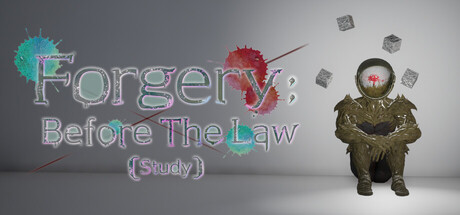 贋作・掟の門(習作) Dev only text | In this project, we are using generative AI to brainstorm ideas for character designs and to localize text. | ILCA, Inc. | - | Sep 18, 2026 | |
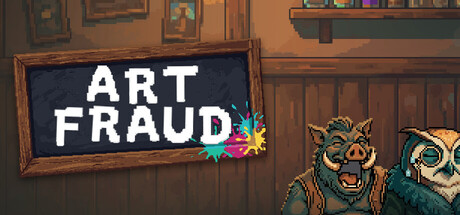 Art Fraud In-game content arttextcode | Graphics & Concepts: Generative AI was used to design and refine initial concept art, textures, and UI elements.
Texts & Dialogues: Portions of the lore, background stories, and dialogue scripts were conceptualized using AI language models and subsequently revised manually.
Code & Optimization: AI-assisted tools were utilized to optimize programming code and assist in debugging.
Note: All final assets in the game have been thoroughly reviewed, edited, and curated by the developer. | teaspoonstudios | - | Sep 18, 2026 | |
 Horror Stories: Social Problems Unclear art | Helped with some art | YarFunnyStar | - | Sep 18, 2026 | |
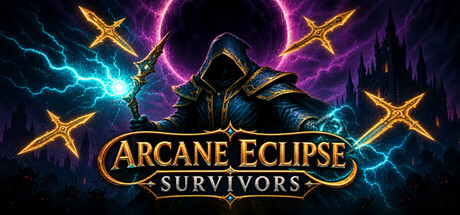 Arcane Eclipse: Survivors Store/marketing art | We used Generative AI tools solely to assist in creating capsule art and marketing assets for the store page. No AI content is generated live during gameplay. | Levivi | - | Sep 18, 2026 | |
 Tokyo Canvas In-game content audioart | Some background music and visual assets included with the game or used in its marketing materials were created using generative AI and selected or edited by the developer. Generative AI is not used during gameplay, and no player input is sent to an AI service. | kiarina | - | Sep 18, 2026 | |
 Before Six In-game content text | AI tools were used to assist with localization | Tou Games | - | Sep 18, 2026 | |
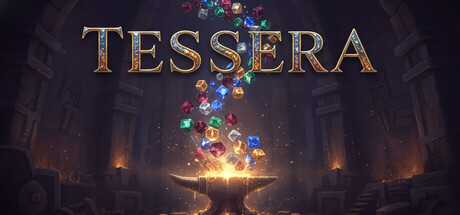 Tessera In-game content artaudio | Some of Tessera's assets - including monster and character artwork, background art, gem and tile art, certain UI icons, and some audio - were created with the assistance of generative AI tools (Google Gemini) during development. These assets were reviewed, edited, curated, and integrated by the developer. Tessera does NOT generate any AI content live during gameplay; all AI-assisted content is pre-made and fixed in the build. | Peace War Found | - | Sep 18, 2026 | |
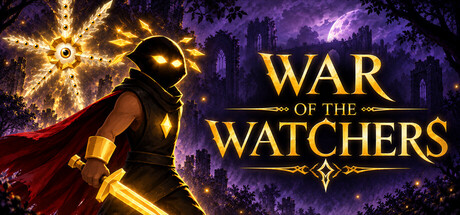 War of the Watchers In-game content audioart | War of the Watchers uses generative AI in two places. Both are pre-generated before release and ship as fixed files; nothing is generated while you play.
Character dialogue is voiced using AI text-to-speech. Every line was written by the developer, and the tool performs those written lines. Each take is recorded before release and ships as an audio file.
Some promotional artwork, including the key art and store capsules, was produced with AI image tools and then edited by the developer.
Game code, level design and all in-game visuals are hand-authored. No content is generated during gameplay. | Crown & Cross Studios | - | Sep 18, 2026 | |
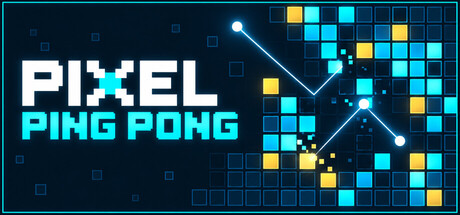 Pixel Ping Pong In-game content arttext | The store and library capsule images and the logo were created with AI image generation tools and edited by hand; AI also assisted with the store description and the in-game translations. The game itself contains no AI-generated content and generates nothing while you play. All screenshots and trailer footage come from the actual game. | Butterstick Games | - | Sep 18, 2026 | |
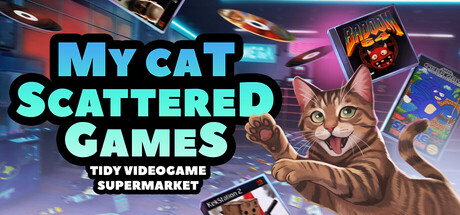 Save Game: Tidy Videogame Supermarket In-game content arttext | All 3D models, music, and UI icons were created by humans. Generative AI was used for some in-game textures, localization, and translation. | ODIUS | - | Sep 18, 2026 | |
 MOGGED: Looksmaxx or Die In-game content artaudio | I built every environment, HUD and system in MOGGED by hand over months. I even placed the individual pingpong balls and the patches of grass myself.
But two things did involve AI: A few decals and icons, made for comedic effect. And several voice lines: narrator and NPC barks. If the game does well, I'm hiring proper voice acting.
Everything I did not make myself is properly licensed and credited to the people who did. | Sigma Labs | - | Sep 18, 2026 | |
 Intercept Line In-game content artaudio | Some 2D sprites, sound effects, and music tracks were created with the assistance of generative AI tools during development and were manually reviewed and edited by the developer. | Kinato | - | Sep 18, 2026 | |
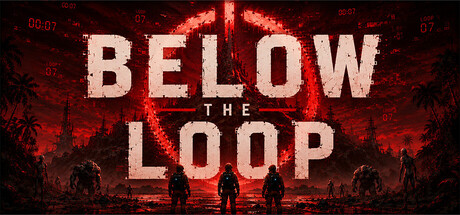 Below The Loop Store/marketing art | Below The Loop uses generative AI-assisted tools during development to create some visual assets and marketing artwork. These assets are pre-generated and reviewed and edited as part of the development process. The game does not use AI to generate content in real time during gameplay. | Sandbox Studio | - | Sep 18, 2026 | |
 MASH Commander In-game content artaudio | -- Store page capsule art was created in a comprehensive workflow with OpenArt.ai, using Blender and Windows Paint3D, and by employing painstakingly crafted text prompts over dozens of A.I. generations, while incorporating thousands of my own brushstrokes and adhering to my own artistic vision for composition and mood.
-- The game’s main logo texture was refined with OpenArt.ai.
-- 30+ characters may be heard with distinct voices speaking in the background, commenting generally about the situation at hand with any of dozens of phrases, or hundreds of snippets of phrases. The things they say are my creation, but as an early development budget consideration the voices were generated using OpenArt.ai. Clerk P.A. announcements are also an A.I.-generated voice.
-- Some vehicle sounds and background activity sound loops were generated using A.I. from OpenArt.ai or freesound.org. | General Y-Rot | - | Sep 18, 2026 | |
 Insanity: Altered Store/marketing art | For game banners, we collect elements from game art and then use AI to turn them into a single composition. | ARA Games | - | Sep 17, 2026 | |
 Cast & Click In-game content artaudiotext | We use generative AI to support the creation of promotional materials, translations, selected artwork, music, and sound effects. These tools help bring our ideas to life, while the game’s creative direction and final decisions will always remain in human hands. | LOG51 | - | Sep 17, 2026 | |
 NOEMA In-game content arttext | Some localization, marketing material and some art are drafted with AI first then brought to its final version. | Imponix Game Studio | - | Sep 16, 2026 | |
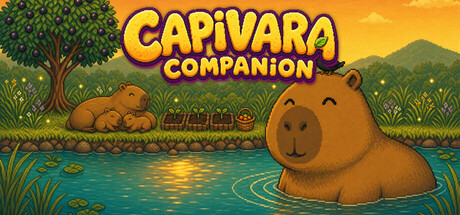 Capivara Companion In-game content artaudiotext | Art assets (backgrounds, capybara and object sprites, capsules, icon), the store trailer footage, sound effects, ambience and music were generated with AI tools (image and video generation, PixelLab, ElevenLabs) from the developer's own references and direction, then cropped, scaled, palette-snapped and composed by hand-written code. The translations of the game and store texts into languages other than Portuguese and English were produced with AI and reviewed by the developer. All code, game design, writing and the original Portuguese and English texts are human-made. The game does not generate any content at runtime. | Dotsmith | - | Sep 16, 2026 | |
 Seasonal Reset: Halloween Edition In-game content audioart | Pre-generated AI tools were used during development to assist in creating an original instrumental Halloween background music track and certain marketing artwork. The game does not generate AI content while running. | Budder Technology LLC | - | Sep 16, 2026 | |
 Mane, Tekel, Fares In-game content audioart | We used AI for composing music themes for the game, as well as for some graphic elements, like for example the trailer. | Insiters Juliusz Peta | - | Sep 16, 2026 | |
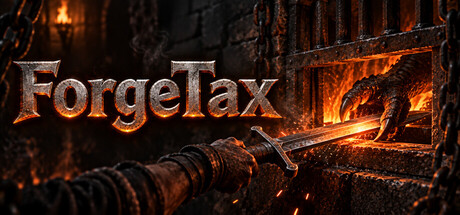 ForgeTax In-game content artaudio | Generative AI was used to assist in the creation of selected Steam store promotional images, certain audio assets, and a limited number of 3D assets. No live-generated AI is used during gameplay. | GraveYardDev | - | Sep 16, 2026 | |
 Somewhere Else In-game content art | As a small development team of just two people, we used generative AI tools in limited cases to assist with the production of certain visual assets and help manage the scope of development.
All AI-assisted assets were carefully reviewed, edited, refined, and finalized by us to fit the game's established art style and direction. Generative AI was used as a supporting tool during development, rather than to define the creative direction of the game. | Milecode | - | Sep 16, 2026 | |
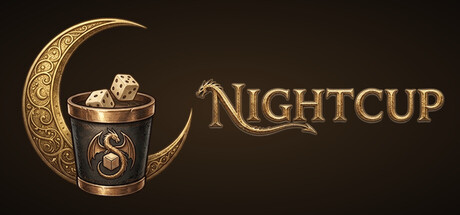 Nightcup In-game content textart | We use AI tools to assist with translations and to support our development process. Some graphics are currently AI-generated placeholders, which will be gradually replaced with original, human-made artwork. | Teshi Games | - | Sep 16, 2026 | |
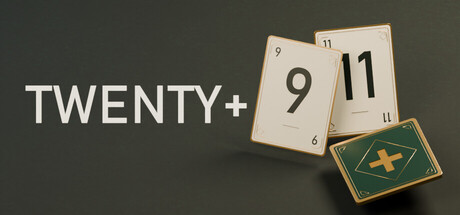 TWENTY+ In-game content artaudiotext | Generative AI was used during development for some card artwork, textures, sound effects, text, and translations. These are fixed, pre-generated assets. No generative AI runs during gameplay. | rpaka-farm | - | Sep 16, 2026 | |
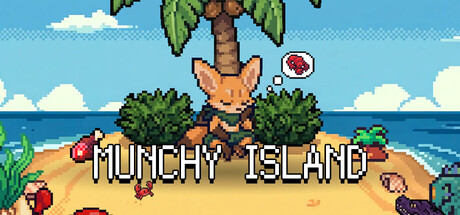 暴食海岛 Munchy Island In-game content art | Some prototype artwork, including enemy and environment assets, was generated with AI tools and subsequently refined by the developer. | clownpiece | - | Sep 16, 2026 | |
 Last Copy In-game content textartcode | Generative AI was used extensively during development to assist with localization, text review, and selected production/reference workflows. All code and most image assets and models were created with generative AI. All AI-assisted content included in the game was reviewed and curated by the developer. The game does not use live generative AI during gameplay. | Casdera Labs | - | Sep 16, 2026 | |
 Abyss Floors In-game content textart | Some of the content in Abyss Floors was created with the help of generative AI tools, always under the developer's direction and review:
Text — Portions of the game's descriptive and flavor text (item and ability descriptions, interface copy, and atmospheric lore lines) were drafted with AI assistance and edited by the developer.
Store & branding art — The store-page capsules, library images, and other branding graphics were produced with AI-assisted tools.
Abyss Floors is a text- and table-driven simulation, so there is no AI-generated illustrated art in actual gameplay, and all screenshots on this page are captured directly from the live game. The game's design, balance, systems, and code are the developer's own, with AI used as a development aid rather than to generate gameplay content. | Alerot | - | Sep 16, 2026 | |
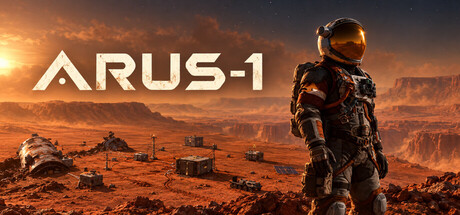 ARUS-1 In-game content art | Generative AI was used as a supporting tool during the development of ARUS-1. Some 3D models, textures, and in-game and store artwork were created with these tools, then revised and integrated. No content is generated by AI during gameplay. | Arus Development Studio | - | Sep 16, 2026 | |
 Night Drives In-game content text | Translations were generated with AI and then reviewed by the developer, including back-translation checks. | Catechin Studio | - | Sep 16, 2026 | |
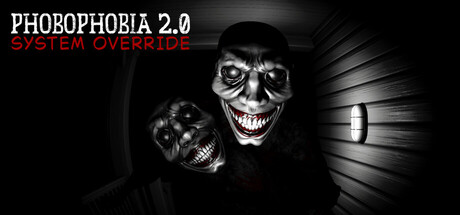 Phobophobia 2.0 – System Override Dev only | Generative AI tools were used purely in the background to assist and speed up the production workflow as a solo developer, serving only as an aid during development.
The game itself including all gameplay, story, and core content is 100 percent created by human developers, with no AI generated content produced live. | ghoSTudio games | - | Sep 16, 2026 | |
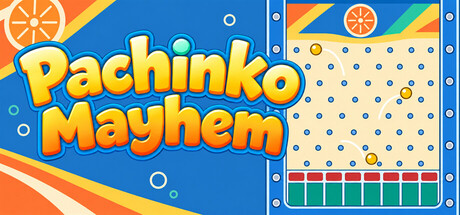 Pachinko Mayhem Store/marketing art | Some store artwork is generated using AI | hf_game_studio | - | Sep 16, 2026 | |
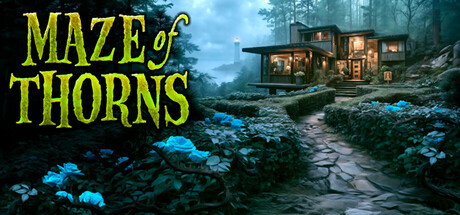 Maze of Thorns In-game content artaudiotext | Generative AI tools were used to create photographic source images that were then painted over and edited in Photoshop for the game’s artwork, and to create the game’s background music. Generative AI also assisted with portions of the game’s written text and localization and with drafting and editing Steam store-page copy. All AI-assisted material was reviewed and incorporated into the final work by the developer. No content is generated during gameplay. | Fire Maple Games | - | Sep 16, 2026 | |
 NYANCO: LOVE LOOP In-game content arttext | Generative AI tools were used during development to create or refine selected visual and text assets. All such content was pre-generated, reviewed, and edited before use; the game does not use live generative AI. | Nyanco Channel | - | Sep 16, 2026 | |
 Chocolat Shoot Bite Destroy Unclear art | Tripo AI: Modelos y ChatGPT: Imagenes | JoseDVJ | - | Sep 16, 2026 | |
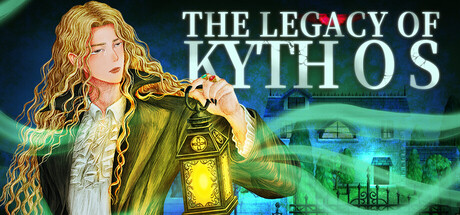 凯索斯之遗 In-game content codetext | During the development of this title, generative AI was used as an assistive tool for writing some code, as well as for text polishing and translation. Other elements—including core artwork, character and environment designs, and the overall visual presentation—were created entirely by the developers themselves. | The Silent Piper | - | Sep 16, 2026 | |
 Expiration In-game content artaudio | Generative AI was used during development to assist in the creation of some pre-generated visual and audio assets, as well as portions of promotional and store-page materials. All AI-assisted content is generated and reviewed during development and included as fixed content. No generative AI content is created during gameplay. | Forest Lake | - | Sep 16, 2026 | |
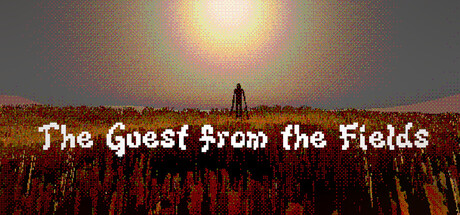 The Guest from the Fields In-game content art | AI was used only to generate bases for a few specific textures, which were then edited by hand. | Skamii | - | Sep 16, 2026 | |
 Box of Life In-game content codeaudio | During development, an AI coding assistant was used to help write the game's code, including the code that renders its vector graphics, and to help create the game's music. | Johannes | - | Sep 16, 2026 | |
 Tooth for Tooth Unclear | We used generative AI tools as part of our creative process, alongside our team’s direction, editing, and refinement. | Outlane | - | Sep 16, 2026 | |
 Lumenweld In-game content artaudiotext | Generative AI was used to create UI icons, music, and translations into languages other than English and French. | Void Lepus | - | Sep 16, 2026 | |
 Make The Dead Dead Again In-game content textaudio | DeepL was used for language translation of the subtitles and also for the text in the Steam store. Some of the voice acting was generated using a paid ElevenLabs subscription. | Based On The Play | - | Sep 16, 2026 | |
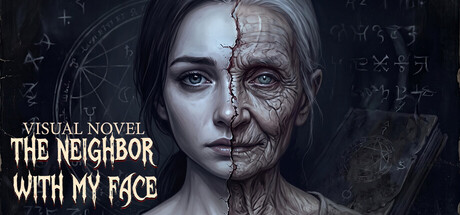 Visual Novel: The Neighbor with My Face In-game content art | all the pictures are generated by artificial intelligence. | Reanim Games | - | Sep 15, 2026 | |
 SkyStray In-game content artaudiotext | Generative AI is used during development to create artwork, animation, music, sound effects and some text, including store artwork and descriptions. Content is selected, edited and integrated before release. SkyStray does not generate AI content during gameplay or connect to external AI services while you play. | Sam Mayell | - | Sep 15, 2026 | |
 Never Enough Corn In-game content arttext | The game’s core artwork and content were created by people. Generative AI use was limited to select elements of UI images and icons, Steam capsule image retouching, map and calendar textures within buildings, and localization translations. | cream | - | Sep 15, 2026 | |
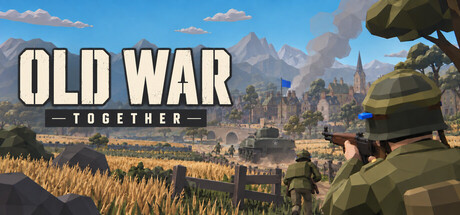 Old War Together Store/marketing art | It has been used in the page visuals. | cnsgames | - | Sep 15, 2026 | |
 The Last Summer Holiday In-game content textcode | This game is made by one developer working with AI assistants. AI tools helped write the game's code and much of its English text, including this store page.
The folktales the game retells are traditional Mongolian üliger, not machine-invented, and every Mongolian word in the game is checked by a native speaker before it ships.
Nothing is generated while you play. The game runs offline, creates no content at runtime, and connects to no AI service. | dokind | - | Sep 15, 2026 | |
 One Pixel In-game content arttext | Some icons, UI elements and text were created with the help of AI tools during development, then reviewed and edited by hand. Nothing is generated while you play. | Andret2344 | - | Sep 15, 2026 | |
 Climb Up Together Store/marketing art | It has been used in the store page images. | cnsgames | - | Sep 15, 2026 | |
 Approved! A Quiet Day of Paperwork Store/marketing art | Generative AI tools were used during development to create artwork, logos, and promotional images. | Approved! | - | Sep 15, 2026 | |
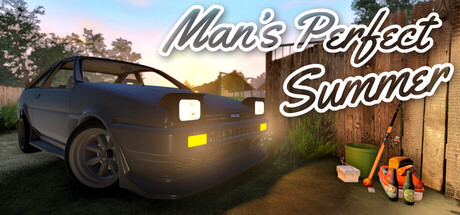 Man's Perfect Summer Store/marketing text | Generative AI is used as a development aid for research, information analysis, routine technical tasks, and assistance with drafting and editing text for the Steam store page. No AI-generated 2D or 3D artwork, audio, or live-generated content is included in the game. The game's concept, creative direction, design, and implementation are the work of the developer. | Lowbeam Studio | - | Sep 15, 2026 |


