Public Steam disclosure research25,882 disclosures tracked
Where do games disclose AI use?
Search developers’ Steam disclosures, compare classified AI use across
games, and follow recorded changes.
This index adds cross-game classifications and statistics to
statements published on individual store pages.
Groups reflect automatic analysis of public disclosures; mature records are excluded. These counts do not measure AI use across all of Steam.
Missing or unclear statements cannot establish whether a game uses AI.
Some 2D art (character illustrations, menu and store background art) and marketing/store capsule images were created with the assistance of generative AI image tools. All AI-assisted assets were reviewed, edited and approved by the developer. No generative AI runs live during gameplay.
FOCUS uses generative AI to assist in creating some in-game texture/background assets and the store capsule art. These are hand-edited and finalized by the developer. All design, code, and gameplay are human-made, and no AI content is generated at runtime.
"We used generative AI tools during the development of this game. Specifically, pre-generated AI tools were utilized to create and refine some of the 2D visual assets, including concept art, UI elements, and promotional store graphics. All AI-generated content was reviewed, edited, and curated by our team to ensure quality and compliance with Steam's content policies. The game itself does not generate any live AI content during runtime."
I use generative AI exclusively as a temporary tool for rapid prototyping and placeholder content during early solo development. All AI-generated elements in Vigilum are planned to be fully replaced with custom, human-made assets for the final v1.0 release.
-> 3D Models: I used generative AI tools to create two 3D assets (the Vylem gem and the Blood Sigil element). These are temporary placeholders, and I am currently prioritizing remaking them myself during the Early Access phase.
-> 2D Assets: A few UI icons and images were generated with AI. I intend to commission a professional artist to completely replace these 2D elements as soon as funding allows.
We used artificial intelligence tools in several areas of Parcel Empire’s development, always under human supervision.
Some of the game’s artwork was generated with the help of AI, then significantly reworked by hand to match the project’s art direction and the specific needs of the game.
The game’s music was entirely generated with the help of AI. The sound effects, however, were not generated by AI.
AI was also used to help translate the game into the available languages.
The game’s development is handled by a developer on the team. Some portions of the code were assisted by AI, but they were reviewed, adapted, and integrated under human supervision.
Generative AI tools were used during development to create and edit some visual assets, including character, unit, action, and background artwork. Generative AI was also used in the creation of some sound and audio assets. All generated materials were reviewed, selected, and edited by the developer before being included in the game or its store assets. The game does not generate AI content during gameplay.
This game utilizes generative AI tools as an assisting tool for creating various assets, including Artwork (Character portraits, backgrounds, and some UI elements), Sound (BGM and effects), and Text (localization).
AI was also used to assist in programming and debugging. All assets were carefully selected by the developer, and the core gameplay systems, balance, boss design, and all strategic features were entirely designed and implemented by hand.
Most character avatars, icons and in-game buildings are generated or modified with AI tools. Building names and certain text content are AI-generated, while all remaining assets are manually created.
7743 includes a small handful of AI generated art. This includes, and is limited to only textures. The degree of AI generated textures within 7743 is likely less than 5%
All materials and assets used in this game were created by hand. Generative AI tools were used only as a supportive enhancement tool, for example to refine, polish, or improve certain elements. The final content, including visual assets, story elements, audio direction, and overall creative design, remains the result of human creation and artistic direction.
This product uses generative AI for live text-based character dialogue, optional code or technical text generation, and AI-assisted pre-generated visual assets.
Players can interact with an AI desktop character through text chat. AI responses may be generated based on the character profile, the current conversation, limited memory, and optional screen-context summaries. When requested by the user, the AI may also generate programming explanations, code snippets, configuration examples, or technical suggestions.
AI conversation features require an internet connection. In the Steam version, players do not need to create, configure, or manage any third-party AI service accounts or API keys. Access to AI features is managed by the developer’s backend service and uses in-app AI Credits purchased through Steam Wallet.
The artwork used as the basis for the built-in character was created with assistance from ChatGPT and was subsequently manually edited, separated, and rigged by the developer as a Live2D model. Some promotional images, Steam library assets, background art, and key art were also created or refined with the assistance of generative AI tools during development.
The product does not generate images, audio, music, voice, textures, 3D models, or video at runtime. Generated code is not automatically executed, compiled, installed, or applied by the application. Any use of generated code is controlled by the user outside the application.
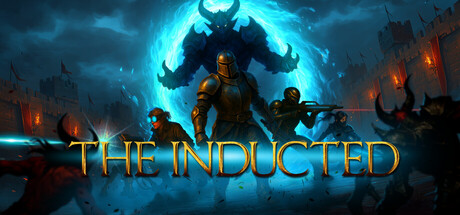
The Inducted uses generative AI tools in a limited capacity. Some user interface icons and elements in-game were created with the assistance of generative AI. Additionally, the store capsule artwork was composed by a professional artist who incorporated some AI-generated elements among hand-crafted components. All gameplay, characters, environments, and audio are created without generative AI.
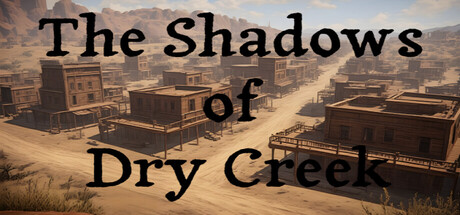
The visuals in The Shadows of Dry Creek (illustrations and scenes) were generated using generative artificial intelligence tools, then curated and integrated within a consistent art direction aligned with the game’s universe. Some elements may have been manually adjusted or refined to ensure they fit the intended narrative experience.
AI was used to create initial concept images for the main character (the funny copter). These images were then edited, redrawn and polished by a human artist. All other sprites, animations, backgrounds, sounds, music, and code in the game have nothing to do with AI.
Some visual assets used in the game and its store page were created with the assistance of generative AI tools. All AI-generated content has been reviewed and curated by the developer. No AI-generated content is created during gameplay.
Artificial intelligence (AI) was leveraged for key aspects of the game's development, including in-game logic, support systems, and certain artistic assets.
Some assets in BRICK BUSTERS were created with the help of generative AI tools — including parts of the pixel art, some sound effects and music, and the translations of the in-game text. All AI-assisted content was reviewed and edited by hand before release.
During the development process of this game, generative AI (LLM) tools were utilized as a coding assistant in the coding and software architecture phases.
Some visual assets and promotional artwork used in this game and on its Steam store page were created with the assistance of generative AI tools. All AI-generated content was reviewed, edited, and curated by the developer before being included in the final product.
Some background sound effects and ambient audio clips used in the game were sourced from Pixabay, where they were flagged as AI-generated by their respective creators. No graphics, code, or core gameplay elements were generated by AI; all other assets were developed entirely by me.
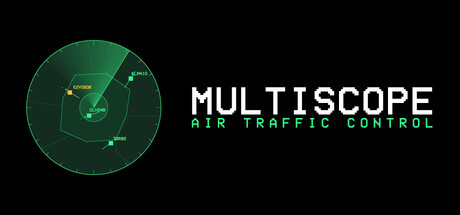
MultiScope Air Traffic Control uses a local neural text-to-speech model (Piper) to generate the pilot voice read-backs in real time on your own machine. It runs entirely offline, no voice input or player data is sent anywhere or used to train any AI model. Your spoken commands are recognized locally by your operating system, not by generative AI.
Artificial Intelligence was used to help in the development of game code only. No art, sound, or other visual assets use or employed AI and were done by a real artist on the team.
AI-assisted tools were used only to help create some sound assets. All audio was carefully reviewed and approved by the developer before being included in the game.
We use generative AI tools in parts of our development process, primarily to assist with creating 3D character models and visual/UI design assets. All AI-generated content is reviewed, edited, and integrated by our team.
Some of the 3D models in the game were generated with the assistance of artificial intelligence, and were reviewed and modified by humans before being used as game assets.
Some 2D art (character illustrations, menu and store background art) and marketing/store capsule images were created with the assistance of generative AI image tools. All AI-assisted assets were reviewed, edited and approved by the developer. No generative AI runs live during gameplay.
FOCUS uses generative AI to assist in creating some in-game texture/background assets and the store capsule art. These are hand-edited and finalized by the developer. All design, code, and gameplay are human-made, and no AI content is generated at runtime.
"We used generative AI tools during the development of this game. Specifically, pre-generated AI tools were utilized to create and refine some of the 2D visual assets, including concept art, UI elements, and promotional store graphics. All AI-generated content was reviewed, edited, and curated by our team to ensure quality and compliance with Steam's content policies. The game itself does not generate any live AI content during runtime."
I use generative AI exclusively as a temporary tool for rapid prototyping and placeholder content during early solo development. All AI-generated elements in Vigilum are planned to be fully replaced with custom, human-made assets for the final v1.0 release.
-> 3D Models: I used generative AI tools to create two 3D assets (the Vylem gem and the Blood Sigil element). These are temporary placeholders, and I am currently prioritizing remaking them myself during the Early Access phase.
-> 2D Assets: A few UI icons and images were generated with AI. I intend to commission a professional artist to completely replace these 2D elements as soon as funding allows.
We used artificial intelligence tools in several areas of Parcel Empire’s development, always under human supervision.
Some of the game’s artwork was generated with the help of AI, then significantly reworked by hand to match the project’s art direction and the specific needs of the game.
The game’s music was entirely generated with the help of AI. The sound effects, however, were not generated by AI.
AI was also used to help translate the game into the available languages.
The game’s development is handled by a developer on the team. Some portions of the code were assisted by AI, but they were reviewed, adapted, and integrated under human supervision.
Generative AI tools were used during development to create and edit some visual assets, including character, unit, action, and background artwork. Generative AI was also used in the creation of some sound and audio assets. All generated materials were reviewed, selected, and edited by the developer before being included in the game or its store assets. The game does not generate AI content during gameplay.
This game utilizes generative AI tools as an assisting tool for creating various assets, including Artwork (Character portraits, backgrounds, and some UI elements), Sound (BGM and effects), and Text (localization).
AI was also used to assist in programming and debugging. All assets were carefully selected by the developer, and the core gameplay systems, balance, boss design, and all strategic features were entirely designed and implemented by hand.
Most character avatars, icons and in-game buildings are generated or modified with AI tools. Building names and certain text content are AI-generated, while all remaining assets are manually created.
7743 includes a small handful of AI generated art. This includes, and is limited to only textures. The degree of AI generated textures within 7743 is likely less than 5%
All materials and assets used in this game were created by hand. Generative AI tools were used only as a supportive enhancement tool, for example to refine, polish, or improve certain elements. The final content, including visual assets, story elements, audio direction, and overall creative design, remains the result of human creation and artistic direction.
This product uses generative AI for live text-based character dialogue, optional code or technical text generation, and AI-assisted pre-generated visual assets.
Players can interact with an AI desktop character through text chat. AI responses may be generated based on the character profile, the current conversation, limited memory, and optional screen-context summaries. When requested by the user, the AI may also generate programming explanations, code snippets, configuration examples, or technical suggestions.
AI conversation features require an internet connection. In the Steam version, players do not need to create, configure, or manage any third-party AI service accounts or API keys. Access to AI features is managed by the developer’s backend service and uses in-app AI Credits purchased through Steam Wallet.
The artwork used as the basis for the built-in character was created with assistance from ChatGPT and was subsequently manually edited, separated, and rigged by the developer as a Live2D model. Some promotional images, Steam library assets, background art, and key art were also created or refined with the assistance of generative AI tools during development.
The product does not generate images, audio, music, voice, textures, 3D models, or video at runtime. Generated code is not automatically executed, compiled, installed, or applied by the application. Any use of generated code is controlled by the user outside the application.
The Inducted uses generative AI tools in a limited capacity. Some user interface icons and elements in-game were created with the assistance of generative AI. Additionally, the store capsule artwork was composed by a professional artist who incorporated some AI-generated elements among hand-crafted components. All gameplay, characters, environments, and audio are created without generative AI.
The visuals in The Shadows of Dry Creek (illustrations and scenes) were generated using generative artificial intelligence tools, then curated and integrated within a consistent art direction aligned with the game’s universe. Some elements may have been manually adjusted or refined to ensure they fit the intended narrative experience.
AI was used to create initial concept images for the main character (the funny copter). These images were then edited, redrawn and polished by a human artist. All other sprites, animations, backgrounds, sounds, music, and code in the game have nothing to do with AI.
Some visual assets used in the game and its store page were created with the assistance of generative AI tools. All AI-generated content has been reviewed and curated by the developer. No AI-generated content is created during gameplay.
Artificial intelligence (AI) was leveraged for key aspects of the game's development, including in-game logic, support systems, and certain artistic assets.
Some assets in BRICK BUSTERS were created with the help of generative AI tools — including parts of the pixel art, some sound effects and music, and the translations of the in-game text. All AI-assisted content was reviewed and edited by hand before release.
During the development process of this game, generative AI (LLM) tools were utilized as a coding assistant in the coding and software architecture phases.
Some visual assets and promotional artwork used in this game and on its Steam store page were created with the assistance of generative AI tools. All AI-generated content was reviewed, edited, and curated by the developer before being included in the final product.
Some background sound effects and ambient audio clips used in the game were sourced from Pixabay, where they were flagged as AI-generated by their respective creators. No graphics, code, or core gameplay elements were generated by AI; all other assets were developed entirely by me.
MultiScope Air Traffic Control uses a local neural text-to-speech model (Piper) to generate the pilot voice read-backs in real time on your own machine. It runs entirely offline, no voice input or player data is sent anywhere or used to train any AI model. Your spoken commands are recognized locally by your operating system, not by generative AI.
Artificial Intelligence was used to help in the development of game code only. No art, sound, or other visual assets use or employed AI and were done by a real artist on the team.
AI-assisted tools were used only to help create some sound assets. All audio was carefully reviewed and approved by the developer before being included in the game.
We use generative AI tools in parts of our development process, primarily to assist with creating 3D character models and visual/UI design assets. All AI-generated content is reviewed, edited, and integrated by our team.
Some of the 3D models in the game were generated with the assistance of artificial intelligence, and were reviewed and modified by humans before being used as game assets.