Public Steam disclosure research25,383 disclosures tracked
Where do games disclose AI use?
Search developers’ Steam disclosures, compare classified AI use across
games, and follow recorded changes.
This index adds cross-game classifications and statistics to
statements published on individual store pages.
Groups reflect automatic analysis of public disclosures; mature records are excluded. These counts do not measure AI use across all of Steam.
Missing or unclear statements cannot establish whether a game uses AI.
This game does not use generative AI to create any shipped game assets, including artwork, audio, or other player-facing content. We prioritize human-created assets and content throughout the development process.
We may use AI-powered tools internally to assist with development workflows, research, testing, debugging, automation, marketing, and other backend tasks. These tools are used to support development efficiency and do not generate content that is presented directly to players as part of the game experience.
I have used AI to design some parts of the main menu, data models, design of the multiplayer system and room system and to improve the heuristic armies behavior.
Built solo with Cursor AI, Realmlords is a one-developer passion project: an action roguelite forged through rapid iteration, creative experimentation, and nonstop refinement from a single creator’s vision. Over 2 years in the making.
I created this game in my coding class for school which prioritizes AI coding and development. I have coded a significant portion of this game using artificial tools.
During development, we may use AI-assisted tools to prototype and iterate on content.
All assets in the final game are reviewed, refined, or recreated by our team.
If you spot something that looks like an unfinished AI placeholder, please let us know - we take that seriously.
Generative AI tools were used as part of the development and drafting workflow. Hex Tower Boogie does not generate content during gameplay, does not connect to external AI services, and all shipped/store content is reviewed and curated by the developer.
bossMAN uses generative AI as part of a user-directed software-development workflow.
Some store, brand, or visual materials may have been created or refined with AI-assisted tools and reviewed by the developer before use.
During use, bossMAN may display, organize, summarize, route, or help review AI-generated development output from a separately installed and authenticated user-configured backend, such as Codex, or a user-configured local LLM runtime if supported. This may include coding plans, project summaries, code review notes, command proposals, implementation guidance, documentation drafts, and source-code suggestions.
bossMAN does not include ChatGPT, Codex, OpenAI API access, AI usage credits, paid AI subscriptions, local LLM runtimes, model files, or model licenses. AI-generated output may be incomplete, incorrect, or unsuitable for a user's project, and users should review it for accuracy, relevance, and project fit before using or applying it.
During the development of Super Monsterdoom, generative AI tools were used to support text creation, visual exploration, and mechanical iteration. As a solo developer, these tools were key to accelerating and expanding the process, but every final asset, text, and design decision went through extensive human editing, refinement, and hands-on work.
AI was used during development to help fix scripting errors and improve development efficiency. No AI was used in the creation of the game’s levels, menus, UI, or graphic designs.
AI tools were used to assist with code generation. All visual art is hand-drawn by the developer. All AI-assisted content has been manually reviewed and refined.
Visual AI assets were used to fasten the development process, with caution and help of art direction to keep the sketch art style consistent and avoid being another AI slop game.
AI tools were used during development to assist with writing and improving the game’s C# code. All AI-assisted code was reviewed, manually adjusted, and fully tested by the developer. No AI is used during gameplay, and no AI-generated assets (such as images or sounds) are included in the final game
I use AI to summarize documentation, criticize my code, and help me make sense of error messages.
Sometimes I feel discouraged and I ask AI to write stuff for me. Seeing the garbage it produces makes me feel better, and encourages me to try again :)
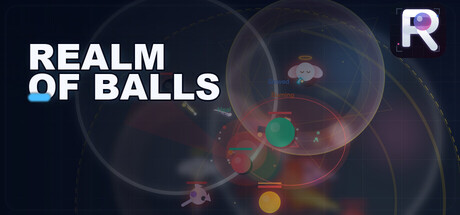
Realm of Balls was developed with the help of generative AI tools during production, but the game does not include live AI-generated content for players.
During the development of Hell Cleaners, AI tools were used to create early concepts and references to help explore the visual direction of the game. All final art assets that ship in the game were created, painted, or reworked by hand by our art team. No AI-generated audio, voice, or narrative text is used in the shipped product. We believe games should be made by humans!
The developers describe how their game uses AI Generated Content like this:
During the development process, I may use procedural- and AI-based tools to assist with content creation. In all such cases, the final product reflects the creativity and expression of myself.
As a poor indie developer, on one hand, I’m grateful that AI has lowered my costs and improved my efficiency. On the other hand, I’m very aware of its limitations, so I use it only within a very limited scope. Specifically, it is mainly used to assist with programming and art design. The generated content is never directly put into the game—it always undergoes manual review and refinement.
Generative AI was used in a limited, assistive role during development. All final content has been curated, refined, and approved by the developer to meet the game’s creative direction and quality expectations.
We use AI to code faster and generate placeholder art assets. All the AI-generated art assets (and most of the stock assets) will be replaced before the game is launched. The game design, art direction, and overall vision is all from our (human!) team.
AI-assisted tools were used during development to support some early exploration and temporary development content. Any AI-assisted assets were either replaced or refined by humans in order to maintain the creative and artistic vision of the development team.
This game is the handcrafted work of developer duo. During the development process, generative tools were used as supportive instruments within the creative workflow. The final game experience fully reflects the developer’s original creative vision and craftsmanship.
This game was developed with the assistance of AI-based tools for programming support, debugging, and general development assistance. All content, gameplay design, and final implementation were reviewed and integrated by the developer.
Generative AI tools were used during development to assist with portions of the game's programming workflow, including prototyping, debugging, and code iteration. All code is reviewed, modified, integrated, and validated by the developer.
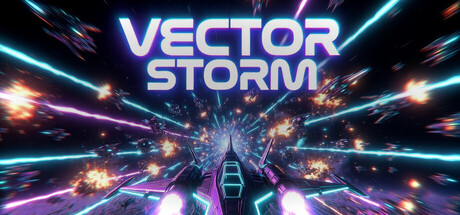
Vector Storm's music is procedurally generated in real time using mathematical audio synthesis — not a generative AI
model. The game contains no AI-generated artwork, dialogue, or other content. AI coding tools were used during
development to assist with programming.
The game's initial photos were taken from free resources and stock photos. AI was used to accelerate image processing to match the game's style, as envisioned by the author.
This game does not use generative AI to create any shipped game assets, including artwork, audio, or other player-facing content. We prioritize human-created assets and content throughout the development process.
We may use AI-powered tools internally to assist with development workflows, research, testing, debugging, automation, marketing, and other backend tasks. These tools are used to support development efficiency and do not generate content that is presented directly to players as part of the game experience.
I have used AI to design some parts of the main menu, data models, design of the multiplayer system and room system and to improve the heuristic armies behavior.
Built solo with Cursor AI, Realmlords is a one-developer passion project: an action roguelite forged through rapid iteration, creative experimentation, and nonstop refinement from a single creator’s vision. Over 2 years in the making.
I created this game in my coding class for school which prioritizes AI coding and development. I have coded a significant portion of this game using artificial tools.
During development, we may use AI-assisted tools to prototype and iterate on content.
All assets in the final game are reviewed, refined, or recreated by our team.
If you spot something that looks like an unfinished AI placeholder, please let us know - we take that seriously.
Generative AI tools were used as part of the development and drafting workflow. Hex Tower Boogie does not generate content during gameplay, does not connect to external AI services, and all shipped/store content is reviewed and curated by the developer.
bossMAN uses generative AI as part of a user-directed software-development workflow.
Some store, brand, or visual materials may have been created or refined with AI-assisted tools and reviewed by the developer before use.
During use, bossMAN may display, organize, summarize, route, or help review AI-generated development output from a separately installed and authenticated user-configured backend, such as Codex, or a user-configured local LLM runtime if supported. This may include coding plans, project summaries, code review notes, command proposals, implementation guidance, documentation drafts, and source-code suggestions.
bossMAN does not include ChatGPT, Codex, OpenAI API access, AI usage credits, paid AI subscriptions, local LLM runtimes, model files, or model licenses. AI-generated output may be incomplete, incorrect, or unsuitable for a user's project, and users should review it for accuracy, relevance, and project fit before using or applying it.
During the development of Super Monsterdoom, generative AI tools were used to support text creation, visual exploration, and mechanical iteration. As a solo developer, these tools were key to accelerating and expanding the process, but every final asset, text, and design decision went through extensive human editing, refinement, and hands-on work.
AI was used during development to help fix scripting errors and improve development efficiency. No AI was used in the creation of the game’s levels, menus, UI, or graphic designs.
AI tools were used to assist with code generation. All visual art is hand-drawn by the developer. All AI-assisted content has been manually reviewed and refined.
Visual AI assets were used to fasten the development process, with caution and help of art direction to keep the sketch art style consistent and avoid being another AI slop game.
AI tools were used during development to assist with writing and improving the game’s C# code. All AI-assisted code was reviewed, manually adjusted, and fully tested by the developer. No AI is used during gameplay, and no AI-generated assets (such as images or sounds) are included in the final game
I use AI to summarize documentation, criticize my code, and help me make sense of error messages.
Sometimes I feel discouraged and I ask AI to write stuff for me. Seeing the garbage it produces makes me feel better, and encourages me to try again :)
Realm of Balls was developed with the help of generative AI tools during production, but the game does not include live AI-generated content for players.
During the development of Hell Cleaners, AI tools were used to create early concepts and references to help explore the visual direction of the game. All final art assets that ship in the game were created, painted, or reworked by hand by our art team. No AI-generated audio, voice, or narrative text is used in the shipped product. We believe games should be made by humans!
The developers describe how their game uses AI Generated Content like this:
During the development process, I may use procedural- and AI-based tools to assist with content creation. In all such cases, the final product reflects the creativity and expression of myself.
As a poor indie developer, on one hand, I’m grateful that AI has lowered my costs and improved my efficiency. On the other hand, I’m very aware of its limitations, so I use it only within a very limited scope. Specifically, it is mainly used to assist with programming and art design. The generated content is never directly put into the game—it always undergoes manual review and refinement.
Generative AI was used in a limited, assistive role during development. All final content has been curated, refined, and approved by the developer to meet the game’s creative direction and quality expectations.
We use AI to code faster and generate placeholder art assets. All the AI-generated art assets (and most of the stock assets) will be replaced before the game is launched. The game design, art direction, and overall vision is all from our (human!) team.
AI-assisted tools were used during development to support some early exploration and temporary development content. Any AI-assisted assets were either replaced or refined by humans in order to maintain the creative and artistic vision of the development team.
This game is the handcrafted work of developer duo. During the development process, generative tools were used as supportive instruments within the creative workflow. The final game experience fully reflects the developer’s original creative vision and craftsmanship.
This game was developed with the assistance of AI-based tools for programming support, debugging, and general development assistance. All content, gameplay design, and final implementation were reviewed and integrated by the developer.
Generative AI tools were used during development to assist with portions of the game's programming workflow, including prototyping, debugging, and code iteration. All code is reviewed, modified, integrated, and validated by the developer.
Vector Storm's music is procedurally generated in real time using mathematical audio synthesis — not a generative AI
model. The game contains no AI-generated artwork, dialogue, or other content. AI coding tools were used during
development to assist with programming.
The game's initial photos were taken from free resources and stock photos. AI was used to accelerate image processing to match the game's style, as envisioned by the author.