Public Steam disclosure research25,383 disclosures tracked
Where do games disclose AI use?
Search developers’ Steam disclosures, compare classified AI use across
games, and follow recorded changes.
This index adds cross-game classifications and statistics to
statements published on individual store pages.
Groups reflect automatic analysis of public disclosures; mature records are excluded. These counts do not measure AI use across all of Steam.
Missing or unclear statements cannot establish whether a game uses AI.
This game uses AI-generated content, including art, music, code, and some narrative text. All AI-generated content has been reviewed, selected, edited, and integrated by the developer.
The overall concept, system design, content structure, debugging, and final quality control were completed independently by the developer.
This game uses AI-generated tools to assist in the creation of certain assets, including music and logo design used in promotional materials such as the trailer. All gameplay content, art direction, and game design are created by the developer.
Since this is a large project for a two-person team, we used AI assistance to refine some code and create certain images that were difficult for us to capture in the real world. All AI-assisted content was reviewed, adjusted, and approved by us before being included in the game.
Generative AI was used to assist in creating a limited amount of pre-rendered visual content, including decorative in-game images, minor visual assets, and prologue background artwork.
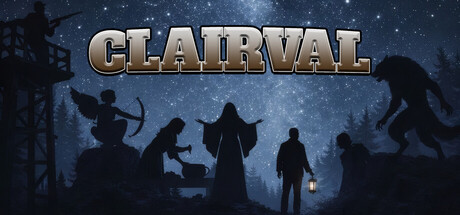
Clairval uses AI in the following limited ways:
1) Optional AI bot players: When a game host enables "Allow AI players", the server may fill empty seats with computer-controlled bot accounts at game start. These bots follow scripted server-side game logic (votes, night actions, chat). They are not powered by generative AI or large language models, and they do not learn from player conversations.
2) AI-generated visual assets (optional): Some provisional role card illustrations (placeholder JPG artwork) were created with AI-assisted tools during development. Final redrafted role cards (PNG) are human-made and always shown. Players can disable display of AI-generated placeholder art at any time in Account Settings → "Display AI-generated content?" (default: hidden until the player opts in).
Clairval does not use generative AI to create in-match dialogue, role assignments, game outcomes, moderation decisions, or real-time gameplay content. All core game rules and results are determined by the game server.
Generative AI was used only for the creation of certain background music tracks. Story, game design, programming, character artwork, and other visual assets were created by the developer.
Some visual and written content in this game was created with the assistance of generative AI during development, then reviewed, edited, and integrated by the developer. The game does not include live-generated AI features, and players cannot generate content during gameplay.
Some of the visual assets such as some of the character designs and images were created with the help of AI and then further modified and implemented by the developer.
Generative AI tools were used during development to assist with the creation and refinement of certain visual assets, audio assets, and written content used in the game, its store page, and marketing materials. This includes AI-assisted images and music. All gameplay systems, programming, level design, game mechanics, story implementation, and final integration of content were created, reviewed, edited, and approved by the developer. The game does not generate AI content during gameplay.
The Moment of Panic uses generative artificial intelligence during gameplay to power its AI advisor characters. These locally running, open-source LLM-based advisors respond to intelligence signals, argue from assigned personalities, and attempt to influence the player’s decisions. Core game logic, threat truth, scoring, win/loss conditions, and outcomes are controlled by the game itself, not by the language model. Generative AI is used for dynamic in-game text responses only, and for some images shown alongside that text. Images are not generated at runtime.
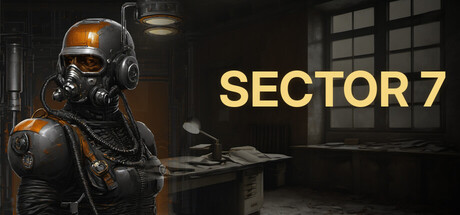
Some of Sector 7's artwork — including its store and marketing images — and its narrative text were created with AI assistance and then reviewed and edited by the developer. Localization into additional languages used AI translation with human review.
The visual assets, audio, music, in-game text, and store page content of this game were created with the help of generative AI tools. All AI-generated content was reviewed, selected, and assembled by the developer. The game's design, code, and systems were created by the developer.
I used chatgpt to remaster some models, and to boost my artwork.
I DID NOT:
- let AI create any new models
- design any of my levels or scripts
- generate voices or music
Some promotional artwork and store graphic backgrounds may include AI-assisted elements. The core gameplay, UI, ships, enemies, mechanics, systems and visual identity are created and edited by the developer using original game assets.
Generative AI was used strictly as an assistive tool during development. It was utilized to help debug code, optimize scripts, and generate minor background visual elements. All core gameplay mechanics, main graphics, story, and game design were created entirely by the developer.
The things the player sees are mostly made manually by humans. But some visuals, like a couple of seamless textures that are used in the environment, were AI-generated and then modified by hand. AI was used to boost productivity generally, so it was used in a lot of workflows here and there to be finish tasks faster.
This game makes use of generative AI as a creative assistant during development. All AI-assisted output is reviewed, edited, and approved by the developer before being included in the final game. No content is generated live during gameplay.
Source code: Drafted with AI coding tools, then reviewed, tested, and integrated by the developer.
Visual assets: All main character designs and key visuals are based on the developer's hand-drawn illustrations. Some assets combine the developer's artwork with AI-assisted generation or refinement.
Scenario text: Story, dialogue, and worldbuilding are written by the developer, with AI used for drafting support, rewriting, and consistency checks.
Music: A portion of the in-game music is produced with AI assistance; the developer selects, edits, and finalizes all tracks used in the game.
Localization: The English translation is produced with AI assistance and reviewed by the developer.
AI was used during development to help fix scripting errors and improve development efficiency. No AI was used in the creation of the game’s levels, menus, UI, or graphic designs.
Generative AI was used to create a small number of pre-rendered images used in optional easter eggs and hidden content. The core gameplay, programming, design, and the majority of the game’s assets were created manually by the developer. The game does not use real-time AI-generated content or AI-driven gameplay systems.
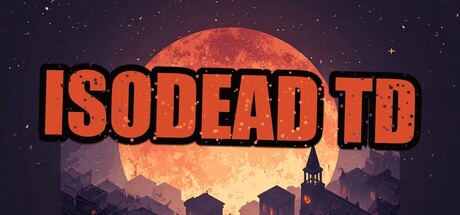
A handful of store and marketing assets for IsoDead TD — achievement icons, store and library capsule artwork, and the stylized lettering used in the trailer — were created with the assistance of generative AI tools and then reviewed and edited by the developer. All in-game content (pixel art, animation, music, code, and gameplay) is hand-crafted without generative AI, and no AI-generated content is created while the game is running.
Visuals:
This game features cinematic visuals crafted through 3D modeling and digital composition, with Photoshop's Generative Fill used selectively for background enhancements and asset integration.
Music:
The soundtrack includes cover versions of the original theme composed by Yasunori Shiono, arranged using Suno with the composer's permission.
I use ElevenLabs to create sound effects as well as the voice changing effects. I recorded the lines in the game and used ElevenLabs to alter my voice into the characters you will here in this game. The main character Mesh, some interactable mesh's as well as the main entity within this game were initially generated in MeshyAI and edited by myself in Blender.
Some visual assets, including certain images and 3D models, were created or assisted using generative AI tools. All assets were reviewed and edited by the developer before being added to the game.
This game includes the use of generative AI tools in the creation of certain visual and audio elements. All content has been curated and integrated by the developer to ensure a cohesive artistic experience.
A few visual assets are hand-drawn but most of the assets were created by either Perchance or ChatGPT and then heavily cleaned/edited in photoshop by myself to fit into the game. Music was created by Suno and edited in Audacity.
Coding was done from scratch, no AI used in that at all.
All visuals in MEMORY DEALER are procedural; there is no AI-generated art. The English and French text was written by the developer. The German, Spanish (Latin America), Brazilian Portuguese and Simplified Chinese localizations were produced with generative AI.
AI Disclosure (for Steam Store Page)
This game uses generative artificial intelligence tools only for certain visual assets on the store page.
Some promotional images and artwork displayed on the Steam store page were created or enhanced with the assistance of AI tools. All such content has been reviewed and curated by the developer to match the intended style and quality.
This game contains pre-generated AI content.
Visual assets, including backgrounds, UI elements, achievement icons, and certain in-game illustrations, were created with the assistance of generative AI tools and integrated into the final game by the developer.
This game contains selected content created with the assistance of generative artificial intelligence tools. This includes certain 3D models, textures, sound effects, and graphical assets that were generated or processed using AI technology, and subsequently reviewed and integrated by our development team.
Generative AI was used as a supplementary tool in the creative process - all content has been manually reviewed, adjusted, and approved by human developers before being included in the game. We do not use generative AI to produce content in real time during gameplay.
This game uses AI-generated content, including art, music, code, and some narrative text. All AI-generated content has been reviewed, selected, edited, and integrated by the developer.
The overall concept, system design, content structure, debugging, and final quality control were completed independently by the developer.
This game uses AI-generated tools to assist in the creation of certain assets, including music and logo design used in promotional materials such as the trailer. All gameplay content, art direction, and game design are created by the developer.
Since this is a large project for a two-person team, we used AI assistance to refine some code and create certain images that were difficult for us to capture in the real world. All AI-assisted content was reviewed, adjusted, and approved by us before being included in the game.
Generative AI was used to assist in creating a limited amount of pre-rendered visual content, including decorative in-game images, minor visual assets, and prologue background artwork.
Clairval uses AI in the following limited ways:
1) Optional AI bot players: When a game host enables "Allow AI players", the server may fill empty seats with computer-controlled bot accounts at game start. These bots follow scripted server-side game logic (votes, night actions, chat). They are not powered by generative AI or large language models, and they do not learn from player conversations.
2) AI-generated visual assets (optional): Some provisional role card illustrations (placeholder JPG artwork) were created with AI-assisted tools during development. Final redrafted role cards (PNG) are human-made and always shown. Players can disable display of AI-generated placeholder art at any time in Account Settings → "Display AI-generated content?" (default: hidden until the player opts in).
Clairval does not use generative AI to create in-match dialogue, role assignments, game outcomes, moderation decisions, or real-time gameplay content. All core game rules and results are determined by the game server.
Generative AI was used only for the creation of certain background music tracks. Story, game design, programming, character artwork, and other visual assets were created by the developer.
Some visual and written content in this game was created with the assistance of generative AI during development, then reviewed, edited, and integrated by the developer. The game does not include live-generated AI features, and players cannot generate content during gameplay.
Some of the visual assets such as some of the character designs and images were created with the help of AI and then further modified and implemented by the developer.
Generative AI tools were used during development to assist with the creation and refinement of certain visual assets, audio assets, and written content used in the game, its store page, and marketing materials. This includes AI-assisted images and music. All gameplay systems, programming, level design, game mechanics, story implementation, and final integration of content were created, reviewed, edited, and approved by the developer. The game does not generate AI content during gameplay.
The Moment of Panic uses generative artificial intelligence during gameplay to power its AI advisor characters. These locally running, open-source LLM-based advisors respond to intelligence signals, argue from assigned personalities, and attempt to influence the player’s decisions. Core game logic, threat truth, scoring, win/loss conditions, and outcomes are controlled by the game itself, not by the language model. Generative AI is used for dynamic in-game text responses only, and for some images shown alongside that text. Images are not generated at runtime.
Some of Sector 7's artwork — including its store and marketing images — and its narrative text were created with AI assistance and then reviewed and edited by the developer. Localization into additional languages used AI translation with human review.
The visual assets, audio, music, in-game text, and store page content of this game were created with the help of generative AI tools. All AI-generated content was reviewed, selected, and assembled by the developer. The game's design, code, and systems were created by the developer.
I used chatgpt to remaster some models, and to boost my artwork.
I DID NOT:
- let AI create any new models
- design any of my levels or scripts
- generate voices or music
Some promotional artwork and store graphic backgrounds may include AI-assisted elements. The core gameplay, UI, ships, enemies, mechanics, systems and visual identity are created and edited by the developer using original game assets.
Generative AI was used strictly as an assistive tool during development. It was utilized to help debug code, optimize scripts, and generate minor background visual elements. All core gameplay mechanics, main graphics, story, and game design were created entirely by the developer.
The things the player sees are mostly made manually by humans. But some visuals, like a couple of seamless textures that are used in the environment, were AI-generated and then modified by hand. AI was used to boost productivity generally, so it was used in a lot of workflows here and there to be finish tasks faster.
This game makes use of generative AI as a creative assistant during development. All AI-assisted output is reviewed, edited, and approved by the developer before being included in the final game. No content is generated live during gameplay.
Source code: Drafted with AI coding tools, then reviewed, tested, and integrated by the developer.
Visual assets: All main character designs and key visuals are based on the developer's hand-drawn illustrations. Some assets combine the developer's artwork with AI-assisted generation or refinement.
Scenario text: Story, dialogue, and worldbuilding are written by the developer, with AI used for drafting support, rewriting, and consistency checks.
Music: A portion of the in-game music is produced with AI assistance; the developer selects, edits, and finalizes all tracks used in the game.
Localization: The English translation is produced with AI assistance and reviewed by the developer.
AI was used during development to help fix scripting errors and improve development efficiency. No AI was used in the creation of the game’s levels, menus, UI, or graphic designs.
Generative AI was used to create a small number of pre-rendered images used in optional easter eggs and hidden content. The core gameplay, programming, design, and the majority of the game’s assets were created manually by the developer. The game does not use real-time AI-generated content or AI-driven gameplay systems.
A handful of store and marketing assets for IsoDead TD — achievement icons, store and library capsule artwork, and the stylized lettering used in the trailer — were created with the assistance of generative AI tools and then reviewed and edited by the developer. All in-game content (pixel art, animation, music, code, and gameplay) is hand-crafted without generative AI, and no AI-generated content is created while the game is running.
Visuals:
This game features cinematic visuals crafted through 3D modeling and digital composition, with Photoshop's Generative Fill used selectively for background enhancements and asset integration.
Music:
The soundtrack includes cover versions of the original theme composed by Yasunori Shiono, arranged using Suno with the composer's permission.
I use ElevenLabs to create sound effects as well as the voice changing effects. I recorded the lines in the game and used ElevenLabs to alter my voice into the characters you will here in this game. The main character Mesh, some interactable mesh's as well as the main entity within this game were initially generated in MeshyAI and edited by myself in Blender.
Some visual assets, including certain images and 3D models, were created or assisted using generative AI tools. All assets were reviewed and edited by the developer before being added to the game.
This game includes the use of generative AI tools in the creation of certain visual and audio elements. All content has been curated and integrated by the developer to ensure a cohesive artistic experience.
A few visual assets are hand-drawn but most of the assets were created by either Perchance or ChatGPT and then heavily cleaned/edited in photoshop by myself to fit into the game. Music was created by Suno and edited in Audacity.
Coding was done from scratch, no AI used in that at all.
All visuals in MEMORY DEALER are procedural; there is no AI-generated art. The English and French text was written by the developer. The German, Spanish (Latin America), Brazilian Portuguese and Simplified Chinese localizations were produced with generative AI.
AI Disclosure (for Steam Store Page)
This game uses generative artificial intelligence tools only for certain visual assets on the store page.
Some promotional images and artwork displayed on the Steam store page were created or enhanced with the assistance of AI tools. All such content has been reviewed and curated by the developer to match the intended style and quality.
This game contains pre-generated AI content.
Visual assets, including backgrounds, UI elements, achievement icons, and certain in-game illustrations, were created with the assistance of generative AI tools and integrated into the final game by the developer.
This game contains selected content created with the assistance of generative artificial intelligence tools. This includes certain 3D models, textures, sound effects, and graphical assets that were generated or processed using AI technology, and subsequently reviewed and integrated by our development team.
Generative AI was used as a supplementary tool in the creative process - all content has been manually reviewed, adjusted, and approved by human developers before being included in the game. We do not use generative AI to produce content in real time during gameplay.