Public Steam disclosure research25,380 disclosures tracked
Where do games disclose AI use?
Search developers’ Steam disclosures, compare classified AI use across
games, and follow recorded changes.
This index adds cross-game classifications and statistics to
statements published on individual store pages.
Groups reflect automatic analysis of public disclosures; mature records are excluded. These counts do not measure AI use across all of Steam.
Missing or unclear statements cannot establish whether a game uses AI.
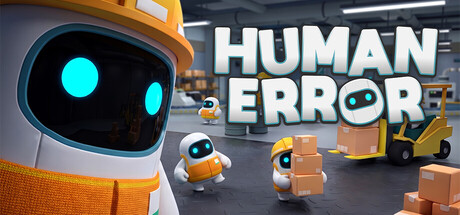
Human Error utilizes cloud based generative AI to power the dialogue and interrogation systems of its robotic characters. During the Debrief Session, an integrated model generates text responses based on your performance metrics in the preceding tasks. This technology is used to create dynamic, unscripted confrontations where the machines analyze your behavior and react to your input in real time.
The game generates text-based dialogue during the social deduction phase. This content is created in real time using your performance data (movement patterns, task efficiency, and error logs). This process requires an active internet connection to communicate with our cloud hosted AI systems. We have implemented guardrails to ensure the AI remains within the thematic boundaries of the game.
To maintain high quality interactions and manage operational costs, gameplay is limited to 25 games per day per user. This ensures that our cloud-based AI systems remain available and responsive for all players.
Some game artwork and visual assets were created with the assistance of generative AI tools. All AI-generated content was reviewed and curated by the developer.
This game uses generative AI in parts of the development process. Claude was used for programming assistance, ChatGPT Images for creating and refining some visual assets, and Suno for producing some music.
All AI-assisted content was reviewed, selected, and modified as necessary by the developer before being included in the game.
The game does not generate content or code with AI during gameplay and does not connect to external AI services.
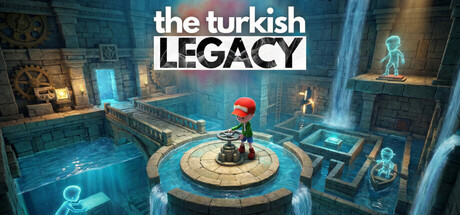
Our core development is currently taking place in Unreal Engine 5.7. We are utilizing its full suite of tools, including the new AI features that assist us with Blueprint scripting and setting up cinematics in the Movie Render Queue.
Overall, we treat AI strictly as an assistive tool rather than relying on it to fully generate assets from scratch. Since our game is deeply rooted in folklore, it demands highly specific characteristics and a precise visual identity for the characters, which AI alone cannot accurately reproduce.
We use generative AI tools to enhance the visual quality of our in-game cutscenes and to create some of the marketing assets featured on our Steam store page. All AI-generated content has been carefully curated and edited by our development team to ensure it meets our creative standards and respects all legal requirements.
A single 3D model in the game was initially generated using an AI-assisted tool during early development. This asset was extensively modified, refined, and finalized manually using 3D software by the developer.
No AI is used during gameplay, and the game does not generate any content in real-time.
AI generative models were used to create localization files to support languages that would otherwise be difficult for a solo developer. Placeholder AI-generated assets have been created for the Steam store splash images, with the intent of commissioning an artist if this gains community support. All in-game assets (sprites, music, sound effects, UI elements, and interactive content) were created by humans and are credited in the game credits. CPU opponents use traditional game AI algorithms, not generative AI models.
This is the third iteration of development, that was originally developed in 2019 with HTML + JS, then rebuilt in Unity, and then transferred to LOVE2D written in Lua. It was more-or-less built with a box of scraps in a cave in its first iterations, and modern software since those days have effectively blurred the line where task automation meets unethical AI consumption.
It's up to each of us to determine where that line is for ourselves in a rapidly changing digital age. As both a solo game dev and multimedia artist carrying a full-time job in neither of those fields, I feel that it's important to be educating ourselves on where AI can be a useful tool to allow new opportunities and expand capabilities for independent creators that are otherwise untenable, while keeping the human side of game dev at its core, especially in the indie genre.
The game is being developed by a small team. To speed up development, we used artificial intelligence for character design. We'll also be using AI for voiceovers and other features in the game.
To ensure the best quality for Velocide Overdrive, generative AI was used as a supportive tool in the development process:
- Visual Assets: A very small number of icons and static images were initially generated using AI, then manually retouched and integrated. The vast majority of the game's visuals are procedurally generated via code or created manually.
- Audio: The soundtrack and effects are a blend of human creation and AI-assisted composition. Some AI-generated audio elements have been manually modified, mixed, and finalized by the developer to ensure they perfectly match the gameplay experience.
- Code & Testing: AI tools were utilized to assist with coding logic, debugging, and optimization to ensure game stability.
All AI-assisted content in this game is pre-rendered and has been reviewed by the developer.
Generative AI tools were used during the development of this game. Specifically, AI was utilized for icon images, promotional trailers, and the ending cinematic sequences. All AI-generated content has been manually reviewed and refined by the development team to ensure quality and copyright compliance.
Was used as a supportive tool during the development of this game in the following ways:
Technical Development: AI assisted in debugging gameplay logic, optimizing Steam API integration, and refactoring controller code to ensure a smoother, modular experience.
Language & Planning: AI was used to refine in-game text for better clarity and to help structure the implementation of game mechanics.
Visual Assets: Certain environment textures and icons were refined and polished using AI tools to improve consistency and/or detail.
NOTE: All AI-generated elements were manually reviewed and integrated by the developer to maintain the game's vision and direction.
Generative AI tools were used to assist in the creation of certain visual and audio assets (such as background artwork and music), which were subsequently edited and finalized manually before being included in the game and store materials.
Some of the game’s word lists were filtered and generated with the help of generative AI (e.g., compiling candidate words and removing unsuitable entries). We then manually review and refine the results to ensure quality and a consistent gameplay experience. Other core game content is not generated by AI.
During the development of the project, generative artificial intelligence was used as a supporting tool, assisting in the preparation of certain materials, which were then manually reviewed and integrated into the game. An example of its use includes localization and translations into individual languages.
Some of the game's visual elements were created using AI tools during the development stage (for example, the design of Albums). Artists manually refined all such materials. Generative AI is not used in the gameplay and does not generate any content during the game.
Generative AI tools were used exclusively for the creation of certain store page visuals (such as promotional or illustrative images).
All AI-assisted visuals were reviewed, refined, and finalized by our artists before publication. No gameplay content, in-game assets, or core game elements were created using AI.
AI was used strictly as a supportive tool for marketing visuals.
Generative AI tools are used in a limited capacity during development for coding assistance and early prototyping.
AI may occasionally be used to help generate placeholder assets during experimentation and iteration. Any such placeholder content is intended to be replaced with original, hand-crafted assets before release.
No generative AI content is intended to appear in the final shipped game.
We've harnessed the power of Generative AI technology to create several of our game's unique theme background artworks, enhancing your gaming experience with visually stunning designs.
The 3D models are standard purchased assets (e.g., Synty Studios) and are NOT AI-generated.
Generative AI tools (e.g., ChatGPT) were used to assist in writing parts of the game code during development.
The background music tracks and sound effects were created using generative AI tools.
Additionally, some marketing materials on the Store Page (such as the logo and capsule artwork) were created using generative AI tools.
Some artwork used on the Steam store page and marketing materials for this game was created with the assistance of generative AI tools. The game itself does not contain any AI-generated or AI-driven content.
AI-generated content includes:
* Promotional graphics for the Steam Store page. (GPT)
* UI icons and game main icon. (GPT)
* Initial translations for in-game text. (GPT)
* Voice synthesis for the "Rabbit" character. (ElevenLabs)
Human Error utilizes cloud based generative AI to power the dialogue and interrogation systems of its robotic characters. During the Debrief Session, an integrated model generates text responses based on your performance metrics in the preceding tasks. This technology is used to create dynamic, unscripted confrontations where the machines analyze your behavior and react to your input in real time.
The game generates text-based dialogue during the social deduction phase. This content is created in real time using your performance data (movement patterns, task efficiency, and error logs). This process requires an active internet connection to communicate with our cloud hosted AI systems. We have implemented guardrails to ensure the AI remains within the thematic boundaries of the game.
To maintain high quality interactions and manage operational costs, gameplay is limited to 25 games per day per user. This ensures that our cloud-based AI systems remain available and responsive for all players.
Some game artwork and visual assets were created with the assistance of generative AI tools. All AI-generated content was reviewed and curated by the developer.
This game uses generative AI in parts of the development process. Claude was used for programming assistance, ChatGPT Images for creating and refining some visual assets, and Suno for producing some music.
All AI-assisted content was reviewed, selected, and modified as necessary by the developer before being included in the game.
The game does not generate content or code with AI during gameplay and does not connect to external AI services.
Our core development is currently taking place in Unreal Engine 5.7. We are utilizing its full suite of tools, including the new AI features that assist us with Blueprint scripting and setting up cinematics in the Movie Render Queue.
Overall, we treat AI strictly as an assistive tool rather than relying on it to fully generate assets from scratch. Since our game is deeply rooted in folklore, it demands highly specific characteristics and a precise visual identity for the characters, which AI alone cannot accurately reproduce.
We use generative AI tools to enhance the visual quality of our in-game cutscenes and to create some of the marketing assets featured on our Steam store page. All AI-generated content has been carefully curated and edited by our development team to ensure it meets our creative standards and respects all legal requirements.
A single 3D model in the game was initially generated using an AI-assisted tool during early development. This asset was extensively modified, refined, and finalized manually using 3D software by the developer.
No AI is used during gameplay, and the game does not generate any content in real-time.
AI generative models were used to create localization files to support languages that would otherwise be difficult for a solo developer. Placeholder AI-generated assets have been created for the Steam store splash images, with the intent of commissioning an artist if this gains community support. All in-game assets (sprites, music, sound effects, UI elements, and interactive content) were created by humans and are credited in the game credits. CPU opponents use traditional game AI algorithms, not generative AI models.
This is the third iteration of development, that was originally developed in 2019 with HTML + JS, then rebuilt in Unity, and then transferred to LOVE2D written in Lua. It was more-or-less built with a box of scraps in a cave in its first iterations, and modern software since those days have effectively blurred the line where task automation meets unethical AI consumption.
It's up to each of us to determine where that line is for ourselves in a rapidly changing digital age. As both a solo game dev and multimedia artist carrying a full-time job in neither of those fields, I feel that it's important to be educating ourselves on where AI can be a useful tool to allow new opportunities and expand capabilities for independent creators that are otherwise untenable, while keeping the human side of game dev at its core, especially in the indie genre.
The game is being developed by a small team. To speed up development, we used artificial intelligence for character design. We'll also be using AI for voiceovers and other features in the game.
To ensure the best quality for Velocide Overdrive, generative AI was used as a supportive tool in the development process:
- Visual Assets: A very small number of icons and static images were initially generated using AI, then manually retouched and integrated. The vast majority of the game's visuals are procedurally generated via code or created manually.
- Audio: The soundtrack and effects are a blend of human creation and AI-assisted composition. Some AI-generated audio elements have been manually modified, mixed, and finalized by the developer to ensure they perfectly match the gameplay experience.
- Code & Testing: AI tools were utilized to assist with coding logic, debugging, and optimization to ensure game stability.
All AI-assisted content in this game is pre-rendered and has been reviewed by the developer.
Generative AI tools were used during the development of this game. Specifically, AI was utilized for icon images, promotional trailers, and the ending cinematic sequences. All AI-generated content has been manually reviewed and refined by the development team to ensure quality and copyright compliance.
Was used as a supportive tool during the development of this game in the following ways:
Technical Development: AI assisted in debugging gameplay logic, optimizing Steam API integration, and refactoring controller code to ensure a smoother, modular experience.
Language & Planning: AI was used to refine in-game text for better clarity and to help structure the implementation of game mechanics.
Visual Assets: Certain environment textures and icons were refined and polished using AI tools to improve consistency and/or detail.
NOTE: All AI-generated elements were manually reviewed and integrated by the developer to maintain the game's vision and direction.
Generative AI tools were used to assist in the creation of certain visual and audio assets (such as background artwork and music), which were subsequently edited and finalized manually before being included in the game and store materials.
Some of the game’s word lists were filtered and generated with the help of generative AI (e.g., compiling candidate words and removing unsuitable entries). We then manually review and refine the results to ensure quality and a consistent gameplay experience. Other core game content is not generated by AI.
During the development of the project, generative artificial intelligence was used as a supporting tool, assisting in the preparation of certain materials, which were then manually reviewed and integrated into the game. An example of its use includes localization and translations into individual languages.
Some of the game's visual elements were created using AI tools during the development stage (for example, the design of Albums). Artists manually refined all such materials. Generative AI is not used in the gameplay and does not generate any content during the game.
Generative AI tools were used exclusively for the creation of certain store page visuals (such as promotional or illustrative images).
All AI-assisted visuals were reviewed, refined, and finalized by our artists before publication. No gameplay content, in-game assets, or core game elements were created using AI.
AI was used strictly as a supportive tool for marketing visuals.
Generative AI tools are used in a limited capacity during development for coding assistance and early prototyping.
AI may occasionally be used to help generate placeholder assets during experimentation and iteration. Any such placeholder content is intended to be replaced with original, hand-crafted assets before release.
No generative AI content is intended to appear in the final shipped game.
We've harnessed the power of Generative AI technology to create several of our game's unique theme background artworks, enhancing your gaming experience with visually stunning designs.
The 3D models are standard purchased assets (e.g., Synty Studios) and are NOT AI-generated.
Generative AI tools (e.g., ChatGPT) were used to assist in writing parts of the game code during development.
The background music tracks and sound effects were created using generative AI tools.
Additionally, some marketing materials on the Store Page (such as the logo and capsule artwork) were created using generative AI tools.
Some artwork used on the Steam store page and marketing materials for this game was created with the assistance of generative AI tools. The game itself does not contain any AI-generated or AI-driven content.
AI-generated content includes:
* Promotional graphics for the Steam Store page. (GPT)
* UI icons and game main icon. (GPT)
* Initial translations for in-game text. (GPT)
* Voice synthesis for the "Rabbit" character. (ElevenLabs)