Public Steam disclosure research25,497 disclosures tracked
Where do games disclose AI use?
Search developers’ Steam disclosures, compare classified AI use across
games, and follow recorded changes.
This index adds cross-game classifications and statistics to
statements published on individual store pages.
Groups reflect automatic analysis of public disclosures; mature records are excluded. These counts do not measure AI use across all of Steam.
Missing or unclear statements cannot establish whether a game uses AI.
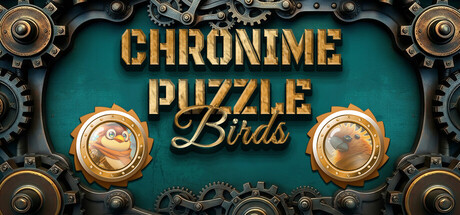
Generative AI tools were used during development to assist with creating certain puzzle artworks, background visuals, and ambient music tracks. The game does not feature any real-time, live AI generation while playing.
Pre-generated AI tools were used during development to assist with portions of source code and localization, and to create the store capsule/key artwork. All outputs were reviewed, edited, and curated by the developers. The game's playable visuals are rendered procedurally by the shipped code. The product contains no live-generative AI, does not accept AI prompts from players, and does not send player data to an AI service.
Generative AI tools assisted with drafting store page copy and written marketing material and some graphic items. The game itself contains no AI-generated content.
AI is used to generate concept art, 3D models, audio, and Steam store images. Models are manually refined and hand-textured. No AI content is generated during gameplay.
Generative AI was used during development for early visual exploration and as a creative assistance tool. Any AI-assisted visual material included in the game or store assets is substantially edited and art-directed by the developer. Final game art, visual design, and implementation are created and curated by the developer. No generative AI is used during gameplay.
Parts of this game's art, music and translations were created with AI tools during development and edited by hand. They ship as fixed assets — nothing is generated by AI while you play.
Some of this game's artwork - the Steam achievement icons and a number of interface icons - was created with a generative image model, then hand-selected, cropped and colour-matched by the developer. In-game text and the English localisation were also drafted with AI assistance and reviewed by the developer. The game does not generate any content while you play, and it does not connect to any AI service.
We are actively working to replace all placeholder AI art before launch. While we aim for a fully human-crafted experience, a few minor assets may still remain at release.
AI tools were also used to assist with localizing the game and store page.
All 3D in-game art was created by human artists or derived from real-world museum photoscans. (See the credits menu for full attributions.)
Some art assets, sound effects and narrative materials were pre‑generated with AI tools during development. No AI‑generated content is created in real‑time during gameplay.
The images currently used on the Steam store page, including the capsule art, were generated using AI. All of these images will be replaced with final, original artwork when the game demo is released.
No AI-generated assets are used in the game itself.
AI-generated content is used during development as temporary placeholder material. Nearly all of it has already been replaced, and the final game will contain only original artwork created by human artists.
Store page text (the short and long descriptions) was drafted with the help of a generative AI language model, then reviewed and edited by the developer before publication.
All art and audio that ships inside the game is human-made and licensed: the creature-family icons are by Lorc and Delapouite from game-icons.net (CC BY 3.0), and the sound effects are by Kenney (CC0). The store and library capsule images were composed programmatically from the game's own icon.
The game generates no content at runtime.
Since we’re a very small team, we use generative AI for a small part of the development process, for example, to create graphical placeholders like icons or background images, or to localize newly added text. The vast majority of the game was localized by humans; only new text is machine-translated in order to include as many players as possible.
The voice in the game is text-to-speech, not AI.
AI tools were used during development to assist with parts of the workflow, including code, materials, graphics, and other production tasks. All generated content was reviewed, adjusted, integrated, and refined as part of the game’s development process.
Some art assets in this game were created with the assistance of generative AI. AI-assisted tools were also used in the translation and localization of the English text. In addition, AI was used to assist with certain programming tasks during development. All AI-assisted output included in the game was manually reviewed, edited, and integrated by the developer.
AI tools were used during development to assist with code, artwork, music, and other production tasks. All creative direction, design decisions, implementation, integration, testing, and final selection of content were handled by the developer.
In the interest of transparency, illustrations were created with the help of AI-assisted tools, used as creative support within a human-led artistic process.
Some of the game's 2D art — backgrounds, obstacle textures, sticker
illustrations and the logo — was created with the help of generative AI
tools during development. All of it was reviewed, edited and assembled by
the developer. Part of the game's source code was also written with AI
assistance. The game itself contains no AI models and generates nothing at
runtime: every asset ships as a fixed file.
All in-game visual and audio assets are procedurally generated by code at runtime. The build contains no pre-rendered AI, painted, or recorded media files.
AI (Anthropic's Claude) was used during development only to help draft source code and in-game text, which was manually reviewed and edited. No AI services are accessed while running the game. The only third-party assets are two open-license fonts designed by human artists.
Generative AI was used during development to create and refine some pre-generated artwork, character animation source material, written content, localization, and marketing scenes. All such content was reviewed, selected, and fixed before release. The game does not generate content with AI during play and does not include AI chat.
Pre-generated AI-assisted artwork is used for selected character portraits, property and location imagery, career and education illustrations, and promotional materials. All such content is reviewed and curated by the developer before inclusion. The game does not generate AI content during gameplay.
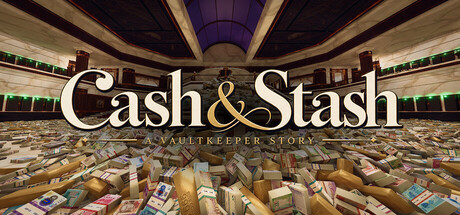
During the development of Cash & Stash: A Vaultkeeper Story, we used tools that include AI-assisted features to help streamline production. However, no game content was created using generative AI.
Some of the artwork and images in this game were created using generative AI. AI was used as a tool during development to create visual assets used in the game and its store presentation.
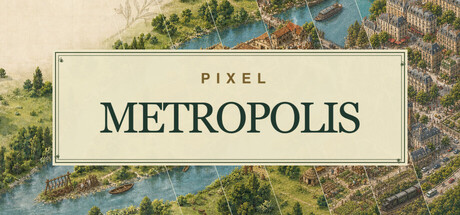
Pixel Metropolis is a human-designed, AI-implemented game. As its sole human creator, I am responsible for the game’s design, systems, architecture, quality assurance, extensive testing, art direction, and sound direction.
Codex, primarily using OpenAI’s GPT-5.6 Sol model, has generated all of the game’s code and has been used to direct the creation and implementation of its visual and sound assets. The only non-generated assets are a small selection of CC0 sounds.
Pocket Beasts uses generative AI tools to assist in the creation of some visual assets, including creature and character artwork, in portions of the game's text and localization, and in some of the game's sound, including background music. Not all assets are AI-generated; some artwork is sourced from purchased assets. All AI-assisted content is reviewed and edited by the development team. No content is generated live during gameplay — all assets are pre-rendered — and the game does not connect to any external AI service at runtime.
Parts of this game's text were created with the assistance of generative AI: the translation of the interface into several of its 13 supported languages, and portions of the store page text. All in-game art, music and sound effects are procedurally generated by hand-written code, not by AI, and no AI-generated content is created while you play.
Some of the text in this product was drafted with generative AI and then edited by the developer: parts of this store page description and some in-game text. Parts of the source code were also written with AI coding assistance and reviewed by hand.
The art, 3D models, animation and audio in this game are not AI-generated, and no generative AI runs while you play.
Generative AI tools were used during development to assist with selected visual assets and promotional materials. All AI-assisted content was reviewed and refined by the developer before use.
Some pre-generated 2D artwork assets were created with the assistance of generative AI tools during development. These AI-assisted drafts were used as a starting point for cat sprites, adoption box artwork, icons, capsule images, trailer visuals, and some store screenshots. All final assets were selected, edited, adjusted, and reviewed by the developer before being included in the product. The game does not generate AI content during gameplay and does not connect to external AI services.
This game uses AI-assisted tools during the development process to support the solo developer's workflow:
- 2D Art & Textures: Some background textures, UI elements, and concept art references were initially drafted using AI tools, followed by extensive manual repainting, editing, and refinement. All character designs, 3D models, are fully crafted and hand-painted by human artists. The story context is designed by myself.
- Audio: Certain background music tracks and ambient prototypes were generated with AI assistance. Character voice acting in story and core themes are produced by human creators.
No real-time (live-generated) AI is used during runtime.
Generative AI tools were used during development to assist with creating certain puzzle artworks, background visuals, and ambient music tracks. The game does not feature any real-time, live AI generation while playing.
Pre-generated AI tools were used during development to assist with portions of source code and localization, and to create the store capsule/key artwork. All outputs were reviewed, edited, and curated by the developers. The game's playable visuals are rendered procedurally by the shipped code. The product contains no live-generative AI, does not accept AI prompts from players, and does not send player data to an AI service.
Generative AI tools assisted with drafting store page copy and written marketing material and some graphic items. The game itself contains no AI-generated content.
AI is used to generate concept art, 3D models, audio, and Steam store images. Models are manually refined and hand-textured. No AI content is generated during gameplay.
Generative AI was used during development for early visual exploration and as a creative assistance tool. Any AI-assisted visual material included in the game or store assets is substantially edited and art-directed by the developer. Final game art, visual design, and implementation are created and curated by the developer. No generative AI is used during gameplay.
Parts of this game's art, music and translations were created with AI tools during development and edited by hand. They ship as fixed assets — nothing is generated by AI while you play.
Some of this game's artwork - the Steam achievement icons and a number of interface icons - was created with a generative image model, then hand-selected, cropped and colour-matched by the developer. In-game text and the English localisation were also drafted with AI assistance and reviewed by the developer. The game does not generate any content while you play, and it does not connect to any AI service.
We are actively working to replace all placeholder AI art before launch. While we aim for a fully human-crafted experience, a few minor assets may still remain at release.
AI tools were also used to assist with localizing the game and store page.
All 3D in-game art was created by human artists or derived from real-world museum photoscans. (See the credits menu for full attributions.)
Some art assets, sound effects and narrative materials were pre‑generated with AI tools during development. No AI‑generated content is created in real‑time during gameplay.
The images currently used on the Steam store page, including the capsule art, were generated using AI. All of these images will be replaced with final, original artwork when the game demo is released.
No AI-generated assets are used in the game itself.
AI-generated content is used during development as temporary placeholder material. Nearly all of it has already been replaced, and the final game will contain only original artwork created by human artists.
Store page text (the short and long descriptions) was drafted with the help of a generative AI language model, then reviewed and edited by the developer before publication.
All art and audio that ships inside the game is human-made and licensed: the creature-family icons are by Lorc and Delapouite from game-icons.net (CC BY 3.0), and the sound effects are by Kenney (CC0). The store and library capsule images were composed programmatically from the game's own icon.
The game generates no content at runtime.
Since we’re a very small team, we use generative AI for a small part of the development process, for example, to create graphical placeholders like icons or background images, or to localize newly added text. The vast majority of the game was localized by humans; only new text is machine-translated in order to include as many players as possible.
The voice in the game is text-to-speech, not AI.
AI tools were used during development to assist with parts of the workflow, including code, materials, graphics, and other production tasks. All generated content was reviewed, adjusted, integrated, and refined as part of the game’s development process.
Some art assets in this game were created with the assistance of generative AI. AI-assisted tools were also used in the translation and localization of the English text. In addition, AI was used to assist with certain programming tasks during development. All AI-assisted output included in the game was manually reviewed, edited, and integrated by the developer.
AI tools were used during development to assist with code, artwork, music, and other production tasks. All creative direction, design decisions, implementation, integration, testing, and final selection of content were handled by the developer.
In the interest of transparency, illustrations were created with the help of AI-assisted tools, used as creative support within a human-led artistic process.
Some of the game's 2D art — backgrounds, obstacle textures, sticker
illustrations and the logo — was created with the help of generative AI
tools during development. All of it was reviewed, edited and assembled by
the developer. Part of the game's source code was also written with AI
assistance. The game itself contains no AI models and generates nothing at
runtime: every asset ships as a fixed file.
All in-game visual and audio assets are procedurally generated by code at runtime. The build contains no pre-rendered AI, painted, or recorded media files.
AI (Anthropic's Claude) was used during development only to help draft source code and in-game text, which was manually reviewed and edited. No AI services are accessed while running the game. The only third-party assets are two open-license fonts designed by human artists.
Generative AI was used during development to create and refine some pre-generated artwork, character animation source material, written content, localization, and marketing scenes. All such content was reviewed, selected, and fixed before release. The game does not generate content with AI during play and does not include AI chat.
Pre-generated AI-assisted artwork is used for selected character portraits, property and location imagery, career and education illustrations, and promotional materials. All such content is reviewed and curated by the developer before inclusion. The game does not generate AI content during gameplay.
During the development of Cash & Stash: A Vaultkeeper Story, we used tools that include AI-assisted features to help streamline production. However, no game content was created using generative AI.
Some of the artwork and images in this game were created using generative AI. AI was used as a tool during development to create visual assets used in the game and its store presentation.
Pixel Metropolis is a human-designed, AI-implemented game. As its sole human creator, I am responsible for the game’s design, systems, architecture, quality assurance, extensive testing, art direction, and sound direction.
Codex, primarily using OpenAI’s GPT-5.6 Sol model, has generated all of the game’s code and has been used to direct the creation and implementation of its visual and sound assets. The only non-generated assets are a small selection of CC0 sounds.
Pocket Beasts uses generative AI tools to assist in the creation of some visual assets, including creature and character artwork, in portions of the game's text and localization, and in some of the game's sound, including background music. Not all assets are AI-generated; some artwork is sourced from purchased assets. All AI-assisted content is reviewed and edited by the development team. No content is generated live during gameplay — all assets are pre-rendered — and the game does not connect to any external AI service at runtime.
Parts of this game's text were created with the assistance of generative AI: the translation of the interface into several of its 13 supported languages, and portions of the store page text. All in-game art, music and sound effects are procedurally generated by hand-written code, not by AI, and no AI-generated content is created while you play.
Some of the text in this product was drafted with generative AI and then edited by the developer: parts of this store page description and some in-game text. Parts of the source code were also written with AI coding assistance and reviewed by hand.
The art, 3D models, animation and audio in this game are not AI-generated, and no generative AI runs while you play.
Generative AI tools were used during development to assist with selected visual assets and promotional materials. All AI-assisted content was reviewed and refined by the developer before use.
Some pre-generated 2D artwork assets were created with the assistance of generative AI tools during development. These AI-assisted drafts were used as a starting point for cat sprites, adoption box artwork, icons, capsule images, trailer visuals, and some store screenshots. All final assets were selected, edited, adjusted, and reviewed by the developer before being included in the product. The game does not generate AI content during gameplay and does not connect to external AI services.
This game uses AI-assisted tools during the development process to support the solo developer's workflow:
- 2D Art & Textures: Some background textures, UI elements, and concept art references were initially drafted using AI tools, followed by extensive manual repainting, editing, and refinement. All character designs, 3D models, are fully crafted and hand-painted by human artists. The story context is designed by myself.
- Audio: Certain background music tracks and ambient prototypes were generated with AI assistance. Character voice acting in story and core themes are produced by human creators.
No real-time (live-generated) AI is used during runtime.