








Disclosure
AI used for graphics, translations, and sounds.
- Creator
- Kemonocept
- Reviews
- -
- Added
- Sep 18, 2026
Public Steam disclosure research 25,383 disclosures tracked
Search developers’ Steam disclosures, compare classified AI use across games, and follow recorded changes. This index adds cross-game classifications and statistics to statements published on individual store pages.
Code help, debugging and other development work.
Capsule art, trailers and promotional material.
Pre-made art, audio, writing and other game assets.
Interactive or runtime AI features disclosed by the developer.
Groups reflect automatic analysis of public disclosures; mature records are excluded. These counts do not measure AI use across all of Steam. Missing or unclear statements cannot establish whether a game uses AI.
AI used for graphics, translations, and sounds.
The logo on our store images was created with generative AI.
We may use AI to speed up creation of marketing materials and how even we should do that "marketing". And we may use AI for finding new ways to write better code, AI may analyze our code and so on. That's pretty ok that days, especially for free project that runs by enthusiasts. So please review our final work, that's what matters.
Some icons, sounds and translations were created with AI.
Some of Tessera's assets - including monster and character artwork, background art, gem and tile art, certain UI icons, and some audio - were created with the assistance of generative AI tools (Google Gemini) during development. These assets were reviewed, edited, curated, and integrated by the developer. Tessera does NOT generate any AI content live during gameplay; all AI-assisted content is pre-made and fixed in the build.
War of the Watchers uses generative AI in two places. Both are pre-generated before release and ship as fixed files; nothing is generated while you play. Character dialogue is voiced using AI text-to-speech. Every line was written by the developer, and the tool performs those written lines. Each take is recorded before release and ships as an audio file. Some promotional artwork, including the key art and store capsules, was produced with AI image tools and then edited by the developer. Game code, level design and all in-game visuals are hand-authored. No content is generated during gameplay.
This game and its store page use generative AI-assisted content, including artwork, music, sound, and other creative assets. Assets are created or assisted with AI tools, then curated and implemented by the developer. No live AI-generated player content is used during gameplay.
SignalLost uses generative AI only during development to create and refine selected 2D artwork, promotional images, and trailer assets. No AI content is generated during gameplay, and the game does not connect to external AI services. All shipped assets are reviewed, edited, and integrated by the developer before release.
Some 2D sprites, sound effects, and music tracks were created with the assistance of generative AI tools during development and were manually reviewed and edited by the developer.
AI (Image Generation) was used only for the images on the mode selection screen.
AI was used to create write parts of the game code and scripting, to refine mech textures, and for voiceover and audio content - to be used as placeholders while in playtests.
We use generative AI to support the creation of promotional materials, translations, selected artwork, music, and sound effects. These tools help bring our ideas to life, while the game’s creative direction and final decisions will always remain in human hands.
Some localization, marketing material and some art are drafted with AI first then brought to its final version.
Generative AI tools were used during development to assist in creating some pre-generated visual assets and background music. All AI-assisted content was reviewed and selected by the development team before being included in the game. Arcane Library does not generate AI content during gameplay and does not connect to external AI services while running.
We use generative AI to assist with visuals, writing, and translation. No generative AI is used during gameplay.
AI-assisted tools supported the creation of visual concepts.
We used AI for composing music themes for the game, as well as for some graphic elements, like for example the trailer.
This game began with my idea, brought to life over many weeks using generative AI to create its code, artwork, audio, and promotional materials. These tools made it possible for me to build the game without a programming background. All AI-generated content was created during development. The game does not generate AI content while you build towards your achievements.
The Therapist was developed with the assistance of generative AI tools. AI was used to assist with programming and to generate certain visual and audio assets included in the game. The game's core concept, narrative direction, game design, mechanics, and creative direction were conceived and developed by the game's creator. AI-generated assets were selected, edited, integrated, and directed as part of the game's overall creative process.
Generative AI tools were used during development to create some of the game art assets, and written content and localization translations. AI tools were also used for coding assistance and debugging. The developer selected, adapted, and integrated these outputs into the game and its promotional materials. The game does not generate content using generative AI during gameplay or connect to external generative AI services.
Grindveil's art is made with generative AI tools. We generate, then pick, crop, recolour and optimise every piece by hand before it ships, and we throw out the ones that do not fit. The same goes for part of the writing: item and location names, some of the lore in the in-game Codex, and the interface translations for our fourteen languages are drafted with AI help and reviewed by us. Nothing is generated while you play. No AI runs on your machine, nothing you type is sent to an AI service, and every image and every line of text in the game was made and checked before release.
Some of the content in Abyss Floors was created with the help of generative AI tools, always under the developer's direction and review: Text — Portions of the game's descriptive and flavor text (item and ability descriptions, interface copy, and atmospheric lore lines) were drafted with AI assistance and edited by the developer. Store & branding art — The store-page capsules, library images, and other branding graphics were produced with AI-assisted tools. Abyss Floors is a text- and table-driven simulation, so there is no AI-generated illustrated art in actual gameplay, and all screenshots on this page are captured directly from the live game. The game's design, balance, systems, and code are the developer's own, with AI used as a development aid rather than to generate gameplay content.
Some 2D artwork in this game (store artwork and in-game character portraits) was drafted with generative AI tools, then curated and edited by the developers. No AI content is generated during gameplay.
Desmarchon currently includes pre-generated AI images for the store page and achievement images, as well as AI-generated promotional artwork and icons, and some text. Everything has been reviewed by a human.
Puzzle grids are constructed using Crossword Compiler, a conventional (non-AI) crossword construction tool. AI tools were used to assist in drafting clue text, which was then rewritten and reviewed by hand before inclusion. Every clue and answer that ships in the game has been checked by an individual human for accuracy, solvability, and quality. No content is generated during gameplay.
Generative AI was used to assist in the creation of some promotional artwork for the Steam store page, including capsule and library artwork. AI is not used to generate content during gameplay.
We occasionally used generative AI as an assistive tool to refine certain visual assets, enhance texture resolutions, and process minor audio elements. These tools were used sparingly to support our production workflow, and all final content has been manually reviewed and polished by our team to ensure it meets our quality and legal standards.
Junkyard Astronauts was developed with substantial help from an AI coding assistant (Claude), directed and reviewed by the developer. Specifically: the game's code was largely written with AI assistance; the 3D models, textures and yard layouts are produced by procedural generator scripts written with AI assistance; the sound effects are built from licensed, human-recorded sound libraries (Sonniss GDC bundles, Kenney) assembled and mixed by scripted tools written with AI assistance; the soundtrack is composed and rendered by a music engine written with AI assistance; parts of the store text and the achievement names were drafted with AI assistance. Everything was reviewed, edited and play-tested by the developer before shipping. No AI service is used during gameplay, and no content is generated at runtime. No AI-generated content imitates a real person or a third party's protected work.
Part of the audio in this game is generated with AI: the music and some of the sound effects. Part of the source code was also created with the help of AI during development, particularly to generate certain portions of code, fix errors, and assist with the implementation of certain features. The code used in the game is then reviewed, modified, and integrated manually. Everything else is handmade: the monsters are drawn by hand and then recreated in 3D, the textures are hand-painted and sometimes slightly enhanced, the 3D models are procedural, every line of text in the game is written by me, the farmer's voice is mine, etc.
Generative AI was used only to assist with the localization of in-game text. All AI-assisted translations are manually reviewed and edited by the developer before being included in the game. No generative AI is used to generate content during gameplay.
AI was used only to generate bases for a few specific textures, which were then edited by hand.
Generative AI tools were used during development to help create some visual assets, including environment textures, branding and promotional artwork, as well as store copy and localization. These materials are selected, reviewed and integrated by the developer. Gameplay screenshots are captured from the game. No generative AI content is created during play, and the game does not connect to external AI services.
Uses placeholder AI-art for steam page. Will be replaced later.
AI generates a few images and icons, reviewed manually.
We used generative AI tools as part of our creative process, alongside our team’s direction, editing, and refinement.
For now I am using the AI generated ICONS as I can't afford real artist yet. But these will be replaced once I get a real artist.
The Game Assets Are Initially Designed By Humans, Then Generated With Ai Assistance In The Middle Stage, And Finally Edited By Humans.
AI was used to create some of the images.
We build Last Treasure Online with AI tools. Much of the code is written with AI, including shaders, scripts that model props and furniture in Blender, and scripts that synthesize sound effects and ambience. Most text in the game is AI generated, but all names, personalities, schedules, stories, lore, knowledge, etc is strongly scaffolded and enforced by us as designers. In play, NPCs speak through an AI language model on our server in order to talk about hundreds of subjects in different ways depending on what they know about them, you, the world, etc.... The model only rewords lines and facts we wrote: it cannot invent places, items, prices or quests, and players never type text into it. No images, textures, 3D models, music or sounds come from diffusion image, 3D or audio models. Characters and clothing are hand-painted, and the world's textures are photographs.
all the pictures are generated by artificial intelligence.
Generative AI is used during development to create artwork, animation, music, sound effects and some text, including store artwork and descriptions. Content is selected, edited and integrated before release. SkyStray does not generate AI content during gameplay or connect to external AI services while you play.
The game’s core artwork and content were created by people. Generative AI use was limited to select elements of UI images and icons, Steam capsule image retouching, map and calendar textures within buildings, and localization translations.
It has been used in the page visuals.
This game is made by one developer working with AI assistants. AI tools helped write the game's code and much of its English text, including this store page. The folktales the game retells are traditional Mongolian üliger, not machine-invented, and every Mongolian word in the game is checked by a native speaker before it ships. Nothing is generated while you play. The game runs offline, creates no content at runtime, and connects to no AI service.
Generative AI tools were used during development to create some artwork, music and sound effects, and to prepare store and promotional artwork based on gameplay captures. These assets are prepared in advance. The game does not generate AI content during gameplay or connect to external AI services.
It has been used in the store page images.
Generative AI tools were used during development to create artwork, logos, and promotional images.
Some in-game models and music were created with generative AI. Our original cover illustrations and title lettering are handmade; selected store-art adaptations and the app icon used AI tools. Optional chat uses a lightweight AI model running entirely on your computer to answer small everyday questions. You can turn chat off at any time.
Some of this game's audio was created with generative AI tools.
Generative AI tools were used as development aids to help draft and iterate on portions of the game’s code, written content, and Steam store description. All AI-assisted material was reviewed, modified, and approved by the developer. The game does not use live-generated AI during gameplay.
| Title⇅ | Disclosure | Creator⇅ | Src | Reviews⇅ | Added↓ |
|---|---|---|---|---|---|
 Fox Clicker In-game content arttextaudio | AI used for graphics, translations, and sounds. | Kemonocept | - | Sep 18, 2026 | |
 Castle Against the Dark Store/marketing art | The logo on our store images was created with generative AI. | Aleksei Gusachenko | - | Sep 18, 2026 | |
 Team Frontress Dev only textcode | We may use AI to speed up creation of marketing materials and how even we should do that "marketing". And we may use AI for finding new ways to write better code, AI may analyze our code and so on. That's pretty ok that days, especially for free project that runs by enthusiasts.
So please review our final work, that's what matters. | Ruslan Artemev | - | Sep 18, 2026 | |
 Atomic Hockey In-game content artaudiotext | Some icons, sounds and translations were created with AI. | Purple Dragon Studios | - | Sep 18, 2026 | |
 Tessera In-game content artaudio | Some of Tessera's assets - including monster and character artwork, background art, gem and tile art, certain UI icons, and some audio - were created with the assistance of generative AI tools (Google Gemini) during development. These assets were reviewed, edited, curated, and integrated by the developer. Tessera does NOT generate any AI content live during gameplay; all AI-assisted content is pre-made and fixed in the build. | Peace War Found | - | Sep 18, 2026 | |
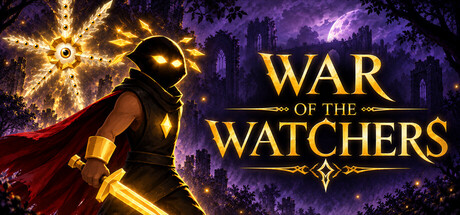 War of the Watchers In-game content audioart | War of the Watchers uses generative AI in two places. Both are pre-generated before release and ship as fixed files; nothing is generated while you play.
Character dialogue is voiced using AI text-to-speech. Every line was written by the developer, and the tool performs those written lines. Each take is recorded before release and ships as an audio file.
Some promotional artwork, including the key art and store capsules, was produced with AI image tools and then edited by the developer.
Game code, level design and all in-game visuals are hand-authored. No content is generated during gameplay. | Crown & Cross Studios | - | Sep 18, 2026 | |
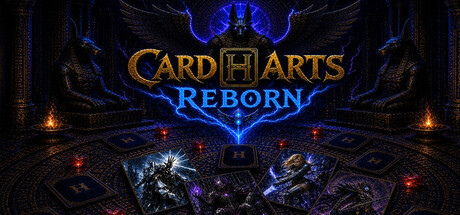 Card Harts Reborn In-game content artaudio | This game and its store page use generative AI-assisted content, including artwork, music, sound, and other creative assets. Assets are created or assisted with AI tools, then curated and implemented by the developer. No live AI-generated player content is used during gameplay. | William VanDyke | - | Sep 18, 2026 | |
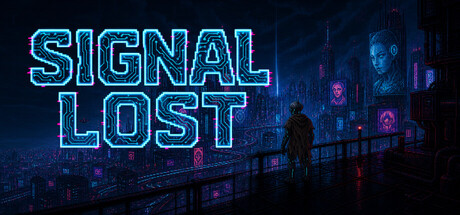 SignalLost Store/marketing art | SignalLost uses generative AI only during development to create and refine selected 2D artwork, promotional images, and trailer assets. No AI content is generated during gameplay, and the game does not connect to external AI services. All shipped assets are reviewed, edited, and integrated by the developer before release. | Dr. Wang | - | Sep 18, 2026 | |
 Intercept Line In-game content artaudio | Some 2D sprites, sound effects, and music tracks were created with the assistance of generative AI tools during development and were manually reviewed and edited by the developer. | Kinato | - | Sep 18, 2026 | |
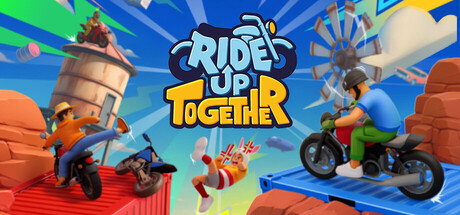 Ride Up Together In-game content art | AI (Image Generation) was used only for the images on the mode selection screen. | Necha Games | - | Sep 18, 2026 | |
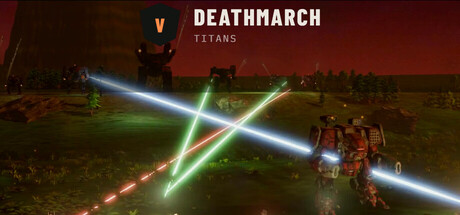 Deathmarch Titans In-game content artaudiocode | AI was used to create write parts of the game code and scripting, to refine mech textures, and for voiceover and audio content - to be used as placeholders while in playtests. | DM Studios | - | Sep 17, 2026 | |
 Cast & Click In-game content artaudiotext | We use generative AI to support the creation of promotional materials, translations, selected artwork, music, and sound effects. These tools help bring our ideas to life, while the game’s creative direction and final decisions will always remain in human hands. | LOG51 | - | Sep 17, 2026 | |
 NOEMA In-game content arttext | Some localization, marketing material and some art are drafted with AI first then brought to its final version. | Imponix Game Studio | - | Sep 16, 2026 | |
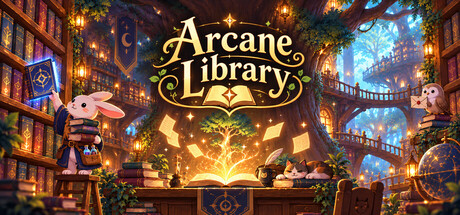 Arcane Library In-game content artaudio | Generative AI tools were used during development to assist in creating some pre-generated visual assets and background music. All AI-assisted content was reviewed and selected by the development team before being included in the game. Arcane Library does not generate AI content during gameplay and does not connect to external AI services while running. | DDUCKD4K | - | Sep 16, 2026 | |
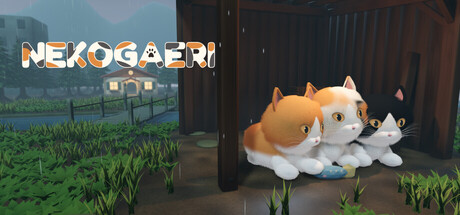 NEKOGAERI Store/marketing arttext | We use generative AI to assist with visuals, writing, and translation. No generative AI is used during gameplay. | soyukke | - | Sep 16, 2026 | |
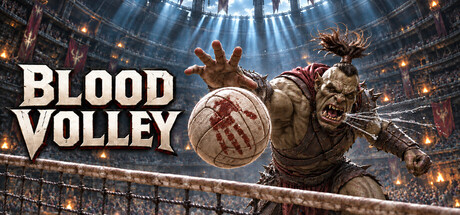 Blood Volley Dev only art | AI-assisted tools supported the creation of visual concepts. | Psy Indi Games | - | Sep 16, 2026 | |
 Mane, Tekel, Fares In-game content audioart | We used AI for composing music themes for the game, as well as for some graphic elements, like for example the trailer. | Insiters Juliusz Peta | - | Sep 16, 2026 | |
 Thumb Hiker In-game content artaudiocode | This game began with my idea, brought to life over many weeks using generative AI to create its code, artwork, audio, and promotional materials. These tools made it possible for me to build the game without a programming background.
All AI-generated content was created during development. The game does not generate AI content while you build towards your achievements. | Sandbox Vibes | - | Sep 16, 2026 | |
 The Therapist In-game content artaudiocode | The Therapist was developed with the assistance of generative AI tools. AI was used to assist with programming and to generate certain visual and audio assets included in the game. The game's core concept, narrative direction, game design, mechanics, and creative direction were conceived and developed by the game's creator. AI-generated assets were selected, edited, integrated, and directed as part of the game's overall creative process. | Restless, LLC | - | Sep 16, 2026 | |
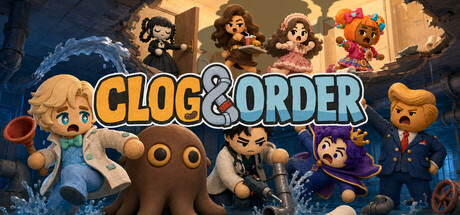 Clog&Order In-game content arttext | Generative AI tools were used during development to create some of the game art assets, and written content and localization translations. AI tools were also used for coding assistance and debugging. The developer selected, adapted, and integrated these outputs into the game and its promotional materials. The game does not generate content using generative AI during gameplay or connect to external generative AI services. | Taoji Games | - | Sep 16, 2026 | |
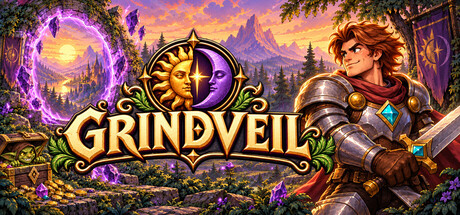 Grindveil In-game content arttext | Grindveil's art is made with generative AI tools. We generate, then pick, crop, recolour and optimise every piece by hand before it ships, and we throw out the ones that do not fit. The same goes for part of the writing: item and location names, some of the lore in the in-game Codex, and the interface translations for our fourteen languages are drafted with AI help and reviewed by us.
Nothing is generated while you play. No AI runs on your machine, nothing you type is sent to an AI service, and every image and every line of text in the game was made and checked before release. | Grindare Studio | - | Sep 16, 2026 | |
 Abyss Floors In-game content textart | Some of the content in Abyss Floors was created with the help of generative AI tools, always under the developer's direction and review:
Text — Portions of the game's descriptive and flavor text (item and ability descriptions, interface copy, and atmospheric lore lines) were drafted with AI assistance and edited by the developer.
Store & branding art — The store-page capsules, library images, and other branding graphics were produced with AI-assisted tools.
Abyss Floors is a text- and table-driven simulation, so there is no AI-generated illustrated art in actual gameplay, and all screenshots on this page are captured directly from the live game. The game's design, balance, systems, and code are the developer's own, with AI used as a development aid rather than to generate gameplay content. | Alerot | - | Sep 16, 2026 | |
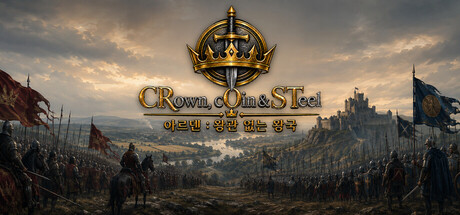 Crown, Coin & Steel In-game content art | Some 2D artwork in this game (store artwork and in-game character portraits) was drafted with generative AI tools, then curated and edited by the developers. No AI content is generated during gameplay. | IDB WORKS | - | Sep 16, 2026 | |
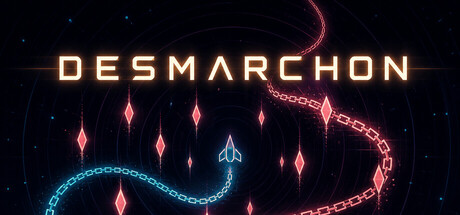 Desmarchon In-game content arttext | Desmarchon currently includes pre-generated AI images for the store page and achievement images, as well as AI-generated promotional artwork and icons, and some text. Everything has been reviewed by a human. | Wisern Games | - | Sep 16, 2026 | |
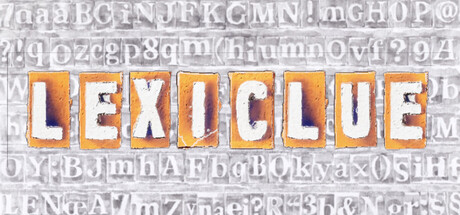 Lexiclue In-game content text | Puzzle grids are constructed using Crossword Compiler, a conventional (non-AI) crossword construction tool. AI tools were used to assist in drafting clue text, which was then rewritten and reviewed by hand before inclusion. Every clue and answer that ships in the game has been checked by an individual human for accuracy, solvability, and quality. No content is generated during gameplay. | Imaginary Component | - | Sep 16, 2026 | |
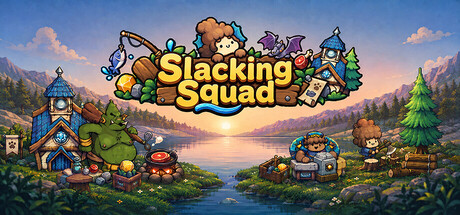 摸鱼小队 Store/marketing art | Generative AI was used to assist in the creation of some promotional artwork for the Steam store page, including capsule and library artwork. AI is not used to generate content during gameplay. | town | - | Sep 16, 2026 | |
 Hot Meals Fast Wheels - Prologue In-game content artaudio | We occasionally used generative AI as an assistive tool to refine certain visual assets, enhance texture resolutions, and process minor audio elements. These tools were used sparingly to support our production workflow, and all final content has been manually reviewed and polished by our team to ensure it meets our quality and legal standards. | Misket Games | - | Sep 16, 2026 | |
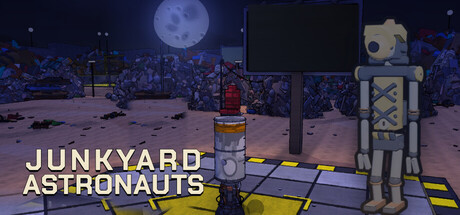 Junkyard Astronauts In-game content artaudiotextcode | Junkyard Astronauts was developed with substantial help from an AI coding assistant (Claude), directed and reviewed by the developer. Specifically: the game's code was largely written with AI assistance; the 3D models, textures and yard layouts are produced by procedural generator scripts written with AI assistance; the sound effects are built from licensed, human-recorded sound libraries (Sonniss GDC bundles, Kenney) assembled and mixed by scripted tools written with AI assistance; the soundtrack is composed and rendered by a music engine written with AI assistance; parts of the store text and the achievement names were drafted with AI assistance. Everything was reviewed, edited and play-tested by the developer before shipping. No AI service is used during gameplay, and no content is generated at runtime. No AI-generated content imitates a real person or a third party's protected work. | muddermis | - | Sep 16, 2026 | |
 SHOOTOSYNTHESIS In-game content audiocode | Part of the audio in this game is generated with AI: the music and some of the sound effects.
Part of the source code was also created with the help of AI during development, particularly to generate certain portions of code, fix errors, and assist with the implementation of certain features. The code used in the game is then reviewed, modified, and integrated manually.
Everything else is handmade: the monsters are drawn by hand and then recreated in 3D, the textures are hand-painted and sometimes slightly enhanced, the 3D models are procedural, every line of text in the game is written by me, the farmer's voice is mine, etc. | GDDREAM Games | - | Sep 16, 2026 | |
 Clever Ball In-game content text | Generative AI was used only to assist with the localization of in-game text. All AI-assisted translations are manually reviewed and edited by the developer before being included in the game. No generative AI is used to generate content during gameplay. | Riaru Games | - | Sep 16, 2026 | |
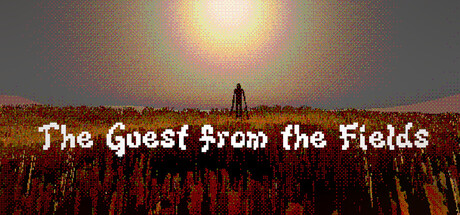 The Guest from the Fields In-game content art | AI was used only to generate bases for a few specific textures, which were then edited by hand. | Skamii | - | Sep 16, 2026 | |
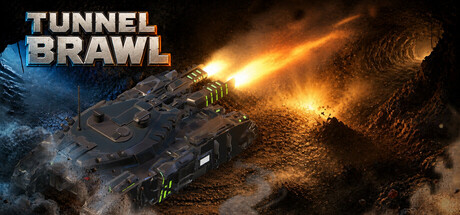 Tunnel Brawl In-game content arttext | Generative AI tools were used during development to help create some visual assets, including environment textures, branding and promotional artwork, as well as store copy and localization. These materials are selected, reviewed and integrated by the developer. Gameplay screenshots are captured from the game. No generative AI content is created during play, and the game does not connect to external AI services. | Josef “Chose” Šíma | - | Sep 16, 2026 | |
 Blind Seek Store/marketing art | Uses placeholder AI-art for steam page. Will be replaced later. | WOLVEN | - | Sep 16, 2026 | |
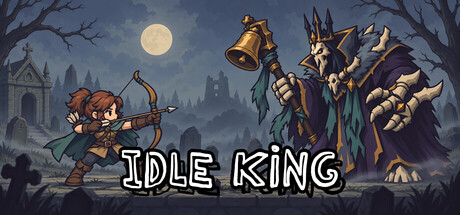 Idle King: Loot Together In-game content art | AI generates a few images and icons, reviewed manually. | PcZ Games | - | Sep 16, 2026 | |
 Tooth for Tooth Unclear | We used generative AI tools as part of our creative process, alongside our team’s direction, editing, and refinement. | Outlane | - | Sep 16, 2026 | |
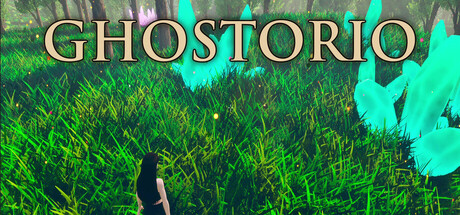 Ghostorio In-game content art | For now I am using the AI generated ICONS as I can't afford real artist yet. But these will be replaced once I get a real artist. | REGENER | - | Sep 16, 2026 | |
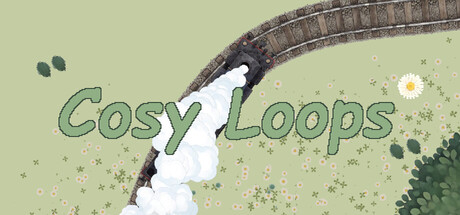 Cosy Loops In-game content art | The Game Assets Are Initially Designed By Humans, Then Generated With Ai Assistance In The Middle Stage, And Finally Edited By Humans. | GGOLDBIG | - | Sep 16, 2026 | |
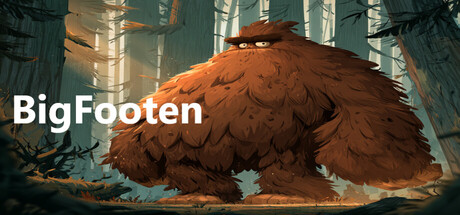 BigFooten Unclear art | AI was used to create some of the images. | Dan Smith | - | Sep 16, 2026 | |
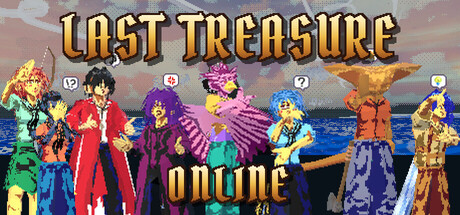 Last Treasure Online Live AI codetext | We build Last Treasure Online with AI tools. Much of the code is written with AI, including shaders, scripts that model props and furniture in Blender, and scripts that synthesize sound effects and ambience. Most text in the game is AI generated, but all names, personalities, schedules, stories, lore, knowledge, etc is strongly scaffolded and enforced by us as designers. In play, NPCs speak through an AI language model on our server in order to talk about hundreds of subjects in different ways depending on what they know about them, you, the world, etc.... The model only rewords lines and facts we wrote: it cannot invent places, items, prices or quests, and players never type text into it. No images, textures, 3D models, music or sounds come from diffusion image, 3D or audio models. Characters and clothing are hand-painted, and the world's textures are photographs. | dabsouljaboy | - | Sep 16, 2026 | |
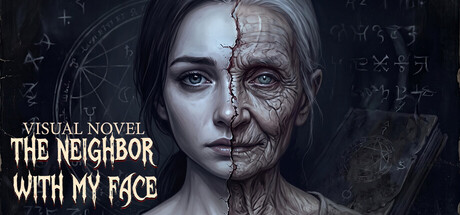 Visual Novel: The Neighbor with My Face In-game content art | all the pictures are generated by artificial intelligence. | Reanim Games | - | Sep 15, 2026 | |
 SkyStray In-game content artaudiotext | Generative AI is used during development to create artwork, animation, music, sound effects and some text, including store artwork and descriptions. Content is selected, edited and integrated before release. SkyStray does not generate AI content during gameplay or connect to external AI services while you play. | Sam Mayell | - | Sep 15, 2026 | |
 Never Enough Corn In-game content arttext | The game’s core artwork and content were created by people. Generative AI use was limited to select elements of UI images and icons, Steam capsule image retouching, map and calendar textures within buildings, and localization translations. | cream | - | Sep 15, 2026 | |
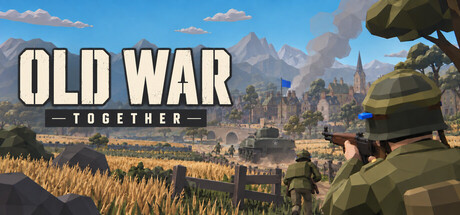 Old War Together Store/marketing art | It has been used in the page visuals. | cnsgames | - | Sep 15, 2026 | |
 The Last Summer Holiday In-game content textcode | This game is made by one developer working with AI assistants. AI tools helped write the game's code and much of its English text, including this store page.
The folktales the game retells are traditional Mongolian üliger, not machine-invented, and every Mongolian word in the game is checked by a native speaker before it ships.
Nothing is generated while you play. The game runs offline, creates no content at runtime, and connects to no AI service. | dokind | - | Sep 15, 2026 | |
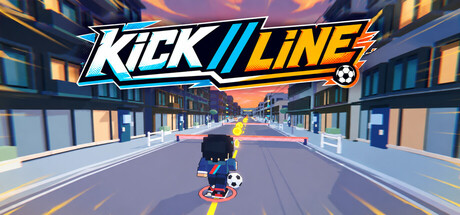 KICK//LINE In-game content artaudio | Generative AI tools were used during development to create some artwork, music and sound effects, and to prepare store and promotional artwork based on gameplay captures. These assets are prepared in advance. The game does not generate AI content during gameplay or connect to external AI services. | SHINGO IRIE | - | Sep 15, 2026 | |
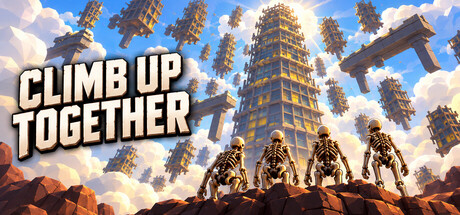 Climb Up Together Store/marketing art | It has been used in the store page images. | cnsgames | - | Sep 15, 2026 | |
 Approved! A Quiet Day of Paperwork Store/marketing art | Generative AI tools were used during development to create artwork, logos, and promotional images. | Approved! | - | Sep 15, 2026 | |
 Send by Sunset Live AI artaudiotext | Some in-game models and music were created with generative AI. Our original cover illustrations and title lettering are handmade; selected store-art adaptations and the app icon used AI tools. Optional chat uses a lightweight AI model running entirely on your computer to answer small everyday questions. You can turn chat off at any time. | Barabaka Games | - | Sep 15, 2026 | |
 Treaty Ground: Corridor 2032 In-game content audio | Some of this game's audio was created with generative AI tools. | https://chillnowllc.com | - | Sep 15, 2026 | |
 Roulette Strategy Research Lab Dev only codetext | Generative AI tools were used as development aids to help draft and iterate on portions of the game’s code, written content, and Steam store description. All AI-assisted material was reviewed, modified, and approved by the developer. The game does not use live-generated AI during gameplay. | MadIrish Studios | - | Sep 15, 2026 |


