Public Steam disclosure research25,383 disclosures tracked
Where do games disclose AI use?
Search developers’ Steam disclosures, compare classified AI use across
games, and follow recorded changes.
This index adds cross-game classifications and statistics to
statements published on individual store pages.
Groups reflect automatic analysis of public disclosures; mature records are excluded. These counts do not measure AI use across all of Steam.
Missing or unclear statements cannot establish whether a game uses AI.
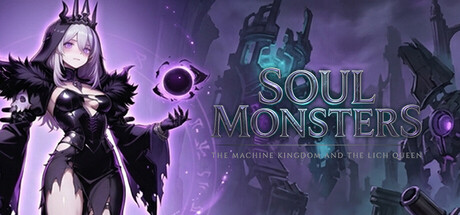
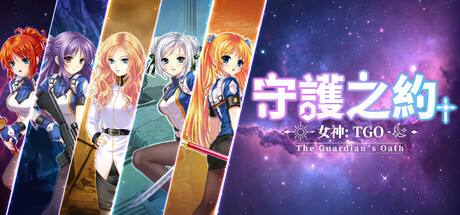
This game utilized AI tools during the development process, primarily to assist in generating character portraits. All AI-generated assets were reviewed and curated by the development team before being implemented into the game.
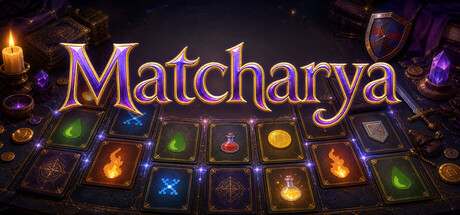
This game uses AI-generated images, created with Stable Diffusion and similar tools, for card artwork, character portraits, backgrounds, and animated card videos. All AI-generated assets were reviewed and edited by the developer. No AI generates content during gameplay.
During the development process, we may use procedural- and AI-based tools to assist with content creation. In all such cases, the final product reflects the creativity and expression of our own development team.
Some art, music, and 3D assets in this game were created with the help of generative AI tools. Every AI-generated asset was carefully reviewed, refined, and hand-curated by the developer to fit the game's art direction and tone. The game does not use any live-generated (runtime) AI content.
Some visual assets, including characters, environments, objects, and backgrounds, were produced with the help of generative AI tools during development, then curated, edited, cleaned up, and integrated manually under human art direction to achieve a consistent visual style.
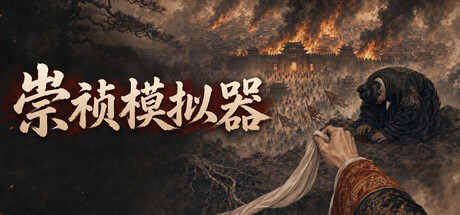
The game calls the aforementioned third-party large language model API over the network at runtime. When the player makes a decision, issues an imperial edict, or interacts with ministers in the game, the game assembles the current situation and character settings into a request and sends it to the AI service; the text returned by the service (minister dialogue, memorials to the throne, plot deduction) is presented in the game interface in real time. This process is transparent to the player and requires no player-side configuration, but an internet connection is required throughout.
Some visual assets in this game, including team icons and player silhouettes, were created with the assistance of AI image generation tools. All AI-generated assets were reviewed, selected, and integrated by the developer. No AI is used to generate content during gameplay.
Generative AI was used as a development assistance tool for this game.
It was used to support coding, development tools for difficulty adjustment, concept and idea generation, research, localization, advice, bug detection, image creation, texture generation, and mesh generation.
We use generative AI to help create this game. It's part of what lets a small team build a game like this. We believe in being transparent about the tools we use, but they're only tools. Every part of this game is reviewed, refined, and curated by our team to meet our creative vision and quality standards, and we hope you'll enjoy the game for the experience it delivers.
Some artwork and visual assets in this game were created with the assistance of generative AI tools during development.
No AI content is generated during gameplay.
Generative artificial intelligence was employed during pre-production and development to create concept art, historical background illustrations, and compose the soundtrack. Additionally, AI was used to generate initial base meshes for select 3D models, which were then fully refined, textured, and optimized manually by the development team.
AI was used as a creative tool for:
Generating and refining background art (later curated by our artists)
Creating early atmospheric textures for the soundtrack (finished by human composers)
All AI-generated content was reviewed, edited, and finalized by the team to ensure quality and consistency.
Generative AI was used as an assistive tool in the development of this game. It was used to help create some in-game icon images and to assist with programming code.
AI image generation tools (ChatGPT/DALL-E) were used to create unit artwork, faction sprites, and promotional images for this game. No AI was used to generate game code, narrative text, or audio content.
Because I am a dev team of 1, yes, I have used AI specifically for working on multiplayer code - that's an area of coding I'm just not up to speed on. The in-game code is all me though. As for art, having 10 years experience in game-dev GFX, that's me - 99% of it. I'm highly proficient in using the tools of the trade )Pshop, Blender, 3d MAx etc), but yes, I have used some highly modified bits and pieces for the landing screen and outros, but everything in-game (100%) is me. The SFX, music and voice acting, me too... for my sins. I'm no Mozart or Lawrence Olivier, but, yakknow... it's passable :)
Portions of the game's visual assets were created with the assistance of generative AI and subsequently reviewed, edited, and integrated by the developer. All gameplay systems, game design, programming, balancing, and final implementation were developed by the developer.
Some of the artwork currently in Norectus: Theatre of War was created with generative AI tools during development, including card art, in-game backgrounds, and store images. We use it as placeholder art so we can build, balance, and expand the game during Early Access. We are commissioning human artists and replacing this AI-generated art over time. Every AI-assisted asset is reviewed by our team before it goes into the game.
AI has been used to refine the game balance, produce the graphics and the code for Conglomerate. As a solo indie dev, AI is used to bounce ideas and support the game development, replicating having a development partner.
Some visual assets in the game (such as background elements and sprites) were created with the assistance of generative AI tools. Some localizations were produced using AI-assisted translation. AI tools may also be used for some promotional and store page materials.
This game uses generative AI tools to create some visual assets and background images. All AI-generated content has been reviewed and edited by the developer.
Generative AI was used to assist with multilingual localization of menus, help text, store page text, and UI text.
All source text was written by the developer, and the final text was implemented by the developer.
No live-generated AI content is used during gameplay.
Some pre-generated visual and audio assets were created or assisted with generative AI tools and then selected, edited, integrated, and reviewed by the developer. The game does not use live generative AI to create content during gameplay.
Generative AI tools were used during the development of this game to assist with programming, game logic implementation, written content, visual assets, and other development workflows. AI-generated code, text, images, and design elements were reviewed, modified, and approved by the developer before being included in the final product.
Generative AI tools were used to assist with translation/localization and parts of the in-game artwork production.
No generative AI tools are used for sound effects, music, story content, or live-generated gameplay content.
Most of the game's artwork was created by commissioned artists. A small number of outsourced illustrations are currently under review, so the game has been disclosed as containing AI-generated artwork.
Some of Airline Legacy's artwork, music, in-game text, and translations were created with the assistance of generative AI tools during development. All AI-assisted content was reviewed and curated by the developer. No content is generated live during gameplay.
Generative AI was used as a supporting tool during the creation of some of the Steam Community assets, with all AI-generated images being carefully refined and significantly reworked by a professional graphic artist. The game itself (and all in-game artwork) was created entirely by human developers and artists, without the use of generative AI.
Deeprise is a solo-developed indie game. Generative AI was used as a tool in the creation of this game, specifically for:
- Concept art and illustrations (character portraits, enemy designs, environment backgrounds, building art, item icons, and research card art), generated with AI image tools and curated, edited, and integrated by the developer.
- Sound effects and voicelines, generated with AI audio tools using developer-written scripts and prompts.
- Capsule art and store page imagery, created by compositing AI-generated assets with developer-designed layouts.
All game design, systems, code, writing, lore, and creative direction are the developer's own work. AI was used to bring this solo project to a visual and audio polish that would otherwise be out of reach for a single developer, and every AI-generated asset was reviewed, selected, and integrated by hand.
The art, music, and written text in this game were created using commercial generative AI services, working from the developer's own designs and ideas under direct human supervision, with each asset and passage curated and edited by hand. All content is pre-generated — no AI runs while you play.
All character and unit art is hand-drawn; audio and music contain no AI. Some background art and UI icons were made with help from generative AI tools and then edited by the developer. AI also assists translation, with every translation human-reviewed before release.
This game utilized AI tools during the development process, primarily to assist in generating character portraits. All AI-generated assets were reviewed and curated by the development team before being implemented into the game.
This game uses AI-generated images, created with Stable Diffusion and similar tools, for card artwork, character portraits, backgrounds, and animated card videos. All AI-generated assets were reviewed and edited by the developer. No AI generates content during gameplay.
During the development process, we may use procedural- and AI-based tools to assist with content creation. In all such cases, the final product reflects the creativity and expression of our own development team.
Some art, music, and 3D assets in this game were created with the help of generative AI tools. Every AI-generated asset was carefully reviewed, refined, and hand-curated by the developer to fit the game's art direction and tone. The game does not use any live-generated (runtime) AI content.
Some visual assets, including characters, environments, objects, and backgrounds, were produced with the help of generative AI tools during development, then curated, edited, cleaned up, and integrated manually under human art direction to achieve a consistent visual style.
The game calls the aforementioned third-party large language model API over the network at runtime. When the player makes a decision, issues an imperial edict, or interacts with ministers in the game, the game assembles the current situation and character settings into a request and sends it to the AI service; the text returned by the service (minister dialogue, memorials to the throne, plot deduction) is presented in the game interface in real time. This process is transparent to the player and requires no player-side configuration, but an internet connection is required throughout.
Some visual assets in this game, including team icons and player silhouettes, were created with the assistance of AI image generation tools. All AI-generated assets were reviewed, selected, and integrated by the developer. No AI is used to generate content during gameplay.
Generative AI was used as a development assistance tool for this game.
It was used to support coding, development tools for difficulty adjustment, concept and idea generation, research, localization, advice, bug detection, image creation, texture generation, and mesh generation.
We use generative AI to help create this game. It's part of what lets a small team build a game like this. We believe in being transparent about the tools we use, but they're only tools. Every part of this game is reviewed, refined, and curated by our team to meet our creative vision and quality standards, and we hope you'll enjoy the game for the experience it delivers.
Some artwork and visual assets in this game were created with the assistance of generative AI tools during development.
No AI content is generated during gameplay.
Generative artificial intelligence was employed during pre-production and development to create concept art, historical background illustrations, and compose the soundtrack. Additionally, AI was used to generate initial base meshes for select 3D models, which were then fully refined, textured, and optimized manually by the development team.
AI was used as a creative tool for:
Generating and refining background art (later curated by our artists)
Creating early atmospheric textures for the soundtrack (finished by human composers)
All AI-generated content was reviewed, edited, and finalized by the team to ensure quality and consistency.
Generative AI was used as an assistive tool in the development of this game. It was used to help create some in-game icon images and to assist with programming code.
AI image generation tools (ChatGPT/DALL-E) were used to create unit artwork, faction sprites, and promotional images for this game. No AI was used to generate game code, narrative text, or audio content.
Because I am a dev team of 1, yes, I have used AI specifically for working on multiplayer code - that's an area of coding I'm just not up to speed on. The in-game code is all me though. As for art, having 10 years experience in game-dev GFX, that's me - 99% of it. I'm highly proficient in using the tools of the trade )Pshop, Blender, 3d MAx etc), but yes, I have used some highly modified bits and pieces for the landing screen and outros, but everything in-game (100%) is me. The SFX, music and voice acting, me too... for my sins. I'm no Mozart or Lawrence Olivier, but, yakknow... it's passable :)
Portions of the game's visual assets were created with the assistance of generative AI and subsequently reviewed, edited, and integrated by the developer. All gameplay systems, game design, programming, balancing, and final implementation were developed by the developer.
Some of the artwork currently in Norectus: Theatre of War was created with generative AI tools during development, including card art, in-game backgrounds, and store images. We use it as placeholder art so we can build, balance, and expand the game during Early Access. We are commissioning human artists and replacing this AI-generated art over time. Every AI-assisted asset is reviewed by our team before it goes into the game.
AI has been used to refine the game balance, produce the graphics and the code for Conglomerate. As a solo indie dev, AI is used to bounce ideas and support the game development, replicating having a development partner.
Some visual assets in the game (such as background elements and sprites) were created with the assistance of generative AI tools. Some localizations were produced using AI-assisted translation. AI tools may also be used for some promotional and store page materials.
This game uses generative AI tools to create some visual assets and background images. All AI-generated content has been reviewed and edited by the developer.
Generative AI was used to assist with multilingual localization of menus, help text, store page text, and UI text.
All source text was written by the developer, and the final text was implemented by the developer.
No live-generated AI content is used during gameplay.
Some pre-generated visual and audio assets were created or assisted with generative AI tools and then selected, edited, integrated, and reviewed by the developer. The game does not use live generative AI to create content during gameplay.
Generative AI tools were used during the development of this game to assist with programming, game logic implementation, written content, visual assets, and other development workflows. AI-generated code, text, images, and design elements were reviewed, modified, and approved by the developer before being included in the final product.
Generative AI tools were used to assist with translation/localization and parts of the in-game artwork production.
No generative AI tools are used for sound effects, music, story content, or live-generated gameplay content.
Most of the game's artwork was created by commissioned artists. A small number of outsourced illustrations are currently under review, so the game has been disclosed as containing AI-generated artwork.
Some of Airline Legacy's artwork, music, in-game text, and translations were created with the assistance of generative AI tools during development. All AI-assisted content was reviewed and curated by the developer. No content is generated live during gameplay.
Generative AI was used as a supporting tool during the creation of some of the Steam Community assets, with all AI-generated images being carefully refined and significantly reworked by a professional graphic artist. The game itself (and all in-game artwork) was created entirely by human developers and artists, without the use of generative AI.
Deeprise is a solo-developed indie game. Generative AI was used as a tool in the creation of this game, specifically for:
- Concept art and illustrations (character portraits, enemy designs, environment backgrounds, building art, item icons, and research card art), generated with AI image tools and curated, edited, and integrated by the developer.
- Sound effects and voicelines, generated with AI audio tools using developer-written scripts and prompts.
- Capsule art and store page imagery, created by compositing AI-generated assets with developer-designed layouts.
All game design, systems, code, writing, lore, and creative direction are the developer's own work. AI was used to bring this solo project to a visual and audio polish that would otherwise be out of reach for a single developer, and every AI-generated asset was reviewed, selected, and integrated by hand.
The art, music, and written text in this game were created using commercial generative AI services, working from the developer's own designs and ideas under direct human supervision, with each asset and passage curated and edited by hand. All content is pre-generated — no AI runs while you play.
All character and unit art is hand-drawn; audio and music contain no AI. Some background art and UI icons were made with help from generative AI tools and then edited by the developer. AI also assists translation, with every translation human-reviewed before release.