Public Steam disclosure research25,981 disclosures tracked
Where do games disclose AI use?
Search developers’ Steam disclosures, compare classified AI use across
games, and follow recorded changes.
This index adds cross-game classifications and statistics to
statements published on individual store pages.
Groups reflect automatic analysis of public disclosures; mature records are excluded. These counts do not measure AI use across all of Steam.
Missing or unclear statements cannot establish whether a game uses AI.
Generative AI tools are used during development for the creation and refinement of certain visual assets, animations, music, sound effects and voice content.
AI-assisted workflows are also utilized for localization support, historical research, narrative iteration and code review.
All AI-generated material is manually reviewed, edited and integrated into the final game experience by the developer.
This game was developed with the assistance of generative AI tools. However, AI does not generate any content in real-time or directly within the application. It was used exclusively during the production phase to create certain user interface elements, including visual components visible in-game. All AI-generated content was reviewed and approved by the development team prior to integration.
Deep In The Mine was developed by a single person. Artificial intelligence was used to save time and correct certain shortcomings, particularly in audio creation and mesh generation.
Generative AI tools were used exclusively to create the main menu background illustration and the visual assets/textures for the enemy characters. No other parts of the game utilize artificial intelligence, and all other assets were created or acquired manually by the developers. The game does not contain any live-generated or real-time AI content.
This game uses AI-assisted tools for certain in-game assets and promotional images. All gameplay, mechanics, and story content were designed by the development team.
Some pre-generated content, such as text, images, or audio, may have been created with the assistance of generative AI. All AI-assisted content was reviewed, edited, and implemented by the developer. The game does not generate AI content dynamically during gameplay.
Some visual and written content in this game was created with the assistance of generative AI during development, then reviewed, edited, and integrated by the developer. The game does not include live-generated AI features, and players cannot generate content during gameplay.
Some visual assets (character sprites and facial feature illustrations)
and background music in this game were created with the assistance
of AI generation tools. All AI-generated content was reviewed,
selected, and edited by the developer before inclusion in the game.
No AI content is generated live during gameplay.
Generative AI tools were used during development as an assistance tool for programming, debugging, design iteration, documentation, and store-page text drafting. All final game content, gameplay systems, assets, and published materials are reviewed, selected, and implemented by the developer.
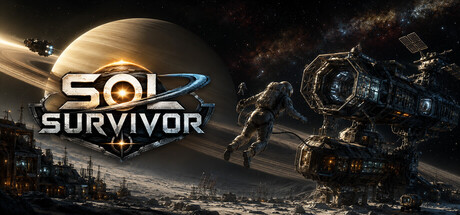
Sol Survivor does not use live generative AI during gameplay. Players do not interact with an AI text, image, audio, or content-generation system while playing.
This game includes limited use of artificial intelligence in the creation process. Some translations, and a small number of voice lines may have been assisted, refined, or generated using AI tools. Most voice-acted dialogue was recorded traditionally, and the core narrative, writing, and overall creative direction were created by the development team.
Many of the game images have been made with AI though they have been heavily edited afterwards. It has also assisted with some of the code. This game would not be possible without it as I'm a small indie dev.
Parts of the localization and most character portraits were created with the assistance of AI. All relevant content was manually reviewed and edited by me where possible and necessary.
Generative AI was used to create the original images for the relics, the talismans, and zodiacs. We also used generative AI when writing the game's code.
Some assets in this work are AI-generated:
Store page: Store promotional images, library promotional images, library homepage image.
Game itself: Some 3D models, background music, sound effects.
"Generative AI tools were used during the development of this game to assist with programming and narrative dialogue writing. All AI-assisted content has been reviewed and approved by the developer. No artificial intelligence generates content live during gameplay —
▎ all text, audio, and visuals are pre-authored and fixed."
Given I am a solo developer, Generative AI tools were utilized as development assistants to optimize workflows.
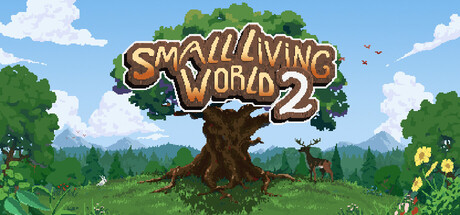
Also, some of the backgrounds are based on images created with AI, as well as a few items. They were only used as a basis to start from and have been heavily edited manually afterwards to make them fit with the rest of the game's pixel art artstyle.
Some of the visual assets such as some of the character designs and images were created with the help of AI and then further modified and implemented by the developer.
Artificial Intelligence was used to generate concept art and placeholder music during the development phase. These assets are currently used as temporary measures until the project secures enough funding to commission professional human artists.
This game uses generative AI tools in limited ways during development, primarily for pre-generated visual/text assets. All AI-assisted content is reviewed, edited, and finalized by the developer before being included in the game. No AI-generated content is created in real time during gameplay.
Some NPC portraits and player character face options in Starminer were created with the assistance of generative AI image tools during development. Generative AI was also used to help generate some informational dialogue, help texts, and tooltips. All AI-generated assets and text were reviewed, curated, and edited by our team before being integrated into the final build. No generative AI is used at runtime. All content shipped in the game is static and pre-authored.
The current prototype of Docket 87 includes some temporary AI-assisted visual materials, mainly fictional photographic and video evidence used to test the tone, format and workflow of the case files.
These materials are pre-generated, curated and edited by the development team. They are not generated during gameplay, and AI is not used to dynamically create story, dialogue, puzzles, music, sound effects, programming or player-specific content.
For the final commercial release, all evidence assets will follow a rights-cleared production pipeline. If any AI-assisted material remains in the final game, it will be created with commercially licensed tools, transformed through human art direction, editing and retouching, and reviewed to avoid copyrighted images, real people, private individuals, artist-specific styles, brands or third-party intellectual property.
Generative AI tools were used in a limited and supportive capacity during the development of this project. AI-generated imagery served primarily as visual reference material for the creation of certain 2D assets and textures. In addition, ChatGPT was utilized to assist with language translation, provide guidance during the debugging process, and support the setup and written presentation of the game’s Steam store page.
Generative AI tools were used during development to assist with the creation and refinement of certain visual assets, audio assets, and written content used in the game, its store page, and marketing materials. This includes AI-assisted images and music. All gameplay systems, programming, level design, game mechanics, story implementation, and final integration of content were created, reviewed, edited, and approved by the developer. The game does not generate AI content during gameplay.
This game includes limited use of generative AI for certain pre-rendered visual assets, specifically selected UI icons and selected store page images. No live-generated AI content is present in the game. All AI-assisted content has been reviewed, modified where necessary, and approved by the developer.
Generative AI tools are used during development for the creation and refinement of certain visual assets, animations, music, sound effects and voice content.
AI-assisted workflows are also utilized for localization support, historical research, narrative iteration and code review.
All AI-generated material is manually reviewed, edited and integrated into the final game experience by the developer.
This game was developed with the assistance of generative AI tools. However, AI does not generate any content in real-time or directly within the application. It was used exclusively during the production phase to create certain user interface elements, including visual components visible in-game. All AI-generated content was reviewed and approved by the development team prior to integration.
Deep In The Mine was developed by a single person. Artificial intelligence was used to save time and correct certain shortcomings, particularly in audio creation and mesh generation.
Generative AI tools were used exclusively to create the main menu background illustration and the visual assets/textures for the enemy characters. No other parts of the game utilize artificial intelligence, and all other assets were created or acquired manually by the developers. The game does not contain any live-generated or real-time AI content.
This game uses AI-assisted tools for certain in-game assets and promotional images. All gameplay, mechanics, and story content were designed by the development team.
Some pre-generated content, such as text, images, or audio, may have been created with the assistance of generative AI. All AI-assisted content was reviewed, edited, and implemented by the developer. The game does not generate AI content dynamically during gameplay.
Some visual and written content in this game was created with the assistance of generative AI during development, then reviewed, edited, and integrated by the developer. The game does not include live-generated AI features, and players cannot generate content during gameplay.
Some visual assets (character sprites and facial feature illustrations)
and background music in this game were created with the assistance
of AI generation tools. All AI-generated content was reviewed,
selected, and edited by the developer before inclusion in the game.
No AI content is generated live during gameplay.
Generative AI tools were used during development as an assistance tool for programming, debugging, design iteration, documentation, and store-page text drafting. All final game content, gameplay systems, assets, and published materials are reviewed, selected, and implemented by the developer.
Sol Survivor does not use live generative AI during gameplay. Players do not interact with an AI text, image, audio, or content-generation system while playing.
This game includes limited use of artificial intelligence in the creation process. Some translations, and a small number of voice lines may have been assisted, refined, or generated using AI tools. Most voice-acted dialogue was recorded traditionally, and the core narrative, writing, and overall creative direction were created by the development team.
Many of the game images have been made with AI though they have been heavily edited afterwards. It has also assisted with some of the code. This game would not be possible without it as I'm a small indie dev.
Parts of the localization and most character portraits were created with the assistance of AI. All relevant content was manually reviewed and edited by me where possible and necessary.
Generative AI was used to create the original images for the relics, the talismans, and zodiacs. We also used generative AI when writing the game's code.
Some assets in this work are AI-generated:
Store page: Store promotional images, library promotional images, library homepage image.
Game itself: Some 3D models, background music, sound effects.
"Generative AI tools were used during the development of this game to assist with programming and narrative dialogue writing. All AI-assisted content has been reviewed and approved by the developer. No artificial intelligence generates content live during gameplay —
▎ all text, audio, and visuals are pre-authored and fixed."
Given I am a solo developer, Generative AI tools were utilized as development assistants to optimize workflows.
Also, some of the backgrounds are based on images created with AI, as well as a few items. They were only used as a basis to start from and have been heavily edited manually afterwards to make them fit with the rest of the game's pixel art artstyle.
Some of the visual assets such as some of the character designs and images were created with the help of AI and then further modified and implemented by the developer.
Artificial Intelligence was used to generate concept art and placeholder music during the development phase. These assets are currently used as temporary measures until the project secures enough funding to commission professional human artists.
This game uses generative AI tools in limited ways during development, primarily for pre-generated visual/text assets. All AI-assisted content is reviewed, edited, and finalized by the developer before being included in the game. No AI-generated content is created in real time during gameplay.
Some NPC portraits and player character face options in Starminer were created with the assistance of generative AI image tools during development. Generative AI was also used to help generate some informational dialogue, help texts, and tooltips. All AI-generated assets and text were reviewed, curated, and edited by our team before being integrated into the final build. No generative AI is used at runtime. All content shipped in the game is static and pre-authored.
The current prototype of Docket 87 includes some temporary AI-assisted visual materials, mainly fictional photographic and video evidence used to test the tone, format and workflow of the case files.
These materials are pre-generated, curated and edited by the development team. They are not generated during gameplay, and AI is not used to dynamically create story, dialogue, puzzles, music, sound effects, programming or player-specific content.
For the final commercial release, all evidence assets will follow a rights-cleared production pipeline. If any AI-assisted material remains in the final game, it will be created with commercially licensed tools, transformed through human art direction, editing and retouching, and reviewed to avoid copyrighted images, real people, private individuals, artist-specific styles, brands or third-party intellectual property.
Generative AI tools were used in a limited and supportive capacity during the development of this project. AI-generated imagery served primarily as visual reference material for the creation of certain 2D assets and textures. In addition, ChatGPT was utilized to assist with language translation, provide guidance during the debugging process, and support the setup and written presentation of the game’s Steam store page.
Generative AI tools were used during development to assist with the creation and refinement of certain visual assets, audio assets, and written content used in the game, its store page, and marketing materials. This includes AI-assisted images and music. All gameplay systems, programming, level design, game mechanics, story implementation, and final integration of content were created, reviewed, edited, and approved by the developer. The game does not generate AI content during gameplay.
This game includes limited use of generative AI for certain pre-rendered visual assets, specifically selected UI icons and selected store page images. No live-generated AI content is present in the game. All AI-assisted content has been reviewed, modified where necessary, and approved by the developer.