Public Steam disclosure research25,383 disclosures tracked
Where do games disclose AI use?
Search developers’ Steam disclosures, compare classified AI use across
games, and follow recorded changes.
This index adds cross-game classifications and statistics to
statements published on individual store pages.
Groups reflect automatic analysis of public disclosures; mature records are excluded. These counts do not measure AI use across all of Steam.
Missing or unclear statements cannot establish whether a game uses AI.
I have utilized AI tools to assist in the creation of some store page assets and in-game textures. These AI-generated elements were used as a foundational base, which were then heavily edited, polished, and manually integrated by me to ensure they align with the game's unique art style and technical requirements. No AI tools were used to generate the core gameplay logic or narrative content; their usage was strictly limited to the visual asset production pipeline.
Generative AI was used solely to assist in creating certain graphical assets for the Steam store page, including store capsules, banners, and promotional images. All game content, including programming, gameplay mechanics, in-game art, music, and other assets, was created and reviewed by the developer and does not rely on generative AI during gameplay.
Some of the promotional and storefront images were created with AI tools and then refined by hand. All of the in-game assets were designed by a 3D artist. Some of the audio files are AI generated.
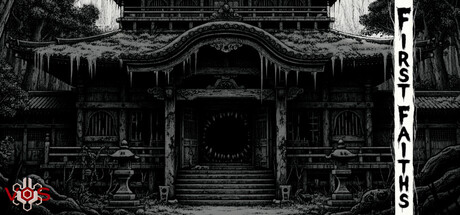
As a solo independent project, generative AI tools were used as a foundation for the initial creation of visual and audio assets. Please note that every asset has been systematically retouched, edited, and hand-refined to ensure unique artistic consistency and to bring the raw vision of First Faiths to life.
The game was vibe coded. Many of the current assets were generated by various GenAI models, some of which will be staying but some of which are just placeholders for the time being. Much manual work still goes into making everything look good and come together even when using GenAI.
Generative artificial intelligence has been used to create and assist with pre-rendered graphic assets included in the final product. Specifically, it was employed to generate loading screen illustrations, the cover art design (acting as a filter), and sprites for certain enemies and minor environmental elements. All content was reviewed, edited, and statically packaged prior to distribution and use in the game.
Generative AI was used during the development of this game to assist with:
- Generating static illustrations for in-game achievement icons.
- Generating placeholder sound effects to be swapped before exiting EA
Artificial intelligence tools were used to refine part of the game's music and certain sound effects, as well as specific graphical assets, support programming, debugging, and bug-fixing tasks
I used AI to help review code and check for any bugs. Also a few small pieces of art that will be changed/updated by release while we get artists commissioned.
Some visual assets used in this game were created or assisted using generative AI during development and have been reviewed and edited by the developer before being included in the final game. The game does not use generative AI during gameplay and does not generate content in real time.
This game uses pre-generated AI-assisted content in a limited way. Some selected audio assets and minor in-game written/visual elements may have been created or edited with AI-assisted tools during development. The game does not use live-generated AI during gameplay and does not connect to any external AI service during gameplay.
Generative AI tools were used during development to assist in the creation of certain visual assets, including Steam store capsules, and some UI button icons (keyboard and controller prompts). AI was also used to assist with text translation, writing improvements, and programming assistance during development. All AI-assisted content has been reviewed, edited, and integrated by the developer before being included in the game or on the Steam store page. The game does not generate AI content during gameplay.
This game makes extensive use of generative AI for nearly all player-facing content.
All assets, textures, shaders, fonts, some animations, sound effects, and music are fully generated using AI tools and then integrated and refined within the game. As a core rule of the project, everything the player sees and hears has to be AI-generated.
Game design, mechanics, level design, and technical implementation are created and controlled by the developer. AI is used as a content creation tool and does not dynamically generate gameplay content or influence player experience in real time.
No personal player data is processed by AI systems during gameplay.
Generative AI tools were used during development to assist with code writing, debugging, and drafting text. The game does not use generative AI at runtime and does not dynamically generate text, images, audio, or other content for players.
Fatal Nights uses generative artificial intelligence as a development aid for certain pre-production and promotional materials. AI-assisted content may include concept artwork, visual brainstorming, marketing assets, and written drafts. All gameplay systems, story, level design, implementation, and final creative decisions are developed and curated by the developer.
Some 3D models, prop assets, and sound effects in this game were created with the help of generative AI tools and then reviewed, edited, and integrated by our team to fit the game's art style and quality standards. Other art, design, and store/marketing materials were created without generative AI.
Some visual assets and artwork used during the development of Shrunk Wilds were created with the assistance of AI image generation tools. All generated assets are manually reviewed, modified, and curated by the developer before being implemented into the game. Players do not interact with AI systems during gameplay, and the game does not generate content in real time.
Generative AI tools were used in the creation of some visual and textual content used in marketing materials and certain in-game assets. All core gameplay design and systems were developed independently.
Generative AI was used as an assistant during development for drafting and editing store-page text, brainstorming, and code assistance. Final game assets, gameplay, implementation, and creative direction are reviewed and edited by the developer. No live-generated AI content is used during gameplay.
Our development process makes use of generative AI tools for internal tasks such as early concept exploration - both for the game and marketing assets, as well as workflow automation. All final game assets are created by our team without AI-generated content.
All character and unit art is hand-drawn; audio and music contain no AI. Some background art and UI icons were made with help from generative AI tools and then edited by the developer. AI also assists translation, with every translation human-reviewed before release.
I use generative AI exclusively as a temporary tool for rapid prototyping and placeholder content during early solo development. All AI-generated elements in Vigilum are planned to be fully replaced with custom, human-made assets for the final v1.0 release.
-> 3D Models: I used generative AI tools to create two 3D assets (the Vylem gem and the Blood Sigil element). These are temporary placeholders, and I am currently prioritizing remaking them myself during the Early Access phase.
-> 2D Assets: A few UI icons and images were generated with AI. I intend to commission a professional artist to completely replace these 2D elements as soon as funding allows.
PropHaunt uses generative AI tools only to assist in creating part of its store page artwork and promotional materials (such as the logo and key art). No AI-generated content is produced live during gameplay, and the game does not connect to any external AI service while you play. All in-game assets — characters, environments, props, audio, and UI — are hand-crafted or sourced from licensed asset packs.
Artificial intelligence (AI) was leveraged for key aspects of the game's development, including in-game logic, support systems, and certain artistic assets.
Some background sound effects and ambient audio clips used in the game were sourced from Pixabay, where they were flagged as AI-generated by their respective creators. No graphics, code, or core gameplay elements were generated by AI; all other assets were developed entirely by me.
The game uses artificial intelligence to control characters behavior and deliver an adaptive fairytale plot.
The models, sounds, maps, and other assets are created by real people, with love and care.
Generative AI was used to create certain visual assets, including the storefront/marketing artwork, main menu background, loading screens, image-based cutscenes, and a couple of background 3D meshes. All programming and narrative design were developed manually.
I have utilized AI tools to assist in the creation of some store page assets and in-game textures. These AI-generated elements were used as a foundational base, which were then heavily edited, polished, and manually integrated by me to ensure they align with the game's unique art style and technical requirements. No AI tools were used to generate the core gameplay logic or narrative content; their usage was strictly limited to the visual asset production pipeline.
Generative AI was used solely to assist in creating certain graphical assets for the Steam store page, including store capsules, banners, and promotional images. All game content, including programming, gameplay mechanics, in-game art, music, and other assets, was created and reviewed by the developer and does not rely on generative AI during gameplay.
Some of the promotional and storefront images were created with AI tools and then refined by hand. All of the in-game assets were designed by a 3D artist. Some of the audio files are AI generated.
As a solo independent project, generative AI tools were used as a foundation for the initial creation of visual and audio assets. Please note that every asset has been systematically retouched, edited, and hand-refined to ensure unique artistic consistency and to bring the raw vision of First Faiths to life.
The game was vibe coded. Many of the current assets were generated by various GenAI models, some of which will be staying but some of which are just placeholders for the time being. Much manual work still goes into making everything look good and come together even when using GenAI.
Generative artificial intelligence has been used to create and assist with pre-rendered graphic assets included in the final product. Specifically, it was employed to generate loading screen illustrations, the cover art design (acting as a filter), and sprites for certain enemies and minor environmental elements. All content was reviewed, edited, and statically packaged prior to distribution and use in the game.
Generative AI was used during the development of this game to assist with:
- Generating static illustrations for in-game achievement icons.
- Generating placeholder sound effects to be swapped before exiting EA
Artificial intelligence tools were used to refine part of the game's music and certain sound effects, as well as specific graphical assets, support programming, debugging, and bug-fixing tasks
I used AI to help review code and check for any bugs. Also a few small pieces of art that will be changed/updated by release while we get artists commissioned.
Some visual assets used in this game were created or assisted using generative AI during development and have been reviewed and edited by the developer before being included in the final game. The game does not use generative AI during gameplay and does not generate content in real time.
This game uses pre-generated AI-assisted content in a limited way. Some selected audio assets and minor in-game written/visual elements may have been created or edited with AI-assisted tools during development. The game does not use live-generated AI during gameplay and does not connect to any external AI service during gameplay.
Generative AI tools were used during development to assist in the creation of certain visual assets, including Steam store capsules, and some UI button icons (keyboard and controller prompts). AI was also used to assist with text translation, writing improvements, and programming assistance during development. All AI-assisted content has been reviewed, edited, and integrated by the developer before being included in the game or on the Steam store page. The game does not generate AI content during gameplay.
This game makes extensive use of generative AI for nearly all player-facing content.
All assets, textures, shaders, fonts, some animations, sound effects, and music are fully generated using AI tools and then integrated and refined within the game. As a core rule of the project, everything the player sees and hears has to be AI-generated.
Game design, mechanics, level design, and technical implementation are created and controlled by the developer. AI is used as a content creation tool and does not dynamically generate gameplay content or influence player experience in real time.
No personal player data is processed by AI systems during gameplay.
Generative AI tools were used during development to assist with code writing, debugging, and drafting text. The game does not use generative AI at runtime and does not dynamically generate text, images, audio, or other content for players.
Fatal Nights uses generative artificial intelligence as a development aid for certain pre-production and promotional materials. AI-assisted content may include concept artwork, visual brainstorming, marketing assets, and written drafts. All gameplay systems, story, level design, implementation, and final creative decisions are developed and curated by the developer.
Some 3D models, prop assets, and sound effects in this game were created with the help of generative AI tools and then reviewed, edited, and integrated by our team to fit the game's art style and quality standards. Other art, design, and store/marketing materials were created without generative AI.
Some visual assets and artwork used during the development of Shrunk Wilds were created with the assistance of AI image generation tools. All generated assets are manually reviewed, modified, and curated by the developer before being implemented into the game. Players do not interact with AI systems during gameplay, and the game does not generate content in real time.
Generative AI tools were used in the creation of some visual and textual content used in marketing materials and certain in-game assets. All core gameplay design and systems were developed independently.
Generative AI was used as an assistant during development for drafting and editing store-page text, brainstorming, and code assistance. Final game assets, gameplay, implementation, and creative direction are reviewed and edited by the developer. No live-generated AI content is used during gameplay.
Our development process makes use of generative AI tools for internal tasks such as early concept exploration - both for the game and marketing assets, as well as workflow automation. All final game assets are created by our team without AI-generated content.
All character and unit art is hand-drawn; audio and music contain no AI. Some background art and UI icons were made with help from generative AI tools and then edited by the developer. AI also assists translation, with every translation human-reviewed before release.
I use generative AI exclusively as a temporary tool for rapid prototyping and placeholder content during early solo development. All AI-generated elements in Vigilum are planned to be fully replaced with custom, human-made assets for the final v1.0 release.
-> 3D Models: I used generative AI tools to create two 3D assets (the Vylem gem and the Blood Sigil element). These are temporary placeholders, and I am currently prioritizing remaking them myself during the Early Access phase.
-> 2D Assets: A few UI icons and images were generated with AI. I intend to commission a professional artist to completely replace these 2D elements as soon as funding allows.
PropHaunt uses generative AI tools only to assist in creating part of its store page artwork and promotional materials (such as the logo and key art). No AI-generated content is produced live during gameplay, and the game does not connect to any external AI service while you play. All in-game assets — characters, environments, props, audio, and UI — are hand-crafted or sourced from licensed asset packs.
Artificial intelligence (AI) was leveraged for key aspects of the game's development, including in-game logic, support systems, and certain artistic assets.
Some background sound effects and ambient audio clips used in the game were sourced from Pixabay, where they were flagged as AI-generated by their respective creators. No graphics, code, or core gameplay elements were generated by AI; all other assets were developed entirely by me.
The game uses artificial intelligence to control characters behavior and deliver an adaptive fairytale plot.
The models, sounds, maps, and other assets are created by real people, with love and care.
Generative AI was used to create certain visual assets, including the storefront/marketing artwork, main menu background, loading screens, image-based cutscenes, and a couple of background 3D meshes. All programming and narrative design were developed manually.