








Disclosure
AI was used to generate music and game store art.
- Creator
- John F Montgomery II
- Reviews
- -
- Added
- Aug 16, 2026
Public Steam disclosure research 25,383 disclosures tracked
Search developers’ Steam disclosures, compare classified AI use across games, and follow recorded changes. This index adds cross-game classifications and statistics to statements published on individual store pages.
Code help, debugging and other development work.
Capsule art, trailers and promotional material.
Pre-made art, audio, writing and other game assets.
Interactive or runtime AI features disclosed by the developer.
Groups reflect automatic analysis of public disclosures; mature records are excluded. These counts do not measure AI use across all of Steam. Missing or unclear statements cannot establish whether a game uses AI.
AI was used to generate music and game store art.
Generative AI was used as an assistive tool in preparing parts of the game’s Steam store presence and marketing materials. This includes some store page artwork and promotional assets, short and long descriptions, store metadata, and localized versions of these materials. All AI-assisted content was reviewed, edited, and approved by the development team before publication. No content is generated by AI during gameplay.
Some visual assets in this game, including character designs, were initially generated using AI image tools and subsequently refined and adapted by the developer. All AI-generated visual assets (character designs, icons, screenshots/trailer materials, etc.) are being fully replaced with hand-crafted or licensed content.
Certain visual assets incorporated into the final product were subject to a multi-stage development, revision, and production process involving, at intermediate stages of asset preparation, generative AI-assisted material, together with subsequent developer-directed editing, alteration, reconstruction, and final implementation.
The posters on the walls of the in-game course were generated with AI.
Game logo was generated using Google Gemini.
Much of the 2D artwork in TRAP LAB — character sprites, enemy and boss art, and cutscene illustrations — was created with the help of generative AI image tools. Every generated image was hand-selected, edited, and assembled by the developer before being used in the game. The game's code, level design, and audio are hand-made and are not AI-generated.
The character skill map and background scene background map use some AI, and the background music uses some AI
Some musical tracks were created with the help of AI.
The game's character artwork was created with the assistance of generative AI. Generative AI is not used to generate content during gameplay.
music
Generative AI was used during development to assist with logos, graphical assets, and portions of the game’s code.
AI tools were used during development to assist with coding and to create internal task, references and supporting documentation. The game does not include any player-facing generative AI features.
Generative AI was used to create and refine some pre-generated visual assets, including the game logo and Steam store capsule artwork. All AI-assisted assets are reviewed, edited, and curated by the developer before inclusion. The game does not generate content during gameplay and does not connect to external AI services.
I used AI to help create player models
Generative AI tools assisted with English Steam store-page copy, and were used to create pre-generated illustrative key art for Steam store capsules, library artwork, and the store-page background. All AI-assisted outputs are reviewed, edited, integrated, and tested by the developer. The artwork is promotional and is not presented as gameplay footage; screenshots and trailers are captured from the actual game. The game does not use generative AI at runtime or generate live player-facing content.
AI-generated art object
no ai assets inside the game, just the store capsule
Some of the audio assets and objects were created with the assistance of AI tools.
Some of the artwork in this game was made with AI image generators and edited by hand afterwards. This covers the two player characters, the logo, the menu icons and the curtain texture. The English interface texts were written with the help of a language model and reviewed afterwards. The German texts are written by hand. The bundled Pack Creator uses a speech recognition model to find the spoken parts of a video you supply yourself and turn them into the lines you read out. An AI noise filter for your microphone recordings and AI-based separation of speech and background audio work the same way. All of this runs locally on your own machine and never sends data to an external service. These models only process material you provide yourself, they do not invent content of their own, and the result stays inside your own lobby.
This game is a solo project developed by a student. Due to limited resources and budget, Generative AI tools were utilized to create store page visuals and capsule designs, as well as to localize and draft store descriptions; these elements were personally edited, refined, and finalized by the developer.
一部演出動画とゲーム内画面イラストを生成AIが使われております。 また、ヒロインキャラも生成AIにて作成されております。
We used generative AI for some promotional artwork. No AI is used in the game itself.
Generative AI tools were used during development to create pre-generated 2D visual assets included in the game. These assets may include character, item, environment, and user interface artwork. All AI-generated assets are reviewed, selected, and adjusted by the developer before being included in the game. The game does not use generative AI during runtime and does not connect to any live generative AI service.
The music, dialogues, and artworks were partially created using AI tools.
Generative AI was used to produce the English voice-over for the in-game AI character. This was an intentional creative choice because the character itself is an artificial intelligence. AI also assisted with localization; however, responsibility for the final content rests with a human.
AI has assisted with graphics, audio, code, text.
This game uses artificial intelligence to assist in generating art assets and supplementing the game code architecture. (AI was not used for game design or music.)
Some character art was created with AI assistance
The observation tower model in SaboTour was initially created using an AI-based 3D generation tool, then manually repaired, retopologized and finished in Blender. No other AI-generated content is included, and the game does not generate any content using AI while it is running.
Some models and sound effects in this game were created using AI.
It has been used in the store page images.
Some aspects of code, art, and sound effects were generated with the use of LLMs.
AI tools were used for the translations, and the store page artwork. All screenshots show real gameplay.
Some of the game's 2D illustration assets and sound reference material were created with the help of AI tools during development, then reviewed, edited and validated by hand before shipping. No content is generated at runtime.
Some sound effects and decorative artwork in this game were created using generative AI tools. The game's design, mechanics, level structure, and written content were created by the developer. AI-generated content is limited to supporting assets only.
Pre-generated AI tools were used to create store page and marketing artwork (capsules, key art, banners, broadcast panels). No AI-generated content ships inside the game itself: all in-game visuals are built procedurally in code or come from CC0 asset kits. No live-generated AI content.
Generative AI tools are used to create part of the game's artwork, music soundtrack and programming auxiliary content. All AI-generated materials have been manually reviewed, adjusted and optimized by our team to match the game's overall style and gameplay experience.
Generative AI was used during development to create certain promotional artwork and some environmental background art. All gameplay mechanics, programming, level design, characters, animations, UI, and game systems were created and curated by the developer. The game does not use live-generated AI content during gameplay.
We use generative AI tools during the pre-production phase to create specific pre-rendered assets for the final game build. Specifically, AI assistance was utilized to generate elements of the instrumental soundtrack, ambient sound effects, and select minor environment/prop assets within the game world. No AI content is generated live or dynamically during gameplay, and all assets have been thoroughly reviewed to ensure they do not infringe on existing copyrights.
Some environment and concept art in Stick Together was created with the help of generative AI tools, then edited and approved by our team. All visuals are fixed at release, and players cannot generate their own AI content in‑game.
Generative AI was occasionally used to prototype assets and give ideas\reference for assets. It was also occasionally used to generate normal maps on textures I had created. Sometimes this had disastrous results.
AI assisted in asset generation and editing of game and marketing materials.
Generative AI was used to create some in-game character artwork, images used in cutscenes, and to assist with voice-over and subtitle creation.
Generative AI used for game box art, 3d modelling and vibe coding assistance.
In this game, we used Adobe Firefly to generate and edit some of the backgrounds, live-action footage, and effects materials.
As a solo developer working with a limited budget, I used generative AI tools to help bring my vision to life and add more variety to the game. Specifically, AI generated 10-20 graphical assets and assisted in creating about half of the game's music tracks. The vast majority of the game (over 95%) - including all core design, programming, and mechanics was created entirely by hand.
Pre-generated generative AI was used during development for selected static artwork and portions of player-facing writing and localization. All such content is fixed in the shipped build and was reviewed and edited during development. The game does not contact an AI service or generate content during play.
Wizard Disaster was made by a solo developer, using generative AI tools as part of the production pipeline. Art. Character, boss and background artwork, and the source frames the animations are built from, were produced with generative image and video tools. Everything was then cut, keyed, aligned, retimed and composited by hand into the sheets the game actually plays. The generated output is the raw material, not the finished asset. Concept passes were made the same way. Audio. The music and most of the sound effects were generated with Suno, then trimmed, pitched, levelled and fitted to the length of the action each one accompanies. Not all of the audio is generated: a number of the effects are synthesised procedurally in code from a 1930s orchestra-pit palette, and the wizard's own voice (his cries and shouts) are human recordings. Code. Generative AI was used as a programming assistant during development, and to build and run the automated test harnesses that measure boss pacing, damage output and medal times. Those harnesses are development-only tooling and are not part of the shipped game. The game contains no live-generated AI content. Nothing is generated while you play, and the game makes no network or AI service calls at runtime.
Generative AI tools were used during development to create pre-generated visual assets, UI graphics, in-game text, character content, fictional file contents, audio, and localization. All AI-generated content was reviewed and edited by the development team before being included in the game. The game does not use generative AI at runtime or generate content live for players.
| Title⇅ | Disclosure | Creator⇅ | Src | Reviews⇅ | Added↓ |
|---|---|---|---|---|---|
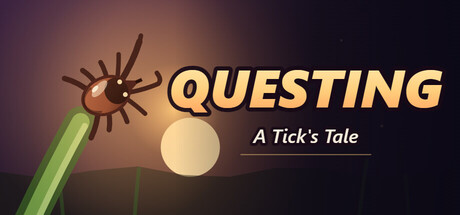 Questing: A Tick's Tale In-game content audioart | AI was used to generate music and game store art. | John F Montgomery II | - | Aug 16, 2026 | |
 Eyesnt Store/marketing arttext | Generative AI was used as an assistive tool in preparing parts of the game’s Steam store presence and marketing materials. This includes some store page artwork and promotional assets, short and long descriptions, store metadata, and localized versions of these materials.
All AI-assisted content was reviewed, edited, and approved by the development team before publication. No content is generated by AI during gameplay. | Ravenholm Interactive | - | Aug 16, 2026 | |
 KKUL-TTEOK! art | Some visual assets in this game, including character designs, were initially
generated using AI image tools and subsequently refined and adapted by the developer.
All AI-generated visual assets (character designs, icons, screenshots/trailer materials,
etc.) are being fully replaced with hand-crafted or licensed content. | YOUNGJUN0316 | - | Aug 16, 2026 | |
 Gameoverd In-game content art | Certain visual assets incorporated into the final product were subject to a multi-stage development, revision, and production process involving, at intermediate stages of asset preparation, generative AI-assisted material, together with subsequent developer-directed editing, alteration, reconstruction, and final implementation. | Daniel Manzie | - | Aug 16, 2026 | |
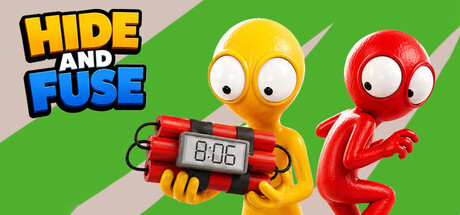 Hide and Fuse In-game content art | The posters on the walls of the in-game course were generated with AI. | HideandFuse | - | Aug 16, 2026 | |
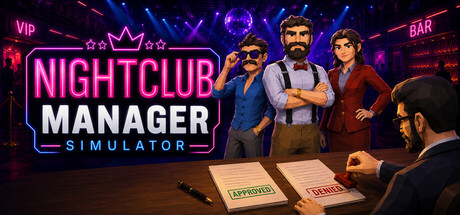 NighClub Manager Simulator Store/marketing art | Game logo was generated using Google Gemini. | OzKay Studios | - | Aug 16, 2026 | |
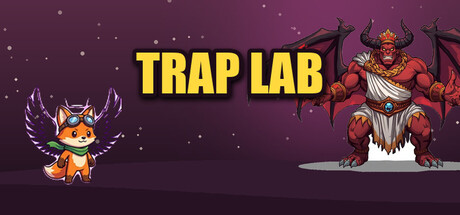 TRAP LAB In-game content art | Much of the 2D artwork in TRAP LAB — character sprites, enemy and boss art, and cutscene illustrations — was created with the help of generative AI image tools. Every generated image was hand-selected, edited, and assembled by the developer before being used in the game. The game's code, level design, and audio are hand-made and are not AI-generated. | Boohsted | - | Aug 16, 2026 | |
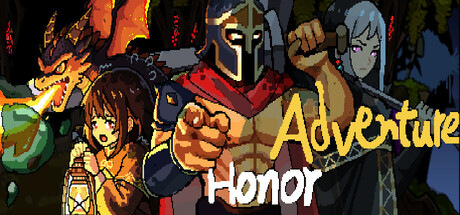 Adventure Honor In-game content artaudio | The character skill map and background scene background map use some AI, and the background music uses some AI | Laing Game | - | Aug 16, 2026 | |
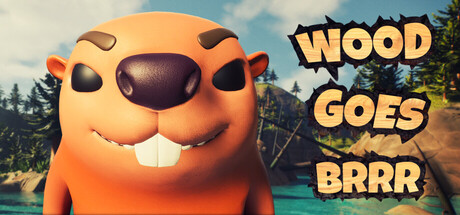 Wood Goes Brrr In-game content audio | Some musical tracks were created with the help of AI. | PixelGuse | - | Aug 15, 2026 | |
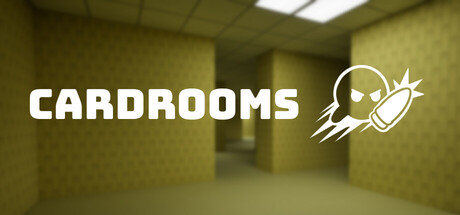 Cardrooms In-game content art | The game's character artwork was created with the assistance of generative AI. Generative AI is not used to generate content during gameplay. | DriftVale | - | Aug 14, 2026 | |
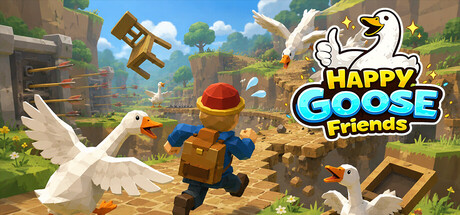 happy goose friends Unclear audio | music | not goose | - | Aug 14, 2026 | |
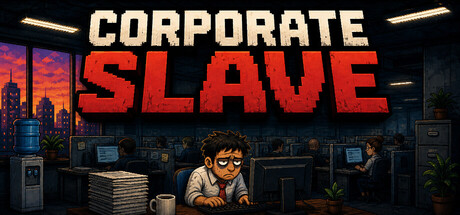 Corporate Slave In-game content artcode | Generative AI was used during development to assist with logos, graphical assets, and portions of the game’s code. | ATK-Play | - | Aug 14, 2026 | |
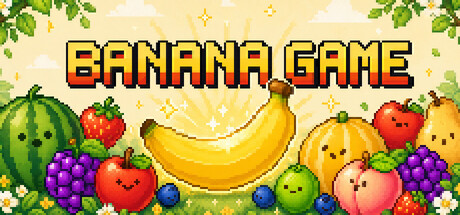 Banana Game Dev only codetext | AI tools were used during development to assist with coding and to create internal task, references and supporting documentation. The game does not include any player-facing generative AI features. | Mainu Studio | - | Aug 14, 2026 | |
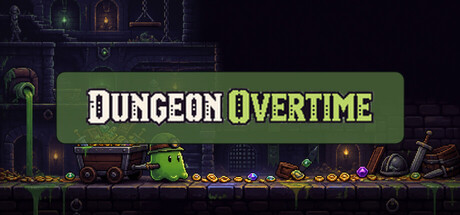 Dungeon Overtime Store/marketing art | Generative AI was used to create and refine some pre-generated visual assets, including the game logo and Steam store capsule artwork. All AI-assisted assets are reviewed, edited, and curated by the developer before inclusion. The game does not generate content during gameplay and does not connect to external AI services. | Orange Slug Studios | - | Aug 14, 2026 | |
 Terrible Forest Management In-game content art | I used AI to help create player models | SwampMeister Games | - | Aug 14, 2026 | |
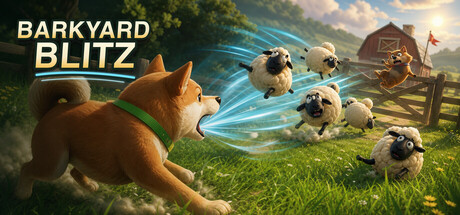 Barkyard Blitz Store/marketing textart | Generative AI tools assisted with English Steam store-page copy, and were used to create pre-generated illustrative key art for Steam store capsules, library artwork, and the store-page background. All AI-assisted outputs are reviewed, edited, integrated, and tested by the developer. The artwork is promotional and is not presented as gameplay footage; screenshots and trailers are captured from the actual game. The game does not use generative AI at runtime or generate live player-facing content. | Automata Games | - | Aug 14, 2026 | |
 Carry Bros: Find It Together In-game content art | AI-generated art object | Red Suns Tech | - | Aug 14, 2026 | |
 FastFoo In-game content art | no ai assets inside the game, just the store capsule | Play365 | - | Aug 14, 2026 | |
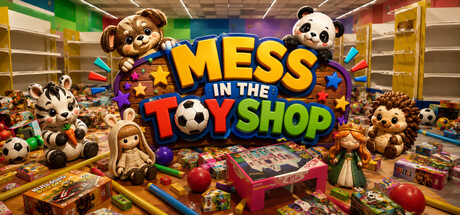 Mess in the Toy Shop In-game content audio | Some of the audio assets and objects were created with the assistance of AI tools. | Trigarb | - | Aug 14, 2026 | |
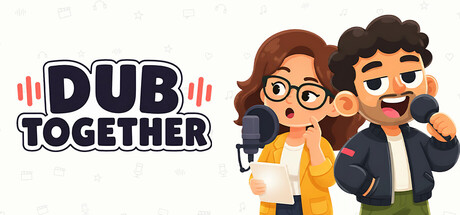 Dub Together In-game content arttext | Some of the artwork in this game was made with AI image generators and edited by hand afterwards. This covers the two player characters, the logo, the menu icons and the curtain texture. The English interface texts were written with the help of a language model and reviewed afterwards. The German texts are written by hand.
The bundled Pack Creator uses a speech recognition model to find the spoken parts of a video you supply yourself and turn them into the lines you read out. An AI noise filter for your microphone recordings and AI-based separation of speech and background audio work the same way. All of this runs locally on your own machine and never sends data to an external service. These models only process material you provide yourself, they do not invent content of their own, and the result stays inside your own lobby. | Banani | - | Aug 14, 2026 | |
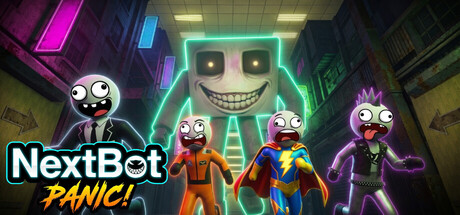 NextBot PANIC! Store/marketing arttext | This game is a solo project developed by a student. Due to limited resources and budget, Generative AI tools were utilized to create store page visuals and capsule designs, as well as to localize and draft store descriptions; these elements were personally edited, refined, and finalized by the developer. | GalaverseCreations | - | Aug 14, 2026 | |
 超・精米神 極旨Light-M In-game content art | 一部演出動画とゲーム内画面イラストを生成AIが使われております。
また、ヒロインキャラも生成AIにて作成されております。 | 米パチ製作委員会 | - | Aug 14, 2026 | |
 Ship Happens: Pirates Wanted Store/marketing art | We used generative AI for some promotional artwork. No AI is used in the game itself. | Grimoire Entertainment | - | Aug 14, 2026 | |
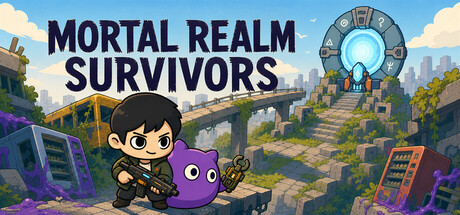 凡界幸存者 In-game content art | Generative AI tools were used during development to create pre-generated 2D visual assets included in the game. These assets may include character, item, environment, and user interface artwork. All AI-generated assets are reviewed, selected, and adjusted by the developer before being included in the game. The game does not use generative AI during runtime and does not connect to any live generative AI service. | 方四枪 | - | Aug 14, 2026 | |
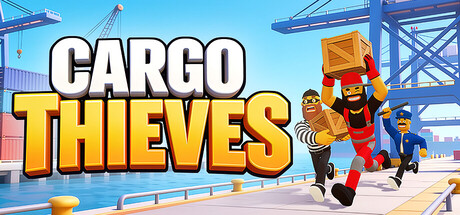 Cargo Thieves In-game content audiotextart | The music, dialogues, and artworks were partially created using AI tools. | Digital Melody | - | Aug 14, 2026 | |
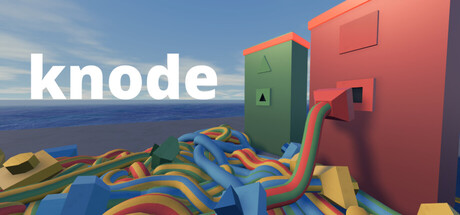 Knode: Untangle & Connect In-game content audiotext | Generative AI was used to produce the English voice-over for the in-game AI character. This was an intentional creative choice because the character itself is an artificial intelligence. AI also assisted with localization; however, responsibility for the final content rests with a human. | BusFactorOne | - | Aug 14, 2026 | |
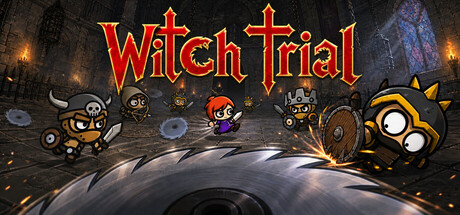 WitchTrial In-game content artaudiotextcode | AI has assisted with graphics, audio, code, text. | QuadPixel | - | Aug 14, 2026 | |
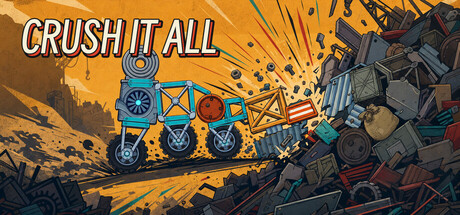 CRUSH IT ALL In-game content artcode | This game uses artificial intelligence to assist in generating art assets and supplementing the game code architecture. (AI was not used for game design or music.) | Summer Poem | - | Aug 14, 2026 | |
 挂机猫猫传 In-game content art | Some character art was created with AI assistance | 狮子 | 63 | Aug 13, 2026 | |
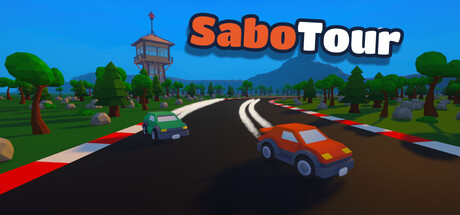 SaboTour In-game content art | The observation tower model in SaboTour was initially created using an
AI-based 3D generation tool, then manually repaired, retopologized and
finished in Blender. No other AI-generated content is included, and the
game does not generate any content using AI while it is running. | Adaa | - | Aug 13, 2026 | |
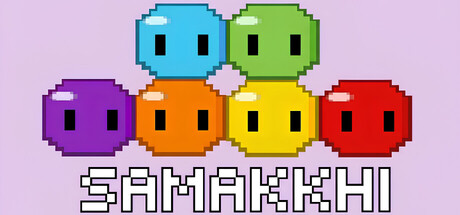 SAMAKKHI In-game content artaudio | Some models and sound effects in this game were created using AI. | jepmem | - | Aug 13, 2026 | |
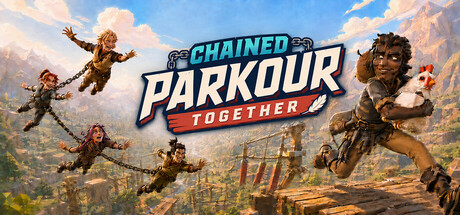 Chained Parkour Together Store/marketing art | It has been used in the store page images. | cnsgames | - | Aug 13, 2026 | |
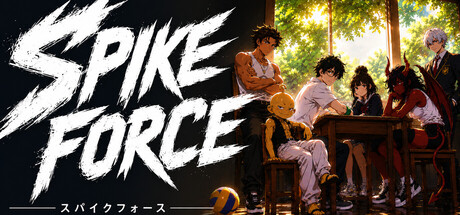 Spike Force In-game content artaudiocode | Some aspects of code, art, and sound effects were generated with the use of LLMs. | Deep Six Game Studios | - | Aug 13, 2026 | |
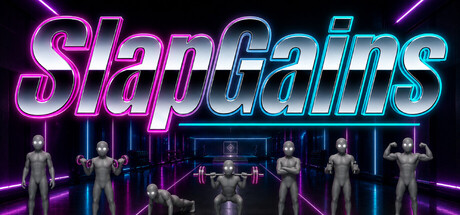 SLAPGAINS In-game content textart | AI tools were used for the translations, and the store page artwork. All screenshots show real gameplay. | OverLKD Studio | - | Aug 13, 2026 | |
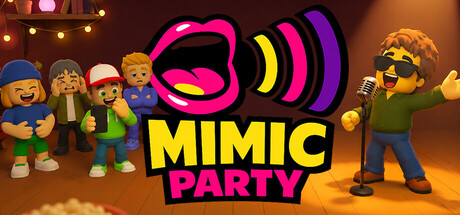 Mimic Party In-game content artaudio | Some of the game's 2D illustration assets and sound reference material were
created with the help of AI tools during development, then reviewed,
edited and validated by hand before shipping.
No content is generated at runtime. | FoliesAPP | - | Aug 13, 2026 | |
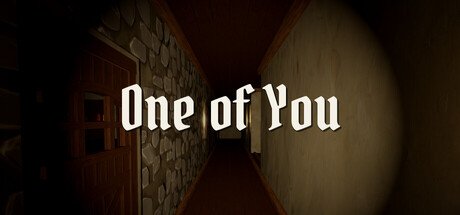 One Of You In-game content artaudio | Some sound effects and decorative artwork in this game were created using generative AI tools. The game's design, mechanics, level structure, and written content were created by the developer. AI-generated content is limited to supporting assets only. | NarkiArchitect | - | Aug 13, 2026 | |
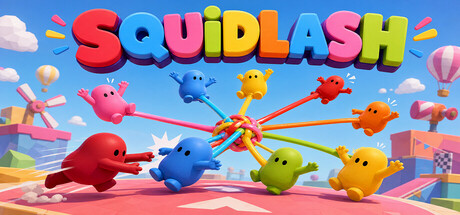 Squidlash Store/marketing art | Pre-generated AI tools were used to create store page and marketing artwork (capsules, key art, banners, broadcast panels). No AI-generated content ships inside the game itself: all in-game visuals are built procedurally in code or come from CC0 asset kits. No live-generated AI content. | Squidlash Games | - | Aug 13, 2026 | |
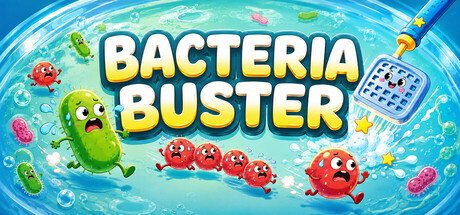 Bacteria Buster In-game content artaudiocode | Generative AI tools are used to create part of the game's artwork, music soundtrack and programming auxiliary content. All AI-generated materials have been manually reviewed, adjusted and optimized by our team to match the game's overall style and gameplay experience. | Programmer Xiaohui | - | Aug 13, 2026 | |
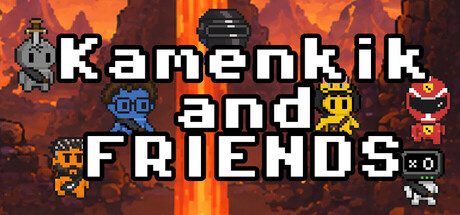 Kamenkik and Friends In-game content art | Generative AI was used during development to create certain promotional artwork and some environmental background art. All gameplay mechanics, programming, level design, characters, animations, UI, and game systems were created and curated by the developer. The game does not use live-generated AI content during gameplay. | Kamencic Games | - | Aug 13, 2026 | |
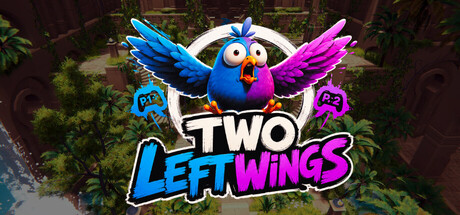 Two Left Wings In-game content audioart | We use generative AI tools during the pre-production phase to create specific pre-rendered assets for the final game build. Specifically, AI assistance was utilized to generate elements of the instrumental soundtrack, ambient sound effects, and select minor environment/prop assets within the game world. No AI content is generated live or dynamically during gameplay, and all assets have been thoroughly reviewed to ensure they do not infringe on existing copyrights. | DualBit Studios | - | Aug 13, 2026 | |
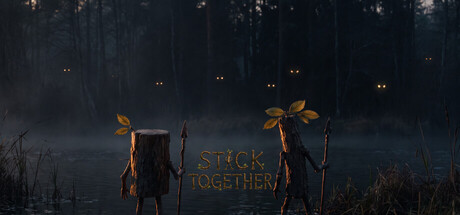 Stick Together In-game content art | Some environment and concept art in Stick Together was created with the help of generative AI tools, then edited and approved by our team. All visuals are fixed at release, and players cannot generate their own AI content in‑game. | 2Bad Ideas | - | Aug 13, 2026 | |
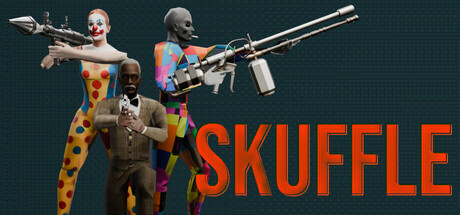 Skuffle In-game content art | Generative AI was occasionally used to prototype assets and give ideas\reference for assets. It was also occasionally used to generate normal maps on textures I had created. Sometimes this had disastrous results. | iddy Games | - | Aug 13, 2026 | |
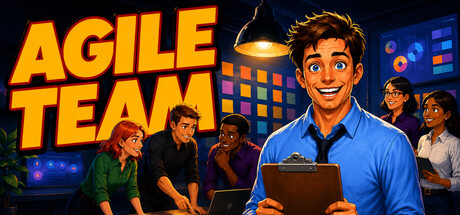 Agile Team In-game content art | AI assisted in asset generation and editing of game and marketing materials. | Agile Team | - | Aug 12, 2026 | |
 Motel Owner Simulator In-game content artaudiotext | Generative AI was used to create some in-game character artwork, images used in cutscenes, and to assist with voice-over and subtitle creation. | GOGAME | - | Aug 12, 2026 | |
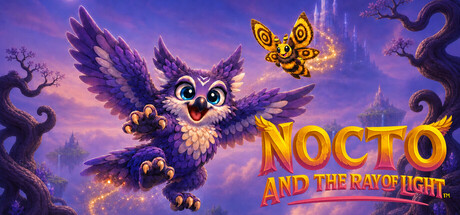 Nocto And The Ray Of Light Store/marketing artcode | Generative AI used for game box art, 3d modelling and vibe coding assistance. | Spacefarer Retro Remasters LLC | - | Aug 12, 2026 | |
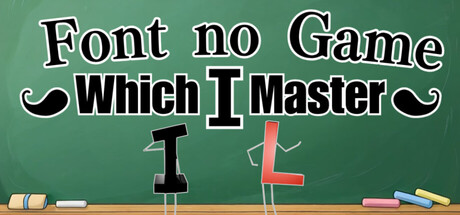 フォントのげぇむ ~Which I Master~ In-game content art | In this game, we used Adobe Firefly to generate and edit some of the backgrounds, live-action footage, and effects materials. | happyyylemon8 | - | Aug 11, 2026 | |
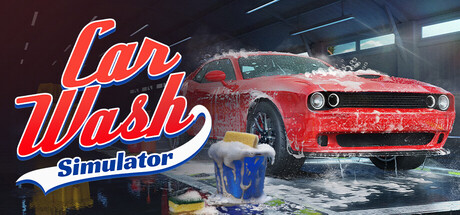 Car Wash Simulator In-game content artaudio | As a solo developer working with a limited budget, I used generative AI tools to help bring my vision to life and add more variety to the game. Specifically, AI generated 10-20 graphical assets and assisted in creating about half of the game's music tracks. The vast majority of the game (over 95%) - including all core design, programming, and mechanics was created entirely by hand. | Majestic Twelve | 60 | Aug 11, 2026 | |
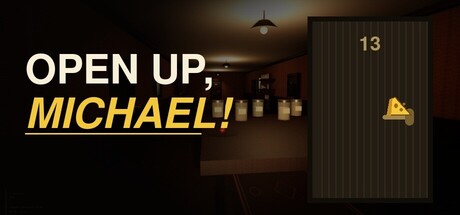 OPEN UP, MICHAEL! In-game content arttext | Pre-generated generative AI was used during development for selected static artwork and portions of player-facing writing and localization. All such content is fixed in the shipped build and was reviewed and edited during development. The game does not contact an AI service or generate content during play. | LetsAdventurePlay | - | Aug 11, 2026 | |
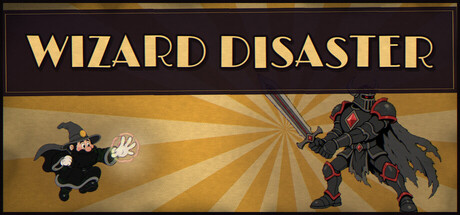 Wizard Disaster In-game content artaudiocode | Wizard Disaster was made by a solo developer, using generative AI tools as part of the production pipeline.
Art. Character, boss and background artwork, and the source frames the animations are built from, were produced with generative image and video tools. Everything was then cut, keyed, aligned, retimed and composited by hand into the sheets the game actually plays. The generated output is the raw material, not the finished asset. Concept passes were made the same way.
Audio. The music and most of the sound effects were generated with Suno, then trimmed, pitched, levelled and fitted to the length of the action each one accompanies. Not all of the audio is generated: a number of the effects are synthesised procedurally in code from a 1930s orchestra-pit palette, and the wizard's own voice (his cries and shouts) are human recordings.
Code. Generative AI was used as a programming assistant during development, and to build and run the automated test harnesses that measure boss pacing, damage output and medal times. Those harnesses are development-only tooling and are not part of the shipped game.
The game contains no live-generated AI content. Nothing is generated while you play, and the game makes no network or AI service calls at runtime. | Slimboy M. | - | Aug 11, 2026 | |
 Cleandows XP In-game content artcodetextaudio | Generative AI tools were used during development to create pre-generated visual assets, UI graphics, in-game text, character content, fictional file contents, audio, and localization. All AI-generated content was reviewed and edited by the development team before being included in the game. The game does not use generative AI at runtime or generate content live for players. | QP Games | - | Aug 11, 2026 |


