Public Steam disclosure research25,383 disclosures tracked
Where do games disclose AI use?
Search developers’ Steam disclosures, compare classified AI use across
games, and follow recorded changes.
This index adds cross-game classifications and statistics to
statements published on individual store pages.
Groups reflect automatic analysis of public disclosures; mature records are excluded. These counts do not measure AI use across all of Steam.
Missing or unclear statements cannot establish whether a game uses AI.
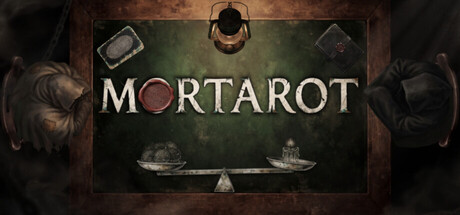
Some of MORTAROT's visual assets were created with the assistance of generative AI image tools and then edited, composited, and refined by hand by the artist. Some interface text and the English localization were drafted with AI assistance and reviewed by the team. AI coding assistants were also used during development. All AI-generated content has been reviewed to ensure that it does not contain infringing or illegal material.
As a solo developer, I used generative AI tools during the development process to assist with creating game assets (such as character artwork and item graphics), composing background music, and generating or refining code snippets. All AI-assisted content was pre-generated prior to release and manually curated. No AI content is generated live during gameplay.
Generative AI was used during development to assist with code, artwork, in-game text such as death messages, and store page text. All AI-generated content was reviewed and edited by the developer. No AI runs during gameplay - the game is fully offline and generates no content at runtime.
Generative AI tools were used during development to create and refine selected 2D artwork and UI elements, and to assist with some narrative text and localization. All AI-assisted content was reviewed, edited, and integrated by the developer. The game does not generate content using AI during gameplay.
Generative AI was used to assist in creating some visual assets, dialogue, and localization for the game. AI-generated visual assets were manually pixel-edited, recolored, and refined by the developer to match the game's art style. AI-assisted dialogue and localization were reviewed and edited by the developer before being included in the game. No generative AI content is created dynamically during gameplay.
Generative AI tools were used during development to assist in creating visual promotional artwork, UI graphics, and character concept designs. All AI-generated assets were reviewed, modified, and curated by the developer to ensure quality and consistency with the game's art style. No real-time AI content generation is used during gameplay.
This game is currentilty making use of 2 AI generate models among all other hand crafted models for the PLAYTEST alone and will be changed during DEMO and FULL RELEASE.
Some game assets were created with AI assistance under paid commercial licenses: background art and the title logo (image generation), BGM (Suno), and sound effects (ElevenLabs). All AI-generated assets are recorded in an internal license ledger, were generated on paid plans permitting commercial use, and were reviewed by the developer before inclusion.
The core mechanic uses AI at runtime: the player draws a creature and enters a name for it, and both the drawing and the player-supplied name are sent to a vision AI model, which evaluates them and produces the creature's element, size, stats, move names and descriptions, catchphrase, and flavor text. The creature always carries the name the player typed: the model returns a suggested name, but the server discards it whenever the player supplied one, and falls back to the model's name only when the player leaves the field blank. Guardrails: (1) every submission passes a server-side moderation gate before any sharing — CSAM is absolutely blocked with evidence preservation and reporting, and clearly NSFW content is auto-rejected; (2) all player-visible text generated by AI is length-clamped and moderated (names, catchphrases, flavor text, move names); (3) shared content (ghost teams) is moderated again server-side, is opt-in, expires automatically (TTL), and there is no public gallery; (4) a player report channel (notice-and-takedown) is provided in-game and on the official site; (5) battle results are computed deterministically by game rules, not by AI.
Generative AI was used during development to assist with the creation of some visual assets, including concept exploration, initial image generation, and partial redraws. All such assets were reviewed, edited, integrated, and finalized by the developer.
The game does not use generative AI at runtime and does not generate any content live.
This game uses generative AI as part of its development process.
AI-assisted tools were used to help create and refine some visual assets, UI elements, icons, text drafts, and localization drafts. These materials were reviewed, edited, and integrated by the developer before being included in the game.
The game does not generate new AI content in real time during gameplay. All content shown to players is pre-made, reviewed, and included as part of the game build.
Chat: replies in the in-game messenger MoChat are generated by a small language model running locally on your PC — characters follow hand-written, all-ages personas and safety rules, and in local mode no chat data ever leaves your machine. Some assets began as AI-generated drafts (3D base models, some icons)
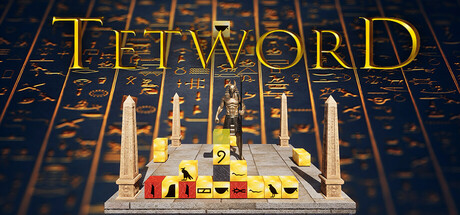
Some of the art assets in TETWORD were created with the help of generative AI tools. Certain textures and 2D artwork were produced using AI image-generation tools, and some 3D models were generated using Meshy AI. Generative AI assistants (ChatGPT and Claude) were also used during development. All AI-assisted assets were reviewed, edited, and curated by the developer before being included in the game. The game's design, code, gameplay, and word content were created by the developer.
Generative AI was used to assist in creating some UI elements and sound effects. All AI-generated assets were reviewed and edited by the developer before being included in the game.
Hi! I’m a solo indie developer working on this game during my free time outside of daily life.
To bring this project to life with limited time and resources, I used AI tools to assist parts of the development process, such as brainstorming, early prototypes, draft writing, and iteration support.
However, the core game design, gameplay systems, story structure, balancing, and final implementation were all personally planned, edited, and integrated by me.
AI is a tool that helps me turn ideas into something playable—it does not replace the creative decisions behind this game.
I know people may have different opinions about AI, so I want to be transparent about it.
Thank you for playing and supporting my work.
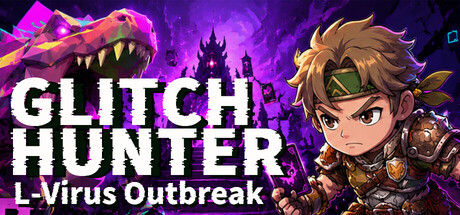
I hope you enjoy exploring this broken, virus-corrupted world.
This game contains pre-generated AI content in its visual assets. The following were created with AI image generation
tools during development:
• Character portraits and background art: Midjourney niji7
• CG cutscene images: Kling AI
• Top-down pixel art sprites: ComfyUI (Stable Diffusion XL)
• Store page capsule images: Midjourney niji7
All AI-generated assets have been commercially licensed, manually reviewed, and post-processed by the development
team. All narrative, dialogue, and game design were written entirely by humans. No AI content is generated during
gameplay.
Development of this game uses AI coding agents. Some procedural shader code shipping in the game was written by coding agents following human-made designs. All designs, music, and art styles are created by humans. All in-game text is written or edited by a human before release; no generated text ships unreviewed. No AI content is generated at runtime.
Generative AI was used only to create the game's promotional trailer and Steam store banner art (capsule images). No AI-generated content, art, audio, code, or text is used within the game itself. The final gameplay is entirely hand-crafted.
Generative AI tools were used during the development of the game in the following areas:
Programming & Code: The vast majority of the game's codebase was written with the assistance of AI.
Graphics & Visuals: A portion of the 2D artwork, promotional graphics, and UI icons were generated or created using AI tools.
Audio & Music: AI tools were used to generate some of the soundtrack.
All AI-generated content was reviewed, edited, and integrated into the final game by human developers.
Some sound effects in this game were created with the help of generative AI tools, and edited by hand afterwards. All other assets — art, models, animation and design — were made or licensed by the developer without generative AI.
This game utilizes adaptive AI technology during gameplay to power the police interrogator's responses. Player input is evaluated live to generate dynamic, context-aware dialogue and push the interrogation forward.
Generative AI tools were used during development to assist with the creation of some game artwork, audio, localization text, and other game content. All AI-assisted outputs were reviewed and, where necessary, edited by the developer before being included in the game. The game does not generate AI content during gameplay.
Generative AI was used as an assistive tool for translating parts of the scenario and in-game text. All translated content has been thoroughly reviewed, refined, and proofread manually by the developer to ensure natural phrasing and quality.
Generative AI tools were used during the development of Bubblecore: Survivors to assist with programming and to create some of the game’s visual and audio assets. All AI-assisted content was selected, edited, integrated, and reviewed by the developer.
Generative AI is not used at runtime: the game does not connect to AI services or generate content while the player is playing.
This game was developed with the assistance of generative AI tools for certain content, including:
Some visual art assets (images/textures)
Some narrative and story text
Programming assistance
All AI-generated content has been reviewed, edited, and integrated by the developer to ensure final quality and stylistic consistency.
Generative AI was used near the end of the development process to make the colored fur on the wolves seen in the cinematic video and also used side by side with the developer to create a simple but clean UI (user interface).
Development of Wandering Bard used generative AI tools to assist with some pre-generated character portraits, environment and store artwork, narrative and dialogue text, fixed character voice recordings, and instrumental music. All of this content was generated before release, then reviewed, selected, edited and integrated by the developer. The game does not generate content during play and does not connect to external AI services during play.
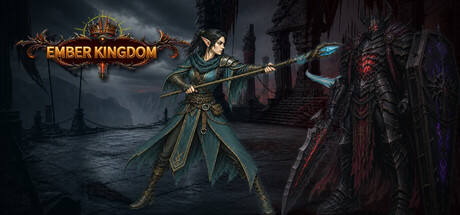
During development, Ember Kingdom used generative AI to assist in creating some pre-generated game art assets, including backgrounds, UI icons, character and monster images, visual effects, and branding artwork. All assets were manually reviewed, edited, and integrated before being added to the game, and are included with the game as fixed files.
The game does not connect to any generative AI services during gameplay, nor does it generate text, images, sound effects, characters, or other content in real time based on player input. All journeys, events, and combat outcomes in the game are determined by pre-designed data and game rules.
The background art, character art, and music in this game were created with the assistance of generative AI tools. The story and narrative text were written by humans.
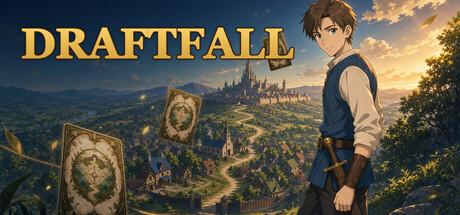
Draftfall uses pre-generated generative AI content created during development. Most 2D visual assets—including character artwork, sprites, backgrounds, card illustrations and story panels—were created with AI assistance, along with portions of the narrative and gameplay text. All content was reviewed, edited and integrated by the developer. Draftfall does not generate AI content during gameplay or connect to generative AI services while running.
This game contains game assets created with machine learning technology and refined through human review and editing. Developed by Hayden-Fisher Technologies, Inc. (an independently owned tech consulting and engineering corporation).
Some of MORTAROT's visual assets were created with the assistance of generative AI image tools and then edited, composited, and refined by hand by the artist. Some interface text and the English localization were drafted with AI assistance and reviewed by the team. AI coding assistants were also used during development. All AI-generated content has been reviewed to ensure that it does not contain infringing or illegal material.
As a solo developer, I used generative AI tools during the development process to assist with creating game assets (such as character artwork and item graphics), composing background music, and generating or refining code snippets. All AI-assisted content was pre-generated prior to release and manually curated. No AI content is generated live during gameplay.
Generative AI was used during development to assist with code, artwork, in-game text such as death messages, and store page text. All AI-generated content was reviewed and edited by the developer. No AI runs during gameplay - the game is fully offline and generates no content at runtime.
Generative AI tools were used during development to create and refine selected 2D artwork and UI elements, and to assist with some narrative text and localization. All AI-assisted content was reviewed, edited, and integrated by the developer. The game does not generate content using AI during gameplay.
Generative AI was used to assist in creating some visual assets, dialogue, and localization for the game. AI-generated visual assets were manually pixel-edited, recolored, and refined by the developer to match the game's art style. AI-assisted dialogue and localization were reviewed and edited by the developer before being included in the game. No generative AI content is created dynamically during gameplay.
Generative AI tools were used during development to assist in creating visual promotional artwork, UI graphics, and character concept designs. All AI-generated assets were reviewed, modified, and curated by the developer to ensure quality and consistency with the game's art style. No real-time AI content generation is used during gameplay.
This game is currentilty making use of 2 AI generate models among all other hand crafted models for the PLAYTEST alone and will be changed during DEMO and FULL RELEASE.
Some game assets were created with AI assistance under paid commercial licenses: background art and the title logo (image generation), BGM (Suno), and sound effects (ElevenLabs). All AI-generated assets are recorded in an internal license ledger, were generated on paid plans permitting commercial use, and were reviewed by the developer before inclusion.
The core mechanic uses AI at runtime: the player draws a creature and enters a name for it, and both the drawing and the player-supplied name are sent to a vision AI model, which evaluates them and produces the creature's element, size, stats, move names and descriptions, catchphrase, and flavor text. The creature always carries the name the player typed: the model returns a suggested name, but the server discards it whenever the player supplied one, and falls back to the model's name only when the player leaves the field blank. Guardrails: (1) every submission passes a server-side moderation gate before any sharing — CSAM is absolutely blocked with evidence preservation and reporting, and clearly NSFW content is auto-rejected; (2) all player-visible text generated by AI is length-clamped and moderated (names, catchphrases, flavor text, move names); (3) shared content (ghost teams) is moderated again server-side, is opt-in, expires automatically (TTL), and there is no public gallery; (4) a player report channel (notice-and-takedown) is provided in-game and on the official site; (5) battle results are computed deterministically by game rules, not by AI.
Generative AI was used during development to assist with the creation of some visual assets, including concept exploration, initial image generation, and partial redraws. All such assets were reviewed, edited, integrated, and finalized by the developer.
The game does not use generative AI at runtime and does not generate any content live.
This game uses generative AI as part of its development process.
AI-assisted tools were used to help create and refine some visual assets, UI elements, icons, text drafts, and localization drafts. These materials were reviewed, edited, and integrated by the developer before being included in the game.
The game does not generate new AI content in real time during gameplay. All content shown to players is pre-made, reviewed, and included as part of the game build.
Chat: replies in the in-game messenger MoChat are generated by a small language model running locally on your PC — characters follow hand-written, all-ages personas and safety rules, and in local mode no chat data ever leaves your machine. Some assets began as AI-generated drafts (3D base models, some icons)
Some of the art assets in TETWORD were created with the help of generative AI tools. Certain textures and 2D artwork were produced using AI image-generation tools, and some 3D models were generated using Meshy AI. Generative AI assistants (ChatGPT and Claude) were also used during development. All AI-assisted assets were reviewed, edited, and curated by the developer before being included in the game. The game's design, code, gameplay, and word content were created by the developer.
Generative AI was used to assist in creating some UI elements and sound effects. All AI-generated assets were reviewed and edited by the developer before being included in the game.
Hi! I’m a solo indie developer working on this game during my free time outside of daily life.
To bring this project to life with limited time and resources, I used AI tools to assist parts of the development process, such as brainstorming, early prototypes, draft writing, and iteration support.
However, the core game design, gameplay systems, story structure, balancing, and final implementation were all personally planned, edited, and integrated by me.
AI is a tool that helps me turn ideas into something playable—it does not replace the creative decisions behind this game.
I know people may have different opinions about AI, so I want to be transparent about it.
Thank you for playing and supporting my work.
I hope you enjoy exploring this broken, virus-corrupted world.
This game contains pre-generated AI content in its visual assets. The following were created with AI image generation
tools during development:
• Character portraits and background art: Midjourney niji7
• CG cutscene images: Kling AI
• Top-down pixel art sprites: ComfyUI (Stable Diffusion XL)
• Store page capsule images: Midjourney niji7
All AI-generated assets have been commercially licensed, manually reviewed, and post-processed by the development
team. All narrative, dialogue, and game design were written entirely by humans. No AI content is generated during
gameplay.
Development of this game uses AI coding agents. Some procedural shader code shipping in the game was written by coding agents following human-made designs. All designs, music, and art styles are created by humans. All in-game text is written or edited by a human before release; no generated text ships unreviewed. No AI content is generated at runtime.
Generative AI was used only to create the game's promotional trailer and Steam store banner art (capsule images). No AI-generated content, art, audio, code, or text is used within the game itself. The final gameplay is entirely hand-crafted.
Generative AI tools were used during the development of the game in the following areas:
Programming & Code: The vast majority of the game's codebase was written with the assistance of AI.
Graphics & Visuals: A portion of the 2D artwork, promotional graphics, and UI icons were generated or created using AI tools.
Audio & Music: AI tools were used to generate some of the soundtrack.
All AI-generated content was reviewed, edited, and integrated into the final game by human developers.
Some sound effects in this game were created with the help of generative AI tools, and edited by hand afterwards. All other assets — art, models, animation and design — were made or licensed by the developer without generative AI.
This game utilizes adaptive AI technology during gameplay to power the police interrogator's responses. Player input is evaluated live to generate dynamic, context-aware dialogue and push the interrogation forward.
Generative AI tools were used during development to assist with the creation of some game artwork, audio, localization text, and other game content. All AI-assisted outputs were reviewed and, where necessary, edited by the developer before being included in the game. The game does not generate AI content during gameplay.
Generative AI was used as an assistive tool for translating parts of the scenario and in-game text. All translated content has been thoroughly reviewed, refined, and proofread manually by the developer to ensure natural phrasing and quality.
Generative AI tools were used during the development of Bubblecore: Survivors to assist with programming and to create some of the game’s visual and audio assets. All AI-assisted content was selected, edited, integrated, and reviewed by the developer.
Generative AI is not used at runtime: the game does not connect to AI services or generate content while the player is playing.
This game was developed with the assistance of generative AI tools for certain content, including:
Some visual art assets (images/textures)
Some narrative and story text
Programming assistance
All AI-generated content has been reviewed, edited, and integrated by the developer to ensure final quality and stylistic consistency.
Generative AI was used near the end of the development process to make the colored fur on the wolves seen in the cinematic video and also used side by side with the developer to create a simple but clean UI (user interface).
Development of Wandering Bard used generative AI tools to assist with some pre-generated character portraits, environment and store artwork, narrative and dialogue text, fixed character voice recordings, and instrumental music. All of this content was generated before release, then reviewed, selected, edited and integrated by the developer. The game does not generate content during play and does not connect to external AI services during play.
During development, Ember Kingdom used generative AI to assist in creating some pre-generated game art assets, including backgrounds, UI icons, character and monster images, visual effects, and branding artwork. All assets were manually reviewed, edited, and integrated before being added to the game, and are included with the game as fixed files.
The game does not connect to any generative AI services during gameplay, nor does it generate text, images, sound effects, characters, or other content in real time based on player input. All journeys, events, and combat outcomes in the game are determined by pre-designed data and game rules.
The background art, character art, and music in this game were created with the assistance of generative AI tools. The story and narrative text were written by humans.
Draftfall uses pre-generated generative AI content created during development. Most 2D visual assets—including character artwork, sprites, backgrounds, card illustrations and story panels—were created with AI assistance, along with portions of the narrative and gameplay text. All content was reviewed, edited and integrated by the developer. Draftfall does not generate AI content during gameplay or connect to generative AI services while running.
This game contains game assets created with machine learning technology and refined through human review and editing. Developed by Hayden-Fisher Technologies, Inc. (an independently owned tech consulting and engineering corporation).