Public Steam disclosure research25,383 disclosures tracked
Where do games disclose AI use?
Search developers’ Steam disclosures, compare classified AI use across
games, and follow recorded changes.
This index adds cross-game classifications and statistics to
statements published on individual store pages.
Groups reflect automatic analysis of public disclosures; mature records are excluded. These counts do not measure AI use across all of Steam.
Missing or unclear statements cannot establish whether a game uses AI.
Some 2D store and marketing assets — such as store capsule images, achievement icons, and key art — were created using AI image-generation tools and then refined and composited by hand. All gameplay, code, level design, and game systems are made by the developer without generative AI. All AI-assisted assets are reviewed to ensure they are appropriate and comply with Steam's rules.
Generative AI was used during the development of this game to assist with:
- Generating static illustrations for in-game achievement icons.
- Generating placeholder sound effects to be swapped before exiting EA
Store page artwork (capsule images and header) was created with
the assistance of AI image generation tools (Stable Diffusion /
Flux). All in-game content, text, and gameplay logic is
human-authored. No AI is used to generate content during gameplay.
Some of the games text was drafted with the assistance of generative AI and then edited by hand by developers before inclusion.
The game's audio is procedurally synthesized in-engine (algorithmic DSP) and layered with real & recorded audio by the developers. not produced by a generative AI model.
Some of the games 3D model primitive shapes were drafted with the assistance of generative AI, but finalized by hand.
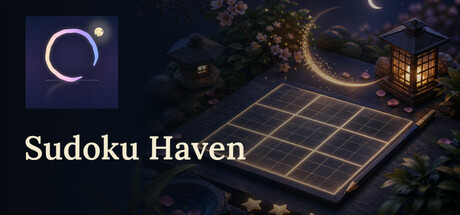
Some of this game's images and artwork, its background music, and parts of its translated text were created with the help of generative AI tools. All AI-assisted content was reviewed by the developer before being included. The Sudoku puzzles themselves are generated by traditional (non-AI) algorithms, and no content is generated by AI while you play.
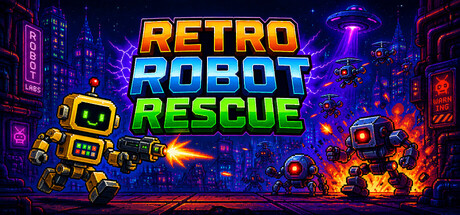
Retro Robot Rescue was developed with the assistance of generative AI tools. AI assisted tools were used during development to help create and refine certain visual assets, music, sound effects, localization content, marketing materials, and portions of the game's code. All content included in the final game was selected, reviewed, edited, and integrated by the developer.
This game uses generative AI tools to create some visual assets and background images. All AI-generated content has been reviewed and edited by the developer.
Generative AI was used to assist with multilingual localization of menus, help text, store page text, and UI text.
All source text was written by the developer, and the final text was implemented by the developer.
No live-generated AI content is used during gameplay.
This game is made by a solo developer. To create a rich variety of cards on a small budget, AI was used to generate art assets for the game. All artwork was carefully reviewed and edited to achieve a consistent and high quality aesthetic.
Some visual and audio assets used in the game and its marketing materials were created or refined with the assistance of generative AI tools. All content is reviewed, edited, and integrated by the developer.
Some visual assets and voice audio used in the game were created with the assistance of generative AI tools and subsequently modified, edited, and integrated by the developer. No AI-generated content is created during gameplay.
The game contains both AI-generated and human-recorded voice acting. Some AI-generated voice lines are being used during development and may be replaced by human voice performances in future updates.
Most of the game's artwork was created by commissioned artists. A small number of outsourced illustrations are currently under review, so the game has been disclosed as containing AI-generated artwork.
Localisation: The game's interface text was localised into 11 languages (French, Spanish (Latin America), Italian, German, Portuguese (Brazil), Russian, Simplified Chinese, Korean, Japanese, Polish, Turkish) with the assistance of AI tools. All original English source text was written by the developer.
Voice-over: Some in-game voice-over was created using AI voice generation, used alongside recordings from real voice artists.
Music: Two background music tracks heard on in-game radios were generated with AI tools, then filtered and edited by the developer in FL Studio.
Store art: The capsule artwork combines a hand-made logo created by a commissioned artist with an AI-generated background.
Generative AI was used during development to assist with polishing promotional illustrations and drafting portions of the game's logic code. Some manually drawn promotional artwork was refined with AI assistance to improve less polished areas. AI-assisted code was manually reviewed by the developer, integrated by hand, and verified through local builds and hands-on playtesting before use. The game does not include player-facing real-time AI generation.
Some of the game's visual assets (boss artwork, item icons, background illustrations) and store page imagery were created using generative AI tools, then integrated and refined by hand. Gameplay design, balancing, and integration are done manually.
Hammered Heroes is a solo-developed game, with all design, direction, and gameplay built by one developer. Some 2D art assets (such as sprites and capsule art) were created with the help of generative AI image tools, then edited and assembled by the developer.
The Living Atlas uses procedural generation algorithms to create unique fantasy worlds, including terrain, biomes, river systems, and civilization simulation. These systems were developed with the assistance of large language models (LLMs) used during development for code generation and design. The store page copy and marketing assets were also created with LLM assistance. No AI-generated content is produced during gameplay — all in-game content is generated by deterministic procedural algorithms seeded by player input.
This game used generative AI tools as an aid in creating some of its visual assets, such as background illustrations and character/environment pixel art. All AI-generated output was reviewed, refined, and edited by the developer before being included in the game. No content is generated by AI in real time during gameplay.
This work incorporates the use of generative artificial intelligence (AI) in the following areas: Parts of the artwork, parts of the sound, and localization.
Parts of Hollow Orbit were made with help from generative AI tools — assisting with the game's code, some in-engine visuals and audio, and store/marketing assets like the logo and trailer graphics. All output was reviewed and finalized by the developer, and no content is generated by AI during gameplay.
Our development process makes use of generative AI tools for internal tasks such as early concept exploration - both for the game and marketing assets, as well as workflow automation. All final game assets are created by our team without AI-generated content.
As a solo developer, I used AI tools as a foundation to expand the game's scope, manually refining and finalizing every asset to ensure the final result is a high-quality, handcrafted experience.
Some visual assets in this game were created with the assistance of generative AI tools, including UI icons, skill and relic icons, character portraits and sprites, combat VFX, dungeon tile art, and menu and interface decoration. All generated images were reviewed, edited, and integrated by the development team.
Generative AI was used only as a development aid during production. All content included in the final game was reviewed and approved by the developer. The released game does not generate content using AI.
Some store assets (capsules, library art, promotional images) and some in-game terrain sprites (such as mountains and forests) started from drafts produced with AI image tools, then selected, color-graded, composited, and cropped by the developer. All publicly released assets are human-reviewed. UI, fonts, icons, player avatars, faction emblems, and other non-terrain art are drawn directly by the developer or built from licensed fonts / open-source resources — no AI generation involved. Player-to-player text messages produced at runtime by the AI model each player has chosen are disclosed separately under "Live-Generated AI".
This game uses generative AI to assist in generating some text and art resources. All content has been manually reviewed and adjusted, and does not affect core gameplay or content.
This game includes some AI-generated and AI-assisted content:
1. Some in-game sprites were adjusted or edited using AI tools.
2. AI was used to correct spelling and grammar in the game's text and on the store page.
3. Adjusting some of the chiptune tracks in the game to sound more musical by putting them all in key
4. Some Steam store and achievement assets were created with AI assistance, specifically generating the greyed-out (inactive) versions of the achievement icons from the colored originals, and producing the various required store image sizes from the original promotional artwork.
All AI-assisted content was manually reviewed before release.
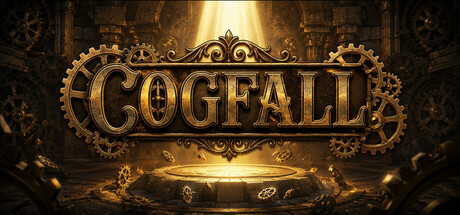
Cogfall was developed solo by Nodding Panda Studios. To bring the steampunk Clockwork Kingdom to life, AI tools were used to generate artwork and music under the creative direction of the developer. Every image and track was intentionally prompted, selected, and refined to fit the game's vision — AI served as a creative tool, not a replacement for creative decisions. All gameplay systems, code, game design, writing, and balancing were created entirely by the developer.
This game uses generative AI during development for pre-rendered visual assets, store capsule and library artwork, icons, textures, and supporting marketing images. AI-generated material is reviewed and edited before inclusion. The game does not generate AI content for players during gameplay.
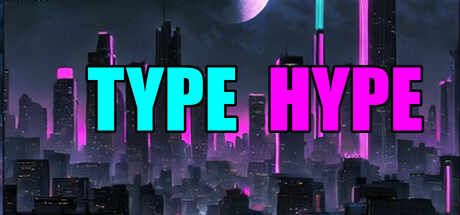
TYPE HYPE's static visual assets — the main-menu skyline background, achievement icons (34 color + 34 grayscale variants = 68 PNGs), exhibition-level theme backgrounds (15 themes × 6 layer files = 90 PNGs), and Steam capsule backgrounds — were created with the assistance of generative AI image tools (primarily OpenAI's GPT image generation). All AI-generated assets were curated, selected, and approved by the developer. No AI runs at runtime in the shipped product. Music (59 tracks) is human-composed and sourced from Pixabay under the Pixabay Content License. Code was written collaboratively by the developer with an AI coding assistant. The game contains no AI-generated content shown to players during gameplay (procedural music layering is rule-based, not AI).
This game was designed and developed entirely by humans. Generative AI was only used to assist with the translation and localization of in-game text. No AI-generated artwork, audio, gameplay content, or narrative content is included in the game.
We currently use AI for some of the audio dialogue as well as some of the placeholder 2D art assets. Our goal is to get art made for these where possible and we already have a voice actor and musician on board who is working on our audio.
In the development of this game, generative AI tools are used in the processes of programming code assistance and multilingual text translation to improve efficiency and quality.
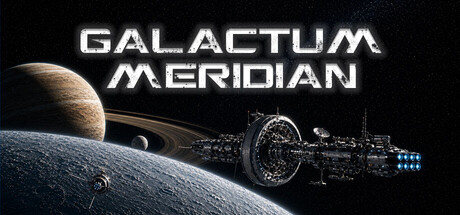
Galactum Meridian was developed with generative AI assistance under direct human creative direction. AI tools supported coding, writing, design exploration, production workflows, and selected visual and promotional assets. All material was reviewed, edited, and integrated by the developer. The game does not use live generative AI during gameplay.
Our team used generative AI tools to help develop some in-game card images and the images for our Steam Achievements. For any assets acquired from third-party artists, we were not always able to confirm whether generative AI was used in their creation. This is the full extent of our AI usage.
Some 2D artwork, in-game images, item icons, and promotional/store images were created with the help of generative AI tools during development. These assets were manually reviewed and edited before use. The game does not use live generative AI to create content during gameplay.
AI tools were used to generate store/marketing illustrations (capsule, hero, banners, trailer). All in-game graphics are procedurally generated in real time and do not use AI
The game's narration engine is a deterministic template system with zero runtime AI. The template/fragment library it draws from was hand-crafted in English, and then mass-localized during development using a large language model and then human-curated. No AI image generation was used: all art, icons, and store assets are procedurally rasterized from hand-authored primitive op-lists. The game contains no live/runtime AI generation.
Some 2D store and marketing assets — such as store capsule images, achievement icons, and key art — were created using AI image-generation tools and then refined and composited by hand. All gameplay, code, level design, and game systems are made by the developer without generative AI. All AI-assisted assets are reviewed to ensure they are appropriate and comply with Steam's rules.
Generative AI was used during the development of this game to assist with:
- Generating static illustrations for in-game achievement icons.
- Generating placeholder sound effects to be swapped before exiting EA
Store page artwork (capsule images and header) was created with
the assistance of AI image generation tools (Stable Diffusion /
Flux). All in-game content, text, and gameplay logic is
human-authored. No AI is used to generate content during gameplay.
Some of the games text was drafted with the assistance of generative AI and then edited by hand by developers before inclusion.
The game's audio is procedurally synthesized in-engine (algorithmic DSP) and layered with real & recorded audio by the developers. not produced by a generative AI model.
Some of the games 3D model primitive shapes were drafted with the assistance of generative AI, but finalized by hand.
Some of this game's images and artwork, its background music, and parts of its translated text were created with the help of generative AI tools. All AI-assisted content was reviewed by the developer before being included. The Sudoku puzzles themselves are generated by traditional (non-AI) algorithms, and no content is generated by AI while you play.
Retro Robot Rescue was developed with the assistance of generative AI tools. AI assisted tools were used during development to help create and refine certain visual assets, music, sound effects, localization content, marketing materials, and portions of the game's code. All content included in the final game was selected, reviewed, edited, and integrated by the developer.
This game uses generative AI tools to create some visual assets and background images. All AI-generated content has been reviewed and edited by the developer.
Generative AI was used to assist with multilingual localization of menus, help text, store page text, and UI text.
All source text was written by the developer, and the final text was implemented by the developer.
No live-generated AI content is used during gameplay.
This game is made by a solo developer. To create a rich variety of cards on a small budget, AI was used to generate art assets for the game. All artwork was carefully reviewed and edited to achieve a consistent and high quality aesthetic.
Some visual and audio assets used in the game and its marketing materials were created or refined with the assistance of generative AI tools. All content is reviewed, edited, and integrated by the developer.
Some visual assets and voice audio used in the game were created with the assistance of generative AI tools and subsequently modified, edited, and integrated by the developer. No AI-generated content is created during gameplay.
The game contains both AI-generated and human-recorded voice acting. Some AI-generated voice lines are being used during development and may be replaced by human voice performances in future updates.
Most of the game's artwork was created by commissioned artists. A small number of outsourced illustrations are currently under review, so the game has been disclosed as containing AI-generated artwork.
Localisation: The game's interface text was localised into 11 languages (French, Spanish (Latin America), Italian, German, Portuguese (Brazil), Russian, Simplified Chinese, Korean, Japanese, Polish, Turkish) with the assistance of AI tools. All original English source text was written by the developer.
Voice-over: Some in-game voice-over was created using AI voice generation, used alongside recordings from real voice artists.
Music: Two background music tracks heard on in-game radios were generated with AI tools, then filtered and edited by the developer in FL Studio.
Store art: The capsule artwork combines a hand-made logo created by a commissioned artist with an AI-generated background.
Generative AI was used during development to assist with polishing promotional illustrations and drafting portions of the game's logic code. Some manually drawn promotional artwork was refined with AI assistance to improve less polished areas. AI-assisted code was manually reviewed by the developer, integrated by hand, and verified through local builds and hands-on playtesting before use. The game does not include player-facing real-time AI generation.
Some of the game's visual assets (boss artwork, item icons, background illustrations) and store page imagery were created using generative AI tools, then integrated and refined by hand. Gameplay design, balancing, and integration are done manually.
Hammered Heroes is a solo-developed game, with all design, direction, and gameplay built by one developer. Some 2D art assets (such as sprites and capsule art) were created with the help of generative AI image tools, then edited and assembled by the developer.
The Living Atlas uses procedural generation algorithms to create unique fantasy worlds, including terrain, biomes, river systems, and civilization simulation. These systems were developed with the assistance of large language models (LLMs) used during development for code generation and design. The store page copy and marketing assets were also created with LLM assistance. No AI-generated content is produced during gameplay — all in-game content is generated by deterministic procedural algorithms seeded by player input.
This game used generative AI tools as an aid in creating some of its visual assets, such as background illustrations and character/environment pixel art. All AI-generated output was reviewed, refined, and edited by the developer before being included in the game. No content is generated by AI in real time during gameplay.
This work incorporates the use of generative artificial intelligence (AI) in the following areas: Parts of the artwork, parts of the sound, and localization.
Parts of Hollow Orbit were made with help from generative AI tools — assisting with the game's code, some in-engine visuals and audio, and store/marketing assets like the logo and trailer graphics. All output was reviewed and finalized by the developer, and no content is generated by AI during gameplay.
Our development process makes use of generative AI tools for internal tasks such as early concept exploration - both for the game and marketing assets, as well as workflow automation. All final game assets are created by our team without AI-generated content.
As a solo developer, I used AI tools as a foundation to expand the game's scope, manually refining and finalizing every asset to ensure the final result is a high-quality, handcrafted experience.
Some visual assets in this game were created with the assistance of generative AI tools, including UI icons, skill and relic icons, character portraits and sprites, combat VFX, dungeon tile art, and menu and interface decoration. All generated images were reviewed, edited, and integrated by the development team.
Generative AI was used only as a development aid during production. All content included in the final game was reviewed and approved by the developer. The released game does not generate content using AI.
Some store assets (capsules, library art, promotional images) and some in-game terrain sprites (such as mountains and forests) started from drafts produced with AI image tools, then selected, color-graded, composited, and cropped by the developer. All publicly released assets are human-reviewed. UI, fonts, icons, player avatars, faction emblems, and other non-terrain art are drawn directly by the developer or built from licensed fonts / open-source resources — no AI generation involved. Player-to-player text messages produced at runtime by the AI model each player has chosen are disclosed separately under "Live-Generated AI".
This game uses generative AI to assist in generating some text and art resources. All content has been manually reviewed and adjusted, and does not affect core gameplay or content.
This game includes some AI-generated and AI-assisted content:
1. Some in-game sprites were adjusted or edited using AI tools.
2. AI was used to correct spelling and grammar in the game's text and on the store page.
3. Adjusting some of the chiptune tracks in the game to sound more musical by putting them all in key
4. Some Steam store and achievement assets were created with AI assistance, specifically generating the greyed-out (inactive) versions of the achievement icons from the colored originals, and producing the various required store image sizes from the original promotional artwork.
All AI-assisted content was manually reviewed before release.
Cogfall was developed solo by Nodding Panda Studios. To bring the steampunk Clockwork Kingdom to life, AI tools were used to generate artwork and music under the creative direction of the developer. Every image and track was intentionally prompted, selected, and refined to fit the game's vision — AI served as a creative tool, not a replacement for creative decisions. All gameplay systems, code, game design, writing, and balancing were created entirely by the developer.
This game uses generative AI during development for pre-rendered visual assets, store capsule and library artwork, icons, textures, and supporting marketing images. AI-generated material is reviewed and edited before inclusion. The game does not generate AI content for players during gameplay.
TYPE HYPE's static visual assets — the main-menu skyline background, achievement icons (34 color + 34 grayscale variants = 68 PNGs), exhibition-level theme backgrounds (15 themes × 6 layer files = 90 PNGs), and Steam capsule backgrounds — were created with the assistance of generative AI image tools (primarily OpenAI's GPT image generation). All AI-generated assets were curated, selected, and approved by the developer. No AI runs at runtime in the shipped product. Music (59 tracks) is human-composed and sourced from Pixabay under the Pixabay Content License. Code was written collaboratively by the developer with an AI coding assistant. The game contains no AI-generated content shown to players during gameplay (procedural music layering is rule-based, not AI).
This game was designed and developed entirely by humans. Generative AI was only used to assist with the translation and localization of in-game text. No AI-generated artwork, audio, gameplay content, or narrative content is included in the game.
We currently use AI for some of the audio dialogue as well as some of the placeholder 2D art assets. Our goal is to get art made for these where possible and we already have a voice actor and musician on board who is working on our audio.
In the development of this game, generative AI tools are used in the processes of programming code assistance and multilingual text translation to improve efficiency and quality.
Galactum Meridian was developed with generative AI assistance under direct human creative direction. AI tools supported coding, writing, design exploration, production workflows, and selected visual and promotional assets. All material was reviewed, edited, and integrated by the developer. The game does not use live generative AI during gameplay.
Our team used generative AI tools to help develop some in-game card images and the images for our Steam Achievements. For any assets acquired from third-party artists, we were not always able to confirm whether generative AI was used in their creation. This is the full extent of our AI usage.
Some 2D artwork, in-game images, item icons, and promotional/store images were created with the help of generative AI tools during development. These assets were manually reviewed and edited before use. The game does not use live generative AI to create content during gameplay.
AI tools were used to generate store/marketing illustrations (capsule, hero, banners, trailer). All in-game graphics are procedurally generated in real time and do not use AI
The game's narration engine is a deterministic template system with zero runtime AI. The template/fragment library it draws from was hand-crafted in English, and then mass-localized during development using a large language model and then human-curated. No AI image generation was used: all art, icons, and store assets are procedurally rasterized from hand-authored primitive op-lists. The game contains no live/runtime AI generation.