Public Steam disclosure research25,996 disclosures tracked
Where do games disclose AI use?
Search developers’ Steam disclosures, compare classified AI use across
games, and follow recorded changes.
This index adds cross-game classifications and statistics to
statements published on individual store pages.
Groups reflect automatic analysis of public disclosures; mature records are excluded. These counts do not measure AI use across all of Steam.
Missing or unclear statements cannot establish whether a game uses AI.
Generative AI may be used to assist with promotional store artwork and marketing assets. Gameplay screenshots are captured from the actual game. The game does not use live generative AI to create player-facing gameplay content.
The only AI-assisted visual assets in this game are several paintings used as images for the puzzles. These images were heavily edited, refined, and manually adjusted using photo editing software before being integrated into the game.
The background music and some SFX sounds were also generated with the help of AI and later slightly refined and adjusted in audio editing software.
AI is used strictly as a supportive tool during parts of the creative workflow. Final quality control, artistic direction, and implementation are fully handled manually by the developer.
Some visual assets used on this Steam page were edited or retouched using AI-assisted tools, and the achievement icons were created using generative AI / AI-assisted tools.
This game utilizes AI tools in parts of the music arrangement and sound production process. AI is used for sampling, sound design, and music production assistance, while the final adjustments, editing, and implementation are handled by the developers themselves.
LessPrep uses AI to generate educational text and images locally on your device. A language model (Qwen2.5 7B) creates lesson plans, worksheets, and goal documents. An image model (SDXL) generates classroom visual aids. All AI runs offline — no data is sent to external servers. Content moderation includes prompt filtering, safety negative prompts, and a post-generation image scanner to prevent inappropriate output.
I (the developper) am a former artist with poor skills in technical aspects of game development such as coding. In that regard, AI was used mainly to fasten the process of development of the game such as:
- help for technical aspects when I couldn't do it due to my limited skills.
- generate a database of random text events based on my own texts and mood that I want for the game. The game contains hundreds of different events that I couldn't afford to write all of them in such a short time. Events are then all checked and corrected by myself to ensure they all fit within the game.
I am not proud of using AI as I am directly concerned by it as an artist myself. But this was my only chance to fulfil my dream of making my own game in a limited time and I want to be transparent with the players that might feel uncomfortable with it.
No AI was used for any other part of the game such as art or sound effects.
All gameplay systems, game design decisions, balancing decisions, story/context decisions, implementation choices, and final creative decisions were made by the development team.
Generative AI tools were used only as assistive tools during development. This may include support for brainstorming, improving workflows, and creating or refining some static 2D visual materials used in the game and its marketing, such as item icons, UI-related images, capsule/key art elements, and visuals that may appear in trailers or screenshots.
All AI-assisted materials were reviewed, selected, edited, and approved by the developers before being included. No AI system makes gameplay decisions, controls game logic, generates levels, creates player-facing content, or produces images, videos, text, audio, or any other content in real time during gameplay.
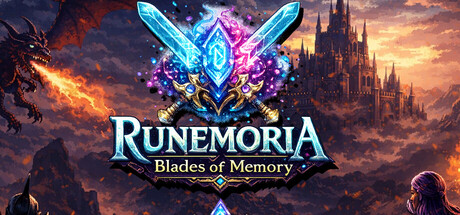
Some visual assets used in Runemoria – Blades of Memory were created with the assistance of generative AI tools and have been modified, curated, and integrated as part of the game’s development process. AI-generated content is limited to pre-rendered visual assets and does not generate gameplay content during play.
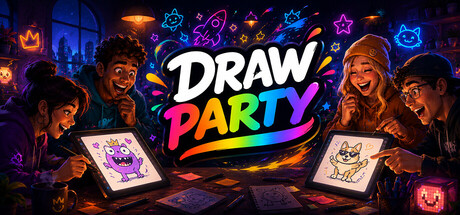
Some of the current store page artwork and promotional assets were created using generative AI tools during the early development and marketing phase of the project. As an independent project with limited resources, this approach was used to accelerate initial marketing efforts and bring the game to market more quickly.
Generative AI is not used to create gameplay content, player drawings, or user-generated content within the game. The AI-generated marketing assets may be replaced with human-created artwork in future updates as development continues.
AI-assisted tools were used as reference material during early character design iteration. The final in-game assets were significantly modified and finalized manually by the developer. No live-generated AI content is present during gameplay.
Original Chinese text was written by the developer. AI was used solely to assist with translation and localization into other languages.
No AI-generated art, audio, or live-generated content is included in the game.
The development of Eldara incorporated AI-generated content. Specifically, AI image generation tools were used to create certain in-game visual assets, including monster portraits, pet illustrations, item icons, and character artwork.
All AI-generated assets were manually reviewed, curated, and integrated by the developer before inclusion in the final product. No real-world copyrighted artwork was intentionally used as input to the AI generation process.
No AI is used live during gameplay — all assets are pre-generated and shipped with the game. There is no live AI generation, AI dialogue, or AI-driven content while playing.
The life events for every historical figure highlighted in the game were generated by giving AI access to their Wikipedia profiles and asking it to summarize the text content. The art and the code are entirely human.
As a small indie studio, we use generative AI tools to assist in parts of our art creation process. This helps us improve the quality and consistency of artwork while allowing our team to work more efficiently. All AI-assisted content is reviewed, refined, and integrated by our developers to ensure it meets the artistic vision and quality standards of the game.
Some pre-generated visual assets and development materials were created or assisted using generative AI tools, including AI-assisted development workflows. These assets are reviewed and selected by the developer before being included in the game. The game does not generate AI content during gameplay.
Knave Craps uses generative AI for some pre-rendered content. Specifically:
- Visual art: Theme artwork used in the game's user interface and the Steam store hero/capsule images were created with the assistance of AI image-generation tools. All generated images were curated, edited, and integrated into the game by the developer.
- Voiceovers: "Hot shooter" announcement audio (played during bonus side bets such as the Fire Bet) was created with an AI text-to-speech voice model. Scripts were written by the developer.
The game does not use any live-generated AI content. All gameplay logic, dice rolls, payouts, and bet resolution are deterministic and authored.
This game uses AI tools during development to assist with the creation of certain 3D models and prototyping. All gameplay design, final programming, balancing, creative direction, and system integration were carried out by the developer.
Some artwork assets including achievement icons and store capsule art were created with the assistance of AI image generation tools (PixelLab). All AI-generated content was reviewed and curated by the developer.
AI tools were used during the localization process and then manually reviewed by a human.
All in-game and promotional art was authored by a person and not made with generative AI.
All text content was originally written in pt‑BR (Brazilian Portuguese) and localized into other languages with the assistance of AI tools. This localization extends beyond the game itself.
All creative assets were created by humans, such as audio, visual, and other content developed by our team or licensed from third parties.
Generative AI tools were used during development for selected marketing art concepts and production assistance. Final assets and text were reviewed and edited by the developer. Pulse Citadel does not use live-generated AI during gameplay; in-game research nodes, combat behavior, progression, achievements, and UI text are fixed content.
As a legally blind solo developer, AI-assisted tools helped with visual concepting and production support. All final store materials and game content were reviewed, selected, and edited by the developer.
Currently, this game uses placeholder generative AI images for character portraits and voiceovers for the announcer. Hopefully these assets will be replaced by talented artists overtime.
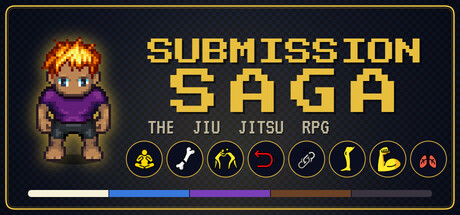
Some UI icons, character and creature sprites, and other in-game graphics in Submission Saga were created with the assistance of generative AI image tools (including Pixellab.ai), and portions of the store page text were drafted with AI writing assistance. Portions of the game's source code were also written with the assistance of an AI coding assistant. All AI-generated content was reviewed, edited, and curated by the developer before inclusion. No AI is used to generate content live during gameplay.
It was used solely as a tool to assist in adjusting the color palette in the localization of the text language and in the handcrafted capsule art we designed ourselves.
Some visual assets in Not My Base! — including selected icons and splash screen artwork — were created or assisted using Generative Artificial Intelligence tools.
All AI-generated content was reviewed, edited, and integrated by the developer to fit the game’s artistic style and gameplay needs.
Both manual coding and coding using generative AI is included in this game. Some UI images were developed using generative AI as well as some in level images in the final level. Store presence images were developed using generative AI.
Generative AI may be used to assist with promotional store artwork and marketing assets. Gameplay screenshots are captured from the actual game. The game does not use live generative AI to create player-facing gameplay content.
The only AI-assisted visual assets in this game are several paintings used as images for the puzzles. These images were heavily edited, refined, and manually adjusted using photo editing software before being integrated into the game.
The background music and some SFX sounds were also generated with the help of AI and later slightly refined and adjusted in audio editing software.
AI is used strictly as a supportive tool during parts of the creative workflow. Final quality control, artistic direction, and implementation are fully handled manually by the developer.
Some visual assets used on this Steam page were edited or retouched using AI-assisted tools, and the achievement icons were created using generative AI / AI-assisted tools.
This game utilizes AI tools in parts of the music arrangement and sound production process. AI is used for sampling, sound design, and music production assistance, while the final adjustments, editing, and implementation are handled by the developers themselves.
LessPrep uses AI to generate educational text and images locally on your device. A language model (Qwen2.5 7B) creates lesson plans, worksheets, and goal documents. An image model (SDXL) generates classroom visual aids. All AI runs offline — no data is sent to external servers. Content moderation includes prompt filtering, safety negative prompts, and a post-generation image scanner to prevent inappropriate output.
I (the developper) am a former artist with poor skills in technical aspects of game development such as coding. In that regard, AI was used mainly to fasten the process of development of the game such as:
- help for technical aspects when I couldn't do it due to my limited skills.
- generate a database of random text events based on my own texts and mood that I want for the game. The game contains hundreds of different events that I couldn't afford to write all of them in such a short time. Events are then all checked and corrected by myself to ensure they all fit within the game.
I am not proud of using AI as I am directly concerned by it as an artist myself. But this was my only chance to fulfil my dream of making my own game in a limited time and I want to be transparent with the players that might feel uncomfortable with it.
No AI was used for any other part of the game such as art or sound effects.
All gameplay systems, game design decisions, balancing decisions, story/context decisions, implementation choices, and final creative decisions were made by the development team.
Generative AI tools were used only as assistive tools during development. This may include support for brainstorming, improving workflows, and creating or refining some static 2D visual materials used in the game and its marketing, such as item icons, UI-related images, capsule/key art elements, and visuals that may appear in trailers or screenshots.
All AI-assisted materials were reviewed, selected, edited, and approved by the developers before being included. No AI system makes gameplay decisions, controls game logic, generates levels, creates player-facing content, or produces images, videos, text, audio, or any other content in real time during gameplay.
Some visual assets used in Runemoria – Blades of Memory were created with the assistance of generative AI tools and have been modified, curated, and integrated as part of the game’s development process. AI-generated content is limited to pre-rendered visual assets and does not generate gameplay content during play.
Some of the current store page artwork and promotional assets were created using generative AI tools during the early development and marketing phase of the project. As an independent project with limited resources, this approach was used to accelerate initial marketing efforts and bring the game to market more quickly.
Generative AI is not used to create gameplay content, player drawings, or user-generated content within the game. The AI-generated marketing assets may be replaced with human-created artwork in future updates as development continues.
AI-assisted tools were used as reference material during early character design iteration. The final in-game assets were significantly modified and finalized manually by the developer. No live-generated AI content is present during gameplay.
Original Chinese text was written by the developer. AI was used solely to assist with translation and localization into other languages.
No AI-generated art, audio, or live-generated content is included in the game.
The development of Eldara incorporated AI-generated content. Specifically, AI image generation tools were used to create certain in-game visual assets, including monster portraits, pet illustrations, item icons, and character artwork.
All AI-generated assets were manually reviewed, curated, and integrated by the developer before inclusion in the final product. No real-world copyrighted artwork was intentionally used as input to the AI generation process.
No AI is used live during gameplay — all assets are pre-generated and shipped with the game. There is no live AI generation, AI dialogue, or AI-driven content while playing.
The life events for every historical figure highlighted in the game were generated by giving AI access to their Wikipedia profiles and asking it to summarize the text content. The art and the code are entirely human.
As a small indie studio, we use generative AI tools to assist in parts of our art creation process. This helps us improve the quality and consistency of artwork while allowing our team to work more efficiently. All AI-assisted content is reviewed, refined, and integrated by our developers to ensure it meets the artistic vision and quality standards of the game.
Some pre-generated visual assets and development materials were created or assisted using generative AI tools, including AI-assisted development workflows. These assets are reviewed and selected by the developer before being included in the game. The game does not generate AI content during gameplay.
Knave Craps uses generative AI for some pre-rendered content. Specifically:
- Visual art: Theme artwork used in the game's user interface and the Steam store hero/capsule images were created with the assistance of AI image-generation tools. All generated images were curated, edited, and integrated into the game by the developer.
- Voiceovers: "Hot shooter" announcement audio (played during bonus side bets such as the Fire Bet) was created with an AI text-to-speech voice model. Scripts were written by the developer.
The game does not use any live-generated AI content. All gameplay logic, dice rolls, payouts, and bet resolution are deterministic and authored.
This game uses AI tools during development to assist with the creation of certain 3D models and prototyping. All gameplay design, final programming, balancing, creative direction, and system integration were carried out by the developer.
Some artwork assets including achievement icons and store capsule art were created with the assistance of AI image generation tools (PixelLab). All AI-generated content was reviewed and curated by the developer.
AI tools were used during the localization process and then manually reviewed by a human.
All in-game and promotional art was authored by a person and not made with generative AI.
All text content was originally written in pt‑BR (Brazilian Portuguese) and localized into other languages with the assistance of AI tools. This localization extends beyond the game itself.
All creative assets were created by humans, such as audio, visual, and other content developed by our team or licensed from third parties.
Generative AI tools were used during development for selected marketing art concepts and production assistance. Final assets and text were reviewed and edited by the developer. Pulse Citadel does not use live-generated AI during gameplay; in-game research nodes, combat behavior, progression, achievements, and UI text are fixed content.
As a legally blind solo developer, AI-assisted tools helped with visual concepting and production support. All final store materials and game content were reviewed, selected, and edited by the developer.
Currently, this game uses placeholder generative AI images for character portraits and voiceovers for the announcer. Hopefully these assets will be replaced by talented artists overtime.
Some UI icons, character and creature sprites, and other in-game graphics in Submission Saga were created with the assistance of generative AI image tools (including Pixellab.ai), and portions of the store page text were drafted with AI writing assistance. Portions of the game's source code were also written with the assistance of an AI coding assistant. All AI-generated content was reviewed, edited, and curated by the developer before inclusion. No AI is used to generate content live during gameplay.
It was used solely as a tool to assist in adjusting the color palette in the localization of the text language and in the handcrafted capsule art we designed ourselves.
Some visual assets in Not My Base! — including selected icons and splash screen artwork — were created or assisted using Generative Artificial Intelligence tools.
All AI-generated content was reviewed, edited, and integrated by the developer to fit the game’s artistic style and gameplay needs.
Both manual coding and coding using generative AI is included in this game. Some UI images were developed using generative AI as well as some in level images in the final level. Store presence images were developed using generative AI.