Public Steam disclosure research25,380 disclosures tracked
Where do games disclose AI use?
Search developers’ Steam disclosures, compare classified AI use across
games, and follow recorded changes.
This index adds cross-game classifications and statistics to
statements published on individual store pages.
Groups reflect automatic analysis of public disclosures; mature records are excluded. These counts do not measure AI use across all of Steam.
Missing or unclear statements cannot establish whether a game uses AI.
AI was used only during early development for temporary placeholder assets. These materials are not intended to be included in the final shipped game.
The game does not use live-generated AI content during gameplay.
AI tools were used to assist with some of the game’s translations and in the creation of two in-game textures. These textures were subsequently edited, refined, and carefully reviewed by a human before being included in the final game.
We strictly rely on human creativity and craftsmanship throughout the game’s development.
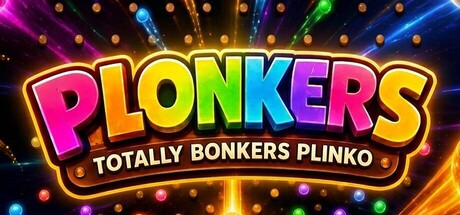
AI-generated content in Pin a Million:
- Music: All in-game music tracks were created using generative AI (Suno).
- Icons: The icon artwork on Peg and Perk cards was generated using AI tools.
All on-board gameplay effects, animations, and visuals are hand-coded and rendered procedurally at runtime (no AI-generated content).
We are a small two-person studio. We apologize for using generative AI to assist with the translation and for any inaccuracies that may be present. We used it to make the game available in this language.
The artwork in this game (backgrounds, menu art, the still-life and landscape references used as puzzle targets, achievement medals, and store art) and the music were created with generative AI tools, then selected and adjusted by the developer before inclusion. No content is generated live during gameplay.
Generative AI tools were used during development to create portions of the game’s artwork,sound and localization. Each AI-assisted asset was reviewed, edited, palette-matched, and curated by the developer.
I received assistance from text-generative AI (LLM) for the English translation (localization) of all in-game text (dialogues, UI, system messages) and for writing the English description on the Steam store page.
I mostly use AI for debugging and I make it document my code for me. I've been using it for placeholder art but intend on replacing all, or at least most of them by release. I use it like a tool I can turn to for general tasks rather then a crutch that does everything.
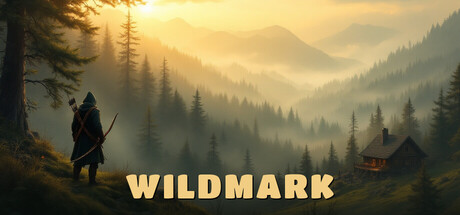
Wildmark was made by one person. The story and all of its dialogue are my own, written by me. But without a studio's budget to commission artists, composers, and voice actors, I used generative AI tools to help create much of what you see. Nothing ships as a raw, untouched generation: every asset was hand-directed, chosen, refined, and assembled to fit a single cohesive, hand-crafted style and world, and reviewed by me to make sure it belonged. In the end, what matters is whether the game is enjoyable and worth your time, not which tools helped build it.
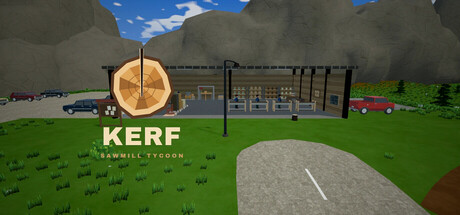
Kerf - Sawmill Tycoon was made almost entirely with AI tools. The developer directed the work, chose what went into the game and approved every result, but did not model, rig or write code by hand. What that means for the content that ships in the game:
- Code: written by an AI coding assistant.
- Characters: generated by an AI 3D tool from AI-generated reference images, then rigged and set up in the game by the AI assistant.
- Other 3D models: some came from an AI 3D tool - a vehicle and environment props such as rocks, mountains and bushes. The rest, including the valley, the buildings, the machines and the trees, were built in 3D software by the AI assistant writing scripts.
- Animation: all character animation was generated with an AI motion tool.
- Music: all of the in-game music was generated with an AI music tool.
- Sound: some sound effects were generated with an AI sound tool; the rest were sourced from sound libraries by the developer.
- Text: the in-game text was written with AI assistance, and the translations from English and Polish into the other 13 supported languages were made with AI.
Everything was reviewed and approved by the developer before release.
No content is generated by AI while the game is running. The Twitch integration only displays messages typed by real viewers.
Some visual assets were created with the help of generative AI and then hand-finished: the store capsule/key art and a short promotional video are AI-assisted, and a small set of in-game background and decoration art (tile textures, decals) started from AI-generated images that were manually edited and integrated. All game code, game design, writing and gameplay systems are human-made. Screenshots on this page show real gameplay. The game does not generate any content with AI at runtime.
Generative AI tools were used during development to assist in creating selected pre-generated 2D artwork used in the game and on the store page, including promotional illustrations and some visual assets. AI-assisted localization drafts were also used and subsequently reviewed and integrated by the developer. All included content was selected, edited, and prepared before release. The game does not generate AI content while running.
Holiday Alliance uses generative AI to help produce character art, map backgrounds, and music/SFX. All game design, level design, balance, dialogue, and final art/audio selection were done by the developer, with every AI-generated asset reviewed and revised before inclusion.
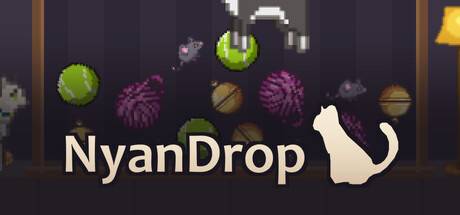
NyanDrop uses AI tools in parts of its development process, including the creation of some of the pixel artwork used in the game and on the store page, the sound effects and music, and the writing and translation of text shown in the game and on the store page. All such output is generated and reviewed in advance before being incorporated into the product, and no generative AI runs during gameplay.
Generative AI was used during pre-production to create early concept sketches, used purely as visual inspiration and reference. None of these initial AI-generated images appear in the final game, all art assets were subsequently created and replaced by the development team. Generative AI tools were also used to assist with writing portions of the game's code and with translating the game's text into other languages. In all cases, all output was reviewed, tested, and approved by human developers before being used in the final product.
Some of this game's assets were made with the assistance of generative AI tools and were reviewed, curated and hand-finished by the developer. No content is generated while you play.
Live-generated: Pixie's chat feature generates the pet's replies with a language model that ships inside the product and runs entirely on the player's own computer. There is no third-party AI service, no API key and no account of any kind; the feature makes no network requests at all and works with the machine fully offline. The model is Gemma 4 E2B, licensed under the Apache License 2.0 and redistributed with the notices required by that license.
Pre-generated: written text in the product and on this store page — including the interface strings and their translations into the supported languages — was produced with the help of an AI writing assistant.
All art, animation and characters are hand-made: every sprite is drawn at runtime by a parametric pixel renderer written for this project, with no generative AI involved at any stage.
Camera and microphone input are processed entirely on-device (MediaPipe) and are never sent to any server.
This game was developed with the assistance of generative AI tools for coding support and some visual asset creation.
All content was reviewed and finalized by the developer.
No generative AI is used during gameplay.
Generative AI tools were used during development to create all visual artwork, sound effects, and music in Matchinko, including artwork used in store and marketing materials. AI tools also assisted with code, debugging, and drafts of some written content. All generated material was reviewed, selected, edited, tested, and integrated by the developer before inclusion. The game does not generate content using AI at runtime, connect to external AI services during play, or send player data to AI systems.
Some Steam store, library, icon, and marketing images for this game were created with generative AI and then reviewed and edited for the dinosaur museum theme. The game does not use real-time generative AI during gameplay.
AI tools were used to assist with early visual ideation and development production pipelines. All content has been reviewed, edited, refined, and integrated by the development team.
Ice Coast Revival is built by a small team working with AI tools. Some pre-made content that ships with the game, including in-game text and some audio, was created with generative AI and then human-reviewed. All of it is fixed at build time: the game does not generate content live with AI while you play.
Lo-Fi with Ruka includes optional live generative AI features. Players may provide their own DeepSeek and StepFun API keys to generate short companion chat replies, personalized study-story chapters, and synthesized voice. These features are disabled without player-provided keys. Prompts, the current focus goal or status, and limited recent non-sensitive study context are sent only to the selected providers. API keys and generated content remain local and are not uploaded to Steam Cloud.
This game uses pre-generated AI-assisted content. The base concepts, 3D geometry, textures, and some source animation data for the male and female player characters were created with Tencent Hunyuan 3D Studio. The development team subsequently performed extensive manual editing and integration, including topology and rigging adjustments, animation processing, hand replacement, material work, and technical review. No content is generated by AI during
Pre-generated content:AI tools were used to generate 2D artwork and visual assets for the game's intro sequence. All AI-generated content has been thoroughly reviewed, curated, and does not contain any illegal or infringing material.
Some music tracks and visual art assets in this game were created with the help of generative AI tools. All such assets were curated, edited, and approved by the development team before being included in the build, and all required commercial-use rights have been secured.
All AI-generated content is pre-rendered and shipped with the game — no live AI generation occurs during gameplay, and the game does not connect to any external AI service at runtime.
This game uses generative AI for some background and minigame music tracks. Artwork, UI, gameplay systems, and written content were created without generative AI. No AI content is generated during gameplay.
Some of this game's assets were made with the assistance of generative AI tools and were reviewed, curated and hand-finished by the developer. No content is generated while you play.
Some of this game's assets were made with the assistance of generative AI tools and were reviewed, curated and hand-finished by the developer. No content is generated while you play.
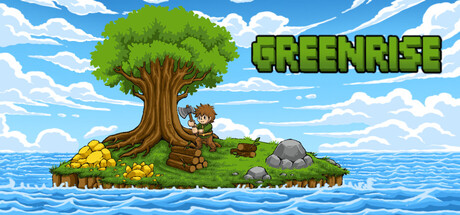
Greenrise includes a small amount of AI-assisted content created during development (pre-generated): one sound effect and one visual asset were made with the help of generative AI tools. Generative AI was also used to help review and verify the game's localization. The game does not generate any AI content live at runtime. We hold the rights to use this content and it does not infringe on any third-party intellectual property.
Parts of this game's content were created with the help of generative AI, always under human direction and review: some in-game artwork and text, and the store page's localizations. All AI-assisted content is pre-rendered — nothing is generated live while you play.
During the game design process, we used advanced AI tools to generate some images as creative references and sources of inspiration. The resulting materials were then significantly reworked and refined to create the final visual style.
At the same time, we also attach great importance to player feedback and suggestions. If you have any suggestions on the artistic performance of the game, please feel free to communicate with us through the community.
AI was used only during early development for temporary placeholder assets. These materials are not intended to be included in the final shipped game.
The game does not use live-generated AI content during gameplay.
AI tools were used to assist with some of the game’s translations and in the creation of two in-game textures. These textures were subsequently edited, refined, and carefully reviewed by a human before being included in the final game.
We strictly rely on human creativity and craftsmanship throughout the game’s development.
AI-generated content in Pin a Million:
- Music: All in-game music tracks were created using generative AI (Suno).
- Icons: The icon artwork on Peg and Perk cards was generated using AI tools.
All on-board gameplay effects, animations, and visuals are hand-coded and rendered procedurally at runtime (no AI-generated content).
We are a small two-person studio. We apologize for using generative AI to assist with the translation and for any inaccuracies that may be present. We used it to make the game available in this language.
The artwork in this game (backgrounds, menu art, the still-life and landscape references used as puzzle targets, achievement medals, and store art) and the music were created with generative AI tools, then selected and adjusted by the developer before inclusion. No content is generated live during gameplay.
Generative AI tools were used during development to create portions of the game’s artwork,sound and localization. Each AI-assisted asset was reviewed, edited, palette-matched, and curated by the developer.
I received assistance from text-generative AI (LLM) for the English translation (localization) of all in-game text (dialogues, UI, system messages) and for writing the English description on the Steam store page.
I mostly use AI for debugging and I make it document my code for me. I've been using it for placeholder art but intend on replacing all, or at least most of them by release. I use it like a tool I can turn to for general tasks rather then a crutch that does everything.
Wildmark was made by one person. The story and all of its dialogue are my own, written by me. But without a studio's budget to commission artists, composers, and voice actors, I used generative AI tools to help create much of what you see. Nothing ships as a raw, untouched generation: every asset was hand-directed, chosen, refined, and assembled to fit a single cohesive, hand-crafted style and world, and reviewed by me to make sure it belonged. In the end, what matters is whether the game is enjoyable and worth your time, not which tools helped build it.
Kerf - Sawmill Tycoon was made almost entirely with AI tools. The developer directed the work, chose what went into the game and approved every result, but did not model, rig or write code by hand. What that means for the content that ships in the game:
- Code: written by an AI coding assistant.
- Characters: generated by an AI 3D tool from AI-generated reference images, then rigged and set up in the game by the AI assistant.
- Other 3D models: some came from an AI 3D tool - a vehicle and environment props such as rocks, mountains and bushes. The rest, including the valley, the buildings, the machines and the trees, were built in 3D software by the AI assistant writing scripts.
- Animation: all character animation was generated with an AI motion tool.
- Music: all of the in-game music was generated with an AI music tool.
- Sound: some sound effects were generated with an AI sound tool; the rest were sourced from sound libraries by the developer.
- Text: the in-game text was written with AI assistance, and the translations from English and Polish into the other 13 supported languages were made with AI.
Everything was reviewed and approved by the developer before release.
No content is generated by AI while the game is running. The Twitch integration only displays messages typed by real viewers.
Some visual assets were created with the help of generative AI and then hand-finished: the store capsule/key art and a short promotional video are AI-assisted, and a small set of in-game background and decoration art (tile textures, decals) started from AI-generated images that were manually edited and integrated. All game code, game design, writing and gameplay systems are human-made. Screenshots on this page show real gameplay. The game does not generate any content with AI at runtime.
Generative AI tools were used during development to assist in creating selected pre-generated 2D artwork used in the game and on the store page, including promotional illustrations and some visual assets. AI-assisted localization drafts were also used and subsequently reviewed and integrated by the developer. All included content was selected, edited, and prepared before release. The game does not generate AI content while running.
Holiday Alliance uses generative AI to help produce character art, map backgrounds, and music/SFX. All game design, level design, balance, dialogue, and final art/audio selection were done by the developer, with every AI-generated asset reviewed and revised before inclusion.
NyanDrop uses AI tools in parts of its development process, including the creation of some of the pixel artwork used in the game and on the store page, the sound effects and music, and the writing and translation of text shown in the game and on the store page. All such output is generated and reviewed in advance before being incorporated into the product, and no generative AI runs during gameplay.
Generative AI was used during pre-production to create early concept sketches, used purely as visual inspiration and reference. None of these initial AI-generated images appear in the final game, all art assets were subsequently created and replaced by the development team. Generative AI tools were also used to assist with writing portions of the game's code and with translating the game's text into other languages. In all cases, all output was reviewed, tested, and approved by human developers before being used in the final product.
Some of this game's assets were made with the assistance of generative AI tools and were reviewed, curated and hand-finished by the developer. No content is generated while you play.
Live-generated: Pixie's chat feature generates the pet's replies with a language model that ships inside the product and runs entirely on the player's own computer. There is no third-party AI service, no API key and no account of any kind; the feature makes no network requests at all and works with the machine fully offline. The model is Gemma 4 E2B, licensed under the Apache License 2.0 and redistributed with the notices required by that license.
Pre-generated: written text in the product and on this store page — including the interface strings and their translations into the supported languages — was produced with the help of an AI writing assistant.
All art, animation and characters are hand-made: every sprite is drawn at runtime by a parametric pixel renderer written for this project, with no generative AI involved at any stage.
Camera and microphone input are processed entirely on-device (MediaPipe) and are never sent to any server.
This game was developed with the assistance of generative AI tools for coding support and some visual asset creation.
All content was reviewed and finalized by the developer.
No generative AI is used during gameplay.
Generative AI tools were used during development to create all visual artwork, sound effects, and music in Matchinko, including artwork used in store and marketing materials. AI tools also assisted with code, debugging, and drafts of some written content. All generated material was reviewed, selected, edited, tested, and integrated by the developer before inclusion. The game does not generate content using AI at runtime, connect to external AI services during play, or send player data to AI systems.
Some Steam store, library, icon, and marketing images for this game were created with generative AI and then reviewed and edited for the dinosaur museum theme. The game does not use real-time generative AI during gameplay.
AI tools were used to assist with early visual ideation and development production pipelines. All content has been reviewed, edited, refined, and integrated by the development team.
Ice Coast Revival is built by a small team working with AI tools. Some pre-made content that ships with the game, including in-game text and some audio, was created with generative AI and then human-reviewed. All of it is fixed at build time: the game does not generate content live with AI while you play.
Lo-Fi with Ruka includes optional live generative AI features. Players may provide their own DeepSeek and StepFun API keys to generate short companion chat replies, personalized study-story chapters, and synthesized voice. These features are disabled without player-provided keys. Prompts, the current focus goal or status, and limited recent non-sensitive study context are sent only to the selected providers. API keys and generated content remain local and are not uploaded to Steam Cloud.
This game uses pre-generated AI-assisted content. The base concepts, 3D geometry, textures, and some source animation data for the male and female player characters were created with Tencent Hunyuan 3D Studio. The development team subsequently performed extensive manual editing and integration, including topology and rigging adjustments, animation processing, hand replacement, material work, and technical review. No content is generated by AI during
Pre-generated content:AI tools were used to generate 2D artwork and visual assets for the game's intro sequence. All AI-generated content has been thoroughly reviewed, curated, and does not contain any illegal or infringing material.
Some music tracks and visual art assets in this game were created with the help of generative AI tools. All such assets were curated, edited, and approved by the development team before being included in the build, and all required commercial-use rights have been secured.
All AI-generated content is pre-rendered and shipped with the game — no live AI generation occurs during gameplay, and the game does not connect to any external AI service at runtime.
This game uses generative AI for some background and minigame music tracks. Artwork, UI, gameplay systems, and written content were created without generative AI. No AI content is generated during gameplay.
Some of this game's assets were made with the assistance of generative AI tools and were reviewed, curated and hand-finished by the developer. No content is generated while you play.
Some of this game's assets were made with the assistance of generative AI tools and were reviewed, curated and hand-finished by the developer. No content is generated while you play.
Greenrise includes a small amount of AI-assisted content created during development (pre-generated): one sound effect and one visual asset were made with the help of generative AI tools. Generative AI was also used to help review and verify the game's localization. The game does not generate any AI content live at runtime. We hold the rights to use this content and it does not infringe on any third-party intellectual property.
Parts of this game's content were created with the help of generative AI, always under human direction and review: some in-game artwork and text, and the store page's localizations. All AI-assisted content is pre-rendered — nothing is generated live while you play.
During the game design process, we used advanced AI tools to generate some images as creative references and sources of inspiration. The resulting materials were then significantly reworked and refined to create the final visual style.
At the same time, we also attach great importance to player feedback and suggestions. If you have any suggestions on the artistic performance of the game, please feel free to communicate with us through the community.