Public Steam disclosure research25,383 disclosures tracked
Where do games disclose AI use?
Search developers’ Steam disclosures, compare classified AI use across
games, and follow recorded changes.
This index adds cross-game classifications and statistics to
statements published on individual store pages.
Groups reflect automatic analysis of public disclosures; mature records are excluded. These counts do not measure AI use across all of Steam.
Missing or unclear statements cannot establish whether a game uses AI.
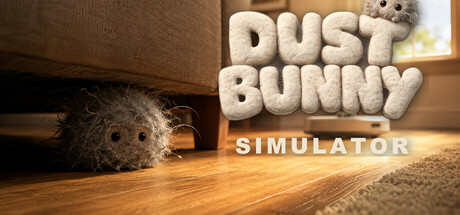
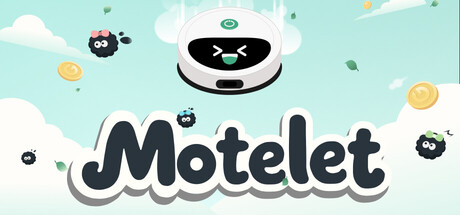
2D artwork for this game and its Steam store page — including the logo, store capsules, key art, and in-game textures — was created using generative AI image tools, generated ahead of time during development. The 3D models are stock/CC0 assets and the dust-bunny character is procedural/code-generated. Screenshots are captures of actual gameplay. No generative AI runs at runtime. All AI-generated images were reviewed to ensure they do not reproduce third-party intellectual property.
We are using AI art assets in places where our Art has not caught up to the current game progress. We are continuing to produce art to replace the AI assets.
No AI content is generated during gameplay. AI tools were used solely for code assistance during development, all code was reviewed and tested by the developer.
Every piece of art, music, sound, and text in the game was human-made.
AI was used as the main tool to code this game, generate assets, and navigate the release processes.
This is the core model of Shadow Games Software. Leveraging AI to do the busy work to free up creative teams to focus more on design, taste, and producing a quality product.
As the 2nd real project for the studio, Idle Energy, heavily used AI during development.
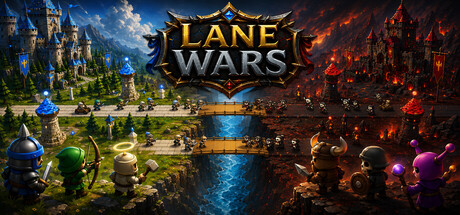
Lane Wars uses generative AI only for some pre-made 2D artwork: the game's icon, main-menu key art, and the Steam store capsule/promotional images were created with AI image-generation tools and then edited by the developer. Some trailer and marketing music was made with an AI music tool. Everything you interact with in-game — the 3D characters, environments, HUD, visual and sound effects, and all gameplay systems — is hand-built and procedurally generated in code, not AI-generated. The game does not use any generative AI at runtime.
AI was used for to help write and come up with description text edited by a person to fit the game better, tags, and some other minor items on the steam page. AI was not used in the development of the game there are no AI generated assets in this game at all.
Generative AI was used during the development process to assist and improve efficiency. Specifically, some in-game art assets (such as UI icons and backgrounds) were generated by AI and subsequently refined by human artists. Additionally, AI-assisted tools were utilized to help with the writing and debugging of some foundational code. We assure you that all final art assets and core logic code presented to players have been manually reviewed and optimized by our development team. There is no live-generated AI content or code during actual gameplay.
Generative AI tools were used to assist in the creation of certain visual assets during development. All final in-game content was created and reviewed by professional artists.
The game was made only by me and my friend, we are starting out in this endeavor, and AI helped us a lot.
The programming code was assisted by artificial intelligence.
Some music might have been altered using artificial intelligence.
Images outside of gameplay used to promote the game were adjusted using artificial intelligence.
I only used AI to help with the Steam assets (capsules, banners, etc.) and with some programming systems I was still learning, such as the save system and the rebirth system. I've been developing this game for about 3.5 months, and at some point you have to call it finished. I'm happy with how it turned out, and I hope you'll give it a try. It's designed to be a game you can open for 10–15 minutes a day, make some progress, and come back to later.
This game uses generative AI in the following ways:
In-game assets: Some game objects and assets were generated using Unity's built-in AI tools.
Development assistance: Claude (Anthropic) was used as a coding and development assistant during development.
Store page content: Store page descriptions and marketing copy were drafted with the assistance of Claude (Anthropic).
This game and its store page may include pre-generated AI-assisted content, such as visual assets, store artwork, marketing images, text drafts and localization support. All AI-assisted content is reviewed, selected and edited manually before inclusion.
The game does not use live-generated AI during gameplay.
The majority of this game's assets are human created. However during the development process, AI-based tools were used to assist further with selective content creation. The final product is highly reflective of the vision and creativity of the team.
Some early designs of characters were assisted by AI, and the initial animations of some characters were also aided by AI.
Utilize generative artificial intelligence to aid in the translation and localization of menu texts and interface elements.
Store and marketing art assets were created with the assistance of generative AI image tools, based on the developer's original prompts. All other game content is human-authored. No AI content is generated during gameplay.
Some of the game's 2D art (character sprites, scenery, item icons and store artwork) was created with the help of generative AI image tools, then curated, edited and integrated by the team. Parts of the game's code were written with AI assistance under developer direction. All AI-assisted content was reviewed by the developers. The game does NOT generate AI content at runtime and does NOT connect to any external AI service.
Artificial intelligence was used as a supporting tool to help organize the project, structure ideas, and assist throughout development. The game's design, gameplay, programming, and all creative decisions were created by the developer.
Generative AI tools are used to assist the development process, including concept art generation, programming support, and localization. All final content is reviewed and edited by the developer.
AI-assisted tools were used during visual exploration and iteration for some marketing materials, select visual drafts and music. Final design, creative direction, editing, asset selection, and implementation were handled by the developer.
Oreworks contains AI-generated content. Like in-game visual assets and programming assistance during developement.
All AI-generated content was manually reviewed, curated and intetegrated by the developer.
This game was made with the help of AI. The music was generated using Suno, and AI tools assisted with other content and store materials, all reviewed and curated by the developer.
100% human made code, art, design, and audio!
AI assistance was only used for a tiny fraction of the text localizations to fill small gaps in our community made translations and for translating the Steam store page descriptions to non English languages.
This game includes some AI-assisted music and Steam store marketing assets created during development. All such content was reviewed and integrated by the developer. No AI-generated content is created during gameplay, and players cannot generate AI content within the game.
This game has AI generated images (including the community items) and other AI made components. If you are sensitive about AI generated content please do not purchase this game.
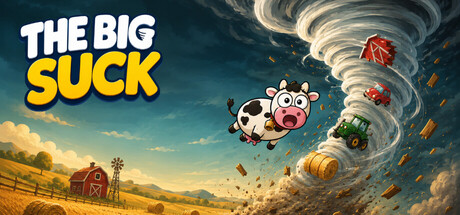
AI tools were used to assist with promotional artwork, capsule art, and visual concept iteration for The Big Suck. Final art direction, selection, editing, game design, programming, balancing, and implementation were done by the developer. AI was used as a creative production aid for a small indie project, not as live-generated gameplay content.
This game actively supports human creativity, notably musicians and programmers - but uses AI in the design of marketing materials and some aspects of software development. Neither the game itself - nor the procedural generation techniques used to create the world, music, or audio - use AI or AI-generated art.
Generative AI was used to assist in creating some visual assets during development. All final in-game artwork was manually retouched and finalized by human artists.
2D artwork for this game and its Steam store page — including the logo, store capsules, key art, and in-game textures — was created using generative AI image tools, generated ahead of time during development. The 3D models are stock/CC0 assets and the dust-bunny character is procedural/code-generated. Screenshots are captures of actual gameplay. No generative AI runs at runtime. All AI-generated images were reviewed to ensure they do not reproduce third-party intellectual property.
We are using AI art assets in places where our Art has not caught up to the current game progress. We are continuing to produce art to replace the AI assets.
No AI content is generated during gameplay. AI tools were used solely for code assistance during development, all code was reviewed and tested by the developer.
Every piece of art, music, sound, and text in the game was human-made.
AI was used as the main tool to code this game, generate assets, and navigate the release processes.
This is the core model of Shadow Games Software. Leveraging AI to do the busy work to free up creative teams to focus more on design, taste, and producing a quality product.
As the 2nd real project for the studio, Idle Energy, heavily used AI during development.
Lane Wars uses generative AI only for some pre-made 2D artwork: the game's icon, main-menu key art, and the Steam store capsule/promotional images were created with AI image-generation tools and then edited by the developer. Some trailer and marketing music was made with an AI music tool. Everything you interact with in-game — the 3D characters, environments, HUD, visual and sound effects, and all gameplay systems — is hand-built and procedurally generated in code, not AI-generated. The game does not use any generative AI at runtime.
AI was used for to help write and come up with description text edited by a person to fit the game better, tags, and some other minor items on the steam page. AI was not used in the development of the game there are no AI generated assets in this game at all.
Generative AI was used during the development process to assist and improve efficiency. Specifically, some in-game art assets (such as UI icons and backgrounds) were generated by AI and subsequently refined by human artists. Additionally, AI-assisted tools were utilized to help with the writing and debugging of some foundational code. We assure you that all final art assets and core logic code presented to players have been manually reviewed and optimized by our development team. There is no live-generated AI content or code during actual gameplay.
Generative AI tools were used to assist in the creation of certain visual assets during development. All final in-game content was created and reviewed by professional artists.
The game was made only by me and my friend, we are starting out in this endeavor, and AI helped us a lot.
The programming code was assisted by artificial intelligence.
Some music might have been altered using artificial intelligence.
Images outside of gameplay used to promote the game were adjusted using artificial intelligence.
I only used AI to help with the Steam assets (capsules, banners, etc.) and with some programming systems I was still learning, such as the save system and the rebirth system. I've been developing this game for about 3.5 months, and at some point you have to call it finished. I'm happy with how it turned out, and I hope you'll give it a try. It's designed to be a game you can open for 10–15 minutes a day, make some progress, and come back to later.
This game uses generative AI in the following ways:
In-game assets: Some game objects and assets were generated using Unity's built-in AI tools.
Development assistance: Claude (Anthropic) was used as a coding and development assistant during development.
Store page content: Store page descriptions and marketing copy were drafted with the assistance of Claude (Anthropic).
This game and its store page may include pre-generated AI-assisted content, such as visual assets, store artwork, marketing images, text drafts and localization support. All AI-assisted content is reviewed, selected and edited manually before inclusion.
The game does not use live-generated AI during gameplay.
The majority of this game's assets are human created. However during the development process, AI-based tools were used to assist further with selective content creation. The final product is highly reflective of the vision and creativity of the team.
Some early designs of characters were assisted by AI, and the initial animations of some characters were also aided by AI.
Utilize generative artificial intelligence to aid in the translation and localization of menu texts and interface elements.
Store and marketing art assets were created with the assistance of generative AI image tools, based on the developer's original prompts. All other game content is human-authored. No AI content is generated during gameplay.
Some of the game's 2D art (character sprites, scenery, item icons and store artwork) was created with the help of generative AI image tools, then curated, edited and integrated by the team. Parts of the game's code were written with AI assistance under developer direction. All AI-assisted content was reviewed by the developers. The game does NOT generate AI content at runtime and does NOT connect to any external AI service.
Artificial intelligence was used as a supporting tool to help organize the project, structure ideas, and assist throughout development. The game's design, gameplay, programming, and all creative decisions were created by the developer.
Generative AI tools are used to assist the development process, including concept art generation, programming support, and localization. All final content is reviewed and edited by the developer.
AI-assisted tools were used during visual exploration and iteration for some marketing materials, select visual drafts and music. Final design, creative direction, editing, asset selection, and implementation were handled by the developer.
Oreworks contains AI-generated content. Like in-game visual assets and programming assistance during developement.
All AI-generated content was manually reviewed, curated and intetegrated by the developer.
This game was made with the help of AI. The music was generated using Suno, and AI tools assisted with other content and store materials, all reviewed and curated by the developer.
100% human made code, art, design, and audio!
AI assistance was only used for a tiny fraction of the text localizations to fill small gaps in our community made translations and for translating the Steam store page descriptions to non English languages.
This game includes some AI-assisted music and Steam store marketing assets created during development. All such content was reviewed and integrated by the developer. No AI-generated content is created during gameplay, and players cannot generate AI content within the game.
This game has AI generated images (including the community items) and other AI made components. If you are sensitive about AI generated content please do not purchase this game.
AI tools were used to assist with promotional artwork, capsule art, and visual concept iteration for The Big Suck. Final art direction, selection, editing, game design, programming, balancing, and implementation were done by the developer. AI was used as a creative production aid for a small indie project, not as live-generated gameplay content.
This game actively supports human creativity, notably musicians and programmers - but uses AI in the design of marketing materials and some aspects of software development. Neither the game itself - nor the procedural generation techniques used to create the world, music, or audio - use AI or AI-generated art.
Generative AI was used to assist in creating some visual assets during development. All final in-game artwork was manually retouched and finalized by human artists.