Public Steam disclosure research25,394 disclosures tracked
Where do games disclose AI use?
Search developers’ Steam disclosures, compare classified AI use across
games, and follow recorded changes.
This index adds cross-game classifications and statistics to
statements published on individual store pages.
Groups reflect automatic analysis of public disclosures; mature records are excluded. These counts do not measure AI use across all of Steam.
Missing or unclear statements cannot establish whether a game uses AI.
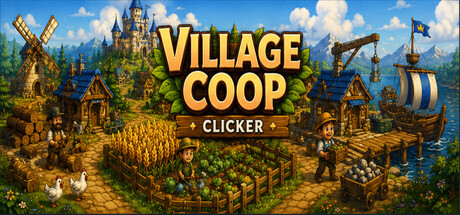
Village Coop Clicker is a small hobby project created with extensive use of AI-assisted tools for programming, artwork, audio, localization, and store assets.
The game design, balancing, progression systems, and overall creative direction were created and curated manually by the developer.
AI tools were used to assist with some code development and selected Steam store page text. The core game design, gameplay, and creative direction are created by the development team. No live generative AI content is created during gameplay.
Some in-game audio, including phone call voices and ambient sounds, were generated using AI tools. Additionally, certain stickers and visual assets found in the Cancer's living area were created with the assistance of generative AI.
AI Generated Content Disclosure
The developers describe how their game uses AI Generated Content like this:
Generative AI tools were used in limited cases during the production of certain game assets. AI-generated content was not used as-is, and any such assets were revised, refined, and finalized by our art and development teams to ensure they meet our quality standards and creative direction.
I used AI to generate much of the code for this game. I did a lot of reviewing and tweaking the code, but a large portion of the core code for the game was generated by AI.
The AI also generate the player and enemy "models". I had them generate to game scene files (tscn files in Godot) which are just simple text files. I tweaked many of them after initial generation.
I also used AI to generate the various store page and icon art, and 4 images that are findable in the game as items
AI was not used for the music in game, or the various art assets and SFX not mentioned above.
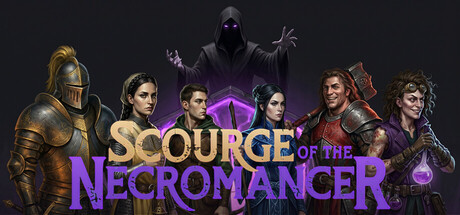
Scourge of the Necromancer makes significant use of generative AI in its production. We want to be fully upfront about it.
Visual assets (2D images + video) — all AI-generated, then human-curated and human-edited. Every shipped image and video in the game and on the Steam store page was produced with AI tools, then reviewed, edited, and selected by hand by the developer. This covers: Steam store capsules and library art, the store-page background, all in-game achievement icons, hero portraits, the Necromancer concept art, decorative UI elements, all real-time cinematics (the defeat sequence and all victory variants), and the marketing trailer's atmospheric segments. Image models used: Google Imagen 4, Google Veo 3.1 (video), Nano Banana Pro / Gemini 3 Pro Image (Google), Black Forest Labs FLUX.2, Recraft V4 Pro, Ideogram V3, and Bria RMBG-2.0 (background removal). Final assets received human editing — compositing, color correction, retouching, frame extraction, masking, and rejection of unusable outputs.
3D models — AI-generated base meshes, then human-edited in Blender. The in-game hero character models (Knight, Cleric, Ranger, Wizard, Warrior, Alchemist) started as outputs from Tripo AI's generative 3D model service (FBX + texture PNGs), but each model was then opened in Blender by the developer for hand editing — mesh cleanup, geometry adjustments, and texture fixes — before being exported for use in the game. Each finished model was imported into Unity with hand-tuned scale, rotation, material configuration, and import-setting curation. Unsatisfactory generations were discarded and re-prompted; the Blender editing step is substantial enough that the shipped models are not pure AI output.
Music — AI-generated, then human-curated and post-processed. All music tracks in the game (menu, gameplay layers, boss phases, victory, defeat) were produced with Google Gemini's music generation, then human-selected, trimmed, looped, and mixed by the developer.
Necromancer voice — AI-generated, then human-edited. The Necromancer's spoken syllables were synthesized with ElevenLabs Text-to-Speech (Eleven Multilingual v2 model), then pitch-shifted, EQ'd, and processed with reverb in Audacity by the developer to produce the final in-game delivery. No other character has spoken voice lines in the shipped game.
Sound effects — all AI-generated. Every SFX in the game (ability sounds, ambient layers, UI sounds, footsteps, kill/spawn cues, tile state cues, boss audio) was produced with ElevenLabs Sound Effects, then human-selected, trimmed, processed, and mixed by the developer. The Necromancer voice lines use ElevenLabs Text-to-Speech (covered separately above).
Runtime behavior. The game does NOT use live-generated AI content at runtime. Every shipped asset is a fixed, pre-rendered file. Player-facing text, dialogue, narrative, lore, and game design were written by the developer without AI generation.
Code. Code development used Claude (Anthropic) as an AI coding assistant. This is behind-the-scenes efficiency tooling not consumed by players, but we mention it here for full transparency.
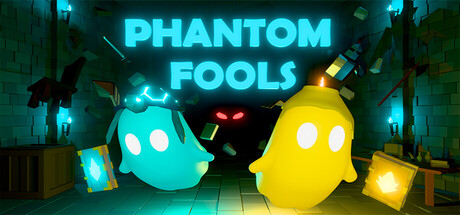
Generative AI was used during the development of Phantom Fools as a helper tool. It was used for some images, sound effects, music, and small parts of code. The 3D models, animations, most of the code, and the main game design were made by the developers without generative AI. Everything made with AI was checked, edited, and added to the game manually.
The game does not use generative AI during gameplay. No live AI-generated content is shown to players.
Since this is a large project for a two-person team, we used AI assistance to refine some code and create certain images that were difficult for us to capture in the real world. All AI-assisted content was reviewed, adjusted, and approved by us before being included in the game.
Current store artwork, in-game loading screen images, and background music were created with assistance from generative AI tools. These assets were manually reviewed and edited by the development team.
Dynasty and RTG Modes - Storyline content in hub screen, Design Implementation and tuning
Commentary scripting support
Trophy Room Support
Creating more realistic play calls made by CPU teams
Some visual assets in OMNICORIUM were generated using AI tools, either directly during development or sourced from third-party creators who used AI-assisted generation.
AI is used exclusively for selected visual assets. It is not used for gameplay systems, player interactions, procedural mechanics, or dynamic content generation.
Some of this game's marketing artwork (Steam store capsules and banners) was generated with the help of an AI image model (FLUX via Runware) and then composited and edited by hand for the final assets.
Translations for 14 of the 16 supported languages — Danish, Finnish, French, German, Italian, Japanese, Korean, Norwegian, Polish, Portuguese, Simplified Chinese, Slovak, Spanish, and Swedish — were produced by machine translation (DeepL). Only English and Czech are reviewed and edited by a human; the other translations may contain mistakes, and corrections are welcome.
Some art assets are generative and some are not. Many assets were purchased and then updated with generative AI in order to look different from the original purchased assets. We would love to change these out for custom art if the game does well.
Character, monster, and object sprites, as well as the app icon, were created using AI image generation tools and subsequently hand-edited and refined by the developer. Some in-game text was written with AI assistance.
Deep In The Mine was developed by a single person. Artificial intelligence was used to save time and correct certain shortcomings, particularly in audio creation and mesh generation.
During development, we may use AI-assisted tools to prototype and iterate on content.
All assets in the final game are reviewed, refined, or recreated by our team.
If you spot something that looks like an unfinished AI placeholder, please let us know - we take that seriously.
Generative AI tools were used in a limited capacity to assist with marketing materials and early concept visuals during development. All AI-assisted content was reviewed and approved by the development team. The final shipped game contains no generative AI content.
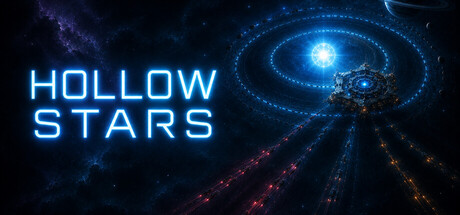
Some 2D visual assets in Hollow Stars were created with the help of generative AI image tools during development. This includes parts of the store and marketing artwork, the achievement icons, and background art used in the game's cinematic intro. Every AI-assisted asset was reviewed, edited and curated by the development team before release.
Generative AI is not used while you play. The game runs no generative AI at runtime — the in-game faction "AI" is a fully deterministic, rule-based simulation, not a generative model. No player input or data is sent to any AI service.
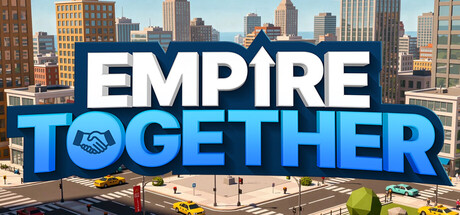
Empire Together uses generative AI to enrich the gameplay experience. AI is used to dynamically generate character dialogue, quest descriptions, and event text, delivering a more varied and immersive narrative experience. All generated content is supervised and reviewed by our team to ensure consistency with the game's universe.
Some voice dialogue and a small number of in-game icons were created or assisted by generative AI tools. All such content has been reviewed and edited by the development team before being included in the game.
In our game, some sections of code are generated by artificial intelligence, a common practice among developers and quality assurance engineers. Some images are also generated by artificial intelligence.
Some assets used on the store page (including promotional images and background art) were created with the assistance of generative AI tools. All AI-generated materials have been reviewed and edited by our team to meet quality and content standards.
To make the game accessible to as many regions as possible, all translations besides English were produced using advanced generative AI localization tools. We are committed to updating these translations based on player feedback.
The game uses generative AI solely for the creation of certain visual and text assets.
AI does not affect gameplay, player behavior, or core game mechanics.
In-game music tracks were created using generative AI-assisted tools and were subsequently edited, mixed, arranged, and mastered by the developer. All AI-generated material was reviewed and modified as part of the final audio production process.
AI tools were used during development to assist with writing and improving the game’s C# code. All AI-assisted code was reviewed, manually adjusted, and fully tested by the developer. No AI is used during gameplay, and no AI-generated assets (such as images or sounds) are included in the final game
Generative AI tools were used during development to assist with early concept art, visual ideation, logos, and certain promotional materials. All final in-game content and gameplay implementation were curated, edited, and integrated by the developers.
This game contains selected content created with the assistance of generative artificial intelligence tools. This includes certain 3D models, textures, sound effects, and graphical assets that were generated or processed using AI technology, and subsequently reviewed and integrated by our development team.
Generative AI was used as a supplementary tool in the creative process - all content has been manually reviewed, adjusted, and approved by human developers before being included in the game. We do not use generative AI to produce content in real time during gameplay.
Village Coop Clicker is a small hobby project created with extensive use of AI-assisted tools for programming, artwork, audio, localization, and store assets.
The game design, balancing, progression systems, and overall creative direction were created and curated manually by the developer.
AI tools were used to assist with some code development and selected Steam store page text. The core game design, gameplay, and creative direction are created by the development team. No live generative AI content is created during gameplay.
Some in-game audio, including phone call voices and ambient sounds, were generated using AI tools. Additionally, certain stickers and visual assets found in the Cancer's living area were created with the assistance of generative AI.
AI Generated Content Disclosure
The developers describe how their game uses AI Generated Content like this:
Generative AI tools were used in limited cases during the production of certain game assets. AI-generated content was not used as-is, and any such assets were revised, refined, and finalized by our art and development teams to ensure they meet our quality standards and creative direction.
I used AI to generate much of the code for this game. I did a lot of reviewing and tweaking the code, but a large portion of the core code for the game was generated by AI.
The AI also generate the player and enemy "models". I had them generate to game scene files (tscn files in Godot) which are just simple text files. I tweaked many of them after initial generation.
I also used AI to generate the various store page and icon art, and 4 images that are findable in the game as items
AI was not used for the music in game, or the various art assets and SFX not mentioned above.
Scourge of the Necromancer makes significant use of generative AI in its production. We want to be fully upfront about it.
Visual assets (2D images + video) — all AI-generated, then human-curated and human-edited. Every shipped image and video in the game and on the Steam store page was produced with AI tools, then reviewed, edited, and selected by hand by the developer. This covers: Steam store capsules and library art, the store-page background, all in-game achievement icons, hero portraits, the Necromancer concept art, decorative UI elements, all real-time cinematics (the defeat sequence and all victory variants), and the marketing trailer's atmospheric segments. Image models used: Google Imagen 4, Google Veo 3.1 (video), Nano Banana Pro / Gemini 3 Pro Image (Google), Black Forest Labs FLUX.2, Recraft V4 Pro, Ideogram V3, and Bria RMBG-2.0 (background removal). Final assets received human editing — compositing, color correction, retouching, frame extraction, masking, and rejection of unusable outputs.
3D models — AI-generated base meshes, then human-edited in Blender. The in-game hero character models (Knight, Cleric, Ranger, Wizard, Warrior, Alchemist) started as outputs from Tripo AI's generative 3D model service (FBX + texture PNGs), but each model was then opened in Blender by the developer for hand editing — mesh cleanup, geometry adjustments, and texture fixes — before being exported for use in the game. Each finished model was imported into Unity with hand-tuned scale, rotation, material configuration, and import-setting curation. Unsatisfactory generations were discarded and re-prompted; the Blender editing step is substantial enough that the shipped models are not pure AI output.
Music — AI-generated, then human-curated and post-processed. All music tracks in the game (menu, gameplay layers, boss phases, victory, defeat) were produced with Google Gemini's music generation, then human-selected, trimmed, looped, and mixed by the developer.
Necromancer voice — AI-generated, then human-edited. The Necromancer's spoken syllables were synthesized with ElevenLabs Text-to-Speech (Eleven Multilingual v2 model), then pitch-shifted, EQ'd, and processed with reverb in Audacity by the developer to produce the final in-game delivery. No other character has spoken voice lines in the shipped game.
Sound effects — all AI-generated. Every SFX in the game (ability sounds, ambient layers, UI sounds, footsteps, kill/spawn cues, tile state cues, boss audio) was produced with ElevenLabs Sound Effects, then human-selected, trimmed, processed, and mixed by the developer. The Necromancer voice lines use ElevenLabs Text-to-Speech (covered separately above).
Runtime behavior. The game does NOT use live-generated AI content at runtime. Every shipped asset is a fixed, pre-rendered file. Player-facing text, dialogue, narrative, lore, and game design were written by the developer without AI generation.
Code. Code development used Claude (Anthropic) as an AI coding assistant. This is behind-the-scenes efficiency tooling not consumed by players, but we mention it here for full transparency.
Generative AI was used during the development of Phantom Fools as a helper tool. It was used for some images, sound effects, music, and small parts of code. The 3D models, animations, most of the code, and the main game design were made by the developers without generative AI. Everything made with AI was checked, edited, and added to the game manually.
The game does not use generative AI during gameplay. No live AI-generated content is shown to players.
Since this is a large project for a two-person team, we used AI assistance to refine some code and create certain images that were difficult for us to capture in the real world. All AI-assisted content was reviewed, adjusted, and approved by us before being included in the game.
Current store artwork, in-game loading screen images, and background music were created with assistance from generative AI tools. These assets were manually reviewed and edited by the development team.
Dynasty and RTG Modes - Storyline content in hub screen, Design Implementation and tuning
Commentary scripting support
Trophy Room Support
Creating more realistic play calls made by CPU teams
Some visual assets in OMNICORIUM were generated using AI tools, either directly during development or sourced from third-party creators who used AI-assisted generation.
AI is used exclusively for selected visual assets. It is not used for gameplay systems, player interactions, procedural mechanics, or dynamic content generation.
Some of this game's marketing artwork (Steam store capsules and banners) was generated with the help of an AI image model (FLUX via Runware) and then composited and edited by hand for the final assets.
Translations for 14 of the 16 supported languages — Danish, Finnish, French, German, Italian, Japanese, Korean, Norwegian, Polish, Portuguese, Simplified Chinese, Slovak, Spanish, and Swedish — were produced by machine translation (DeepL). Only English and Czech are reviewed and edited by a human; the other translations may contain mistakes, and corrections are welcome.
Some art assets are generative and some are not. Many assets were purchased and then updated with generative AI in order to look different from the original purchased assets. We would love to change these out for custom art if the game does well.
Character, monster, and object sprites, as well as the app icon, were created using AI image generation tools and subsequently hand-edited and refined by the developer. Some in-game text was written with AI assistance.
Deep In The Mine was developed by a single person. Artificial intelligence was used to save time and correct certain shortcomings, particularly in audio creation and mesh generation.
During development, we may use AI-assisted tools to prototype and iterate on content.
All assets in the final game are reviewed, refined, or recreated by our team.
If you spot something that looks like an unfinished AI placeholder, please let us know - we take that seriously.
Generative AI tools were used in a limited capacity to assist with marketing materials and early concept visuals during development. All AI-assisted content was reviewed and approved by the development team. The final shipped game contains no generative AI content.
Some 2D visual assets in Hollow Stars were created with the help of generative AI image tools during development. This includes parts of the store and marketing artwork, the achievement icons, and background art used in the game's cinematic intro. Every AI-assisted asset was reviewed, edited and curated by the development team before release.
Generative AI is not used while you play. The game runs no generative AI at runtime — the in-game faction "AI" is a fully deterministic, rule-based simulation, not a generative model. No player input or data is sent to any AI service.
Empire Together uses generative AI to enrich the gameplay experience. AI is used to dynamically generate character dialogue, quest descriptions, and event text, delivering a more varied and immersive narrative experience. All generated content is supervised and reviewed by our team to ensure consistency with the game's universe.
Some voice dialogue and a small number of in-game icons were created or assisted by generative AI tools. All such content has been reviewed and edited by the development team before being included in the game.
In our game, some sections of code are generated by artificial intelligence, a common practice among developers and quality assurance engineers. Some images are also generated by artificial intelligence.
Some assets used on the store page (including promotional images and background art) were created with the assistance of generative AI tools. All AI-generated materials have been reviewed and edited by our team to meet quality and content standards.
To make the game accessible to as many regions as possible, all translations besides English were produced using advanced generative AI localization tools. We are committed to updating these translations based on player feedback.
The game uses generative AI solely for the creation of certain visual and text assets.
AI does not affect gameplay, player behavior, or core game mechanics.
In-game music tracks were created using generative AI-assisted tools and were subsequently edited, mixed, arranged, and mastered by the developer. All AI-generated material was reviewed and modified as part of the final audio production process.
AI tools were used during development to assist with writing and improving the game’s C# code. All AI-assisted code was reviewed, manually adjusted, and fully tested by the developer. No AI is used during gameplay, and no AI-generated assets (such as images or sounds) are included in the final game
Generative AI tools were used during development to assist with early concept art, visual ideation, logos, and certain promotional materials. All final in-game content and gameplay implementation were curated, edited, and integrated by the developers.
This game contains selected content created with the assistance of generative artificial intelligence tools. This includes certain 3D models, textures, sound effects, and graphical assets that were generated or processed using AI technology, and subsequently reviewed and integrated by our development team.
Generative AI was used as a supplementary tool in the creative process - all content has been manually reviewed, adjusted, and approved by human developers before being included in the game. We do not use generative AI to produce content in real time during gameplay.