Public Steam disclosure research25,383 disclosures tracked
Where do games disclose AI use?
Search developers’ Steam disclosures, compare classified AI use across
games, and follow recorded changes.
This index adds cross-game classifications and statistics to
statements published on individual store pages.
Groups reflect automatic analysis of public disclosures; mature records are excluded. These counts do not measure AI use across all of Steam.
Missing or unclear statements cannot establish whether a game uses AI.
All photorealistic in-game assets and store promotional images are pre-generated via text-to-image AI tools during development. No existing copyrighted photographs, real-life reference images, or specific real-person portraits are used as the basis for generation.
All character visuals are created solely from broad, generic descriptive prompts such as "Chinese young man in the 1990s", and do not reference any real individual. All third-party brand logos, commercial trademarks and potentially infringing elements have been manually reviewed and removed from the generated content.
The developer holds full commercial rights to all AI-generated content in the game and promotional materials.
Generative AI tools were used during development to help create and refine pre generated visual assets, text and localization, and code. All AI-assisted material included in the game was reviewed and integrated by the developer, with further editing where needed. The game does not use live generative AI and does not generate content during gameplay.
Some in game and promotional visual assets were created using generative AI and then edited and integrated into FrogPop. No content is generated by AI during gameplay.
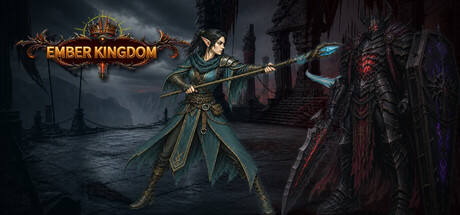
During development, Ember Kingdom used generative AI to assist in creating some pre-generated game art assets, including backgrounds, UI icons, character and monster images, visual effects, and branding artwork. All assets were manually reviewed, edited, and integrated before being added to the game, and are included with the game as fixed files.
The game does not connect to any generative AI services during gameplay, nor does it generate text, images, sound effects, characters, or other content in real time based on player input. All journeys, events, and combat outcomes in the game are determined by pre-designed data and game rules.
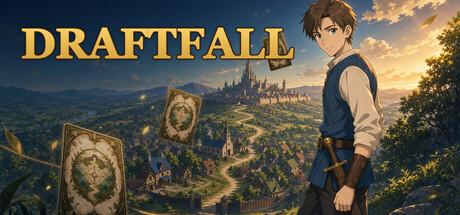
Draftfall uses pre-generated generative AI content created during development. Most 2D visual assets—including character artwork, sprites, backgrounds, card illustrations and story panels—were created with AI assistance, along with portions of the narrative and gameplay text. All content was reviewed, edited and integrated by the developer. Draftfall does not generate AI content during gameplay or connect to generative AI services while running.
Our visual development workflow uses generative AI to create parts of graphical elements and textures. Every AI-assisted visual asset is reviewed, edited and polished by our team to maintain a consistent visual standard across the game.
LIMP MODE is made by a solo developer who uses generative AI as a tool during production.
Where AI was used: the game's code, the cover artwork that all store page capsule images are built from, the songs played on the in-game radio, the spoken lines of one story character (text-to-speech), parts of the in-game visual and audio assets, and the drafting of the English store page and marketing texts. The player character's voice lines are recorded by the developer himself and are not AI-generated.
All game design, mechanics, balancing and creative direction come from the developer. Every AI-assisted result was reviewed and edited by the developer before it shipped.
The game does not generate any content while it is running and does not connect to any AI service during gameplay.
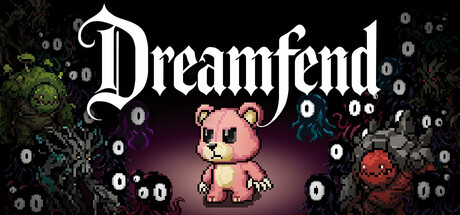
Some assets in Dreamfend were created using generative AI tools. This applies to the music and to some of the visual assets. All such content is reviewed and refined by hand to match the game's style and the author's intent. No content is generated during gameplay.
Localizations other than Italian are AI-assisted, with human and community review ongoing during development. All game design, writing, and art direction are human-made.
Artificial intelligence tools were utilized as a reference and assistive aid in the creation of certain art assets, audio elements, and localization translations for this game.
Generative AI tools were used during development to assist with creating and refining some pre-generated artwork and other media assets, including assets used in the game and on its Steam store page. All AI-assisted content was reviewed, edited, and integrated by the developer. The game does not generate AI content during gameplay or connect to external AI services.
This game contains game assets created with machine learning technology and refined through human review and editing. Developed by Hayden-Fisher Technologies, Inc. (an independently owned tech consulting and engineering corporation).
Some temporary store page artwork (capsule images) and marketing text were created with the assistance of AI tools. The game itself does not contain AI-generated art, sound, or content, and does not use AI generation at runtime.
At Dual Horizon Games, generative AI was one tool used during development as part of a broader creative process led by our team. No AI-generated content is created during gameplay.
Stick Crisis was developed with assistance from generative AI tools. AI-assisted image and animation tools were used to create selected visual assets, character animation frames and pre-rendered cinematics; these materials were reviewed, edited and integrated by the developer. AI coding assistants also contributed to portions of the source code. The game does not generate content during gameplay or connect to generative AI services at runtime.
AI was only used to generate minimal resources to support unit design and partial localization.
All AI-assisted content has been reviewed, and the final assets were manually drawn to fit the game's artistic style and atmosphere.
Store page assets: These were primarily created by our designers through composition and arrangement of existing in-game assets, followed by minor AI-assisted adjustments to atmosphere (e.g., lighting, color tones). All final images have undergone thorough human review and refinement. The core design work was completed by our designers, with AI serving only as a supplementary tool to enhance the final presentation.
We are committed to the ethical use of AI. As such, limited assistance with some text, spoken dialogue, narrative, localization, and store/marketing copy may have been utilized.
It is not used to generate artwork or live gameplay content, and all final content is reviewed by the team.
AI Was used to generate the page description, it was also used to test certain parts of the game and help debug a few problems, there was partial AI usage also for the game music, while the music itself was created in FL Studio there was usage to generate some of the variants of the tracks
Generative AI tools were used during development to assist with portions of the game's code, visual asset creation, localization, and marketing artwork. All included content was selected, edited, integrated, and reviewed by the developer. The game does not generate AI content during gameplay.
AI coding assistants were used during development to help create and edit portions of the code and player-facing implementation that ship with the game. The game's 2D artwork was not created by an image-generation model. All AI-assisted outputs were reviewed, edited, and integrated by the developer. The game does not use generative AI at runtime.
Generative AI was used during development as a coding assistant and to assist with drafting and translating store-page and marketing text. Some pixel-art assets were rendered by deterministic drawing code written with AI assistance; the final images were not directly output by a text-to-image or diffusion model. All shipped and published content was reviewed and edited by the developer. No generative AI runs in the game, and no content is generated from player input.
Pre-generated only. Nothing is generated live while the game runs, and the game makes no network calls of any kind.
2D card illustrations were produced with an AI image tool from hand-written art-direction prompts, then cropped, recoloured and composited by hand into the game's painted card frames. A small number of 3D prop meshes were produced with an image-to-3D model (Microsoft TRELLIS, MIT licensed) and edited before use; most world geometry is built procedurally in code rather than generated. Ambient beds and music were produced with an AI music tool against a fixed written spec (key of D, 72 BPM, fades in from silence, no climax) and are mixed and crossfaded by the game's own audio code.
All code, game design, UI layout, in-game text and store text are human-authored. Some combat sound effects are CC0 samples from Freesound.
No player data is sent to any AI service.
Some visual assets and background music included in this game were created using generative AI tools and have been reviewed, edited, and integrated by the developer.
DriveGear includes some pre-generated visual and audio assets created with AI tools. These assets were selected and edited by the developer and ship as fixed content. No content is generated by AI during gameplay.
Penguin Fury uses generative AI tools for part of its content.
Localization: The game is available in 39 languages. The original text was
written by the developer. The translations were produced with AI translation
tools and reviewed before release.
Art: Some achievement icons and character/UI artwork were created with the help
of AI image tools and then edited by the developer.
Store page: Some of the text and images on this store page were created with AI
assistance and edited by the developer.
No AI content is generated while you play. Everything in the game is created in
advance and shipped with the build.
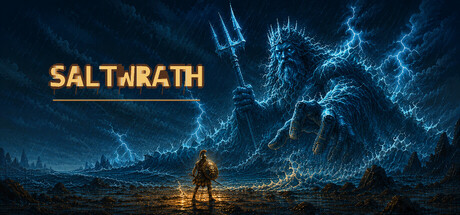
Some of SALTWRATH's audio and store artwork was created using generative AI tools and then edited by hand. The music and sound effects were generated with Suno, then trimmed, mixed and levelled manually before being used in the game. Some store page and capsule artwork was generated with an AI image tool and edited before use.
The game itself does not use generative AI while you play. Nothing is generated live during a run, no content changes between playthroughs because of AI, and no player input is ever sent to an AI service.
Various visual assets and promotional materials for Get Outta My Gut were created with the assistance of generative AI tools.
All AI-generated content was reviewed, refined, and integrated by the developer to ensure consistency with the game's artistic direction and quality standards.
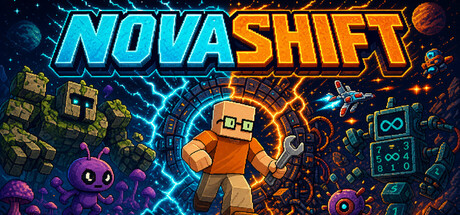
NovaShift: Universe uses AI-generated art. Some 2D artwork — enemy, boss and item sprites for several game universes, boss projectile sprites, and store/marketing images (capsules, key art, logo) — was created with the assistance of AI image-generation tools, then curated, edited, transparency-cleaned and integrated by the developer. All gameplay code, procedural art, audio and game design are human-made. No content is generated by AI at runtime; players never interact with a live AI system.
Some of the visual material for this game was created with the help of generative AI tools. Specifically, the opening cinematic and several of the promotional images on this store page were produced using AI-assisted image generation, followed by manual editing, compositing and art direction by our team. All gameplay, code, design and audio were created without generative AI.
Some development of FOOTDICE was assisted by generative AI tools. Game's code, portion of visual assets (svgs files), and text for marketing materials were created with AI assistance and then reviewed, edited, and finalized by the developer.
All content in the game is pre-generated — the game does not create content using AI while you play, and no player data is sent to AI services.
Generative AI tools were used during development to create or assist with portions of the game's pre-generated visual artwork, including horse illustrations, environmental backgrounds, contract and item icons, decorative UI artwork, the game logo, and Steam store and library artwork. AI-assisted tools were also used to draft or refine portions of in-game text and localization.
All such materials were generated before release, then reviewed, selected, and edited by the developer, and are included in the game as fixed assets. No AI content is generated during gameplay, and the game does not connect to any external AI service.
All photorealistic in-game assets and store promotional images are pre-generated via text-to-image AI tools during development. No existing copyrighted photographs, real-life reference images, or specific real-person portraits are used as the basis for generation.
All character visuals are created solely from broad, generic descriptive prompts such as "Chinese young man in the 1990s", and do not reference any real individual. All third-party brand logos, commercial trademarks and potentially infringing elements have been manually reviewed and removed from the generated content.
The developer holds full commercial rights to all AI-generated content in the game and promotional materials.
Generative AI tools were used during development to help create and refine pre generated visual assets, text and localization, and code. All AI-assisted material included in the game was reviewed and integrated by the developer, with further editing where needed. The game does not use live generative AI and does not generate content during gameplay.
Some in game and promotional visual assets were created using generative AI and then edited and integrated into FrogPop. No content is generated by AI during gameplay.
During development, Ember Kingdom used generative AI to assist in creating some pre-generated game art assets, including backgrounds, UI icons, character and monster images, visual effects, and branding artwork. All assets were manually reviewed, edited, and integrated before being added to the game, and are included with the game as fixed files.
The game does not connect to any generative AI services during gameplay, nor does it generate text, images, sound effects, characters, or other content in real time based on player input. All journeys, events, and combat outcomes in the game are determined by pre-designed data and game rules.
Draftfall uses pre-generated generative AI content created during development. Most 2D visual assets—including character artwork, sprites, backgrounds, card illustrations and story panels—were created with AI assistance, along with portions of the narrative and gameplay text. All content was reviewed, edited and integrated by the developer. Draftfall does not generate AI content during gameplay or connect to generative AI services while running.
Our visual development workflow uses generative AI to create parts of graphical elements and textures. Every AI-assisted visual asset is reviewed, edited and polished by our team to maintain a consistent visual standard across the game.
LIMP MODE is made by a solo developer who uses generative AI as a tool during production.
Where AI was used: the game's code, the cover artwork that all store page capsule images are built from, the songs played on the in-game radio, the spoken lines of one story character (text-to-speech), parts of the in-game visual and audio assets, and the drafting of the English store page and marketing texts. The player character's voice lines are recorded by the developer himself and are not AI-generated.
All game design, mechanics, balancing and creative direction come from the developer. Every AI-assisted result was reviewed and edited by the developer before it shipped.
The game does not generate any content while it is running and does not connect to any AI service during gameplay.
Some assets in Dreamfend were created using generative AI tools. This applies to the music and to some of the visual assets. All such content is reviewed and refined by hand to match the game's style and the author's intent. No content is generated during gameplay.
Localizations other than Italian are AI-assisted, with human and community review ongoing during development. All game design, writing, and art direction are human-made.
Artificial intelligence tools were utilized as a reference and assistive aid in the creation of certain art assets, audio elements, and localization translations for this game.
Generative AI tools were used during development to assist with creating and refining some pre-generated artwork and other media assets, including assets used in the game and on its Steam store page. All AI-assisted content was reviewed, edited, and integrated by the developer. The game does not generate AI content during gameplay or connect to external AI services.
This game contains game assets created with machine learning technology and refined through human review and editing. Developed by Hayden-Fisher Technologies, Inc. (an independently owned tech consulting and engineering corporation).
Some temporary store page artwork (capsule images) and marketing text were created with the assistance of AI tools. The game itself does not contain AI-generated art, sound, or content, and does not use AI generation at runtime.
At Dual Horizon Games, generative AI was one tool used during development as part of a broader creative process led by our team. No AI-generated content is created during gameplay.
Stick Crisis was developed with assistance from generative AI tools. AI-assisted image and animation tools were used to create selected visual assets, character animation frames and pre-rendered cinematics; these materials were reviewed, edited and integrated by the developer. AI coding assistants also contributed to portions of the source code. The game does not generate content during gameplay or connect to generative AI services at runtime.
AI was only used to generate minimal resources to support unit design and partial localization.
All AI-assisted content has been reviewed, and the final assets were manually drawn to fit the game's artistic style and atmosphere.
Store page assets: These were primarily created by our designers through composition and arrangement of existing in-game assets, followed by minor AI-assisted adjustments to atmosphere (e.g., lighting, color tones). All final images have undergone thorough human review and refinement. The core design work was completed by our designers, with AI serving only as a supplementary tool to enhance the final presentation.
We are committed to the ethical use of AI. As such, limited assistance with some text, spoken dialogue, narrative, localization, and store/marketing copy may have been utilized.
It is not used to generate artwork or live gameplay content, and all final content is reviewed by the team.
AI Was used to generate the page description, it was also used to test certain parts of the game and help debug a few problems, there was partial AI usage also for the game music, while the music itself was created in FL Studio there was usage to generate some of the variants of the tracks
Generative AI tools were used during development to assist with portions of the game's code, visual asset creation, localization, and marketing artwork. All included content was selected, edited, integrated, and reviewed by the developer. The game does not generate AI content during gameplay.
AI coding assistants were used during development to help create and edit portions of the code and player-facing implementation that ship with the game. The game's 2D artwork was not created by an image-generation model. All AI-assisted outputs were reviewed, edited, and integrated by the developer. The game does not use generative AI at runtime.
Generative AI was used during development as a coding assistant and to assist with drafting and translating store-page and marketing text. Some pixel-art assets were rendered by deterministic drawing code written with AI assistance; the final images were not directly output by a text-to-image or diffusion model. All shipped and published content was reviewed and edited by the developer. No generative AI runs in the game, and no content is generated from player input.
Pre-generated only. Nothing is generated live while the game runs, and the game makes no network calls of any kind.
2D card illustrations were produced with an AI image tool from hand-written art-direction prompts, then cropped, recoloured and composited by hand into the game's painted card frames. A small number of 3D prop meshes were produced with an image-to-3D model (Microsoft TRELLIS, MIT licensed) and edited before use; most world geometry is built procedurally in code rather than generated. Ambient beds and music were produced with an AI music tool against a fixed written spec (key of D, 72 BPM, fades in from silence, no climax) and are mixed and crossfaded by the game's own audio code.
All code, game design, UI layout, in-game text and store text are human-authored. Some combat sound effects are CC0 samples from Freesound.
No player data is sent to any AI service.
Some visual assets and background music included in this game were created using generative AI tools and have been reviewed, edited, and integrated by the developer.
DriveGear includes some pre-generated visual and audio assets created with AI tools. These assets were selected and edited by the developer and ship as fixed content. No content is generated by AI during gameplay.
Penguin Fury uses generative AI tools for part of its content.
Localization: The game is available in 39 languages. The original text was
written by the developer. The translations were produced with AI translation
tools and reviewed before release.
Art: Some achievement icons and character/UI artwork were created with the help
of AI image tools and then edited by the developer.
Store page: Some of the text and images on this store page were created with AI
assistance and edited by the developer.
No AI content is generated while you play. Everything in the game is created in
advance and shipped with the build.
Some of SALTWRATH's audio and store artwork was created using generative AI tools and then edited by hand. The music and sound effects were generated with Suno, then trimmed, mixed and levelled manually before being used in the game. Some store page and capsule artwork was generated with an AI image tool and edited before use.
The game itself does not use generative AI while you play. Nothing is generated live during a run, no content changes between playthroughs because of AI, and no player input is ever sent to an AI service.
Various visual assets and promotional materials for Get Outta My Gut were created with the assistance of generative AI tools.
All AI-generated content was reviewed, refined, and integrated by the developer to ensure consistency with the game's artistic direction and quality standards.
NovaShift: Universe uses AI-generated art. Some 2D artwork — enemy, boss and item sprites for several game universes, boss projectile sprites, and store/marketing images (capsules, key art, logo) — was created with the assistance of AI image-generation tools, then curated, edited, transparency-cleaned and integrated by the developer. All gameplay code, procedural art, audio and game design are human-made. No content is generated by AI at runtime; players never interact with a live AI system.
Some of the visual material for this game was created with the help of generative AI tools. Specifically, the opening cinematic and several of the promotional images on this store page were produced using AI-assisted image generation, followed by manual editing, compositing and art direction by our team. All gameplay, code, design and audio were created without generative AI.
Some development of FOOTDICE was assisted by generative AI tools. Game's code, portion of visual assets (svgs files), and text for marketing materials were created with AI assistance and then reviewed, edited, and finalized by the developer.
All content in the game is pre-generated — the game does not create content using AI while you play, and no player data is sent to AI services.
Generative AI tools were used during development to create or assist with portions of the game's pre-generated visual artwork, including horse illustrations, environmental backgrounds, contract and item icons, decorative UI artwork, the game logo, and Steam store and library artwork. AI-assisted tools were also used to draft or refine portions of in-game text and localization.
All such materials were generated before release, then reviewed, selected, and edited by the developer, and are included in the game as fixed assets. No AI content is generated during gameplay, and the game does not connect to any external AI service.