Public Steam disclosure research25,383 disclosures tracked
Where do games disclose AI use?
Search developers’ Steam disclosures, compare classified AI use across
games, and follow recorded changes.
This index adds cross-game classifications and statistics to
statements published on individual store pages.
Groups reflect automatic analysis of public disclosures; mature records are excluded. These counts do not measure AI use across all of Steam.
Missing or unclear statements cannot establish whether a game uses AI.
Generative AI tools were used during development to assist with portions of the game's code, hand-drawn-style visual elements, original music and audio, written text, and some store and community marketing materials. All included material was reviewed, selected, edited, and integrated by the developer.
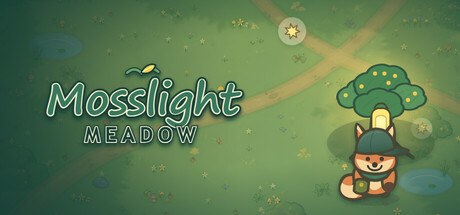
The game does not use generative AI during gameplay and does not connect to external AI services. Its randomized meadows are created through conventional procedural generation.
AI Generation Disclosure
Abduction uses generative AI in limited, supporting ways during development — for example, assisting with asset preparation such as converting custom font designs into usable game fonts. All core game design, systems, art direction, and content are created and reviewed by the developer. Generative AI is a tool in the pipeline, not a substitute for the creative work behind the game.
I write this game's code with the help of AI coding tools, and I review everything that ships. All the art is drawn by code — no AI image generation anywhere.
The enemy is a small neural network that trains locally on how you move. It only controls the eye's behavior, and it never generates art, text, or audio.
Generative AI was used as part of the development process to create and refine some pre-rendered 2D artwork, including icons, item and character sprites, backgrounds, UI elements, and marketing images. All AI-assisted assets were reviewed and curated by the developer before inclusion.
The use of third-party assets were also used in the creation which got refined.
No content is generated by AI during gameplay, and the game does not connect to any external AI services.
Most of the game's 2D art assets — including monster sprites, map backgrounds, skill and skill tree icons, achievement icons, and store/marketing key art — were created with the assistance of generative AI image tools and then reviewed and edited by the developer. Portions of the localization text (store page and in-game translations) were produced with AI assistance under human review. The game does not generate any content with AI at runtime.
We used generative AI as a coding assistant during development to help write and debug the game's source code. All AI-assisted code was reviewed and tested by the developer. The game contains some AI-generated sounds and visual content at runtime however most is non AI. The game sends no player data to any AI service.
Some music and sound in Perfectly Fair was created using AI tools (Suno AI, ElevenLabs) during development. All content is fixed in the final game; nothing is generated live during gameplay.
Generative AI was used to create some marketing assets, specifically the store capsule images and page banners. The core game content, including the code, levels, character pixel art, and music, has been traditionally developed to ensure a consistent and high-quality solo-developer experience.
Some promotional visual assets used on the store page (marketing illustrations) were created with the help of generative artificial intelligence tools.
The game content itself (gameplay, in-game graphics, levels, mechanics, and logic) is entirely created by humans, with no AI-generated content used in real time or in pre-rendered gameplay.
AI was used only to generate the music and sound effects for BitBeasts. No AI was used to generate the game's visual assets, gameplay systems, code, or other core game content.
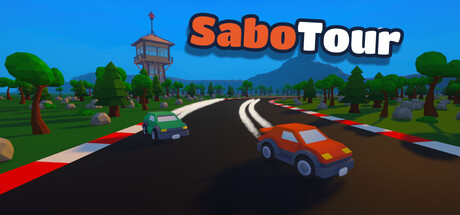
The observation tower model in SaboTour was initially created using an
AI-based 3D generation tool, then manually repaired, retopologized and
finished in Blender. No other AI-generated content is included, and the
game does not generate any content using AI while it is running.
Generative AI tools were used during development to assist with portions of debugging and gameplay balancing. All AI-assisted output was reviewed, modified, tested, and integrated by the developer. The game does not connect to generative AI services or generate AI content during gameplay.
Used AI to over optimize the performance of the game as it is very painful to have 1000 monsters with real physics on your screen at the same time and 100 projectiles per seconds without turning your pc into an oven
This game and its Steam store page contain pre-generated content created with assistance from generative AI tools. AI image generation was used for selected 2D pixel-art assets, which were then curated, edited, cleaned, resized, and integrated by the developer. AI and machine-assisted tools were also used to prepare initial drafts of localized interface text, store-page descriptions, and other marketing copy, followed by developer review and revision. The game does not generate content during play and does not connect to any generative AI service.
Some visual assets used in the game and its promotional materials were created with the assistance of generative AI. These assets were reviewed and integrated by the developer as part of the game's overall art direction.
Some of this game's assets were made with the assistance of generative AI tools and were reviewed, curated and hand-finished by the developer. No content is generated while you play.
Generative AI tools were used during development to assist with the creation of certain pre-rendered visual assets, including selected UI elements, background artwork, promotional images, and store page materials. All generated assets were reviewed, edited, and curated by the development team before inclusion. The game does not generate AI content during gameplay.
Pre-generated AI was used to assist in the creation of promotional artwork and Steam store assets. No live-generated AI content is used during gameplay. Players do not interact with AI-generated systems while playing the game.
Pre-generated AI tools were used to create store page and marketing artwork (capsules, key art, banners, broadcast panels). No AI-generated content ships inside the game itself: all in-game visuals are built procedurally in code or come from CC0 asset kits. No live-generated AI content.
Generative AI was used to create visual art in this game. Creature, character and background artwork was produced with AI image and animation tools, then hand-edited, cleaned up and assembled by the developer before being placed in the game. This artwork also appears in store page and marketing materials. The game additionally uses licensed, human-made pixel-art asset packs. AI tools (LLM) were also used to help write the game's code and in-game text during development, and to translate that text into the game's six non-English languages (Korean, Simplified Chinese, Japanese, Russian, Spanish, Brazilian Portuguese). All audio - music and sound effects - is human-made and licensed from human creators; no generative AI was used for audio. No AI runs during gameplay: all content is generated ahead of time and reviewed by the developer before it ships.
Generative AI tools were used during development to assist with portions of programming and to create selected pre-generated audio and visual assets. These include some character and commentator voice lines and branding artwork. All AI-assisted content was reviewed and integrated by the developer. No generative AI runs during gameplay, and no player input or personal data is sent to AI services.
Generative AI was occasionally used to prototype assets and give ideas\reference for assets. It was also occasionally used to generate normal maps on textures I had created. Sometimes this had disastrous results.
Some graphical elements of the user interface (menus, icons, and buttons), as well as store page assets (capsule images, header, and screenshots containing generated elements), were created with the assistance of generative AI tools and manually reviewed and edited by the developer
We used Gemini AI during the development process to assist in generating some ambient background music tracks. Additionally, AI tools were used for minor assistance in refining some visual components and lighting enhancements for marketing assets. All components have been carefully curated, hand-edited, and integrated by the developer to comply with Steam's content policies.
Pre-generated AI tools were used during development to create some 2D visual assets, including in-game sprites, the application icon, and promotional artwork used on the Steam store page. AI tools also assisted with some English and Japanese text and localization. All outputs were reviewed and, where necessary, edited by the developer before being included. The game does not generate AI content during gameplay and does not connect to external AI services.
During development, as a solo developer, Claude Code was especially helpful for debugging, development and testing. There is no LLM usage within Frontier Protocol and no external connection is required to play Frontier Protocol.
Some of the visual assets in this game including character key art, promotional images, and certain 3D art were created with the assistance of generative AI tools during development. All AI-generated content was reviewed, edited, and integrated by the developer. No generative AI is used at runtime; nothing is generated live while you play. All gameplay, code, and design are hand-crafted by a developer.
MonsterBash includes pre-generated AI-assisted artwork for certain menu backgrounds and between-level illustrations. All AI-generated assets were reviewed, edited, and integrated by the developer. No AI-generated content is created during gameplay.
Generative AI tools were used during development to assist with portions of the game's code, hand-drawn-style visual elements, original music and audio, written text, and some store and community marketing materials. All included material was reviewed, selected, edited, and integrated by the developer.
The game does not use generative AI during gameplay and does not connect to external AI services. Its randomized meadows are created through conventional procedural generation.
AI Generation Disclosure
Abduction uses generative AI in limited, supporting ways during development — for example, assisting with asset preparation such as converting custom font designs into usable game fonts. All core game design, systems, art direction, and content are created and reviewed by the developer. Generative AI is a tool in the pipeline, not a substitute for the creative work behind the game.
I write this game's code with the help of AI coding tools, and I review everything that ships. All the art is drawn by code — no AI image generation anywhere.
The enemy is a small neural network that trains locally on how you move. It only controls the eye's behavior, and it never generates art, text, or audio.
Generative AI was used as part of the development process to create and refine some pre-rendered 2D artwork, including icons, item and character sprites, backgrounds, UI elements, and marketing images. All AI-assisted assets were reviewed and curated by the developer before inclusion.
The use of third-party assets were also used in the creation which got refined.
No content is generated by AI during gameplay, and the game does not connect to any external AI services.
Most of the game's 2D art assets — including monster sprites, map backgrounds, skill and skill tree icons, achievement icons, and store/marketing key art — were created with the assistance of generative AI image tools and then reviewed and edited by the developer. Portions of the localization text (store page and in-game translations) were produced with AI assistance under human review. The game does not generate any content with AI at runtime.
We used generative AI as a coding assistant during development to help write and debug the game's source code. All AI-assisted code was reviewed and tested by the developer. The game contains some AI-generated sounds and visual content at runtime however most is non AI. The game sends no player data to any AI service.
Some music and sound in Perfectly Fair was created using AI tools (Suno AI, ElevenLabs) during development. All content is fixed in the final game; nothing is generated live during gameplay.
Generative AI was used to create some marketing assets, specifically the store capsule images and page banners. The core game content, including the code, levels, character pixel art, and music, has been traditionally developed to ensure a consistent and high-quality solo-developer experience.
Some promotional visual assets used on the store page (marketing illustrations) were created with the help of generative artificial intelligence tools.
The game content itself (gameplay, in-game graphics, levels, mechanics, and logic) is entirely created by humans, with no AI-generated content used in real time or in pre-rendered gameplay.
AI was used only to generate the music and sound effects for BitBeasts. No AI was used to generate the game's visual assets, gameplay systems, code, or other core game content.
The observation tower model in SaboTour was initially created using an
AI-based 3D generation tool, then manually repaired, retopologized and
finished in Blender. No other AI-generated content is included, and the
game does not generate any content using AI while it is running.
Generative AI tools were used during development to assist with portions of debugging and gameplay balancing. All AI-assisted output was reviewed, modified, tested, and integrated by the developer. The game does not connect to generative AI services or generate AI content during gameplay.
Used AI to over optimize the performance of the game as it is very painful to have 1000 monsters with real physics on your screen at the same time and 100 projectiles per seconds without turning your pc into an oven
This game and its Steam store page contain pre-generated content created with assistance from generative AI tools. AI image generation was used for selected 2D pixel-art assets, which were then curated, edited, cleaned, resized, and integrated by the developer. AI and machine-assisted tools were also used to prepare initial drafts of localized interface text, store-page descriptions, and other marketing copy, followed by developer review and revision. The game does not generate content during play and does not connect to any generative AI service.
Some visual assets used in the game and its promotional materials were created with the assistance of generative AI. These assets were reviewed and integrated by the developer as part of the game's overall art direction.
Some of this game's assets were made with the assistance of generative AI tools and were reviewed, curated and hand-finished by the developer. No content is generated while you play.
Generative AI tools were used during development to assist with the creation of certain pre-rendered visual assets, including selected UI elements, background artwork, promotional images, and store page materials. All generated assets were reviewed, edited, and curated by the development team before inclusion. The game does not generate AI content during gameplay.
Pre-generated AI was used to assist in the creation of promotional artwork and Steam store assets. No live-generated AI content is used during gameplay. Players do not interact with AI-generated systems while playing the game.
Pre-generated AI tools were used to create store page and marketing artwork (capsules, key art, banners, broadcast panels). No AI-generated content ships inside the game itself: all in-game visuals are built procedurally in code or come from CC0 asset kits. No live-generated AI content.
Generative AI was used to create visual art in this game. Creature, character and background artwork was produced with AI image and animation tools, then hand-edited, cleaned up and assembled by the developer before being placed in the game. This artwork also appears in store page and marketing materials. The game additionally uses licensed, human-made pixel-art asset packs. AI tools (LLM) were also used to help write the game's code and in-game text during development, and to translate that text into the game's six non-English languages (Korean, Simplified Chinese, Japanese, Russian, Spanish, Brazilian Portuguese). All audio - music and sound effects - is human-made and licensed from human creators; no generative AI was used for audio. No AI runs during gameplay: all content is generated ahead of time and reviewed by the developer before it ships.
Generative AI tools were used during development to assist with portions of programming and to create selected pre-generated audio and visual assets. These include some character and commentator voice lines and branding artwork. All AI-assisted content was reviewed and integrated by the developer. No generative AI runs during gameplay, and no player input or personal data is sent to AI services.
Generative AI was occasionally used to prototype assets and give ideas\reference for assets. It was also occasionally used to generate normal maps on textures I had created. Sometimes this had disastrous results.
Some graphical elements of the user interface (menus, icons, and buttons), as well as store page assets (capsule images, header, and screenshots containing generated elements), were created with the assistance of generative AI tools and manually reviewed and edited by the developer
We used Gemini AI during the development process to assist in generating some ambient background music tracks. Additionally, AI tools were used for minor assistance in refining some visual components and lighting enhancements for marketing assets. All components have been carefully curated, hand-edited, and integrated by the developer to comply with Steam's content policies.
Pre-generated AI tools were used during development to create some 2D visual assets, including in-game sprites, the application icon, and promotional artwork used on the Steam store page. AI tools also assisted with some English and Japanese text and localization. All outputs were reviewed and, where necessary, edited by the developer before being included. The game does not generate AI content during gameplay and does not connect to external AI services.
During development, as a solo developer, Claude Code was especially helpful for debugging, development and testing. There is no LLM usage within Frontier Protocol and no external connection is required to play Frontier Protocol.
Some of the visual assets in this game including character key art, promotional images, and certain 3D art were created with the assistance of generative AI tools during development. All AI-generated content was reviewed, edited, and integrated by the developer. No generative AI is used at runtime; nothing is generated live while you play. All gameplay, code, and design are hand-crafted by a developer.
MonsterBash includes pre-generated AI-assisted artwork for certain menu backgrounds and between-level illustrations. All AI-generated assets were reviewed, edited, and integrated by the developer. No AI-generated content is created during gameplay.