Public Steam disclosure research25,383 disclosures tracked
Where do games disclose AI use?
Search developers’ Steam disclosures, compare classified AI use across
games, and follow recorded changes.
This index adds cross-game classifications and statistics to
statements published on individual store pages.
Groups reflect automatic analysis of public disclosures; mature records are excluded. These counts do not measure AI use across all of Steam.
Missing or unclear statements cannot establish whether a game uses AI.
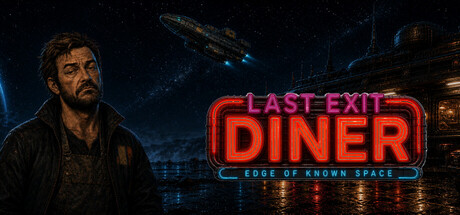
All pre-rendered visual artwork was created using generative AI under developer direction. This includes environment backgrounds, interface and menu artwork, branding, icons, and promotional/title-card images.
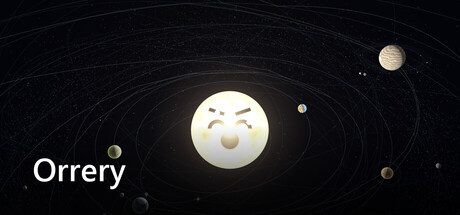
An AI coding assistant was used while developing Orrery to write and review source code, and to draft the text of this store page. No artwork, audio, or in-app content is AI-generated: the planetary surface maps are re-projected NASA and USGS imagery from Solar System Scope, every position is computed from published JPL and Hipparcos data, and the store images are captured from the running program by a script. Nothing is generated by AI while the program runs.
The developer uses generative AI tools during the development process to assist in creating pre-generated visual assets, environment textures, and background sound effects. These AI-assisted elements are finalized and integrated into the game's static files to enhance the overall horror atmosphere.
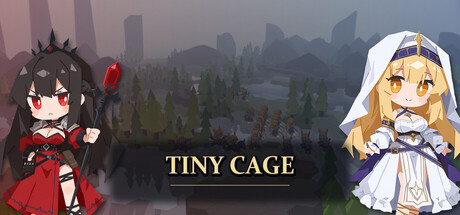
Pre-generated generative AI was used during development to create and refine some character illustrations, 3D character models, and selected visual or marketing assets. All generated material was reviewed and edited by the developer before inclusion. The game does not generate AI content during play.
Some visual assets and promotional materials were created or assisted using generative AI tools and have been reviewed, modified, and integrated by the developer.
All gameplay, programming, level design, and game logic were created and implemented by the developer.
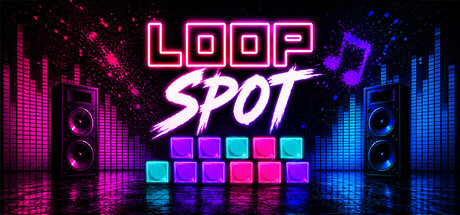
Loop Spot is a solo-developed game. Generative AI tools were used to assist with the creation of some visual assets, including UI artwork, logos, and capsule/marketing artwork. These assets were further edited, composited, and refined by me to fit the game’s visual direction and overall artistic vision.
The core gameplay, puzzle design, programming, and music were created by me. No generative AI was used to create the game’s music.
AI was used as a supporting visual production tool, while the game’s design, creative direction, gameplay, and music are my original work.
The majority of this game is hand-coded. AI support was used to generate code for CPU player states, modify/rearrange UI elements, create custom shaders, and generate the main menu background image.
Some 2D art assets in this game — including UI textures, item icons, and the title and loading screens — were created with the help of generative AI tools and then hand-edited for use in the game. All game design, simulation systems, and gameplay logic are authored and directed by the developer. No content is generated by AI while the game is running.
Generating general in-game scripts
Music
Level design
In general, the developer uses AI to create like a cubes; ultimately, they decide where to place each cube to build a castle—or, in this case, the video game itself.
Some store page artwork, promotional images, textures, and visual assets were created using generative AI tools and then edited and finalized by the developer. AI-generated content is used only for visual assets and does not generate content during gameplay.
This game uses generative AI to create the following content:
- Images (backgrounds, character portraits, item art, UI, and store capsule art): image generation models
- Music: Suno
- Sound effects: procedural synthesis, plus OpenMOSS MOSS-SoundEffect v2 (Apache-2.0)
- Text and code: created with the assistance of generative AI
All of the above were pre-generated during development. No AI runs at runtime.
Some background music tracks were created with the assistance of generative AI tools and subsequently edited and modified by the developer. No generative AI content is created during gameplay.
Generative AI tools were used during development to assist with drafting and editing store-page text and other development-related content. The game does not use generative AI during gameplay, and all AI-assisted content is reviewed and edited by the developer before inclusion.
Generative AI was used to create some artwork and visual assets for the game, including store page artwork and in-game icons. These assets were reviewed and integrated by the developer.
Some of this game's dialogue was refined with the help of a generative AI tool during revision. Every line in the finished game was reviewed and edited by the developer.
No generative AI was used to create the artwork, sound, or music, and no content is generated during gameplay.
Suno (commercial rights) was used to generate the game's music and the hobo's spoken lines, then hand-selected and edited to match the tone of the game. The translated dialogues were produced with the assistance of a language model.
The game's design and direction are entirely my own. All visuals are generated procedurally by the game's own code.
BOOKED uses generative AI-assisted artwork for some fictional in-game book covers and selected promotional/store artwork. Generative AI was also used to assist with some fictional book titles and creative concepts. All generated content was reviewed and selected by the developer before being included in the game.
I am a solo developer with ten years of experience, who started out as a 3D artist.
Every piece of 3D art in this game was made by me: the models, the UVs, the LODs. All of the game code and architecture was designed and programmed by me.
I used generative AI to assist me with some of the textures and the music.
This is a solo project with no funding and I wanted it to follow my vision so I needed any help I could get. If I ever could afford to hire people, that is what I am going to do! So we can deliver even better quality games!
Generative AI was used during development to assist with some image assets and written or localized text for the game and its store page, as well as three in-game background music tracks. All AI-assisted content is pre-generated and fixed. The game does not generate content at runtime or send player input or data to AI services.
Some 2D art in Kyle Coral — including certain background/scene art and store and marketing images — is created with the help of generative AI image tools and then reviewed and edited by the developer. The game's core gameplay visuals are generated procedurally in code.
Some of this game's assets were made with the assistance of generative AI tools and were reviewed, curated and hand-finished by the developer. No content is generated while you play.
Some of this game's assets were made with the assistance of generative AI tools and were reviewed, curated and hand-finished by the developer. No content is generated while you play.
Some of this game's assets were made with the assistance of generative AI tools and were reviewed, curated and hand-finished by the developer. No content is generated while you play.
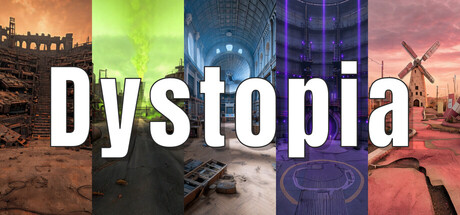
Dystopia uses AI to live-generate its radio: all music, DJ voices, lyrics,
song titles, and artist names are created by AI on our own servers and
streamed to every player. Our 3D environments render as Gaussian splats and
were AI generated using World Labs' Marble.
Generative AI tools were used during development to assist with pre-generated visual and audio assets. Final content was reviewed and integrated under the developer’s direction. NO content is generated by AI during gameplay.
Generative AI tools were used during development as part of the visual ideation and reference process for some in-game objects. Final game assets were created, assembled, and manually refined by the developer. The game does not use generative AI during gameplay.
Some of this game's art and music assets were created with the help of generative AI tools during development.
Art: Character portraits, unit and enemy sprites, environment tiles, map decorations, and item icons were produced with the assistance of AI image-generation tools (including Retro Diffusion, PixelLab, and FLUX), then curated, edited, assembled, and integrated by the developer.
Music: Background music was generated with a licensed AI music-generation tool and edited by the developer.
All AI-assisted content is pre-generated and fixed in the shipped game — no content is generated live during gameplay. Every asset was reviewed and approved by the developer to ensure it is original to this game, does not infringe third-party intellectual property, and is appropriate for the game's audience.
Some of the 2D art and textures in this game were created with the help of generative AI tools. Generative AI was also used to assist with writing and translating parts of the in-game text. All AI-assisted content was reviewed and edited by the developer before release. No content is generated by AI while you play.
Artificial intelligence tools were utilized solely in the creation of certain promotional materials, including the game logo and Steam library artwork.
Generative AI tools were used to assist in the creation of certain pre-generated 2D artwork and visual assets during development. AI-assisted artwork is reviewed, edited, and integrated by the development team to maintain the game's intended visual style and quality. No generative AI content is created live during gameplay
We use AI tools as part of our developer workflow, in some cases for generative textures, 2D or 3D placeholders, in other cases for actual designs to be used in the game, this can also be a mix of both.
Generative AI tools were used during development to assist with the creation of some character illustrations, visual art assets, and portions of the game’s code. All AI-assisted content was reviewed, edited, and integrated by the development team before being included in the final product. The game does not use generative AI to create content in real time during gameplay.
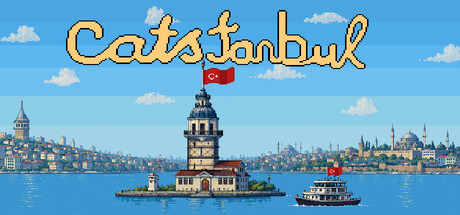
During the visual development process, I used generative AI tools (Leonardo AI, ChatGPT, etc.) to generate initial concept art and ideas. Using these concepts as a foundation, I manually redrew and refined every pixel in Aseprite, split them into layers for parallax effects, and converted them into functional game assets for Unity.
— Esra Soner (Catstanbul's Developer)
Parts of this game were made with the help of generative AI tools. AI assistance was used for the source code, the in-game and store text, the store and library artwork, and the music and sound effects. Everything generated was reviewed and edited by the developer before it shipped. Nothing is generated while you play: the game ships fixed assets and makes no calls to any AI service.
Towards the end of development, we used modern tools to find bugs faster and further improve the player experience. Some graphics are still temporary and will be replaced with original artwork before the full release. These tools will continue to support testing, bug hunting, and technical optimization.
This game uses generative AI-assisted tools for certain visual assets and promotional materials, including some artwork shown in the store page and trailer. All AI-assisted content has been reviewed, selected, edited, and integrated by the developer.
We used an AI diffusion tool in Krita to help create the background for the small capsule shown in search results. Our artist then worked over it with several extra layers, a bit like matte painting. For now, it's a placeholder until our artist finishes the hand-painted version of the small capsule.
The logo and the other capsule images were already hand-painted by our artist. The in-game portraits were also drawn by another artist on our team.
We have a devlog on our website about how we made the capsule artwork and hero portraits, and we'll share the full process on the Steam Community soon too.
The playtest build also includes a few placeholder assets made with AI tools in Krita. Our new UI artist is working on a new UI, so we'll be replacing those placeholders soon. As mentioned above, the hero portraits are also hand-drawn by our artist.
All pre-rendered visual artwork was created using generative AI under developer direction. This includes environment backgrounds, interface and menu artwork, branding, icons, and promotional/title-card images.
An AI coding assistant was used while developing Orrery to write and review source code, and to draft the text of this store page. No artwork, audio, or in-app content is AI-generated: the planetary surface maps are re-projected NASA and USGS imagery from Solar System Scope, every position is computed from published JPL and Hipparcos data, and the store images are captured from the running program by a script. Nothing is generated by AI while the program runs.
The developer uses generative AI tools during the development process to assist in creating pre-generated visual assets, environment textures, and background sound effects. These AI-assisted elements are finalized and integrated into the game's static files to enhance the overall horror atmosphere.
Pre-generated generative AI was used during development to create and refine some character illustrations, 3D character models, and selected visual or marketing assets. All generated material was reviewed and edited by the developer before inclusion. The game does not generate AI content during play.
Some visual assets and promotional materials were created or assisted using generative AI tools and have been reviewed, modified, and integrated by the developer.
All gameplay, programming, level design, and game logic were created and implemented by the developer.
Loop Spot is a solo-developed game. Generative AI tools were used to assist with the creation of some visual assets, including UI artwork, logos, and capsule/marketing artwork. These assets were further edited, composited, and refined by me to fit the game’s visual direction and overall artistic vision.
The core gameplay, puzzle design, programming, and music were created by me. No generative AI was used to create the game’s music.
AI was used as a supporting visual production tool, while the game’s design, creative direction, gameplay, and music are my original work.
The majority of this game is hand-coded. AI support was used to generate code for CPU player states, modify/rearrange UI elements, create custom shaders, and generate the main menu background image.
Some 2D art assets in this game — including UI textures, item icons, and the title and loading screens — were created with the help of generative AI tools and then hand-edited for use in the game. All game design, simulation systems, and gameplay logic are authored and directed by the developer. No content is generated by AI while the game is running.
Generating general in-game scripts
Music
Level design
In general, the developer uses AI to create like a cubes; ultimately, they decide where to place each cube to build a castle—or, in this case, the video game itself.
Some store page artwork, promotional images, textures, and visual assets were created using generative AI tools and then edited and finalized by the developer. AI-generated content is used only for visual assets and does not generate content during gameplay.
This game uses generative AI to create the following content:
- Images (backgrounds, character portraits, item art, UI, and store capsule art): image generation models
- Music: Suno
- Sound effects: procedural synthesis, plus OpenMOSS MOSS-SoundEffect v2 (Apache-2.0)
- Text and code: created with the assistance of generative AI
All of the above were pre-generated during development. No AI runs at runtime.
Some background music tracks were created with the assistance of generative AI tools and subsequently edited and modified by the developer. No generative AI content is created during gameplay.
Generative AI tools were used during development to assist with drafting and editing store-page text and other development-related content. The game does not use generative AI during gameplay, and all AI-assisted content is reviewed and edited by the developer before inclusion.
Generative AI was used to create some artwork and visual assets for the game, including store page artwork and in-game icons. These assets were reviewed and integrated by the developer.
Some of this game's dialogue was refined with the help of a generative AI tool during revision. Every line in the finished game was reviewed and edited by the developer.
No generative AI was used to create the artwork, sound, or music, and no content is generated during gameplay.
Suno (commercial rights) was used to generate the game's music and the hobo's spoken lines, then hand-selected and edited to match the tone of the game. The translated dialogues were produced with the assistance of a language model.
The game's design and direction are entirely my own. All visuals are generated procedurally by the game's own code.
BOOKED uses generative AI-assisted artwork for some fictional in-game book covers and selected promotional/store artwork. Generative AI was also used to assist with some fictional book titles and creative concepts. All generated content was reviewed and selected by the developer before being included in the game.
I am a solo developer with ten years of experience, who started out as a 3D artist.
Every piece of 3D art in this game was made by me: the models, the UVs, the LODs. All of the game code and architecture was designed and programmed by me.
I used generative AI to assist me with some of the textures and the music.
This is a solo project with no funding and I wanted it to follow my vision so I needed any help I could get. If I ever could afford to hire people, that is what I am going to do! So we can deliver even better quality games!
Generative AI was used during development to assist with some image assets and written or localized text for the game and its store page, as well as three in-game background music tracks. All AI-assisted content is pre-generated and fixed. The game does not generate content at runtime or send player input or data to AI services.
Some 2D art in Kyle Coral — including certain background/scene art and store and marketing images — is created with the help of generative AI image tools and then reviewed and edited by the developer. The game's core gameplay visuals are generated procedurally in code.
Some of this game's assets were made with the assistance of generative AI tools and were reviewed, curated and hand-finished by the developer. No content is generated while you play.
Some of this game's assets were made with the assistance of generative AI tools and were reviewed, curated and hand-finished by the developer. No content is generated while you play.
Some of this game's assets were made with the assistance of generative AI tools and were reviewed, curated and hand-finished by the developer. No content is generated while you play.
Dystopia uses AI to live-generate its radio: all music, DJ voices, lyrics,
song titles, and artist names are created by AI on our own servers and
streamed to every player. Our 3D environments render as Gaussian splats and
were AI generated using World Labs' Marble.
Generative AI tools were used during development to assist with pre-generated visual and audio assets. Final content was reviewed and integrated under the developer’s direction. NO content is generated by AI during gameplay.
Generative AI tools were used during development as part of the visual ideation and reference process for some in-game objects. Final game assets were created, assembled, and manually refined by the developer. The game does not use generative AI during gameplay.
Some of this game's art and music assets were created with the help of generative AI tools during development.
Art: Character portraits, unit and enemy sprites, environment tiles, map decorations, and item icons were produced with the assistance of AI image-generation tools (including Retro Diffusion, PixelLab, and FLUX), then curated, edited, assembled, and integrated by the developer.
Music: Background music was generated with a licensed AI music-generation tool and edited by the developer.
All AI-assisted content is pre-generated and fixed in the shipped game — no content is generated live during gameplay. Every asset was reviewed and approved by the developer to ensure it is original to this game, does not infringe third-party intellectual property, and is appropriate for the game's audience.
Some of the 2D art and textures in this game were created with the help of generative AI tools. Generative AI was also used to assist with writing and translating parts of the in-game text. All AI-assisted content was reviewed and edited by the developer before release. No content is generated by AI while you play.
Artificial intelligence tools were utilized solely in the creation of certain promotional materials, including the game logo and Steam library artwork.
Generative AI tools were used to assist in the creation of certain pre-generated 2D artwork and visual assets during development. AI-assisted artwork is reviewed, edited, and integrated by the development team to maintain the game's intended visual style and quality. No generative AI content is created live during gameplay
We use AI tools as part of our developer workflow, in some cases for generative textures, 2D or 3D placeholders, in other cases for actual designs to be used in the game, this can also be a mix of both.
Generative AI tools were used during development to assist with the creation of some character illustrations, visual art assets, and portions of the game’s code. All AI-assisted content was reviewed, edited, and integrated by the development team before being included in the final product. The game does not use generative AI to create content in real time during gameplay.
During the visual development process, I used generative AI tools (Leonardo AI, ChatGPT, etc.) to generate initial concept art and ideas. Using these concepts as a foundation, I manually redrew and refined every pixel in Aseprite, split them into layers for parallax effects, and converted them into functional game assets for Unity.
— Esra Soner (Catstanbul's Developer)
Parts of this game were made with the help of generative AI tools. AI assistance was used for the source code, the in-game and store text, the store and library artwork, and the music and sound effects. Everything generated was reviewed and edited by the developer before it shipped. Nothing is generated while you play: the game ships fixed assets and makes no calls to any AI service.
Towards the end of development, we used modern tools to find bugs faster and further improve the player experience. Some graphics are still temporary and will be replaced with original artwork before the full release. These tools will continue to support testing, bug hunting, and technical optimization.
This game uses generative AI-assisted tools for certain visual assets and promotional materials, including some artwork shown in the store page and trailer. All AI-assisted content has been reviewed, selected, edited, and integrated by the developer.
We used an AI diffusion tool in Krita to help create the background for the small capsule shown in search results. Our artist then worked over it with several extra layers, a bit like matte painting. For now, it's a placeholder until our artist finishes the hand-painted version of the small capsule.
The logo and the other capsule images were already hand-painted by our artist. The in-game portraits were also drawn by another artist on our team.
We have a devlog on our website about how we made the capsule artwork and hero portraits, and we'll share the full process on the Steam Community soon too.
The playtest build also includes a few placeholder assets made with AI tools in Krita. Our new UI artist is working on a new UI, so we'll be replacing those placeholders soon. As mentioned above, the hero portraits are also hand-drawn by our artist.