Public Steam disclosure research25,383 disclosures tracked
Where do games disclose AI use?
Search developers’ Steam disclosures, compare classified AI use across
games, and follow recorded changes.
This index adds cross-game classifications and statistics to
statements published on individual store pages.
Groups reflect automatic analysis of public disclosures; mature records are excluded. These counts do not measure AI use across all of Steam.
Missing or unclear statements cannot establish whether a game uses AI.
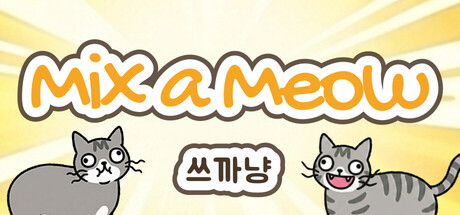
Mix a Meow uses AI generation tools to create some assets, including character illustrations, icons, music, and sound effects. All character concepts and design directions were crafted by the developer; AI was used as a tool to bring them to life. No content is generated by AI during gameplay — all AI-assisted assets were reviewed and finalized by the developer before release.
Some visual assets (illustrations and portraits) and the music were created with the help of AI tools. The game code was developed with AI-assisted programming. All content was reviewed, curated, and approved by the developer.
Visual and music assets in the game were created or assisted using generative AI tools during development. All content has been reviewed, edited, and integrated by the developer.
Spa World was developed with AI-assisted tools used during
the development process, including code assistance and
content drafting. All game design, creative direction,
artwork, and final decisions were made by the developer.
The game itself does not use or generate AI content
during gameplay.
This game uses generative artificial intelligence to assist in writing portions of its code during development. All AI-generated content has been manually reviewed, modified, and tested by the development team to ensure the game's stability, security, and content compliance. No real-time AI content is generated during gameplay.
This game uses generative AI tools to assist with the translation of text from German to English, as well as for proofreading and editing written content. All AI-assisted outputs are reviewed and refined by the developers to ensure quality and consistency.
During development of this game AI was used for code completion, art generation, text descriptions and a psychological/motivational/emotional support as well as release planning. Pretty much at every step of this game dev journey the AI was part of it.
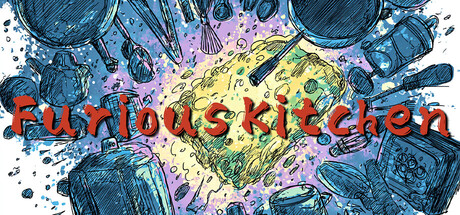
During the development of Furious Kitchen, we utilized generative Artificial Intelligence (AI) tools to assist in content creation and optimization. The specific implementations are as follows:
Programming & Scripts: We used AI programming assistants (Large Language Models) to help write and refactor underlying game logic code, as well as to assist with the implementation of the multi-language localization system and text translation.
Art Assets : Certain visual elements within the game (such as UI icons, background assets, or promotional base art) were created with the assistance of AI image generation tools. All generated images were subsequently redrawn, modified, and stylized manually by the developer to fit the game's aesthetic.
Music & Audio : Some background music or sound effect assets in the game were composed and arranged using AI audio generation tools.
This game does not feature any live-generated AI content (i.e., AI content generated in real-time while playing). All AI-assisted assets were pre-generated during the development phase and carefully reviewed to ensure they do not infringe upon any third-party copyrights.
We use AI to improve our work in all spheres of the game. We generate images where appropriate and enhance them where it makes the game better. AI helps us with animations and in-between frames in cutscenes, and also assists in writing music
Generative AI was used in a limited capacity to create initial drafts for certain visual assets, including some pre-rendered artwork and cutscene materials. These assets were then manually retouched, revised, and finalized by the development team.
For some cutscenes, AI-assisted video tools were also used to help animate pre-made visual materials.
AI is not used for real-time content generation, gameplay systems, or story generation.
All visual assets within this game—including scenes, characters, and interface-related visuals—were created using the Doubao generative AI tool and constitute AI-generated visual content. The developer carefully curated, refined, and optimized these AI-generated assets to ensure they align seamlessly with the game's overall artistic style and gameplay requirements. Conversely, the game's core gameplay design, programming, logical architecture, sound effect selection, and store listing copy were developed entirely by the developer independently, without the use of generative AI tools. We hereby provide this full and honest disclosure to our players to ensure complete content transparency.
Some visual assets such as fictional product packaging, posters, decorative graphics, icons and marketing materials were created with the help of generative AI and then reviewed/edited before being included in the game.
Textures for billboards are made with AI to showoff the "AI car company" The AI art is easily noticable and intentional
Text to Speech software is used for the AI cars commands. this can be toggled off ingame
LLM is used in the steampage description, THOUGH it has not written a single word of the description, it was just used to find proper words and sentences to make it look like it was written by the AI bot of the car.
This game uses generative AI to produce real-time, dialogue-based explanations, narrative content, and key summaries during gameplay (with optional AI-generated voice output).
The generated content dynamically adapts based on player inputs, such as uploaded papers or text, as well as in-game choices, and is used solely for in-game presentation.
Players are advised not to input sensitive personal information and to independently verify any important information.
This game uses AI-generated artwork for card illustrations, character portraits, arena backgrounds, and UI elements. AI was also used to assist with sound design and animation assets. Game code was developed with AI-assisted programming tools.
During the development of Heavy Mental, we utilized Meshy AI to assist in creating base 3D models and textures for several character assets and environmental props. Every asset generated through AI has been manually refined, rigged, and animated by our development team to ensure it fits the game's unique stylized art direction and meets our quality standards. Our use of AI is limited to the pre-production phase to streamline our artistic workflow.
This game uses generative AI tools during development to assist with the creation of certain visual assets and concept art. All AI-assisted content has been reviewed, edited, and integrated by the developer to ensure consistency with the game’s artistic style and design.
No generative AI is used in gameplay systems or player interactions.
Some background music in the game was composed with the assistance of generative AI tools. These tracks were subsequently edited, mixed, and refined by the developer to ensure alignment with the game's sci-fi aesthetic.
This game utilizes generative artificial intelligence tools to assist in the creation of its art assets and partial UI design. All AI-generated content has been manually reviewed, adjusted, and optimized to ensure it aligns with the game's overall artistic style and quality standards, and does not infringe upon any third-party intellectual property rights.
Some artwork and visual assets in this game were created with the assistance of generative AI tools. All audio, including voice recordings, was recorded by humans.
A small portion of the background music in this project utilizes AI-assisted tools (Suno) to enrich the atmospheric layers. In these specific tracks, the AI serves solely as a creative catalyst for melodic inspiration, acting as a sensory supplement to the hand-drawn artistic journey. The developer maintains absolute creative sovereignty over all core assets, including every frame of illustration and line of dialogue.
The soundtrack/music was made with Suno Pro.
Some sounds were made with Krotos Pro, which is mostly not ai but has ai elements for some sounds.
The sprites were made with Dall-E.
That's right, in an era dominated by AI, all the art assets in this game are generated by AI, including the store page, capsule images, UI, and so on. But rest assured, all the materials were generated using my own AI subscription, belong to me, and there is proof on the official AI website.
Mix a Meow uses AI generation tools to create some assets, including character illustrations, icons, music, and sound effects. All character concepts and design directions were crafted by the developer; AI was used as a tool to bring them to life. No content is generated by AI during gameplay — all AI-assisted assets were reviewed and finalized by the developer before release.
Some visual assets (illustrations and portraits) and the music were created with the help of AI tools. The game code was developed with AI-assisted programming. All content was reviewed, curated, and approved by the developer.
Visual and music assets in the game were created or assisted using generative AI tools during development. All content has been reviewed, edited, and integrated by the developer.
Spa World was developed with AI-assisted tools used during
the development process, including code assistance and
content drafting. All game design, creative direction,
artwork, and final decisions were made by the developer.
The game itself does not use or generate AI content
during gameplay.
This game uses generative artificial intelligence to assist in writing portions of its code during development. All AI-generated content has been manually reviewed, modified, and tested by the development team to ensure the game's stability, security, and content compliance. No real-time AI content is generated during gameplay.
This game uses generative AI tools to assist with the translation of text from German to English, as well as for proofreading and editing written content. All AI-assisted outputs are reviewed and refined by the developers to ensure quality and consistency.
During development of this game AI was used for code completion, art generation, text descriptions and a psychological/motivational/emotional support as well as release planning. Pretty much at every step of this game dev journey the AI was part of it.
During the development of Furious Kitchen, we utilized generative Artificial Intelligence (AI) tools to assist in content creation and optimization. The specific implementations are as follows:
Programming & Scripts: We used AI programming assistants (Large Language Models) to help write and refactor underlying game logic code, as well as to assist with the implementation of the multi-language localization system and text translation.
Art Assets : Certain visual elements within the game (such as UI icons, background assets, or promotional base art) were created with the assistance of AI image generation tools. All generated images were subsequently redrawn, modified, and stylized manually by the developer to fit the game's aesthetic.
Music & Audio : Some background music or sound effect assets in the game were composed and arranged using AI audio generation tools.
This game does not feature any live-generated AI content (i.e., AI content generated in real-time while playing). All AI-assisted assets were pre-generated during the development phase and carefully reviewed to ensure they do not infringe upon any third-party copyrights.
We use AI to improve our work in all spheres of the game. We generate images where appropriate and enhance them where it makes the game better. AI helps us with animations and in-between frames in cutscenes, and also assists in writing music
Generative AI was used in a limited capacity to create initial drafts for certain visual assets, including some pre-rendered artwork and cutscene materials. These assets were then manually retouched, revised, and finalized by the development team.
For some cutscenes, AI-assisted video tools were also used to help animate pre-made visual materials.
AI is not used for real-time content generation, gameplay systems, or story generation.
All visual assets within this game—including scenes, characters, and interface-related visuals—were created using the Doubao generative AI tool and constitute AI-generated visual content. The developer carefully curated, refined, and optimized these AI-generated assets to ensure they align seamlessly with the game's overall artistic style and gameplay requirements. Conversely, the game's core gameplay design, programming, logical architecture, sound effect selection, and store listing copy were developed entirely by the developer independently, without the use of generative AI tools. We hereby provide this full and honest disclosure to our players to ensure complete content transparency.
Some visual assets such as fictional product packaging, posters, decorative graphics, icons and marketing materials were created with the help of generative AI and then reviewed/edited before being included in the game.
Textures for billboards are made with AI to showoff the "AI car company" The AI art is easily noticable and intentional
Text to Speech software is used for the AI cars commands. this can be toggled off ingame
LLM is used in the steampage description, THOUGH it has not written a single word of the description, it was just used to find proper words and sentences to make it look like it was written by the AI bot of the car.
This game uses generative AI to produce real-time, dialogue-based explanations, narrative content, and key summaries during gameplay (with optional AI-generated voice output).
The generated content dynamically adapts based on player inputs, such as uploaded papers or text, as well as in-game choices, and is used solely for in-game presentation.
Players are advised not to input sensitive personal information and to independently verify any important information.
This game uses AI-generated artwork for card illustrations, character portraits, arena backgrounds, and UI elements. AI was also used to assist with sound design and animation assets. Game code was developed with AI-assisted programming tools.
During the development of Heavy Mental, we utilized Meshy AI to assist in creating base 3D models and textures for several character assets and environmental props. Every asset generated through AI has been manually refined, rigged, and animated by our development team to ensure it fits the game's unique stylized art direction and meets our quality standards. Our use of AI is limited to the pre-production phase to streamline our artistic workflow.
This game uses generative AI tools during development to assist with the creation of certain visual assets and concept art. All AI-assisted content has been reviewed, edited, and integrated by the developer to ensure consistency with the game’s artistic style and design.
No generative AI is used in gameplay systems or player interactions.
Some background music in the game was composed with the assistance of generative AI tools. These tracks were subsequently edited, mixed, and refined by the developer to ensure alignment with the game's sci-fi aesthetic.
This game utilizes generative artificial intelligence tools to assist in the creation of its art assets and partial UI design. All AI-generated content has been manually reviewed, adjusted, and optimized to ensure it aligns with the game's overall artistic style and quality standards, and does not infringe upon any third-party intellectual property rights.
Some artwork and visual assets in this game were created with the assistance of generative AI tools. All audio, including voice recordings, was recorded by humans.
A small portion of the background music in this project utilizes AI-assisted tools (Suno) to enrich the atmospheric layers. In these specific tracks, the AI serves solely as a creative catalyst for melodic inspiration, acting as a sensory supplement to the hand-drawn artistic journey. The developer maintains absolute creative sovereignty over all core assets, including every frame of illustration and line of dialogue.
The soundtrack/music was made with Suno Pro.
Some sounds were made with Krotos Pro, which is mostly not ai but has ai elements for some sounds.
The sprites were made with Dall-E.
That's right, in an era dominated by AI, all the art assets in this game are generated by AI, including the store page, capsule images, UI, and so on. But rest assured, all the materials were generated using my own AI subscription, belong to me, and there is proof on the official AI website.