Public Steam disclosure research25,383 disclosures tracked
Where do games disclose AI use?
Search developers’ Steam disclosures, compare classified AI use across
games, and follow recorded changes.
This index adds cross-game classifications and statistics to
statements published on individual store pages.
Groups reflect automatic analysis of public disclosures; mature records are excluded. These counts do not measure AI use across all of Steam.
Missing or unclear statements cannot establish whether a game uses AI.
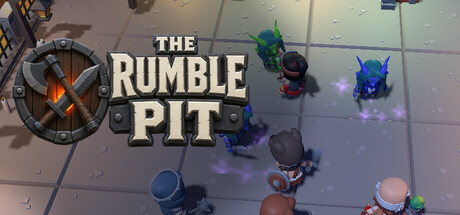
The Rumble Pit is made by one person, and generative AI tools were part of how it was built.
Music: the tracks you hear in the menus and in the twelve dungeons were generated with a local AI music model, from a written brief for each place, then cut, looped and mixed by hand.
2D art: the interface icons, the class and specialisation emblems, the dungeon thumbnails, the illustrated boss backdrops and the logo were produced with image generation tools, then cropped, cleaned up and colour-matched by hand.
Text and code: much of the in-game text — talent names and descriptions, loot labels, boss briefings, the translation tables — and part of the source code were drafted with an AI assistant, then edited, tested and rewritten by hand.
Not AI-generated: the 3D models and animations (licensed art packs), and the sound effects (CC0 libraries).
Nothing is generated while you play. The game connects to no AI service and produces no new content at runtime — everything ships as a fixed file, checked before release.
As a solo developer, I made use of AI for generation of models and music to act as base components. These typically went through much manual editing afterwards.
Some AI was used for testing & improvements to code in some areas
Some store page text, including the game description, was drafted with the assistance of generative AI and reviewed/edited by the developer before publication. The game does not generate AI content during gameplay.
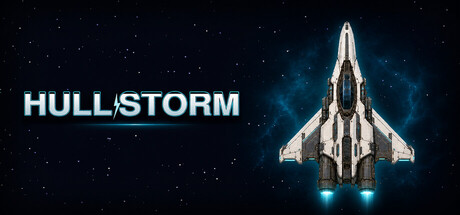
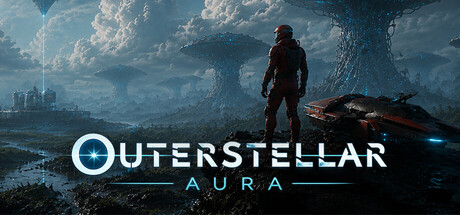
Generative AI tools were used during development to create some pre-generated visual assets, including certain ships, enemies, bosses, and visual effects. These assets were reviewed, selected, edited, and manually processed before being integrated into the game. HULLSTORM does not generate content using AI during gameplay.
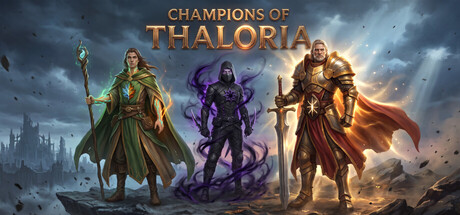
Some of the visual assets in Champions of Thaloria were created with the help
of generative AI tools during development. This includes parts of the store
page artwork and trailer, along with a portion of the in-game 2D art such as
item icons, avatar frames and class emblems.
Every AI-assisted asset was selected, edited and assembled by hand before it
went into the game, and all of it was reviewed by the developer.
The game does not generate anything while you play. No content is created at
runtime and no AI service is contacted during gameplay — everything ships
with the game.
Generative AI was used to help create pre-generated visual assets and promotional artwork used in the game and on the store page. The game does not generate AI content during gameplay and does not connect to external AI services during gameplay.
Generative AI was used to assist in creating some visual assets, dialogue, and localization for the game. AI-generated visual assets were manually pixel-edited, recolored, and refined by the developer to match the game's art style. AI-assisted dialogue and localization were reviewed and edited by the developer before being included in the game. No generative AI content is created dynamically during gameplay.
Generative AI tools were used during development to assist in creating visual promotional artwork, UI graphics, and character concept designs. All AI-generated assets were reviewed, modified, and curated by the developer to ensure quality and consistency with the game's art style. No real-time AI content generation is used during gameplay.
AI-assisted tools were used solely during development to support programming tasks such as coding, debugging, and refactoring. All resulting code was reviewed, tested, and integrated by the developer. The game does not generate content using AI during gameplay.
Generative AI was used to assist with some promotional artwork for the Steam store page. All gameplay screenshots and trailer footage are captured from the actual game. The game itself does not contain AI-generated content.
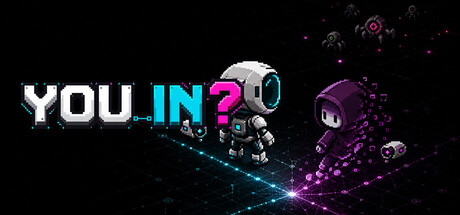
YOU IN? uses pre-generated instrumental music created with Suno for its title, stage, and boss tracks. Generative AI is also used to create promotional artwork for the Steam store page, including capsule artwork, and to assist with portions of the store-page and marketing text. All AI-assisted material is directed, selected, reviewed, and edited by the developer. The game does not generate AI content during gameplay or connect to external AI services.
Generative AI was used to create a small number of 3D models and art assets. All game code, design, and gameplay systems were created without the use of Generative AI.
This game uses generative AI tools in parts of its production.
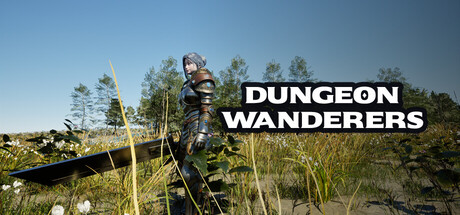
- Some 3D models: generated with AI tools as a base. Shape edits, UV unwrapping, texturing, rigging, animation and facial setup are done by the developer.
- Some image assets such as textures: generated with AI tools, then applied and adjusted by the developer.
- English text: machine-translated from the Japanese original and reviewed by the developer.
Game design, systems, and gameplay tuning are all done by the developer.
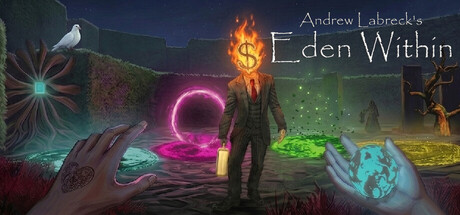
There are several AI generated models, and their textures. Which will likely continue to be the only AI use in the game, other than the use of AI for coding help. But this game is far from "vibe coded."
There is no AI generated text, and will never be. There are currently no AI generated sounds, there may be a few added depending on achievability without.
The text will always and forever be written by a human, me, Andrew Labreck. As the story is the driving factor for me making this entire game.
Likely, the music will continue to be human produced as well.
The game uses a wide variety of artificial intelligence products in the art creation process. Ranging from 3d model generation to 2D art, music and sound effects.
Art: AI image tools assisted with some 2D assets; all final art was produced by our artists based on original designs.
Localization: Core languages were translated by our team; additional languages use AI-assisted translation.
Generative AI tools were used during the creation of some soundtracks for the game. All AI-generated audio assets have been carefully selected, reviewed, and edited to align with the game's atmosphere and aesthetic.
Generative AI tools were used during development to assist in creating selected pre-generated 2D visual assets, promotional artwork, and localized text. All AI-assisted content was reviewed, edited, and curated by the developer before being included in the game or its store materials. Altaria Online does not use generative AI to create content during gameplay, and no player input is sent to external AI services.
Portions of this game were created with the assistance of generative artificial intelligence (AI) technologies, as detailed below:
· Art assets: In-game item icons, character portraits, and grotto building sprites were produced using AI image generation tools during the creative process, then curated, modified, and integrated by the development team.
· Text content: Certain narrative text, item descriptions, and multilingual localization translations were drafted with the assistance of AI language models, and subsequently reviewed and revised by hand.
· Real-time NPC dialogue: The game features an optional NPC dialogue system through which players may configure their own large language model API to have NPCs generate dialogue in real time. This feature is entirely optional; when not configured, the game uses built-in pre-written dialogue lines.
Creator
Hangzhou Binjiang Huan Yinfeng Network Technology Studio
This game contains content created with the help of generative AI tools. Specifically: some illustrations, including artwork used in the Steam capsule images, and some secondary environment props were produced with AI assistance and then edited and finalized by our team. AI tools were also used during pre-production for idea generation and concept art, and as a coding assistant during development. All core art, characters, level design, and writing are created by humans. The game does not contain live-generated AI content.
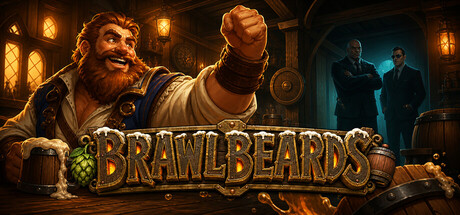
Some visual assets used in Brawlbeards, including character illustrations, backgrounds, store capsules, and promotional artwork, were created with the assistance of generative AI and then selected, edited, and integrated by the developer. No generative AI content is created in real time during gameplay, and the game does not connect to an external AI service.
Some store page and marketing artwork in this game was created with the help of generative AI tools. Game text localization into languages other than English and Korean was produced with AI-assisted translation and reviewed before shipping. All AI-generated content is pre-generated during development; the game does not generate any content live at runtime.
Generative AI was used as an assistance tool during development, including assistance with programming/code, visual assets, artwork, and game content. Generative AI was also used to assist with some promotional and Steam Store artwork. All AI-assisted content was reviewed and integrated by the developer. The game does not generate AI content during gameplay.
Generative AI tools were used during development to assist with portions of the game’s code, environmental design, visual assets, and promotional artwork. All AI-assisted content was reviewed, edited, and integrated by the developer. Splatastrophe does not generate AI content during gameplay and does not send player data to generative AI services.
AI-assisted coding was used in the development of Xenovector, including systems responsible for procedural environments, visual effects and dynamically assembled in-game scenery.
AI-generated or AI-assisted artwork was also used for in-game backgrounds and graphical elements, in addition to promotional/store assets.
Some of the artwork in this game was created with the help of generative AI (Google Gemini). All AI-generated assets are pre-rendered and shipped with the game; no content is generated in real time during gameplay.
Some of the 2D images in SplatStick were created with the help of generative AI tools and then edited by hand. Parts of the source code and the in-game interface text were written with the help of an AI coding assistant.
Everything else is made by people: sound effects, particle effects and fonts come from licensed third-party asset packs.
The game does not use generative AI while you play. Nothing is generated at runtime.
Generative AI has been used to assist in the creation of certain promotional artwork and visual assets. AI tools have also been used during development to assist with programming, documentation, and iteration. All generated content has been reviewed, integrated, and validated by the developer before being included in the final product.
Some assets in Dreamfend were created using generative AI tools. This applies to the music and to some of the visual assets. All such content is reviewed and refined by hand to match the game's style and the author's intent. No content is generated during gameplay.
Generative AI was used during development to assist with programming and to help
produce some 3D models and logo artwork, all reviewed and integrated by the developer.
No AI runs while you play: the game is fully offline and generates no content at runtime.
Generative AI tools were used during development to assist with creating and refining some pre-generated artwork and other media assets, including assets used in the game and on its Steam store page. All AI-assisted content was reviewed, edited, and integrated by the developer. The game does not generate AI content during gameplay or connect to external AI services.
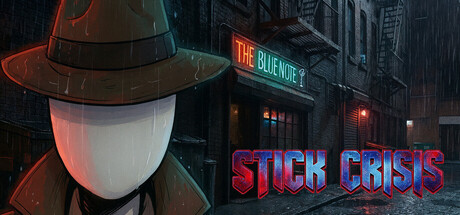
Stick Crisis was developed with assistance from generative AI tools. AI-assisted image and animation tools were used to create selected visual assets, character animation frames and pre-rendered cinematics; these materials were reviewed, edited and integrated by the developer. AI coding assistants also contributed to portions of the source code. The game does not generate content during gameplay or connect to generative AI services at runtime.
The Rumble Pit is made by one person, and generative AI tools were part of how it was built.
Music: the tracks you hear in the menus and in the twelve dungeons were generated with a local AI music model, from a written brief for each place, then cut, looped and mixed by hand.
2D art: the interface icons, the class and specialisation emblems, the dungeon thumbnails, the illustrated boss backdrops and the logo were produced with image generation tools, then cropped, cleaned up and colour-matched by hand.
Text and code: much of the in-game text — talent names and descriptions, loot labels, boss briefings, the translation tables — and part of the source code were drafted with an AI assistant, then edited, tested and rewritten by hand.
Not AI-generated: the 3D models and animations (licensed art packs), and the sound effects (CC0 libraries).
Nothing is generated while you play. The game connects to no AI service and produces no new content at runtime — everything ships as a fixed file, checked before release.
As a solo developer, I made use of AI for generation of models and music to act as base components. These typically went through much manual editing afterwards.
Some AI was used for testing & improvements to code in some areas
Some store page text, including the game description, was drafted with the assistance of generative AI and reviewed/edited by the developer before publication. The game does not generate AI content during gameplay.
Generative AI tools were used during development to create some pre-generated visual assets, including certain ships, enemies, bosses, and visual effects. These assets were reviewed, selected, edited, and manually processed before being integrated into the game. HULLSTORM does not generate content using AI during gameplay.
Some of the visual assets in Champions of Thaloria were created with the help
of generative AI tools during development. This includes parts of the store
page artwork and trailer, along with a portion of the in-game 2D art such as
item icons, avatar frames and class emblems.
Every AI-assisted asset was selected, edited and assembled by hand before it
went into the game, and all of it was reviewed by the developer.
The game does not generate anything while you play. No content is created at
runtime and no AI service is contacted during gameplay — everything ships
with the game.
Generative AI was used to help create pre-generated visual assets and promotional artwork used in the game and on the store page. The game does not generate AI content during gameplay and does not connect to external AI services during gameplay.
Generative AI was used to assist in creating some visual assets, dialogue, and localization for the game. AI-generated visual assets were manually pixel-edited, recolored, and refined by the developer to match the game's art style. AI-assisted dialogue and localization were reviewed and edited by the developer before being included in the game. No generative AI content is created dynamically during gameplay.
Generative AI tools were used during development to assist in creating visual promotional artwork, UI graphics, and character concept designs. All AI-generated assets were reviewed, modified, and curated by the developer to ensure quality and consistency with the game's art style. No real-time AI content generation is used during gameplay.
AI-assisted tools were used solely during development to support programming tasks such as coding, debugging, and refactoring. All resulting code was reviewed, tested, and integrated by the developer. The game does not generate content using AI during gameplay.
Generative AI was used to assist with some promotional artwork for the Steam store page. All gameplay screenshots and trailer footage are captured from the actual game. The game itself does not contain AI-generated content.
YOU IN? uses pre-generated instrumental music created with Suno for its title, stage, and boss tracks. Generative AI is also used to create promotional artwork for the Steam store page, including capsule artwork, and to assist with portions of the store-page and marketing text. All AI-assisted material is directed, selected, reviewed, and edited by the developer. The game does not generate AI content during gameplay or connect to external AI services.
Generative AI was used to create a small number of 3D models and art assets. All game code, design, and gameplay systems were created without the use of Generative AI.
This game uses generative AI tools in parts of its production.
- Some 3D models: generated with AI tools as a base. Shape edits, UV unwrapping, texturing, rigging, animation and facial setup are done by the developer.
- Some image assets such as textures: generated with AI tools, then applied and adjusted by the developer.
- English text: machine-translated from the Japanese original and reviewed by the developer.
Game design, systems, and gameplay tuning are all done by the developer.
There are several AI generated models, and their textures. Which will likely continue to be the only AI use in the game, other than the use of AI for coding help. But this game is far from "vibe coded."
There is no AI generated text, and will never be. There are currently no AI generated sounds, there may be a few added depending on achievability without.
The text will always and forever be written by a human, me, Andrew Labreck. As the story is the driving factor for me making this entire game.
Likely, the music will continue to be human produced as well.
The game uses a wide variety of artificial intelligence products in the art creation process. Ranging from 3d model generation to 2D art, music and sound effects.
Art: AI image tools assisted with some 2D assets; all final art was produced by our artists based on original designs.
Localization: Core languages were translated by our team; additional languages use AI-assisted translation.
Generative AI tools were used during the creation of some soundtracks for the game. All AI-generated audio assets have been carefully selected, reviewed, and edited to align with the game's atmosphere and aesthetic.
Generative AI tools were used during development to assist in creating selected pre-generated 2D visual assets, promotional artwork, and localized text. All AI-assisted content was reviewed, edited, and curated by the developer before being included in the game or its store materials. Altaria Online does not use generative AI to create content during gameplay, and no player input is sent to external AI services.
Portions of this game were created with the assistance of generative artificial intelligence (AI) technologies, as detailed below:
· Art assets: In-game item icons, character portraits, and grotto building sprites were produced using AI image generation tools during the creative process, then curated, modified, and integrated by the development team.
· Text content: Certain narrative text, item descriptions, and multilingual localization translations were drafted with the assistance of AI language models, and subsequently reviewed and revised by hand.
· Real-time NPC dialogue: The game features an optional NPC dialogue system through which players may configure their own large language model API to have NPCs generate dialogue in real time. This feature is entirely optional; when not configured, the game uses built-in pre-written dialogue lines.
Hangzhou Binjiang Huan Yinfeng Network Technology Studio
This game contains content created with the help of generative AI tools. Specifically: some illustrations, including artwork used in the Steam capsule images, and some secondary environment props were produced with AI assistance and then edited and finalized by our team. AI tools were also used during pre-production for idea generation and concept art, and as a coding assistant during development. All core art, characters, level design, and writing are created by humans. The game does not contain live-generated AI content.
Some visual assets used in Brawlbeards, including character illustrations, backgrounds, store capsules, and promotional artwork, were created with the assistance of generative AI and then selected, edited, and integrated by the developer. No generative AI content is created in real time during gameplay, and the game does not connect to an external AI service.
Some store page and marketing artwork in this game was created with the help of generative AI tools. Game text localization into languages other than English and Korean was produced with AI-assisted translation and reviewed before shipping. All AI-generated content is pre-generated during development; the game does not generate any content live at runtime.
Generative AI was used as an assistance tool during development, including assistance with programming/code, visual assets, artwork, and game content. Generative AI was also used to assist with some promotional and Steam Store artwork. All AI-assisted content was reviewed and integrated by the developer. The game does not generate AI content during gameplay.
Generative AI tools were used during development to assist with portions of the game’s code, environmental design, visual assets, and promotional artwork. All AI-assisted content was reviewed, edited, and integrated by the developer. Splatastrophe does not generate AI content during gameplay and does not send player data to generative AI services.
AI-assisted coding was used in the development of Xenovector, including systems responsible for procedural environments, visual effects and dynamically assembled in-game scenery.
AI-generated or AI-assisted artwork was also used for in-game backgrounds and graphical elements, in addition to promotional/store assets.
Some of the artwork in this game was created with the help of generative AI (Google Gemini). All AI-generated assets are pre-rendered and shipped with the game; no content is generated in real time during gameplay.
Some of the 2D images in SplatStick were created with the help of generative AI tools and then edited by hand. Parts of the source code and the in-game interface text were written with the help of an AI coding assistant.
Everything else is made by people: sound effects, particle effects and fonts come from licensed third-party asset packs.
The game does not use generative AI while you play. Nothing is generated at runtime.
Generative AI has been used to assist in the creation of certain promotional artwork and visual assets. AI tools have also been used during development to assist with programming, documentation, and iteration. All generated content has been reviewed, integrated, and validated by the developer before being included in the final product.
Some assets in Dreamfend were created using generative AI tools. This applies to the music and to some of the visual assets. All such content is reviewed and refined by hand to match the game's style and the author's intent. No content is generated during gameplay.
Generative AI was used during development to assist with programming and to help
produce some 3D models and logo artwork, all reviewed and integrated by the developer.
No AI runs while you play: the game is fully offline and generates no content at runtime.
Generative AI tools were used during development to assist with creating and refining some pre-generated artwork and other media assets, including assets used in the game and on its Steam store page. All AI-assisted content was reviewed, edited, and integrated by the developer. The game does not generate AI content during gameplay or connect to external AI services.
Stick Crisis was developed with assistance from generative AI tools. AI-assisted image and animation tools were used to create selected visual assets, character animation frames and pre-rendered cinematics; these materials were reviewed, edited and integrated by the developer. AI coding assistants also contributed to portions of the source code. The game does not generate content during gameplay or connect to generative AI services at runtime.