Public Steam disclosure research25,383 disclosures tracked
Where do games disclose AI use?
Search developers’ Steam disclosures, compare classified AI use across
games, and follow recorded changes.
This index adds cross-game classifications and statistics to
statements published on individual store pages.
Groups reflect automatic analysis of public disclosures; mature records are excluded. These counts do not measure AI use across all of Steam.
Missing or unclear statements cannot establish whether a game uses AI.
AI-generated tools were used only for limited promotional materials, such as marketing images displayed on the store page.
All in-game content, including gameplay visuals, UI, and assets, is created by human artists and does not involve AI generation.
AI-generated content does not affect gameplay, user experience, or core game assets.
Our game includes the use of AI-assisted visual content.
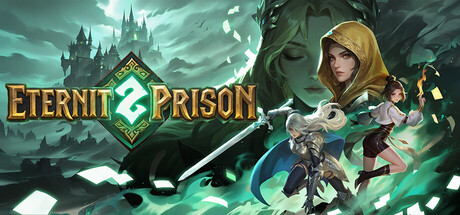
Certain CG (cutscene) images in the game were generated with the assistance of AI tools, based on keyframes and visual direction created by our art team. These assets are pre-generated during development and are not created dynamically.
All AI-assisted content is limited to visual presentation only. It is optional, and does not affect gameplay systems, player interaction, progression, or game logic.
All core gameplay design, narrative structure, and interactive content are fully created and implemented by the development team.
The card artwork in the current version of the game was created using generative AI tools and then manually edited and refined by the developer. AI was not used for gameplay code or core story content. These artworks are intended as temporary assets and are planned to be replaced with commissioned artwork in the future.
Initial concept art was generated using AI tools, followed by manual adjustments and modifications by artists. The final artwork combines AI-generated base designs with human-made artistic revisions.
AI tools were used strictly during the development phase to assist with writing code scripts and drafting text descriptions. All game mechanics, logic, and assets were manually reviewed, tested, and finalized by the developer.
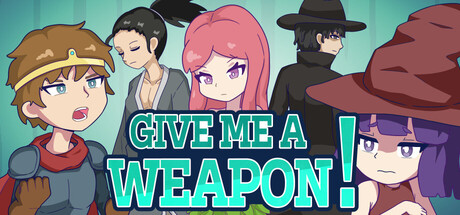
AI handled the code, all non-English translations, and part of the 2D art.
I made all the 3D art, designed the game, and wrote the English text.
I'm a solo artist developing this game by myself.
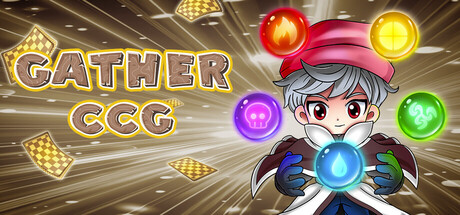
A portion of the card art in Gather CCG was created with the assistance of generative AI. Every piece of AI-generated content has been hand-selected and verified by the developer to maintain high quality and ensure full compliance with copyright standards.
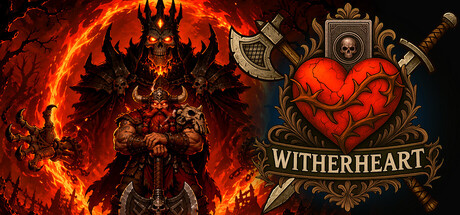
Some assets in Witherheart, including visuals and audio, were created with the assistance of generative AI tools. All content has been curated and integrated by the development team.
In the demo version, to support development, we use AI-assisted tools to create PLACEHOLDER CONTENT ONLY. These assets are temporary and will NOT appear in the final version of the game.
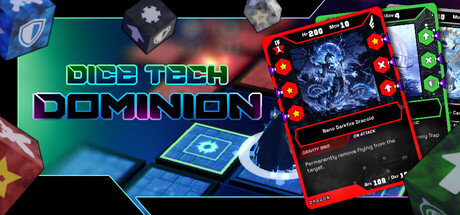
Dice Tech Dominion was developed as a solo indie project with the help of several AI tools during production.
Meshy.ai was used to create temporary 3D monster model assets. Midjourney was used to create temporary monster portrait images and related visual concept material. Claude and Codex were used as coding assistants for implementation support, debugging help, project organization, documentation, and assistance with some visual effect and animation logic.
All gameplay design decisions, balancing decisions, final implementation choices, editing, integration, testing, and publishing decisions are made by the developer.
Some current visual assets are AI-generated or AI-assisted. My goal is to replace the AI-generated imagery and temporary visual assets with original artwork and models created by human artists as the project grows. I am opening paid work opportunities and commissions for artists to help create final human-made monster artwork, illustrations, and visual assets for the game.
No AI tool is used to generate live gameplay content during play. The AI tools were used during development as production assistance and temporary asset creation tools.
The 'Battle' framework is a separate game mode, but uses references to the 'Collectible' framework and vice versa. The 'Battle' framework was created with AI assistance; the Collectible framework was not, though they work in tandem. Additionally, there are card arts which were created humans, and card arts which were created with AI, though edited manually by humans. You can toggle between them in settings.
During the development process, we may use procedural- and AI-based tools to assist with content creation. In all such cases, the final product reflects the creativity and expression of our own development team.
Several music tracks used AI tools during production. When possible I used historical paintings for reference in drawing pixel art for cards, but some card art used generated art for inspiration instead.
Generative AI is initially used in the localization, but later replaced with human-translated text in the main release version. Additional languages only available in the optional "testing" beta branch contains AI-translated text that is not yet replaced.
How we use artificial intelligence:
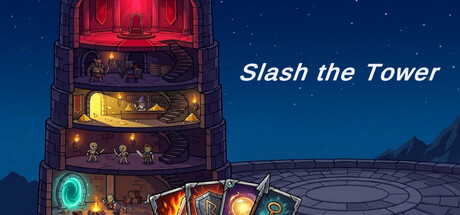
Some creative assets in Slash The Tower were created with the help of generative AI.
Art and music were produced using Google Gemini (AI-assisted generation). Those assets are pre-made and shipped with the game—they are not generated live while you play.
Game code and parts of the user interface were developed with assistance from Cursor (an AI-enabled editor) together with Unity. That means design and implementation were guided by us as developers, with AI helping draft or refine code and UI-related work—not replacing human creative direction for the whole game.
We do not use generative AI to create personalized or real-time content for each player session beyond what is described above. If we add AI-generated material to the Steam store page, community hubs, or marketing, we will treat it the same way: clearly labeled and consistent with this approach.
As a solo indie developer, I have utilized AI-generated content to assist in the creation of certain assets within the game, including images, audio, and code. Thank you for your understanding and support.
Some temporary art and sound assets were created with the assistance of AI. These are placeholder assets used to help prototype the game and will be replaced with original content in future updates.
This game uses AI only for generating certain graphical elements, illustrations, and translations. All game design decisions, balance, and code are handcrafted
In the interest of transparency, illustrations were created with the help of AI-assisted tools, used as creative support within a human-led artistic process.
This game uses generative AI tools to assist in creating pre-generated image content. All AI-generated images has been reviewed, edited, and finalized by the human development team to ensure it fits the game's vision and quality standards.
This game uses generative AI in parts of the development process. Claude was used for programming assistance, ChatGPT Images for creating and refining some visual assets, and Suno for producing some music.
All AI-assisted content was reviewed, selected, and modified as necessary by the developer before being included in the game.
The game does not generate content or code with AI during gameplay and does not connect to external AI services.
AI-generated tools were used only for limited promotional materials, such as marketing images displayed on the store page.
All in-game content, including gameplay visuals, UI, and assets, is created by human artists and does not involve AI generation.
AI-generated content does not affect gameplay, user experience, or core game assets.
Our game includes the use of AI-assisted visual content.
Certain CG (cutscene) images in the game were generated with the assistance of AI tools, based on keyframes and visual direction created by our art team. These assets are pre-generated during development and are not created dynamically.
All AI-assisted content is limited to visual presentation only. It is optional, and does not affect gameplay systems, player interaction, progression, or game logic.
All core gameplay design, narrative structure, and interactive content are fully created and implemented by the development team.
The card artwork in the current version of the game was created using generative AI tools and then manually edited and refined by the developer. AI was not used for gameplay code or core story content. These artworks are intended as temporary assets and are planned to be replaced with commissioned artwork in the future.
Initial concept art was generated using AI tools, followed by manual adjustments and modifications by artists. The final artwork combines AI-generated base designs with human-made artistic revisions.
AI tools were used strictly during the development phase to assist with writing code scripts and drafting text descriptions. All game mechanics, logic, and assets were manually reviewed, tested, and finalized by the developer.
AI handled the code, all non-English translations, and part of the 2D art.
I made all the 3D art, designed the game, and wrote the English text.
I'm a solo artist developing this game by myself.
A portion of the card art in Gather CCG was created with the assistance of generative AI. Every piece of AI-generated content has been hand-selected and verified by the developer to maintain high quality and ensure full compliance with copyright standards.
Some assets in Witherheart, including visuals and audio, were created with the assistance of generative AI tools. All content has been curated and integrated by the development team.
In the demo version, to support development, we use AI-assisted tools to create PLACEHOLDER CONTENT ONLY. These assets are temporary and will NOT appear in the final version of the game.
Dice Tech Dominion was developed as a solo indie project with the help of several AI tools during production.
Meshy.ai was used to create temporary 3D monster model assets. Midjourney was used to create temporary monster portrait images and related visual concept material. Claude and Codex were used as coding assistants for implementation support, debugging help, project organization, documentation, and assistance with some visual effect and animation logic.
All gameplay design decisions, balancing decisions, final implementation choices, editing, integration, testing, and publishing decisions are made by the developer.
Some current visual assets are AI-generated or AI-assisted. My goal is to replace the AI-generated imagery and temporary visual assets with original artwork and models created by human artists as the project grows. I am opening paid work opportunities and commissions for artists to help create final human-made monster artwork, illustrations, and visual assets for the game.
No AI tool is used to generate live gameplay content during play. The AI tools were used during development as production assistance and temporary asset creation tools.
The 'Battle' framework is a separate game mode, but uses references to the 'Collectible' framework and vice versa. The 'Battle' framework was created with AI assistance; the Collectible framework was not, though they work in tandem. Additionally, there are card arts which were created humans, and card arts which were created with AI, though edited manually by humans. You can toggle between them in settings.
During the development process, we may use procedural- and AI-based tools to assist with content creation. In all such cases, the final product reflects the creativity and expression of our own development team.
Several music tracks used AI tools during production. When possible I used historical paintings for reference in drawing pixel art for cards, but some card art used generated art for inspiration instead.
Generative AI is initially used in the localization, but later replaced with human-translated text in the main release version. Additional languages only available in the optional "testing" beta branch contains AI-translated text that is not yet replaced.
How we use artificial intelligence:
Some creative assets in Slash The Tower were created with the help of generative AI.
Art and music were produced using Google Gemini (AI-assisted generation). Those assets are pre-made and shipped with the game—they are not generated live while you play.
Game code and parts of the user interface were developed with assistance from Cursor (an AI-enabled editor) together with Unity. That means design and implementation were guided by us as developers, with AI helping draft or refine code and UI-related work—not replacing human creative direction for the whole game.
We do not use generative AI to create personalized or real-time content for each player session beyond what is described above. If we add AI-generated material to the Steam store page, community hubs, or marketing, we will treat it the same way: clearly labeled and consistent with this approach.
As a solo indie developer, I have utilized AI-generated content to assist in the creation of certain assets within the game, including images, audio, and code. Thank you for your understanding and support.
Some temporary art and sound assets were created with the assistance of AI. These are placeholder assets used to help prototype the game and will be replaced with original content in future updates.
This game uses AI only for generating certain graphical elements, illustrations, and translations. All game design decisions, balance, and code are handcrafted
In the interest of transparency, illustrations were created with the help of AI-assisted tools, used as creative support within a human-led artistic process.
This game uses generative AI tools to assist in creating pre-generated image content. All AI-generated images has been reviewed, edited, and finalized by the human development team to ensure it fits the game's vision and quality standards.
This game uses generative AI in parts of the development process. Claude was used for programming assistance, ChatGPT Images for creating and refining some visual assets, and Suno for producing some music.
All AI-assisted content was reviewed, selected, and modified as necessary by the developer before being included in the game.
The game does not generate content or code with AI during gameplay and does not connect to external AI services.