








Disclosure
Software uses generative AI
- Creator
- Tencubed Games
- Reviews
- -
- Added
- Aug 24, 2026
Public Steam disclosure research 25,383 disclosures tracked
Search developers’ Steam disclosures, compare classified AI use across games, and follow recorded changes. This index adds cross-game classifications and statistics to statements published on individual store pages.
Code help, debugging and other development work.
Capsule art, trailers and promotional material.
Pre-made art, audio, writing and other game assets.
Interactive or runtime AI features disclosed by the developer.
Groups reflect automatic analysis of public disclosures; mature records are excluded. These counts do not measure AI use across all of Steam. Missing or unclear statements cannot establish whether a game uses AI.
Software uses generative AI
Generative AI was used as an occasional development aid for some dialogue wording, localization, and marketing / store texts. The game's story, characters, and game design were created by the developer. AI-assisted dialogue is reviewed and edited by the developer, and AI-assisted translations are reviewed and edited by native speakers. The game does not use AI-generated images, voices, music, or other AI-generated audiovisual assets.
Early in pre-production, we temporarily utilized AI voices in our teaser trailer.
AI is used only for the main menu animation of the game.
Generative AI has been used to create some user interface elements and to enhance others that were created by hand.
I use AI for translating.
Ward 9 uses developer-curated generative AI tools during production for selected marketing/community artwork, narrative drafting support, and voice/audio asset creation. All AI-assisted content is reviewed, edited, and approved by the developer before inclusion. The game does not use live generative AI to create player-facing content during gameplay.
The game's surface textures — the colour and relief maps applied to parts, buildings, terrain and visual effects — and its sound effects were created with generative AI tools during development. They are generated ahead of time, reviewed and integrated by hand, and ship with the game as ordinary image and audio files. Nothing is generated while you play, and the game never connects to an AI service. The simulation itself — orbital mechanics, aerodynamics, the production chains — is written by hand.
The general philosophy of AI usage is: keep it to non-creative endeavors.
AI was used in the generation and editing of code and to edit the script for the dialogue present in the game.
Some background music tracks were generated using Suno AI. All other assets are human-made. No AI-generated content is created live during gameplay.
Some art, music and sound effects were created with the assistance of generative AI tools, under the creative direction of the developer. All AI-assisted content was reviewed and curated before inclusion. The game does not use AI to generate content during gameplay.
UI Elements, sounds.
This game contains pre-generated 2D artwork and source code created with ChatGPT during development. All game source code was generated with ChatGPT, then reviewed, tested, debugged, and integrated by the developer. The artwork was generated from original prompts written for Gravefire Tavern, then reviewed, selected, edited, composited, cropped, and integrated by the developer. No generative AI runs during gameplay, and no player input is sent to an AI service.
Generative AI tools were used during the development of this game and in the creation of some of its visual, audio, and technical content. AI was used to create and refine the background, logo, and related visual elements. AI-assisted tools were used to create and prepare some of the sound effects. AI-powered coding tools were used for code generation, autocomplete, and development assistance. AI-generated designs were selected, edited, and enhanced for use in some of the game's visual content. Some visuals were selected from AI-generated designs and subsequently enhanced and upscaled. All AI-generated or AI-assisted content was reviewed, selected, edited, and adapted by the developer before being used in the game.
Generative AI is used to assist with research or as rough internal placeholders. No AI-generated art, animation, music, text, or in-game live generation is used. All game content is created, shaped, reviewed, and approved by our team.
Generative AI was used to create artwork, and some sound effects. All generated content was tested automatically and reviewed by human. Background Music, and some sound effects are licensed from third-party libraries and are not AI-generated. No AI content is generated during gameplay. The game does not connect to an external AI service during gameplay, and all shipped content is finalized and static.
All AI involvement is pre-generated and human-reviewed: nothing is generated while you play, the game runs no AI models, and it never sends your data anywhere.
The text on this game's Steam store page was drafted with the help of generative AI and then edited by the developer. All in-game art, models, sounds and the game's logo are made by hand. No AI-generated content is produced while the game is running.
Artificial intelligence was used to assist with interface localization and adaptation of in-game textures. There was a time when people used Google Translate, and terrible localization for many languages was common. Times have changed, progress does not stand still. Today, new and more advanced tools have emerged, and people now use them instead of outdated ones.
During the development of The Sin of Ritter, generative AI tools were used as support in the content creation process. These tools assisted with the production of voice acting in different languages, the translation and localization of the game's text, as well as the creation of some textures used in the composition of the environments.
Galithia uses generative AI during development for some concepting, visual iteration, and content support. Any AI-assisted assets or materials are reviewed, modified, and integrated by the developer, with final approval and creative direction remaining fully human-led. Gameplay systems, combat balance, encounter design, and final implementation are developer-controlled.
AI-assisted tools were used during the development of this game to help with portions of the programming process, the creation of some visual assets, and certain audio assets. All AI-assisted content was reviewed, refined, and integrated by the development team before release. The game does not use generative AI to create content during gameplay and does not rely on external AI services while running.
Some of the art in the game was created with the help of AI.
We use AI as a technical tool to support our human developers. While all of our 3D game models, environments, and core game art are hand-crafted by our artists, we use AI to assist with 2D rendering and localization. For 2D promotional art, AI is used to composite, light, and polish images based strictly on our original in-game assets. We also utilize AI-assisted translation pipelines to help localize our massive world into multiple languages for our global community.
Generative AI was used to translate some in-game text, such as the interface and the contents of letters, and to generate some of the music used in the game.
We use generative AI to translate in-game text into multiple languages. Generative AI is not used to generate content in real time.
Wishing Well Simulator uses generative AI tools during development only; nothing is generated while you play, and the game never connects to any external AI service. Pre-generated content made with AI assistance: Key art and store artwork were created with generative image tools and then edited by hand. The 3D well model was generated with an AI 3D tool (Meshy) and reworked by hand (materials, UVs, textures). Translations into 21 languages beyond the original Turkish were produced with AI-assisted translation and then reviewed by hand, including platform terminology corrections. Some secondary text (credits, tutorial hints) was drafted with AI assistance and edited by the author. Written by hand: the story, all 119 events, the characters and dialogue, the game design and code. Sound effects are procedurally generated by the game's own code (no AI); the game has no music or voice acting.
Coding assistance is used for developing the game. Building automation test suites and creating support tools.
I have used generative AI tools to assist in the creation of the character Elara's artwork for the capsule and for the in-game voiceover. All other aspects of the game are entirely handmade. No generative AI is used during gameplay.
During game development, we used AI tools to assist with the creation of some visual art assets and to support programming work.
The game's menu interface and Steam store page assets (capsule images and other promotional artwork) were designed with the assistance of an AI-based design tool. All other art, environments, characters, and audio in the game were created without the use of generative AI.
Generative AI tools were used to assist in creating select 2D artwork for this game illustrations for collectible cards, artwork for the card battle/arena scene, and the game's logo and store capsule art. All AI-assisted artwork was selected, edited, and finalized by the development team before inclusion. Generative AI was not used to create the 3D open-world environment, or other gameplay systems/mechanics. This is for the demo build, and some or all AI-assisted art may be replaced with original human-made artwork in the full release.
This game uses generative AI for some of its assets, specifically: character art and scene backgrounds, UI icons, the main menu motion visual, and part of the soundtrack. All story text is written by the developer; AI was used only for formatting and validation. Every AI-generated asset was manually reviewed, edited, and integrated before shipping.
This game uses generative AI in two ways. Live-generated: The streamer character "Sia" reacts to the messages you type in real time. Her lines are generated during play by a large language model through an external AI service, so they are not pre-written. If the service is unavailable, the game falls back to pre-written lines and remains fully playable. Pre-rendered: Some in-game artwork (item icons, character and creature sprites, textures) and some sound effects were produced with AI generation tools and then edited by the developer before shipping.
"Generative AI tools were used during development to assist in creating a portion of the art, background assets, and UI icons. All AI-generated content was reviewed and manually refined by our team."
AI tools were used during development solely to assist with coding, including identifying and fixing bugs and making minor code corrections and improvements. AI does not generate any content for players during gameplay.
AI was used in development of the game
AI was used for translations.
Generative AI was used during development to assist with editing and reviewing some narrative text and with localization. AI-assisted text was reviewed and edited manually by the developer before being included in the game. No AI-generated content is created live during gameplay.
This game utilized generative artificial intelligence for: Script creation. Assistance in creating some images. Some narrative text.
Used for some 3D assets and textures.
AI was used to produce placeholder UI components & sprites (e.g. icons, npc sprite, spell sprites).
Generative Artificial Intelligence used in software development.
Generative AI was used to create portions of music, icon art, and some textures.
AI was utilized as a supplementary tool for the creation of some art and promotional imagery. The core game experience is entirely hand-crafted using the Godot engine with original and licensed assets. All AI-generated marketing materials underwent human curation and post-processing to ensure visual consistency with the actual gameplay and compliance with platform guidelines.
This game uses generative AI during development to assist with selected artwork, relic and character illustrations, and limited text drafts. All generated material was created offline during development, then manually reviewed, edited, integrated, and quality-checked before being included in the game. The game does not generate images, audio, text, code, or other content in real time, and it does not send player data or game content to external AI services during gameplay.
I use generative AI as a tool during development: • Some 3D models (characters, creatures and props) were created with AI generation tools, then edited, rigged and animated by hand for use in the game. • Some sound effects were generated with AI audio tools, then edited and mixed by hand. • Some store page and marketing artwork was created with AI image generation. Everything produced this way is reviewed and reworked by me before it ships. The game generates no content while you play and connects to no AI service at runtime.
The key art and Steam store banners were partially generated using AI. We will replace them soon with 100% handcrafted key art.
Generative AI tools were used during development to create some 2D textures and 3D environmental objects in scenes.
| Title⇅ | Disclosure | Creator⇅ | Src | Reviews⇅ | Added↓ |
|---|---|---|---|---|---|
 Ashmoor Unclear | Software uses generative AI | Tencubed Games | - | Aug 24, 2026 | |
 Behind the Beyond In-game content text | Generative AI was used as an occasional development aid for some dialogue wording, localization, and marketing / store texts.
The game's story, characters, and game design were created by the developer.
AI-assisted dialogue is reviewed and edited by the developer, and AI-assisted translations are reviewed and edited by native speakers.
The game does not use AI-generated images, voices, music, or other AI-generated audiovisual assets. | Sugarpunch Games | - | Aug 24, 2026 | |
 On Tape << Rewind In-game content audio | Early in pre-production, we temporarily utilized AI voices in our teaser trailer. | Pixfork Games | - | Aug 24, 2026 | |
 Nav Singh's Stranded In-game content art | AI is used only for the main menu animation of the game. | navlikesbunnies | - | Aug 24, 2026 | |
 Leave the Pit In-game content art | Generative AI has been used to create some user interface elements and to enhance others that were created by hand. | Cerval Games | - | Aug 24, 2026 | |
 Endless Canvas Unclear text | I use AI for translating. | YSENStudio | - | Aug 24, 2026 | |
 Ward 9 In-game content arttextaudio | Ward 9 uses developer-curated generative AI tools during production for selected marketing/community artwork, narrative drafting support, and voice/audio asset creation. All AI-assisted content is reviewed, edited, and approved by the developer before inclusion. The game does not use live generative AI to create player-facing content during gameplay. | MMKPC Studios | - | Aug 24, 2026 | |
 StarWorks art | The game's surface textures — the colour and relief maps applied to parts,
buildings, terrain and visual effects — and its sound effects were created
with generative AI tools during development. They are generated ahead of
time, reviewed and integrated by hand, and ship with the game as ordinary
image and audio files.
Nothing is generated while you play, and the game never connects to an AI
service.
The simulation itself — orbital mechanics, aerodynamics, the production chains — is written by hand. | ayvem | - | Aug 24, 2026 | |
 Stuck in a Broken Tutorial Unclear | The general philosophy of AI usage is: keep it to non-creative endeavors. | Xtonomous | - | Aug 24, 2026 | |
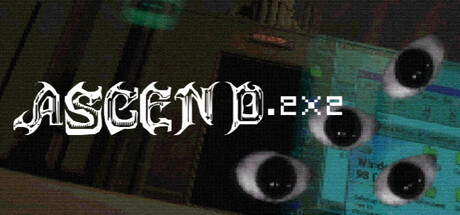 ASCEND.exe In-game content text | AI was used in the generation and editing of code and to edit the script for the dialogue present in the game. | Sprint Jump Studio | - | Aug 24, 2026 | |
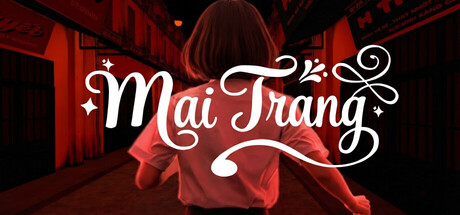 Mai Trang In-game content audio | Some background music tracks were generated using Suno AI. All other assets are human-made. No AI-generated content is created live during gameplay. | Chuongcc | - | Aug 24, 2026 | |
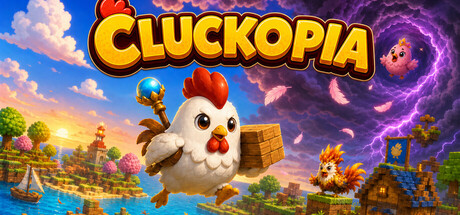 Cluckopia In-game content artaudio | Some art, music and sound effects were created with the assistance of generative AI tools, under the creative direction of the developer. All AI-assisted content was reviewed and curated before inclusion. The game does not use AI to generate content during gameplay. | Andre Luiz Themistocles | - | Aug 24, 2026 | |
 Lord of the Tiles Unclear artaudio | UI Elements, sounds. | Funzen Foundation | - | Aug 24, 2026 | |
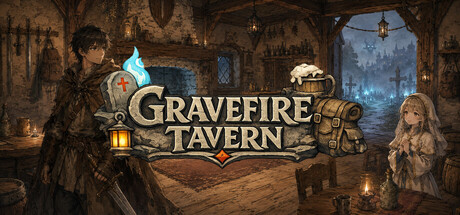 墓火酒館 In-game content artcode | This game contains pre-generated 2D artwork and source code created with ChatGPT during development. All game source code was generated with ChatGPT, then reviewed, tested, debugged, and integrated by the developer. The artwork was generated from original prompts written for Gravefire Tavern, then reviewed, selected, edited, composited, cropped, and integrated by the developer. No generative AI runs during gameplay, and no player input is sent to an AI service. | SynGameLab | - | Aug 24, 2026 | |
 Hidden Cat Islands In-game content artaudiocode | Generative AI tools were used during the development of this game and in the creation of some of its visual, audio, and technical content.
AI was used to create and refine the background, logo, and related visual elements.
AI-assisted tools were used to create and prepare some of the sound effects.
AI-powered coding tools were used for code generation, autocomplete, and development assistance.
AI-generated designs were selected, edited, and enhanced for use in some of the game's visual content.
Some visuals were selected from AI-generated designs and subsequently enhanced and upscaled.
All AI-generated or AI-assisted content was reviewed, selected, edited, and adapted by the developer before being used in the game. | Ozy Cozy Games | - | Aug 24, 2026 | |
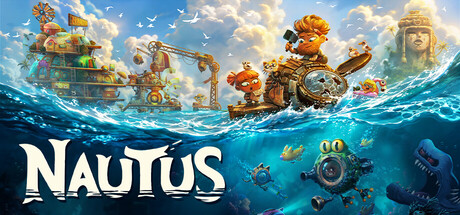 Nautus Dev only artaudiotext | Generative AI is used to assist with research or as rough internal placeholders. No AI-generated art, animation, music, text, or in-game live generation is used. All game content is created, shaped, reviewed, and approved by our team. | Magic Design Studios | - | Aug 24, 2026 | |
 Breezy Blooms In-game content artaudio | Generative AI was used to create artwork, and some sound effects. All generated content was tested automatically and reviewed by human.
Background Music, and some sound effects are licensed from third-party libraries and are not AI-generated.
No AI content is generated during gameplay. The game does not connect to an external AI service during gameplay, and all shipped content is finalized and static. | EXPECTACLE | - | Aug 24, 2026 | |
 Second Stage general | All AI involvement is pre-generated and human-reviewed: nothing is generated while you play, the game runs no AI models, and it never sends your data anywhere. | Archaic Labs | - | Aug 24, 2026 | |
 Don't Wake the King Store/marketing text | The text on this game's Steam store page was drafted with the help of generative AI and then edited by the developer. All in-game art, models, sounds and the game's logo are made by hand. No AI-generated content is produced while the game is running. | Shroudbound Studios | - | Aug 24, 2026 | |
 My Last Appointment In-game content textart | Artificial intelligence was used to assist with interface localization and adaptation of in-game textures.
There was a time when people used Google Translate, and terrible localization for many languages was common. Times have changed, progress does not stand still. Today, new and more advanced tools have emerged, and people now use them instead of outdated ones. | Ells&Pills | 133 | Aug 23, 2026 | |
 The Sin of Ritter In-game content audiotextart | During the development of The Sin of Ritter, generative AI tools were used as support in the content creation process. These tools assisted with the production of voice acting in different languages, the translation and localization of the game's text, as well as the creation of some textures used in the composition of the environments. | Ritter | - | Aug 23, 2026 | |
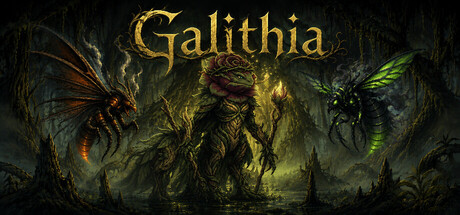 Galithia Dev only art | Galithia uses generative AI during development for some concepting, visual iteration, and content support. Any AI-assisted assets or materials are reviewed, modified, and integrated by the developer, with final approval and creative direction remaining fully human-led. Gameplay systems, combat balance, encounter design, and final implementation are developer-controlled. | Josh Schoenberger | - | Aug 23, 2026 | |
 Cyber Academy In-game content artaudio | AI-assisted tools were used during the development of this game to help with portions of the programming process, the creation of some visual assets, and certain audio assets. All AI-assisted content was reviewed, refined, and integrated by the development team before release. The game does not use generative AI to create content during gameplay and does not rely on external AI services while running. | JinjaGames | - | Aug 23, 2026 | |
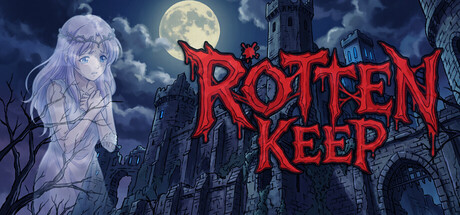 Rotten Keep In-game content art | Some of the art in the game was created with the help of AI. | Gergo V | - | Aug 23, 2026 | |
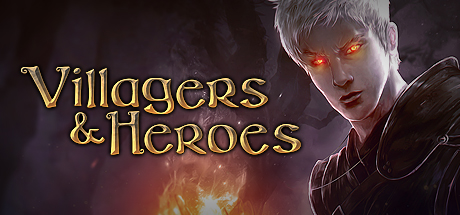 Villagers and Heroes In-game content arttext | We use AI as a technical tool to support our human developers. While all of our 3D game models, environments, and core game art are hand-crafted by our artists, we use AI to assist with 2D rendering and localization. For 2D promotional art, AI is used to composite, light, and polish images based strictly on our original in-game assets. We also utilize AI-assisted translation pipelines to help localize our massive world into multiple languages for our global community. | Mad Otter Games | 1.7k | Aug 23, 2026 | |
 Wonderful Time In-game content textaudio | Generative AI was used to translate some in-game text, such as the interface and the contents of letters, and to generate some of the music used in the game. | ondoi33 | - | Aug 23, 2026 | |
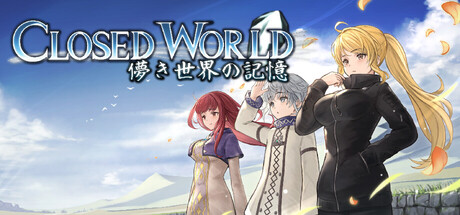 Closed World~儚き世界の記憶 In-game content text | We use generative AI to translate in-game text into multiple languages.
Generative AI is not used to generate content in real time. | Stilhearts | - | Aug 23, 2026 | |
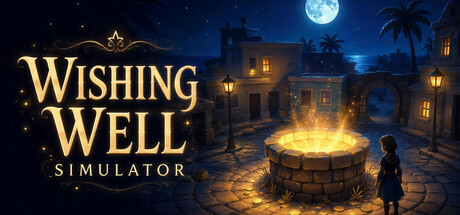 Wishing Well Simulator In-game content arttext | Wishing Well Simulator uses generative AI tools during development only; nothing is generated while you play, and the game never connects to any external AI service.
Pre-generated content made with AI assistance:
Key art and store artwork were created with generative image tools and then edited by hand.
The 3D well model was generated with an AI 3D tool (Meshy) and reworked by hand (materials, UVs, textures).
Translations into 21 languages beyond the original Turkish were produced with AI-assisted translation and then reviewed by hand, including platform terminology corrections.
Some secondary text (credits, tutorial hints) was drafted with AI assistance and edited by the author.
Written by hand: the story, all 119 events, the characters and dialogue, the game design and code. Sound effects are procedurally generated by the game's own code (no AI); the game has no music or voice acting. | Kanuni Games | - | Aug 23, 2026 | |
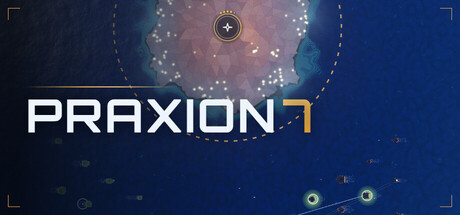 Praxion-7 Dev only code | Coding assistance is used for developing the game. Building automation test suites and creating support tools. | Virtual Dimensions | - | Aug 23, 2026 | |
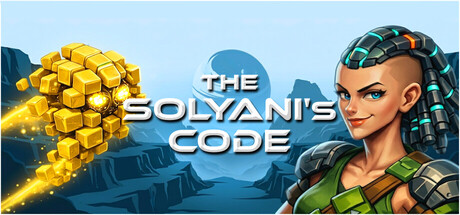 The Solyani's Code In-game content artaudio | I have used generative AI tools to assist in the creation of the character Elara's artwork for the capsule and for the in-game voiceover. All other aspects of the game are entirely handmade. No generative AI is used during gameplay. | ANGames | - | Aug 23, 2026 | |
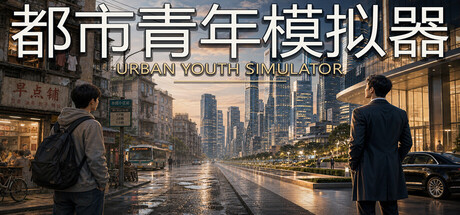 都市青年模拟器 In-game content artcode | During game development, we used AI tools to assist with the creation of some visual art assets and to support programming work. | HF GAME | 12 | Aug 23, 2026 | |
 Rust & Reveal: Restoration Simulator Store/marketing art | The game's menu interface and Steam store page assets (capsule images and other promotional artwork) were designed with the assistance of an AI-based design tool. All other art, environments, characters, and audio in the game were created without the use of generative AI. | NovaFell | - | Aug 23, 2026 | |
 God Faction In-game content art | Generative AI tools were used to assist in creating select 2D artwork for this game illustrations for collectible cards, artwork for the card battle/arena scene, and the game's logo and store capsule art. All AI-assisted artwork was selected, edited, and finalized by the development team before inclusion. Generative AI was not used to create the 3D open-world environment, or other gameplay systems/mechanics. This is for the demo build, and some or all AI-assisted art may be replaced with original human-made artwork in the full release. | SagaDevs | - | Aug 23, 2026 | |
 修仙,然后攻略魔法少女 In-game content artaudiotext | This game uses generative AI for some of its assets, specifically: character art and scene backgrounds, UI icons, the main menu motion visual, and part of the soundtrack. All story text is written by the developer; AI was used only for formatting and validation. Every AI-generated asset was manually reviewed, edited, and integrated before shipping. | 万古白夜工作室 | - | Aug 23, 2026 | |
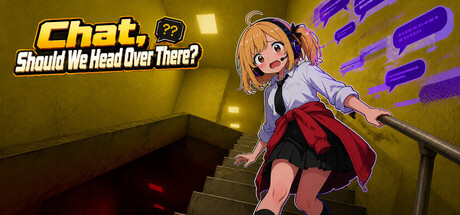 Chat, Should We Head Over There? Live AI textartaudio | This game uses generative AI in two ways.
Live-generated: The streamer character "Sia" reacts to the messages you type in real time. Her lines are generated during play by a large language model through an external AI service, so they are not pre-written. If the service is unavailable, the game falls back to pre-written lines and remains fully playable.
Pre-rendered: Some in-game artwork (item icons, character and creature sprites, textures) and some sound effects were produced with AI generation tools and then edited by the developer before shipping. | akarolls | - | Aug 23, 2026 | |
 元素奇兵:英雄集结令 In-game content art | "Generative AI tools were used during development to assist in creating a portion of the art, background assets, and UI icons. All AI-generated content was reviewed and manually refined by our team." | DeepDream Studio | 62 | Aug 23, 2026 | |
 Zombie Mystery: 100 Hidden Cats Dev only code | AI tools were used during development solely to assist with coding, including identifying and fixing bugs and making minor code corrections and improvements. AI does not generate any content for players during gameplay. | ArPeaKK Games | - | Aug 22, 2026 | |
 UNDERSTAR: Dig Below, Rise Above Unclear | AI was used in development of the game | Nextgenrun games | - | Aug 22, 2026 | |
 Polylithic In-game content text | AI was used for translations. | polyperfect | 152 | Aug 22, 2026 | |
 Nostra Culpa In-game content text | Generative AI was used during development to assist with editing and reviewing some narrative text and with localization. AI-assisted text was reviewed and edited manually by the developer before being included in the game. No AI-generated content is created live during gameplay. | DIY Games | - | Aug 22, 2026 | |
 Os Segredos de Ezequiel In-game content textart | This game utilized generative artificial intelligence for:
Script creation.
Assistance in creating some images.
Some narrative text. | Eric Vinicius da Costa santos | - | Aug 22, 2026 | |
 TRACE//5 In-game content art | Used for some 3D assets and textures. | Totori Works | - | Aug 22, 2026 | |
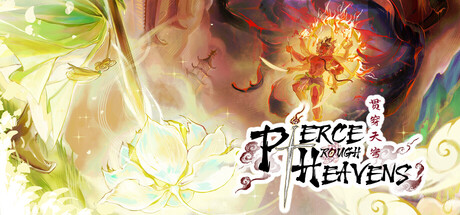 Pierce Through Heavens In-game content art | AI was used to produce placeholder UI components & sprites (e.g. icons, npc sprite, spell sprites). | Purple Yang Studio | - | Aug 22, 2026 | |
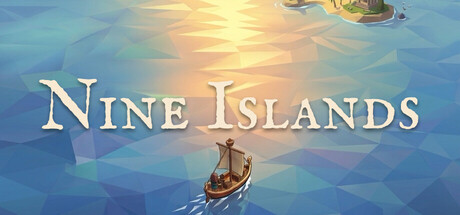 Nine Islands Dev only | Generative Artificial Intelligence used in software development. | Tencubed Games | - | Aug 22, 2026 | |
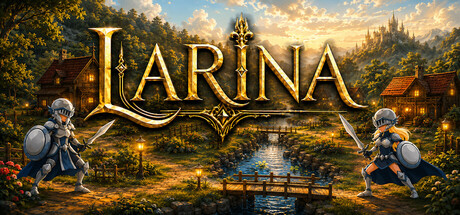 Larina In-game content audioart | Generative AI was used to create portions of music, icon art, and some textures. | Stefan Pulfer | - | Aug 22, 2026 | |
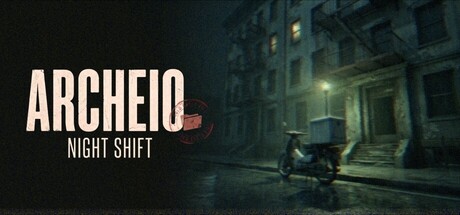 ARCHEIO: Night Shift In-game content art | AI was utilized as a supplementary tool for the creation of some art and promotional imagery. The core game experience is entirely hand-crafted using the Godot engine with original and licensed assets. All AI-generated marketing materials underwent human curation and post-processing to ensure visual consistency with the actual gameplay and compliance with platform guidelines. | IonianCore | - | Aug 22, 2026 | |
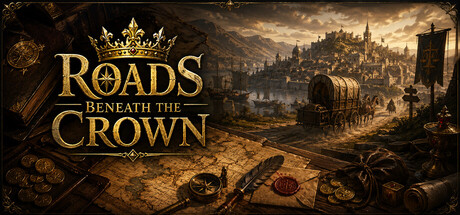 Roads Beneath The Crown In-game content arttext | This game uses generative AI during development to assist with selected artwork, relic and character illustrations, and limited text drafts. All generated material was created offline during development, then manually reviewed, edited, integrated, and quality-checked before being included in the game.
The game does not generate images, audio, text, code, or other content in real time, and it does not send player data or game content to external AI services during gameplay. | Wayward Salmon | - | Aug 22, 2026 | |
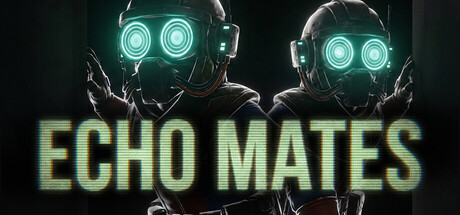 Echo Mates In-game content artaudio | I use generative AI as a tool during development:
• Some 3D models (characters, creatures and props) were created with AI generation tools, then edited, rigged and animated by hand for use in the game.
• Some sound effects were generated with AI audio tools, then edited and mixed by hand.
• Some store page and marketing artwork was created with AI image generation.
Everything produced this way is reviewed and reworked by me before it ships. The game generates no content while you play and connects to no AI service at runtime. | Vasilii Privalov | - | Aug 22, 2026 | |
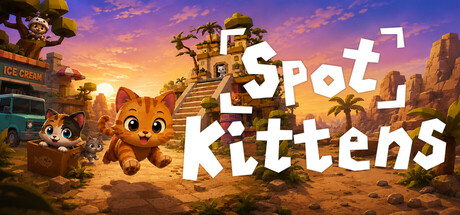 Spot Kittens Store/marketing art | The key art and Steam store banners were partially generated using AI. We will replace them soon with 100% handcrafted key art. | Sleepwalking Potatoes | - | Aug 22, 2026 | |
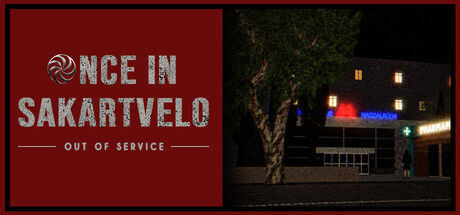 Once In Sakartvelo: Out Of Service In-game content art | Generative AI tools were used during development to create some 2D textures and 3D environmental objects in scenes. | ArbiDev | - | Aug 22, 2026 |


