Public Steam disclosure research25,394 disclosures tracked
Where do games disclose AI use?
Search developers’ Steam disclosures, compare classified AI use across
games, and follow recorded changes.
This index adds cross-game classifications and statistics to
statements published on individual store pages.
Groups reflect automatic analysis of public disclosures; mature records are excluded. These counts do not measure AI use across all of Steam.
Missing or unclear statements cannot establish whether a game uses AI.
Generative AI tools were used during development to assist with creating certain visual assets, promotional images, and localization text. All AI-assisted content was reviewed, modified, and integrated manually by the developers. The game does not use AI-generated content during gameplay.
Realm of Balls was developed with the help of generative AI tools during production, but the game does not include live AI-generated content for players.
Currently, this game uses placeholder generative AI images for character portraits and voiceovers for the announcer. Hopefully these assets will be replaced by talented artists overtime.
Some visual assets, promotional images, and text elements were created with the assistance of generative AI tools. The gameplay itself does not use live AI-generated content.
Generative AI was used in limited cases to assist with some in-game music and selected images shown on the Steam store page. All AI-assisted assets were reviewed and curated by the development team.
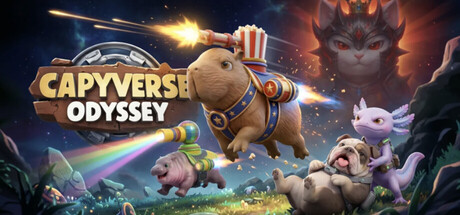
Some artwork in Capyverse Odyssey was created with assistance from generative AI tools and further refined, polished, and modified by the studio’s artists and development team. Final gameplay systems, design, programming, and core game content are developed by Metazooie Studios.
Generative AI tools were used during development to assist with portions of the game's programming workflow, including prototyping, debugging, and code iteration. All code is reviewed, modified, integrated, and validated by the developer.
Generative AI was used to create artwork for the game, including visual assets seen by players and/or promotional materials. All AI-generated artwork was reviewed, selected, and edited by the developer before inclusion. The game does not generate AI content live during gameplay.
AI was used only for humorous and non-core elements of the game, such as trailer music, meme-style images, and similar comedic assets. The game’s logic, models, animations, gameplay systems, and other core production elements were created by humans.
Generative AI tools were used during the development process to assist in 2D artwork (such as UI elements, icons, and promotional images). All AI-generated assets are pre-rendered and have been manually reviewed and modified by the developer before being integrated into the final game.
Generative artificial intelligence was partially used during the development of the game. AI-based tools assisted with parts of the code, the creation of certain textures, and the production of some trailer scenes. All generated materials were manually refined and integrated by the developers to ensure quality and consistency with the game’s artistic vision.
This game uses generative AI to create some of its audio, visual, and localization content. The music was generated with AI tools, certain sound effects were produced using AI-based audio synthesis, and some in‑game images and artwork were created with the assistance of generative AI. Part of the game's translations were also assisted by AI. All content has been manually reviewed, edited, and adapted to maintain the artistic and narrative coherence of the project.
Generative AI tools were used in a limited capacity to assist with marketing materials and early concept visuals during development. All AI-assisted content was reviewed and approved by the development team. The final shipped game contains no generative AI content.
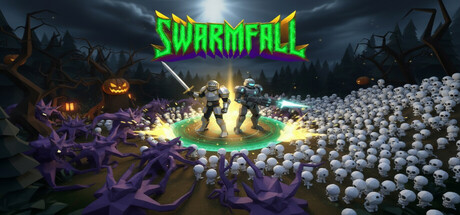
SWARMFALL uses generative AI only for the following 2D images:
Hero icons / profile pictures displayed in the UI and on the store page
Some marketing assets (Steam capsules, banners) and trailer music
All other content — 3D character models, levels, environments, gameplay mechanics and code — was created by hand in Blender or built from royalty-free assets, with no AI. No content is generated by AI during gameplay or in real-time.
Some image assets and visual resources were created with the assistance of generative AI, then reviewed, edited, and refined by the developer. No live generative AI content is included during gameplay.
Generative AI tools may be used during development to assist with translations for supported languages. These translations may appear as in-game text. The game does not use live-generated AI content during gameplay.
WinBolo's core engine and gameplay code was originally written by John Morrison between 1998 and 2008. The 2.0 modernization — including build system updates, the networking rewrite and platform ports — was developed with assistance from AI coding tools, with all architectural decisions, code review, and final integration handled by John Morrison.
Some non-gameplay marketing materials — including images and video elements used in trailers, social media, and the store page — were created using AI image generation as a starting point, with composition, editing, effects, and final selection done by hand. Gameplay screenshots and video footage are unedited captures from the actual game.
The game itself contains no generative AI content at runtime. Player-facing in-game assets (graphics, sound, music, text, UI) are human-created. The in-game AI opponents ("Brains," including NewAutopilot and future ML-trained agents) use traditional game AI techniques and trained reinforcement-learning models — they don't generate text, images, or audio during play.
Generative AI tools were used during development to assist with the creation of some pre-generated 2D artwork and static visual assets included in the game, Steam store page, and marketing materials. AI tools were also used as development assistance for portions of the code. All resulting content was completed and integrated before release. The game does not use generative AI during gameplay, does not connect to external generative AI services, and does not generate text, images, audio, or other content at runtime.
As a solo developer, I used AI tools as a foundation to expand the game's scope, manually refining and finalizing every asset to ensure the final result is a high-quality, handcrafted experience.
Storefront and Marketing Materials: Generative AI was used to assist in drafting, refining, and localizing the text content for the Steam store page and promotional descriptions.
In-Game Content: All final visual assets, code, and audio within the game have been created and designed by our development team. There is no AI-generated content produced in real-time during gameplay.
This game uses generative AI tools in a limited capacity:
🎨 Marketing & Concept Materials: Some marketing materials, store page assets, and early concept visuals were created or refined using generative AI tools during development.
All AI-assisted content was reviewed, edited, and approved by the development team before publication.
Generative AI tools were used during development to assist with creating certain visual assets, promotional images, and localization text. All AI-assisted content was reviewed, modified, and integrated manually by the developers. The game does not use AI-generated content during gameplay.
Realm of Balls was developed with the help of generative AI tools during production, but the game does not include live AI-generated content for players.
Currently, this game uses placeholder generative AI images for character portraits and voiceovers for the announcer. Hopefully these assets will be replaced by talented artists overtime.
Some visual assets, promotional images, and text elements were created with the assistance of generative AI tools. The gameplay itself does not use live AI-generated content.
Generative AI was used in limited cases to assist with some in-game music and selected images shown on the Steam store page. All AI-assisted assets were reviewed and curated by the development team.
Some artwork in Capyverse Odyssey was created with assistance from generative AI tools and further refined, polished, and modified by the studio’s artists and development team. Final gameplay systems, design, programming, and core game content are developed by Metazooie Studios.
Generative AI tools were used during development to assist with portions of the game's programming workflow, including prototyping, debugging, and code iteration. All code is reviewed, modified, integrated, and validated by the developer.
Generative AI was used to create artwork for the game, including visual assets seen by players and/or promotional materials. All AI-generated artwork was reviewed, selected, and edited by the developer before inclusion. The game does not generate AI content live during gameplay.
AI was used only for humorous and non-core elements of the game, such as trailer music, meme-style images, and similar comedic assets. The game’s logic, models, animations, gameplay systems, and other core production elements were created by humans.
Generative AI tools were used during the development process to assist in 2D artwork (such as UI elements, icons, and promotional images). All AI-generated assets are pre-rendered and have been manually reviewed and modified by the developer before being integrated into the final game.
Generative artificial intelligence was partially used during the development of the game. AI-based tools assisted with parts of the code, the creation of certain textures, and the production of some trailer scenes. All generated materials were manually refined and integrated by the developers to ensure quality and consistency with the game’s artistic vision.
This game uses generative AI to create some of its audio, visual, and localization content. The music was generated with AI tools, certain sound effects were produced using AI-based audio synthesis, and some in‑game images and artwork were created with the assistance of generative AI. Part of the game's translations were also assisted by AI. All content has been manually reviewed, edited, and adapted to maintain the artistic and narrative coherence of the project.
Generative AI tools were used in a limited capacity to assist with marketing materials and early concept visuals during development. All AI-assisted content was reviewed and approved by the development team. The final shipped game contains no generative AI content.
SWARMFALL uses generative AI only for the following 2D images:
Hero icons / profile pictures displayed in the UI and on the store page
Some marketing assets (Steam capsules, banners) and trailer music
All other content — 3D character models, levels, environments, gameplay mechanics and code — was created by hand in Blender or built from royalty-free assets, with no AI. No content is generated by AI during gameplay or in real-time.
Some image assets and visual resources were created with the assistance of generative AI, then reviewed, edited, and refined by the developer. No live generative AI content is included during gameplay.
Generative AI tools may be used during development to assist with translations for supported languages. These translations may appear as in-game text. The game does not use live-generated AI content during gameplay.
WinBolo's core engine and gameplay code was originally written by John Morrison between 1998 and 2008. The 2.0 modernization — including build system updates, the networking rewrite and platform ports — was developed with assistance from AI coding tools, with all architectural decisions, code review, and final integration handled by John Morrison.
Some non-gameplay marketing materials — including images and video elements used in trailers, social media, and the store page — were created using AI image generation as a starting point, with composition, editing, effects, and final selection done by hand. Gameplay screenshots and video footage are unedited captures from the actual game.
The game itself contains no generative AI content at runtime. Player-facing in-game assets (graphics, sound, music, text, UI) are human-created. The in-game AI opponents ("Brains," including NewAutopilot and future ML-trained agents) use traditional game AI techniques and trained reinforcement-learning models — they don't generate text, images, or audio during play.
Generative AI tools were used during development to assist with the creation of some pre-generated 2D artwork and static visual assets included in the game, Steam store page, and marketing materials. AI tools were also used as development assistance for portions of the code. All resulting content was completed and integrated before release. The game does not use generative AI during gameplay, does not connect to external generative AI services, and does not generate text, images, audio, or other content at runtime.
As a solo developer, I used AI tools as a foundation to expand the game's scope, manually refining and finalizing every asset to ensure the final result is a high-quality, handcrafted experience.
Storefront and Marketing Materials: Generative AI was used to assist in drafting, refining, and localizing the text content for the Steam store page and promotional descriptions.
In-Game Content: All final visual assets, code, and audio within the game have been created and designed by our development team. There is no AI-generated content produced in real-time during gameplay.
This game uses generative AI tools in a limited capacity:
🎨 Marketing & Concept Materials: Some marketing materials, store page assets, and early concept visuals were created or refined using generative AI tools during development.
All AI-assisted content was reviewed, edited, and approved by the development team before publication.