








Disclosure
The music are using Suno AI to generate I use claude code for vibe coding
- Creator
- Opentool
- Reviews
- -
- Added
- Sep 24, 2026
Public Steam disclosure research 25,383 disclosures tracked
Search developers’ Steam disclosures, compare classified AI use across games, and follow recorded changes. This index adds cross-game classifications and statistics to statements published on individual store pages.
Code help, debugging and other development work.
Capsule art, trailers and promotional material.
Pre-made art, audio, writing and other game assets.
Interactive or runtime AI features disclosed by the developer.
Groups reflect automatic analysis of public disclosures; mature records are excluded. These counts do not measure AI use across all of Steam. Missing or unclear statements cannot establish whether a game uses AI.
The music are using Suno AI to generate I use claude code for vibe coding
Generative AI was used in the making of visual and coded assets.
Generative AI tools were used during development to assist in creating and refining some of the visual assets used in the game. All AI-assisted content was reviewed and edited by the developer before being included in the final game. No AI-generated content is created during gameplay.
このゲームはプログラミング、グラフィックを
Used in simple artwork, NPC chat systems, tactical realism systems, enhanced system design, economy management, debugging and design assistance.
Mythbound features a small portion of generated assets in the form of environmental props for it's Early Access period. No generated assets will be featured in the final release of the game.
Generative AI tools were used during development to help create some visual assets and localized text, including Steam store artwork and achievement icons. This content is prepared in advance and included as fixed assets and text. Crownspat does not use generative AI to create content during gameplay and does not connect to external AI services.
During development, generative AI is used to explore visual concepts and create prototype. Also used on Translation. Textures, animations, and 3D models are created manually. The game does not generate AI content during gameplay.
Nest Rivals uses pre-generated AI-assisted artwork in selected sprites, environment textures, bestiary illustrations and marketing images. Some music and sound effects, as well as parts of this Steam store description, were also created with AI assistance. These materials were selected and integrated by the developer. The game does not generate AI content during gameplay.
Voltwood was developed with AI assistance. Pre-generated AI content that ships in the game and on the store page includes: 3D unit, structure, and environment models generated with Meshy from our own concept art; 2D art generated with ChatGPT from the developer's direction, including store capsule art, the app icon and key art, menu artwork, and achievement icons; music generated with Mureka; sound effects and character voice lines generated with ElevenLabs; game code, UI icons, and interface and store-page translations authored with Anthropic Claude. All AI output was reviewed, curated, and integrated by the developer, and all of it is owned by the developer under the respective services' paid-tier terms.
Generative AI tools were used during development to help create some of the game's art, textures and icons, audio (including music and voice), in-game text, and store and marketing materials. The game does not generate any AI content during gameplay.
Generative AI is used during development to help create store artwork, some character and military prop source assets, and localized store text. Assets are edited and integrated during development. The game does not generate AI content or connect to external AI services during gameplay.
Eldritch Tricks was not dealt by human hands alone: we lean on procedural and AI-assisted tools during development to help draft what you see and hear. Every card that reaches the table is chosen, shaped, and finished by the Iron Tower Press team, and the game you play is ours.
Pre-generated content only, nothing is generated while you play. All image motifs (130 modifier cards, 44 enemy portraits, 24 dice, 5 items, 7 set emblems, the title logo) were generated with Google's Gemini image model from written prompts and then hand-reduced to the game's palette and pixel size. Music: the fight track was generated with Suno, the title, boss and shop tracks with Eleven Music (ElevenLabs). Thirteen sound effects (boss entrance, curse, win, loss, dice shaking, dice landing, clicks, coins) were generated with ElevenLabs Sound Generation; all remaining sounds are synthesized in code. Rules, code, texts and translations were written by the developer, with AI assistance during development.
Generative AI was used to create store artwork and in-game art. These assets were created beforehand; no content is generated live during gameplay.
I used Claude and Arena.AI for the art assets, as im only one person and use AI as a tool to save time with repetitive tasks.
AstralX uses generative AI only for some 2D illustrative images, primarily certain biome visuals and depictions of some races/species. The game contains well over 1,000 such visual elements, which is why generative AI was used to assist with part of this 2D artwork. Generative AI is not used for the game's simulation, mathematical calculations, gameplay rules, mechanics, or underlying systems. These elements were designed and developed manually by the developer. 3D content is also not generated using AI. The music was composed manually and performed by a real pianist. The sound design was likewise created through traditional human production rather than generative AI. No generative AI is used dynamically during gameplay.
Generative AI tools were used during development to create pre-generated content, including artwork and text for the game and its store materials. Content is prepared in advance. The game does not generate AI content during play or connect to an external AI service during gameplay.
Generative AI tools were used to assist with some visual assets and localization. All AI-assisted content was reviewed and edited by the development team before being included in the final game.
Experimental translation beta branch includes generative large language model assisted translations.
Generative AI tools were used to assist with localization and translations, as well as to create marketing materials and promotional assets.
The soundtrack was composed with Suno, and the sound effects and unit/announcer voice lines were generated with ElevenLabs; all were selected, edited and mixed by the developer. The title logo illustration was drafted with an AI image tool and finished by hand. The UI frame art is a licensed commercial kit (not AI). No AI content is generated while the game runs.
Generative AI was used during development to create pre-made content: concept and reference images, character sprites, textures and UI graphics (OpenAI image generation), the game logo (Google Gemini), some 3D model drafts (Tripo) and sound effects (ElevenLabs). All AI-generated material was selected, edited, modelled and integrated by the developer in Blender and Unity. The game does not generate any content with AI while you play and does not connect to AI services.
Some 3D character and prop models were generated with 3D AI Studio during development. Some player-facing text was drafted with AI assistance. All content is prepared in advance; no generative AI runs during gameplay.
Generative AI tools were used during development to assist with selected text content and localization. All AI-assisted content was reviewed and edited by the developer before inclusion. The game does not generate AI content during gameplay.
Generative AI tools were used during development, under our creative direction, to help create the game’s artwork, written content and marketing materials. AI tools also assisted with programming. This content was prepared before release. Risk Trader does not generate AI content during gameplay or connect to an external AI service; its in-game coach uses locally stored rules and messages.
AI (Images v.2.5 by OpenAI: chatGPT v.5.6) was used to: - generate the game logo; - generate textures for physical materials (bricks, stones, etc.); - generate backgrounds; - generate diamonds, balls, stands, teleports; - generate text labels; This game does not use AI to live-generate content or code during gameplay. All AI assets have undergone human post-processing.
Some art, music and the non-English translations were created with the help of AI tools during development, then edited by hand. Everything ships as static files; nothing is generated while you play.
Generative AI was used for artwork creation and localization.
Spellchainer is made by a solo developer. I used generative AI sporadically to help fill gaps in artwork and textures, including selected in-game and marketing visuals. These assets were reviewed and edited before inclusion. No content is generated by AI during gameplay.
The partial code and shop page of this game were made by AI.
Generative AI tools were used during development to assist with artwork (item illustrations, backgrounds and UI art), audio, and localisation. All AI-assisted content is pre-generated and reviewed, edited and finished by the developer before it ships. Nothing is generated at runtime, and the game contains no AI features while you play.
Generative AI was used to create content including artwork, sound, narrative, and localization.
Only the character images are AI generated.
We used AI to generate several parts of the game and the models.
During development, generative artificial intelligence tools were used to create some pre-rendered static images featured in the game and in the Store page materials (illustrations and promotional graphics). All content was selected, reviewed and integrated manually by the developer. The game does not use generative AI during gameplay and does not generate content in real time.
Steam store and library, including capsule images, the logo and icons Gameplay screenshots were captured directly from the game.
Steam store and library, including capsule images, the logo and icons Gameplay screenshots were captured directly from the game.
SMASH & GRAB uses generative AI for pre-generated content that is reviewed and edited by the team before it ships. Card portraits and their collectible variants, the rival figures and props, the key art, and the store capsules were produced with image and 3D generation tools (Meshy, OpenArt) from our own prompts and references. Voice lines use synthetic voices from ElevenLabs; no real person's voice was cloned. The music beds were generated with ElevenLabs, and the store trailer was assembled from AI-generated clips (Kling via OpenArt). Card names, bios, and other in-game text were drafted with a large language model and edited by the team. Nothing is generated while you play: the game does not create content live.
Generative AI tools were used during development to create some artwork, music, text and translations, including promotional material. This content is prepared in advance. The game does not generate AI content or connect to AI services while you play.
Generative AI tools were used during development to assist in creating some visual assets, music, sound effects, and voice-over content. All AI-generated content was created and reviewed prior to its inclusion in the game. The game does not generate AI content during gameplay.
Generative AI tools helped create character portraits, illustrations, store and marketing artwork, music, sound effects, and player-facing text during development. These are pre-generated assets. No generative AI runs during gameplay, and the game does not connect to external generative AI services.
Steam store and library, including capsule images, the logo and icons Gameplay screenshots were captured directly from the game.
Steam store and library, including capsule images, the logo and icons Gameplay screenshots were captured directly from the game.
I use generative technologies strictly in a supporting role, including: brain-storming; editing text; altering images; research; transcription… Generated assets are never the first seed nor the last product of any content in my games.
Pre-generated AI-assisted content is present for background art, portions of the Steam/Windows key art and logo derivatives. Kingside Break contains no runtime generative-AI system or live AI-content generation. Its chess opponent is conventional gameplay AI, not generative AI.
Used minimal AI to assist in the creation.
This game has a lot of assets; as a solo developer, AI-assisted tools were used to help create some of the audio and sound files. I'm sharing this openly so players can make an informed choice. If the game finds an audience, I'd love to invest in commissioning original art to replace these assets down the line. Some visual art assets were created using AI-assisted collage techniques, combining and compositing multiple generated elements into final scenes. Some character voices use AI voice modulation applied to original voice performances to modify and enhance those performances. Music is originally composed, with AI tools assisting in instrumentation and production.
Sprites and backgrounds were produced using AI. All voice acting, translation, music, and everything else was done by humans.
Some of the visual assets in Sacrificium — creature sprites, animations and background art — were created with the help of generative AI tools, then reviewed, edited and integrated by hand. All generative AI content is pre-generated; nothing is generated at runtime while you play. Game design, code, systems and all in-game text were written entirely by a human.
| Title⇅ | Disclosure | Creator⇅ | Src | Reviews⇅ | Added↓ |
|---|---|---|---|---|---|
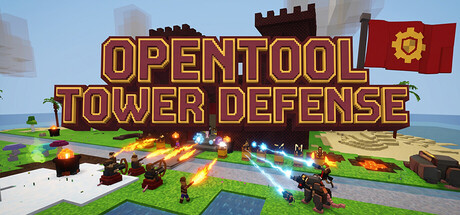 Opentool Tower Defense In-game content audiocode | The music are using Suno AI to generate
I use claude code for vibe coding | Opentool | - | Sep 24, 2026 | |
 Echoes of Eternity 2 In-game content artcode | Generative AI was used in the making of visual and coded assets. | DurableChain | - | Sep 24, 2026 | |
 Galaxy Exodus In-game content art | Generative AI tools were used during development to assist in creating and refining some of the visual assets used in the game. All AI-assisted content was reviewed and edited by the developer before being included in the final game. No AI-generated content is created during gameplay. | Creativexec | - | Sep 24, 2026 | |
 Is This Reversi? Unclear artcode | このゲームはプログラミング、グラフィックを | 創造神司-souzousinzi- | - | Sep 24, 2026 | |
 Star Heir: Dark Crusade Live AI arttextcode | Used in simple artwork, NPC chat systems, tactical realism systems, enhanced system design, economy management, debugging and design assistance. | Faithful Works | - | Sep 24, 2026 | |
 Mythbound In-game content art | Mythbound features a small portion of generated assets in the form of environmental props for it's Early Access period. No generated assets will be featured in the final release of the game. | Skaldforge | - | Sep 24, 2026 | |
 Crownspat In-game content arttext | Generative AI tools were used during development to help create some visual assets and localized text, including Steam store artwork and achievement icons. This content is prepared in advance and included as fixed assets and text. Crownspat does not use generative AI to create content during gameplay and does not connect to external AI services. | Gambit Forge | - | Sep 24, 2026 | |
 Steam Colony In-game content arttext | During development, generative AI is used to explore visual concepts and create prototype. Also used on Translation. Textures, animations, and 3D models are created manually. The game does not generate AI content during gameplay. | Matielle | - | Sep 24, 2026 | |
 Nest Rivals In-game content artaudiotext | Nest Rivals uses pre-generated AI-assisted artwork in selected sprites, environment textures, bestiary illustrations and marketing images. Some music and sound effects, as well as parts of this Steam store description, were also created with AI assistance. These materials were selected and integrated by the developer. The game does not generate AI content during gameplay. | Turning Rook Games | - | Sep 24, 2026 | |
 Voltwood In-game content artaudiocodetext | Voltwood was developed with AI assistance. Pre-generated AI content that ships in the game and on the store page includes: 3D unit, structure, and environment models generated with Meshy from our own concept art; 2D art generated with ChatGPT from the developer's direction, including store capsule art, the app icon and key art, menu artwork, and achievement icons; music generated with Mureka; sound effects and character voice lines generated with ElevenLabs; game code, UI icons, and interface and store-page translations authored with Anthropic Claude. All AI output was reviewed, curated, and integrated by the developer, and all of it is owned by the developer under the respective services' paid-tier terms. | Well Actually Games LLC | - | Sep 24, 2026 | |
 IronFlux In-game content artaudiotext | Generative AI tools were used during development to help create some of the game's art, textures and icons, audio (including music and voice), in-game text, and store and marketing materials. The game does not generate any AI content during gameplay. | Ghost World Gaming | - | Sep 24, 2026 | |
 九边 In-game content arttext | Generative AI is used during development to help create store artwork, some character and military prop source assets, and localized store text. Assets are edited and integrated during development. The game does not generate AI content or connect to external AI services during gameplay. | 先胜工作室 | - | Sep 24, 2026 | |
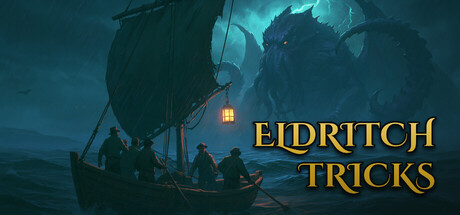 Eldritch Tricks In-game content textart | Eldritch Tricks was not dealt by human hands alone: we lean on procedural and AI-assisted tools during development to help draft what you see and hear. Every card that reaches the table is chosen, shaped, and finished by the Iron Tower Press team, and the game you play is ours. | Iron Tower Press | - | Sep 23, 2026 | |
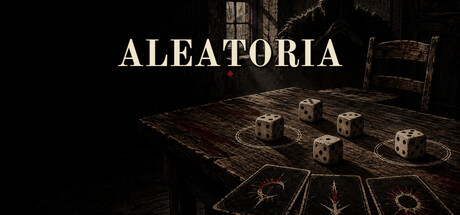 Aleatoria In-game content artaudiotextcode | Pre-generated content only, nothing is generated while you play. All image motifs (130 modifier cards, 44 enemy portraits, 24 dice, 5 items, 7 set emblems, the title logo) were generated with Google's Gemini image model from written prompts and then hand-reduced to the game's palette and pixel size. Music: the fight track was generated with Suno, the title, boss and shop tracks with Eleven Music (ElevenLabs). Thirteen sound effects (boss entrance, curse, win, loss, dice shaking, dice landing, clicks, coins) were generated with ElevenLabs Sound Generation; all remaining sounds are synthesized in code. Rules, code, texts and translations were written by the developer, with AI assistance during development. | DASC INTERACTIVE | - | Sep 23, 2026 | |
 Car Factory Tycoon In-game content art | Generative AI was used to create store artwork and in-game art. These assets were created beforehand; no content is generated live during gameplay. | Jomica | - | Sep 23, 2026 | |
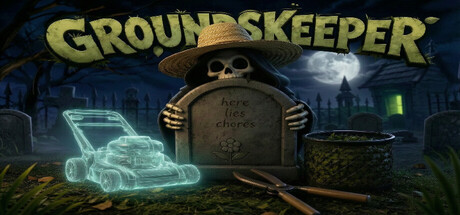 The Grounds-Keeper In-game content art | I used Claude and Arena.AI for the art assets, as im only one person and use AI as a tool to save time with repetitive tasks. | deadbird23rd | - | Sep 23, 2026 | |
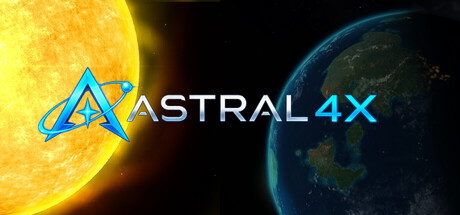 Astral 4X : Interstellar Simulation In-game content art | AstralX uses generative AI only for some 2D illustrative images, primarily certain biome visuals and depictions of some races/species. The game contains well over 1,000 such visual elements, which is why generative AI was used to assist with part of this 2D artwork.
Generative AI is not used for the game's simulation, mathematical calculations, gameplay rules, mechanics, or underlying systems. These elements were designed and developed manually by the developer. 3D content is also not generated using AI.
The music was composed manually and performed by a real pianist. The sound design was likewise created through traditional human production rather than generative AI.
No generative AI is used dynamically during gameplay. | Encelade Interactive | - | Sep 23, 2026 | |
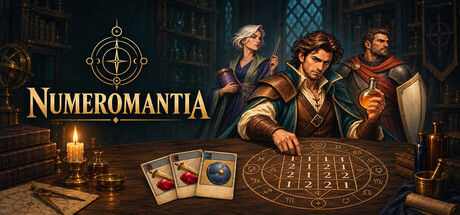 Numeromantia In-game content arttext | Generative AI tools were used during development to create pre-generated content, including artwork and text for the game and its store materials. Content is prepared in advance. The game does not generate AI content during play or connect to an external AI service during gameplay. | BaBa yaGa | - | Sep 23, 2026 | |
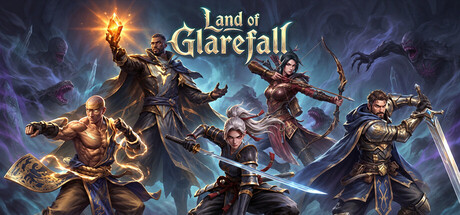 Land of Glarefall In-game content arttext | Generative AI tools were used to assist with some visual assets and localization. All AI-assisted content was reviewed and edited by the development team before being included in the final game. | BLAIKE GAMES | - | Sep 23, 2026 | |
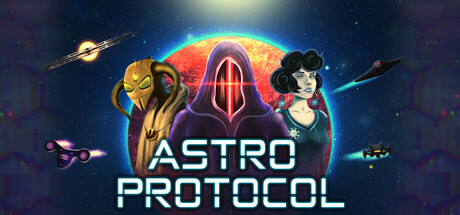 Astro Protocol In-game content text | Experimental translation beta branch includes generative large language model assisted translations. | Null Vector Studios | 66 | Sep 23, 2026 | |
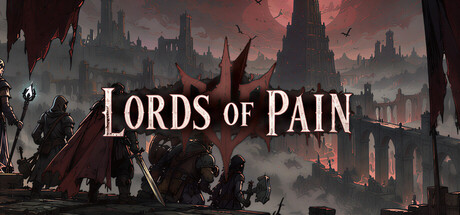 Lords of Pain In-game content textart | Generative AI tools were used to assist with localization and translations, as well as to create marketing materials and promotional assets. | Pinfel | - | Sep 23, 2026 | |
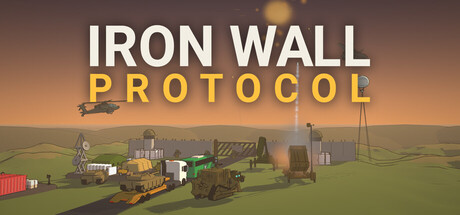 Iron Wall Protocol In-game content audioart | The soundtrack was composed with Suno, and the sound effects and unit/announcer voice lines were generated with ElevenLabs; all were selected, edited and mixed by the developer. The title logo illustration was drafted with an AI image tool and finished by hand. The UI frame art is a licensed commercial kit (not AI). No AI content is generated while the game runs. | Ox Dynamics | - | Sep 22, 2026 | |
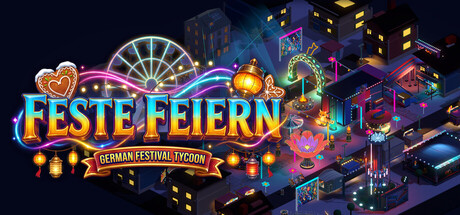 Feste Feiern: German Festival Tycoon In-game content artaudio | Generative AI was used during development to create pre-made content: concept and reference images, character sprites, textures and UI graphics (OpenAI image generation), the game logo (Google Gemini), some 3D model drafts (Tripo) and sound effects (ElevenLabs). All AI-generated material was selected, edited, modelled and integrated by the developer in Blender and Unity. The game does not generate any content with AI while you play and does not connect to AI services. | Jodelsoft | - | Sep 22, 2026 | |
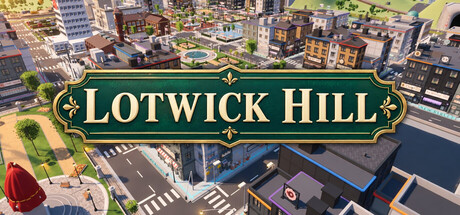 Lotwick Hill In-game content arttext | Some 3D character and prop models were generated with 3D AI Studio during development. Some player-facing text was drafted with AI assistance. All content is prepared in advance; no generative AI runs during gameplay. | Lasse Bjørge | - | Sep 22, 2026 | |
 Polandball: The Sixth Day - Destroy In-game content text | Generative AI tools were used during development to assist with selected text content and localization. All AI-assisted content was reviewed and edited by the developer before inclusion. The game does not generate AI content during gameplay. | 饼干鱼工作室 | - | Sep 22, 2026 | |
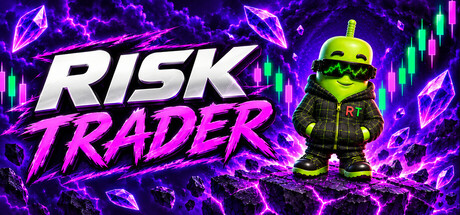 Risk Trader In-game content arttextcode | Generative AI tools were used during development, under our creative direction, to help create the game’s artwork, written content and marketing materials. AI tools also assisted with programming. This content was prepared before release. Risk Trader does not generate AI content during gameplay or connect to an external AI service; its in-game coach uses locally stored rules and messages. | PoutineandHaggisProductions | - | Sep 22, 2026 | |
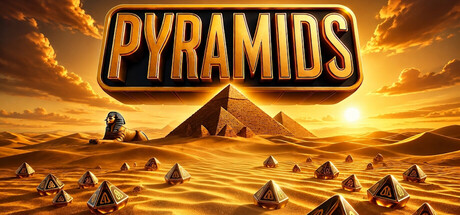 Pyramids In-game content arttext | AI (Images v.2.5 by OpenAI: chatGPT v.5.6) was used to:
- generate the game logo;
- generate textures for physical materials (bricks, stones, etc.);
- generate backgrounds;
- generate diamonds, balls, stands, teleports;
- generate text labels;
This game does not use AI to live-generate content or code during gameplay.
All AI assets have undergone human post-processing. | GraphXGames | - | Sep 22, 2026 | |
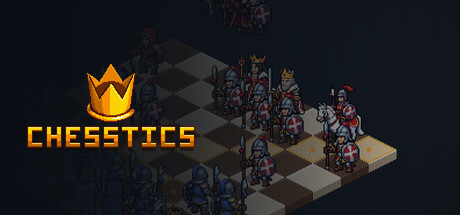 Chesstics In-game content artaudiotext | Some art, music and the non-English translations were created with the help of AI tools during development, then edited by hand. Everything ships as static files; nothing is generated while you play. | Florian Strasser | - | Sep 22, 2026 | |
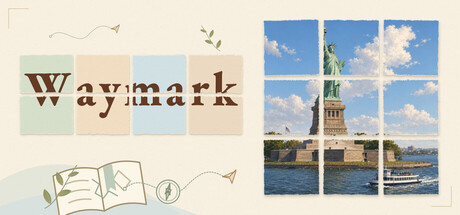 Waymark In-game content arttext | Generative AI was used for artwork creation and localization. | Polaris Lore | - | Sep 22, 2026 | |
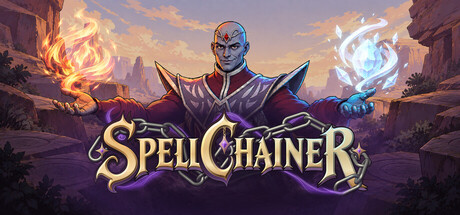 Spellchainer In-game content art | Spellchainer is made by a solo developer. I used generative AI sporadically to help fill gaps in artwork and textures, including selected in-game and marketing visuals. These assets were reviewed and edited before inclusion. No content is generated by AI during gameplay. | SigmaX | - | Sep 22, 2026 | |
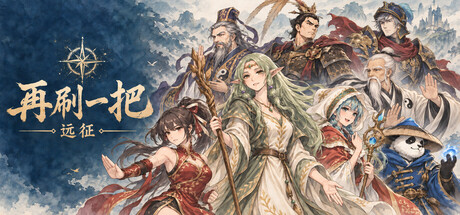 再刷一把:远征 Store/marketing codetext | The partial code and shop page of this game were made by AI. | 滑稽工作室 | - | Sep 22, 2026 | |
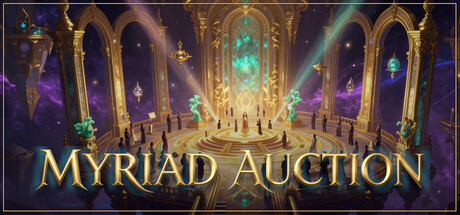 Myriad Auction In-game content artaudiotext | Generative AI tools were used during development to assist with artwork (item illustrations, backgrounds and UI art), audio, and localisation. All AI-assisted content is pre-generated and reviewed, edited and finished by the developer before it ships. Nothing is generated at runtime, and the game contains no AI features while you play. | Hansir | - | Sep 22, 2026 | |
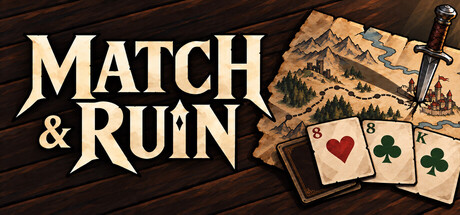 Match & Ruin In-game content artaudiotext | Generative AI was used to create content including artwork, sound, narrative, and localization. | id187 | - | Sep 22, 2026 | |
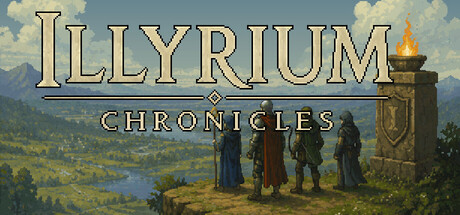 Illyrium: Chronicles In-game content art | Only the character images are AI generated. | The Kingdom | - | Sep 22, 2026 | |
 Unlucky In-game content art | We used AI to generate several parts of the game and the models. | Piece Of Web | - | Sep 22, 2026 | |
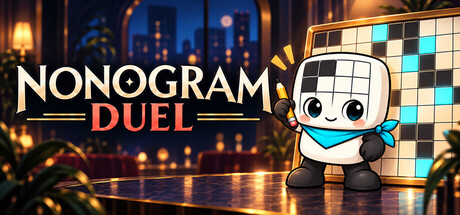 Nonogram Duel In-game content art | During development, generative artificial intelligence tools were used to create some pre-rendered static images featured in the game and in the Store page materials (illustrations and promotional graphics).
All content was selected, reviewed and integrated manually by the developer.
The game does not use generative AI during gameplay and does not generate content in real time. | Alessio Perilli | - | Sep 22, 2026 | |
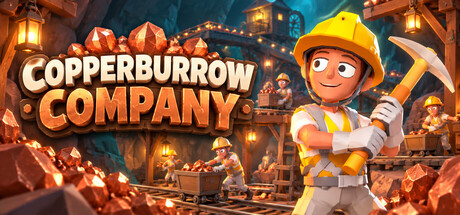 Copperburrow Company art | Steam store and library, including capsule images, the logo and icons Gameplay screenshots were captured directly from the game. | Copperburrow Company Studio | - | Sep 22, 2026 | |
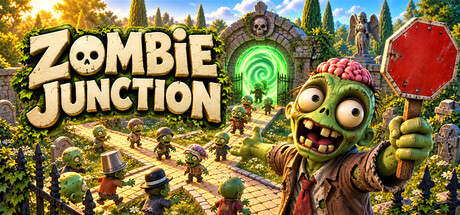 Zombie Junction art | Steam store and library, including capsule images, the logo and icons Gameplay screenshots were captured directly from the game. | Zombie Junction Studio | - | Sep 22, 2026 | |
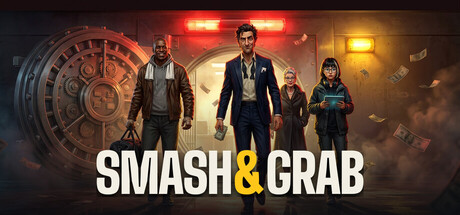 Smash & Grab In-game content artaudiotext | SMASH & GRAB uses generative AI for pre-generated content that is reviewed and edited by the team before it ships. Card portraits and their collectible variants, the rival figures and props, the key art, and the store capsules were produced with image and 3D generation tools (Meshy, OpenArt) from our own prompts and references. Voice lines use synthetic voices from ElevenLabs; no real person's voice was cloned. The music beds were generated with ElevenLabs, and the store trailer was assembled from AI-generated clips (Kling via OpenArt). Card names, bios, and other in-game text were drafted with a large language model and edited by the team. Nothing is generated while you play: the game does not create content live. | Hashbang Games | - | Sep 22, 2026 | |
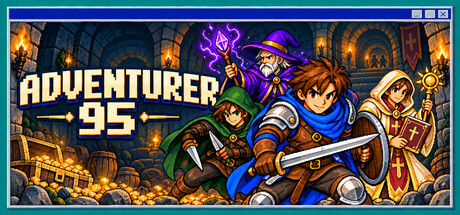 Aventureiro 95 In-game content artaudiotext | Generative AI tools were used during development to create some artwork, music, text and translations, including promotional material. This content is prepared in advance. The game does not generate AI content or connect to AI services while you play. | STREAM ON | - | Sep 22, 2026 | |
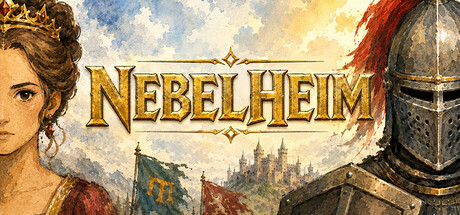 NEBELHEIM In-game content artaudio | Generative AI tools were used during development to assist in creating some visual assets, music, sound effects, and voice-over content. All AI-generated content was created and reviewed prior to its inclusion in the game. The game does not generate AI content during gameplay. | Kararsız Studio | - | Sep 22, 2026 | |
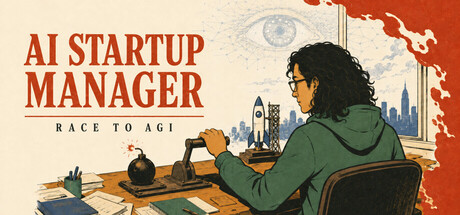 AI Startup Manager: Race to AGI In-game content artaudiotext | Generative AI tools helped create character portraits, illustrations, store and marketing artwork, music, sound effects, and player-facing text during development. These are pre-generated assets. No generative AI runs during gameplay, and the game does not connect to external generative AI services. | Sivas Games | - | Sep 22, 2026 | |
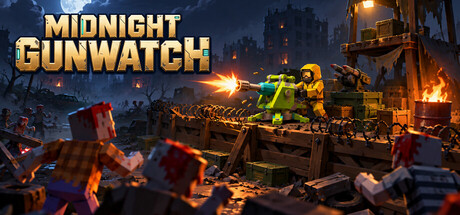 Midnight Gunwatch art | Steam store and library, including capsule images, the logo and icons Gameplay screenshots were captured directly from the game. | Midnight Gunwatch Studio | - | Sep 22, 2026 | |
 Battleborne Isles art | Steam store and library, including capsule images, the logo and icons Gameplay screenshots were captured directly from the game. | Battleborne Isles Studio | - | Sep 22, 2026 | |
 Taktiko Maxima Dev only arttext | I use generative technologies strictly in a supporting role, including: brain-storming; editing text; altering images; research; transcription…
Generated assets are never the first seed nor the last product of any content in my games. | Alex Henry | - | Sep 22, 2026 | |
 Kingside Break In-game content art | Pre-generated AI-assisted content is present for background art, portions of the Steam/Windows key art and logo derivatives. Kingside Break contains no runtime generative-AI system or live AI-content generation. Its chess opponent is conventional gameplay AI, not generative AI. | YuJam Games | - | Sep 22, 2026 | |
 港水 Unclear | Used minimal AI to assist in the creation. | RoeBox | - | Sep 22, 2026 | |
 The Feather King In-game content audioart | This game has a lot of assets; as a solo developer, AI-assisted tools were used to help create some of the audio and sound files. I'm sharing this openly so players can make an informed choice. If the game finds an audience, I'd love to invest in commissioning original art to replace these assets down the line.
Some visual art assets were created using AI-assisted collage techniques, combining and compositing multiple generated elements into final scenes. Some character voices use AI voice modulation applied to original voice performances to modify and enhance those performances. Music is originally composed, with AI tools assisting in instrumentation and production. | Pregnant Quokka Games | - | Sep 22, 2026 | |
 Boardroom Wars: Fight for Kashistan In-game content art | Sprites and backgrounds were produced using AI. All voice acting, translation, music, and everything else was done by humans. | Ian Minderman | - | Sep 22, 2026 | |
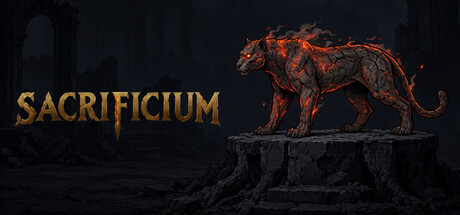 Sacrificium In-game content art | Some of the visual assets in Sacrificium — creature sprites, animations and background art — were created with the help of generative AI tools, then reviewed, edited and integrated by hand. All generative AI content is pre-generated; nothing is generated at runtime while you play. Game design, code, systems and all in-game text were written entirely by a human. | SeedWall | - | Sep 22, 2026 |


